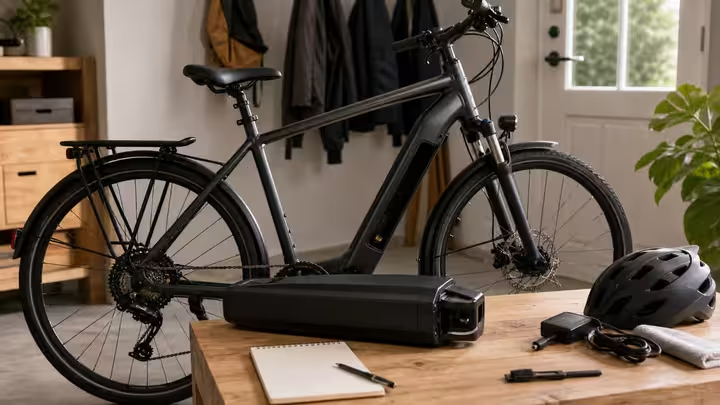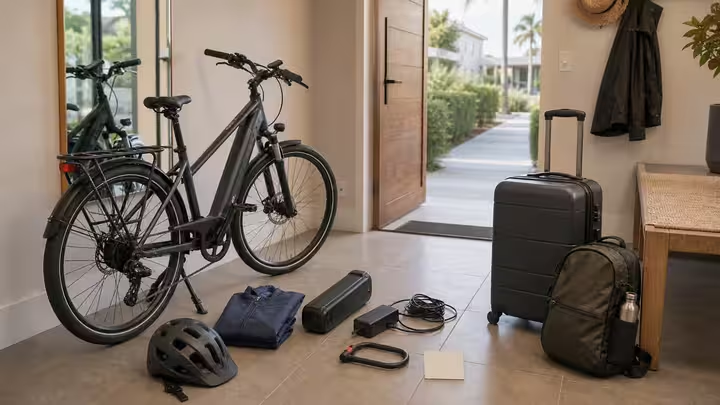
Home storage can be the easiest part of e-bike life or the quiet weak point. A garage or shed feels private, so it is tempting to treat it as automatically secure. It is not. Doors get left open, remotes sit in cars, windows are weak, tools are nearby, chargers land on cluttered shelves, and the bike can become hard to reach behind boxes. A good storage setup protects the bike while still letting it leave on an ordinary morning.
This guide focuses on garages, sheds, carports with doors, and similar home storage spaces. Apartment bike rooms and shared storage have their own social and building-rule issues, which are covered in Apartment Storage and Charging and Bike Room and Shared Storage Etiquette . The home version still needs rules, but the rules are mostly about anchors, habits, battery conditions, moisture, and access.
Treat the home stop as a real lock stop
Many bikes are stolen from home because the storage place feels safe enough to skip the lock. An e-bike in a garage may sit near tools, a door, and a vehicle that hides activity from the street. A shed may have a light latch, thin panels, or a window that makes entry simple. A lock inside the storage space adds time and friction for someone who gets through the first layer.
The strongest plan uses a fixed anchor that suits the structure and a lock that secures the frame. Installing an anchor into concrete, masonry, or structural framing may need qualified advice or careful manufacturer instructions. Do not bolt a serious lock to decorative trim and call it secure. If a true anchor is not possible, improve the layers you can: better door hardware, alarm habits, sight lines, lighting, removing the battery when appropriate, and not leaving the bike visible from outside.
Keep security from blocking daily use
Security that is too annoying often disappears. If locking the bike at home requires crawling over storage bins or unwinding a tangled cable, the habit will fade. Place the lock where the bike naturally parks. Keep the key, helmet, charger, and bags in predictable spots. Leave enough space to roll the bike out without banging the derailleur, display, brake rotor, or battery case.
This is the same idea behind Family Rules and Household Handoff . A shared home storage system has to survive tired people. If more than one person uses the garage, name the clear path, the charging surface, the lock routine, and the rule for reporting damage or odd noises. A bike hidden behind a lawn mower may be secure from thieves and still unusable for transportation.
Separate charging from clutter
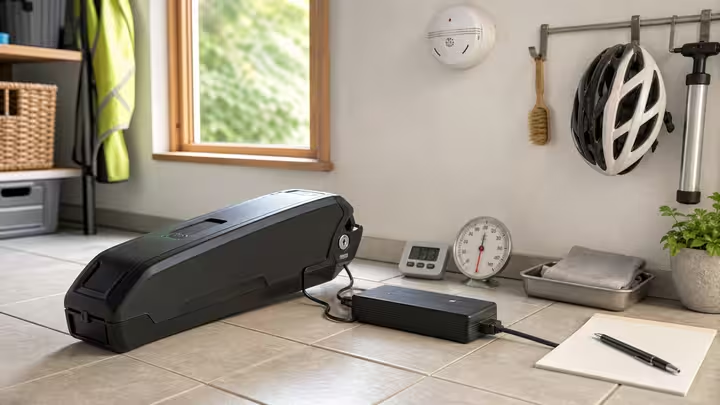
Garages and sheds often collect cardboard, paint, fuel, rags, solvents, holiday boxes, and extension cords. That makes battery charging worth thinking through. Use the charger specified by the manufacturer. Place the charger and battery according to instructions on a stable, dry, clear surface with ventilation. Avoid charging on piles of fabric, cardboard, sawdust, tool benches covered in metal scraps, damp floors, or shelves where the pack can be knocked down.
If the garage or shed gets very hot, very cold, or damp, charging and storage may need to happen elsewhere. The Battery Care Planner explains the broader habit: correct charger, clear surface, temperature awareness, and stop-use rules. A garage does not change those basics. It only adds more household clutter and temperature swings to manage.
Watch temperature and moisture
Sheds can become ovens in summer and refrigerators in winter. Garages can swing with the weather, collect condensation, or stay damp after wet rides. Batteries, displays, chargers, chains, bolts, brake parts, and accessories do not all love those conditions. Follow manufacturer instructions for battery storage and charging temperature. If the battery is removable, bringing it into a suitable indoor space may be part of the routine.
Moisture needs a landing zone. A wet bike should not be pushed into a corner where water drips onto cardboard, tools, or the charger. Let fenders, bags, rain covers, and the bike dry without blocking an exit path. Wipe obvious water from contacts and components according to the manual. Use wet rides as an inspection cue, not as a reason to aim a pressure washer at the bike. The Cleaning Without Pressure Washing guide keeps that boundary clear.
Control access without paranoia
Home security is partly about who can reach the bike. Garage remotes left in cars, keypad codes shared widely, spare keys under obvious objects, and open side doors all weaken the storage plan. A shed behind a gate may still be easy to access if the gate latch is weak or the bike is visible from the alley. Think like a tired household member rather than a movie thief: where does the routine accidentally invite trouble?
Small changes help. Close the garage before unloading groceries. Do not leave the bike in the open driveway while looking for keys. Keep photos, serial numbers, purchase records, and battery details somewhere findable. If the bike is insured or registered, confirm what records and locking conditions matter. The Insurance, Registration, and Serial Records guide turns those details into a calmer future claim or report.
Store cargo gear as part of the bike
Panniers, child seats, trailers, rain covers, straps, helmets, pumps, and locks are part of the home storage problem. If every ride begins by hunting for a strap or moving a trailer out from behind boxes, the bike loses its everyday advantage. Give cargo gear a place close enough to use and tidy enough that straps do not fall into wheels.
Heavy cargo accessories should not be stacked where they can damage the bike or create a trip hazard. A trailer needs a place that does not block the bike’s exit. Child passenger gear needs a cleaner, more deliberate reset. If the setup carries people, pets, groceries, or work gear, the garage should support that real use rather than storing the bike as a display object.
Make seasonal storage intentional
If the bike will sit for weeks, change the routine. Clean it gently, dry it, check tires, store the battery according to instructions, note the charge level if appropriate, and set a reminder to revisit it. Do not let the battery disappear into a cold shed or hot garage until the next season. Do not let tires slowly deflate until the sidewalls carry the load. Do not leave a dirty drivetrain to become the restart problem.
The Seasonal Storage and Restart guide covers the long pause in more detail. The home security version adds one point: a stored bike still needs a lock and records. Thieves do not care that the rider is between seasons.
Build the morning exit
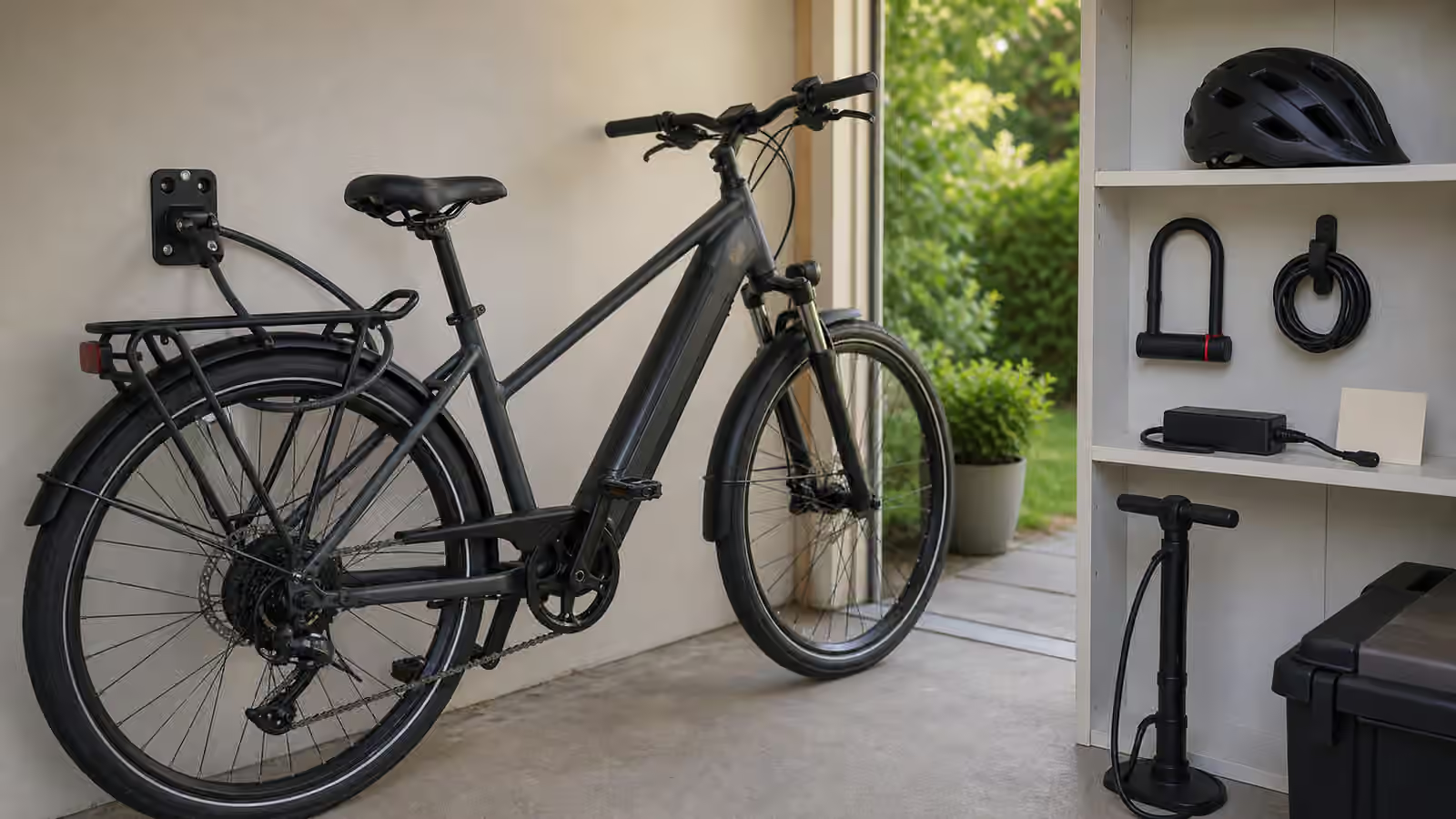
The best storage setup proves itself when the bike leaves. The exit path is clear, the lock opens without wrestling, the battery is ready, the charger is not dragged by the wheel, the tire pump is visible, and the helmet is not behind a stack of paint cans. A secure garage that makes riding hard will quietly push the rider back to another mode.
Home storage succeeds when it is both protective and boring. The bike has a real place, a real lock point, a clear charger habit, a dry landing zone, a temperature plan, and records that can be found under stress. That is not overbuilding. It is treating the place where the bike sleeps as part of the transportation system.