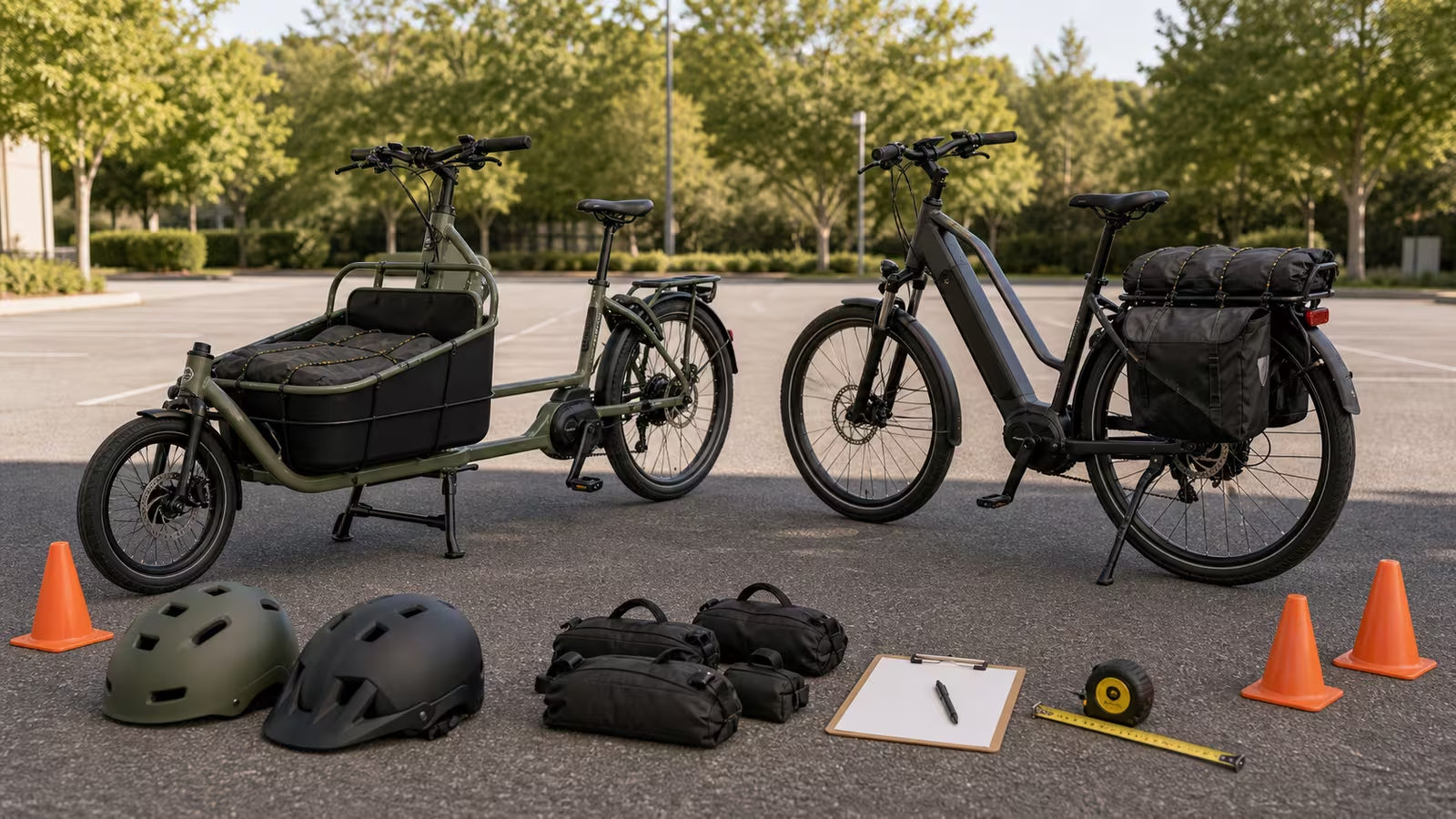
Where cargo sits changes how an e-bike feels. A front basket, front-loader box, rear rack, pannier pair, longtail deck, or trailer all move weight into different relationships with steering, braking, balance, and visibility. Beginners sometimes ask how much a bike can carry before asking where that weight goes. The better question is: can I control this bike with this load in this position on my actual route?
Front loads change steering first
A front basket or front-loader can make cargo visible and easy to access. It can also change steering feel. Handlebar-mounted weight may make the bars flop, wobble, or feel heavy. Frame-mounted front racks often handle better because the load does not turn with the bars, but they still change weight distribution. Front-loader cargo bikes have their own steering geometry and need practice.
Start with light loads. Notice slow turns, starts, curb ramps, and looking through turns. A front load that feels fine on a straight path may surprise you in a tight doorway or crowded school gate.
Rear loads change balance and mounting
Rear panniers, crates, and longtail decks often keep steering calmer, but they change balance behind the rider. Heavy rear loads can affect starts, hill climbing, braking, and putting the bike on a stand. Tall rear loads can block lights and make mounting harder. Side panniers can hit heels or posts.
Balance left and right. A single heavy pannier may be acceptable for a short calm trip, but it should be a deliberate choice. If the bike leans sharply when walking, repack.
Low usually beats high
Weight carried low is easier to control than weight stacked high. Panniers beat a tower of groceries in many cases. A front-loader box should still keep heavy items low. A crate should not become a wobbly column. Heavy items high on a rear rack can make the bike harder to stabilize at stops and on stands.
Fragile items may need a different location than heavy items. Eggs on top, cans low, laptop padded, wet gear separate. Cargo planning is a layout puzzle, not just volume.
Braking feels different with every load
Cargo adds weight and can shift weight under braking. Practice stops with harmless loads. Brake earlier. Avoid testing maximum loads in traffic. If brakes feel weak, pulsing, or uncertain, stop and get service before carrying real cargo or passengers.
Downhill routes deserve extra caution. A rear load can push. A front load can affect steering. A trailer can add momentum. The Hill Starts and Downhill Braking guide helps connect load position to route choice.
Visibility can disappear behind cargo
Check lights and reflectors with the actual load. Rear crates and child seats can block rear lights. Front bags can cover headlights. Wide loads can hide side reflectors. Rain covers can cover bright material. If the bike shape changes, the visibility check repeats.
This is especially important for night, rain, and school runs. A cargo setup is not ready if other people cannot read the bike’s position and movement.
Stands and parking are handling too
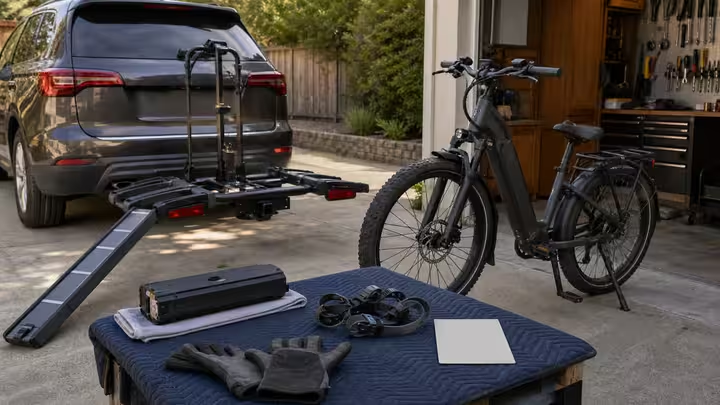
A cargo load may be stable while riding but awkward when stopped. Can you put the bike on the stand? Does the stand hold on the surface? Can you unload without the bike tipping? Can you lock the frame with panniers attached? Can you turn around in the bike room?
The Cargo Bike Stand and Loading Safety guide treats the parking moment as part of the ride because many cargo mishaps happen before or after motion.
Passengers are not cargo
Children and adult passengers are not just weight. They move, react, talk, lean, and need rules. Passenger setups require manufacturer-approved hardware, local-rule checks, helmets where required, foot protection, and practice. Do not reason from grocery handling to passenger readiness.
If passenger carrying is part of the goal, start with Child Seat and Passenger Readiness before choosing a load position.
Build a practice loop
Use a quiet legal space. Place harmless weight in the front, then rear, then both if relevant. Start, stop, turn, look back, use the stand, walk the bike, and lock it. Write what changed. Did steering feel heavy? Did the rear sway? Did the kickstand struggle? Did the light get blocked?
The right load position is the one that stays calm through the whole loop. Choose that before the real errand.
Recheck after accessory changes
Load handling changes when you add fenders, a child seat, larger panniers, a front basket, a mirror, a crate, a trailer hitch, or different tires. Do not assume last month’s practice still describes the bike. Repeat the quiet loop after any change that affects weight, width, steering, braking, or visibility.
This matters for seasonal changes too. A rain cover can catch wind. Winter gloves can make a heavy front load feel harder to steer. A summer grocery load may include more cold items and a faster trip home. The position of the load is only one variable; the whole routine decides whether the bike feels controlled.
Use load notes for shared bikes
If more than one person rides the bike, write down the packing patterns that work. A shared cargo bike can become confusing when each rider invents a different load position. Notes keep the useful discoveries from disappearing.