A folding e-bike promises a neat solution to a real problem: tight apartments, elevators, train rules, car trunks, office corners, and storage rooms that do not welcome a full-size bike. The fold can make an electric bike possible where another bike would be too long, too awkward, or too exposed. It can also become the weak part of the routine if the rider treats hinges, latches, cables, batteries, and carry points as an afterthought.
The folding habit begins before the first commute. A rider should know how the bike folds slowly, how it locks open, where hands belong, where fingers do not belong, what cables do while the frame moves, and how heavy the bike feels when folded. A fold that only works in a showroom is not yet part of transportation.
Practice the fold without a deadline
Fold the bike for the first time when you are not blocking a doorway, holding groceries, rushing for a train, or standing in rain. Use a clear floor. Remove loose bags. Watch the path of pedals, handlebars, cables, display, battery, fenders, and kickstand. Many folding mistakes happen because the rider focuses on the main hinge while another part swings into a wall, twists a cable, or traps a strap.
Repeat the full sequence several times. Fold, lift or roll if the design allows it, unfold, and confirm the bike locks fully open. The final confirmation matters. A folding bike is not ready to ride just because it looks like a bicycle again. The latch, safety catch, handlebar stem, seatpost, pedals, and any frame locks need to be in their correct riding positions according to the manual.
Make the latch visible in the routine
On a normal e-bike, a pre-ride glance might focus on tires, brakes, battery, lights, and cargo. On a folding e-bike, the latch joins that list. Learn what fully closed looks and feels like. Learn whether the latch has a secondary catch, a tension adjustment, a visual indicator, or a wear point the manual mentions. Do not force a latch that no longer closes the way it used to. Do not ride because it probably caught.
Small changes deserve attention: a latch that rattles, a hinge that feels loose, a stem that creaks, a frame joint that no longer aligns cleanly, or a safety catch that is hard to engage. These are not cosmetic issues. The Maintenance Rhythm guide says beginners should notice change and respect stop-use boundaries. Folding joints make that principle literal.
Protect cables, screens, and batteries while folding
Folding can stress the parts that do not bend. Brake hoses, shifter cables, display wires, light wires, throttle wiring where legal, and motor cables may all have preferred paths. If a cable catches, kinks, stretches, rubs, or changes position, do not keep repeating the fold until something fails. Find the correct routing in the manual or ask a shop.
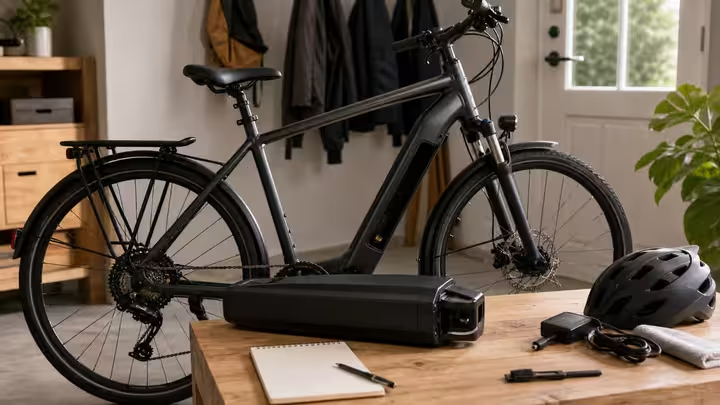
Batteries deserve the same calm handling described in the Battery Care Planner . Some folding bikes hide the battery in the frame. Some remove it with a key. Some are easier to carry with the battery out. Follow the instructions, keep connectors dry and clean, and do not use a damaged latch or battery mount because the bike still powers on.
Carrying is part of fit
A folded e-bike can still be heavy. The weight may be awkward, sharp-edged, greasy, or poorly balanced. Before buying or relying on the bike, test the carry you actually need. Can you lift it into a car trunk without hitting the display? Can you carry it up three steps without twisting your back? Can you roll it folded through a hallway? Can you keep it stable in an elevator without trapping another person?
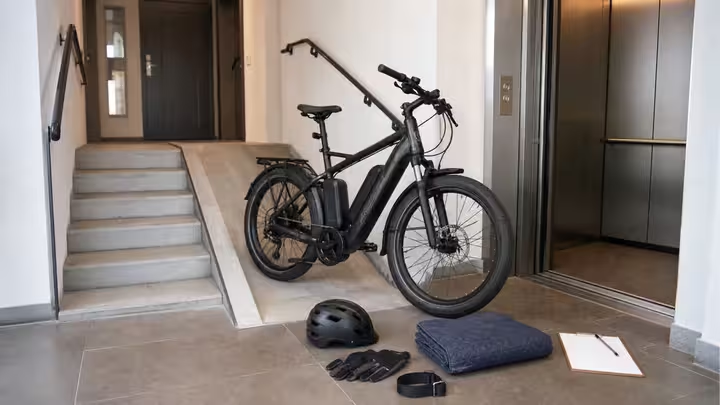
The Stairs, Elevators, and Ramps guide treats off-bike movement as part of the route. Folding does not cancel that route. It changes it. A bike that technically folds may still be wrong for a rider who cannot lift it, a train station with long stairs, or an office where the folded shape blocks a shared aisle.
Transit and buildings have their own rules
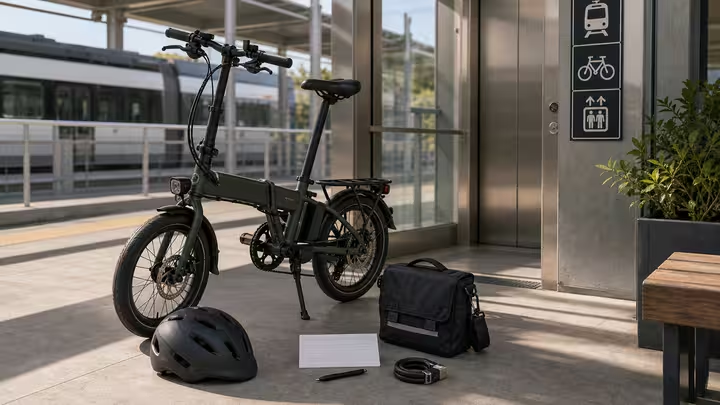
Some transit systems treat folded bikes differently from full-size bikes. Some treat e-bikes differently from ordinary bikes. Some restrict batteries, peak hours, vehicle types, or where the bike can be placed. Building managers, workplaces, schools, and landlords may also have storage or charging rules. Check current rules before assuming the folded shape makes every place accessible.
The Transit Connections With an E-Bike guide is the larger route plan. For folding bikes, scout the transfer with the folded bike if possible. Find where you can stand without blocking doors. Know whether the bike rolls or must be carried. Decide before the trip whether the battery stays installed, where the charger goes, and how you will unfold without rushing near a crowd.
Storage should not damage the bike
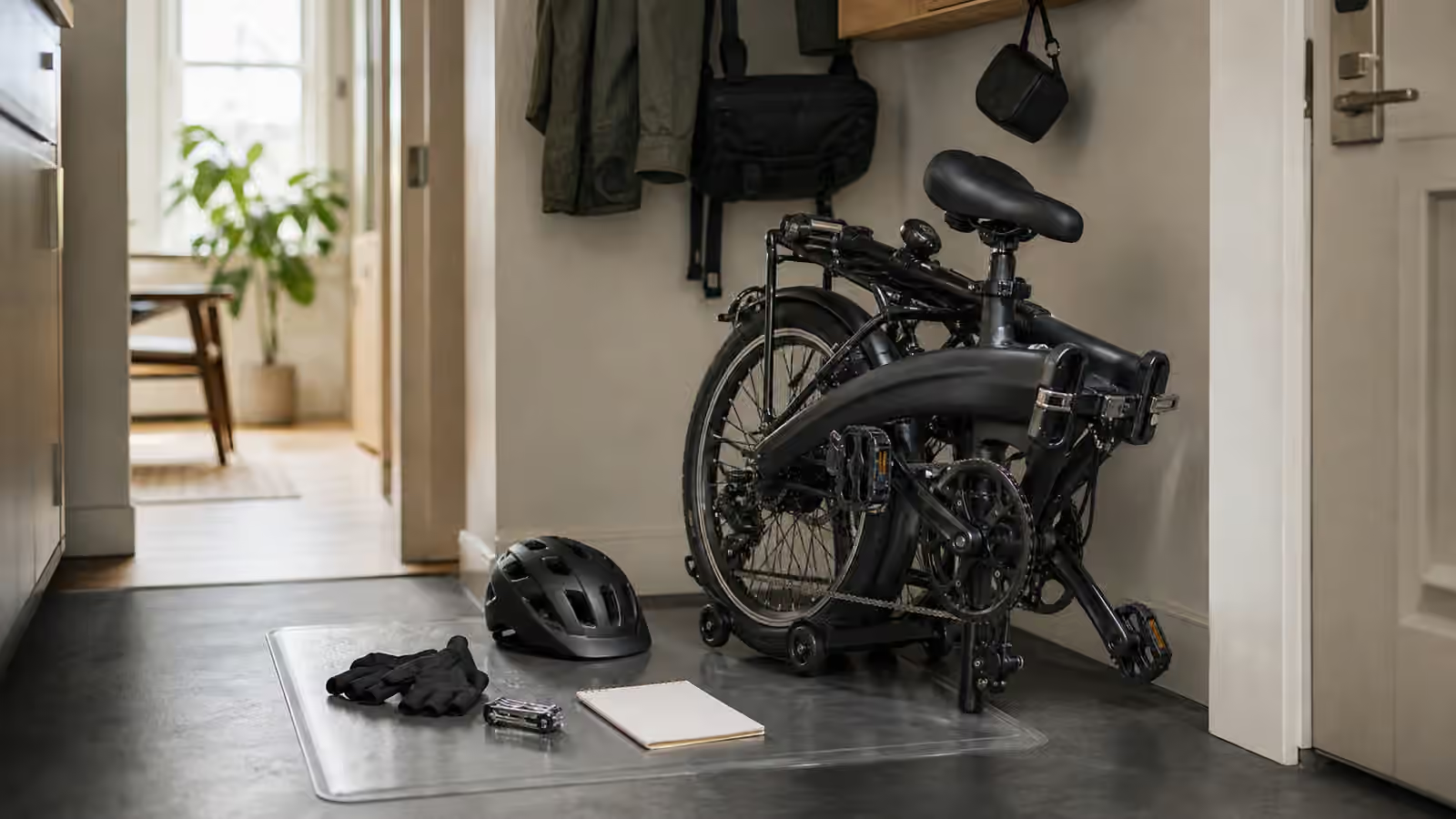
The appeal of a folding e-bike is often storage. It can fit under a desk, in a closet, behind a door, beside a couch, or in a compact bike room. But cramped storage can bend a derailleur, press on a brake hose, scratch a display, stress a hinge, drain a light, or trap moisture. Store it in the shape the manufacturer allows, with pressure off fragile parts and enough space that household movement does not knock it over.
If the bike is stored folded for long periods, add the seasonal habits from Seasonal Storage and Restart . Battery charge, tire pressure, dry surfaces, records, and restart checks still matter. Folding does not make the bike maintenance-free.
Unfold before the ride, not during the ride
The final pre-ride moment should be unhurried. Open the frame fully. Confirm the hinge and latch. Confirm the handlebar stem. Confirm the seatpost and pedals. Check brakes before rolling away. Look at cable paths. Make sure the battery is seated and the display is not loose. If something feels half-engaged, stop.
A folding e-bike is at its best when the fold disappears into a reliable routine. The rider knows the sequence, the storage place, the transfer rule, and the stop-use signs. The bike becomes smaller when needed, then becomes fully and confidently a bike again before the ride starts.