The first month with an e-bike is full of useful information. The rider learns which route feels calm, which hill drains the battery, which lock stop is annoying, which bag swings, which rain layer works, which day the bike stays home, and which maintenance habit is missing. Without a log, those lessons blur into vague impressions. A short ride log turns early experience into decisions.
Keep entries short
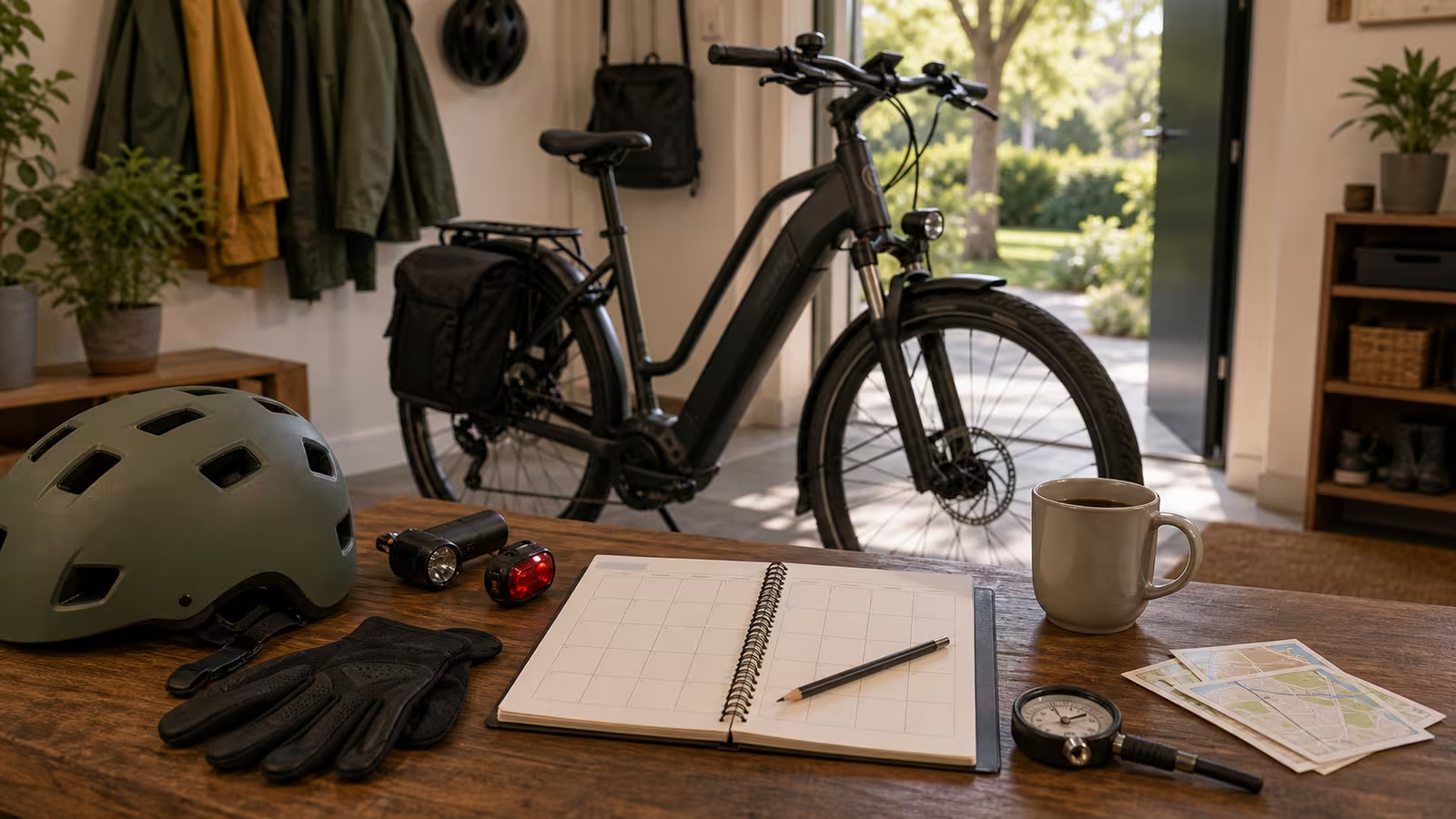
A useful log can take one minute. Date, trip, weather, battery start and end estimate, cargo, lock stop, comfort issue, route issue, and one fix. You do not need a fitness diary unless that helps you. The goal is to learn how the bike fits life.
Short entries are more likely to survive the month. A perfect template abandoned after three days teaches less than rough notes kept for thirty.
Record skipped rides
Skipped rides are the richest information. Why did the bike stay home? Rain, darkness, low battery, no lock confidence, heavy cargo, child passenger concerns, heat, cold, illness, time pressure, bad route, or no dry clothes? Write the reason without judgment. The pattern tells you what to fix.
If rain skips repeat, solve rain. If lock worry repeats, solve parking. If battery uncertainty repeats, solve charging and range. If no-ride days are appropriate, strengthen the backup plan.
Track battery reality
Record rough battery use for real routes. Include assist level, hills, wind, temperature, cargo, and tire pressure if relevant. After a few rides, you will know more than the advertised range. This helps choose reserves and charging routines.
Do not chase exact numbers if the display is imprecise. Look for patterns. A route that always returns with comfortable reserve is different from one that ends in anxiety.
Track comfort and friction
Note sore hands, cold fingers, wet socks, sweaty backpack, awkward helmet fit, difficult lock, confusing intersection, dark path, or bag that hits your heel. Small annoyances decide whether the bike is chosen tomorrow. The Commute Comfort Audit can turn these into specific fixes.
Do not buy every solution immediately. Let the log show repeated friction before spending.
Track maintenance clues
Write down low tire pressure, brake noises, chain noise, loose racks, light charging, battery warnings, and flats. If a symptom repeats, schedule service or adjust the maintenance rhythm. A log helps a mechanic because you can say when the issue appears and under what load.
Safety-critical symptoms are not log-only items. Weak brakes, tire bulges, battery damage, steering play, or passenger hardware issues mean stop and get help.
Track routes and local rules
Note where signs, closures, school policies, trail rules, or sidewalk questions appeared. If a route depends on local rules, save the source. If a crossing felt bad, mark it. If a longer route felt calmer, note that too.
Route quality is often the difference between a bike that is used and a bike that is admired at home.
Review weekly
Once a week, read the notes and choose one improvement. Move the light, charge earlier, add a towel, scout parking, pump tires, adjust a bag, choose a calmer street, or ask the office about charging. One improvement per week is enough. The bike does not need to become perfect in thirty days.
This review is where accessories earn or lose priority. Evidence beats shopping impulses.
Close the month with a routine
At the end of thirty days, write the routine: default routes, charging habit, lock plan, cargo setup, rain rule, maintenance rhythm, and backup modes. This becomes the quickstart for the next season or the next household rider.
The ride log is not paperwork. It is how the bike teaches you what it needs to become ordinary.
Turn notes into household defaults
The month should end with defaults, not a pile of observations. Pick the normal charge routine, the normal lock kit, the normal rain setup, the normal grocery cargo setup, the normal school route, the normal no-ride triggers, and the normal maintenance day. Defaults reduce decision fatigue. They also make it easier for another household rider to use the bike without repeating the same experiments.
Keep the defaults modest. If the log shows that the rider only uses high assist on one hill, the default may be lower assist with a planned boost there. If the grocery route always needs two panniers and a front basket, store those together. If the office return ride often happens after dark, the light charging default matters more than a new bag. If local rules changed one route, update the route note instead of trusting memory.
Use the log to remove things as well. An unused accessory can leave the bike. A route that always feels tense can be retired. A planned errand that never happens by bike can stop driving purchases. The best first-month result is not a more complicated setup. It is a clearer one.
Save the final summary with the owner records. When the season changes, the rider moves, or the bike is shared, the summary becomes a quick way to restart without relearning everything from zero.
Keep one page for open questions. Maybe a route needs local-rule confirmation, a rack needs a shop check, a battery behavior needs manufacturer support, or a passenger setup needs more practice. Open questions are not failures. They are the places where the next safe decision needs better information.