A shared e-bike can be one of the best household transportation tools. It can also become a source of confusion: someone leaves it uncharged, the lock key disappears, the rain gear is soaked, a brake noise is not reported, a child seat stays attached when another rider needs panniers, or one rider assumes a route is legal for everyone. A household handoff turns the shared bike from a mystery object into a common system.
Write the few rules that matter
A household does not need a manual on the wall. It needs a few clear rules: where keys go, when the battery charges, who may carry passengers, which locks are used for which stops, what routes are approved, where wet gear dries, and what symptoms stop the bike. If the bike has a throttle, speed mode, or class restriction, include that too.
Keep the rules visible but not crowded. A blank card, shared note, or checklist near the charger can work. The rules should reduce arguments, not create a new chore.
Decide who can carry passengers
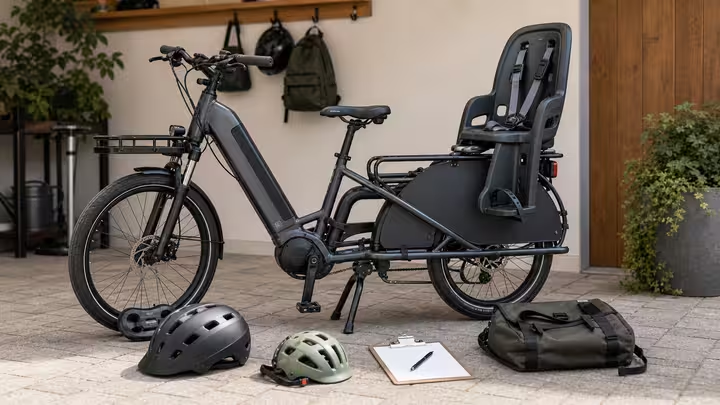
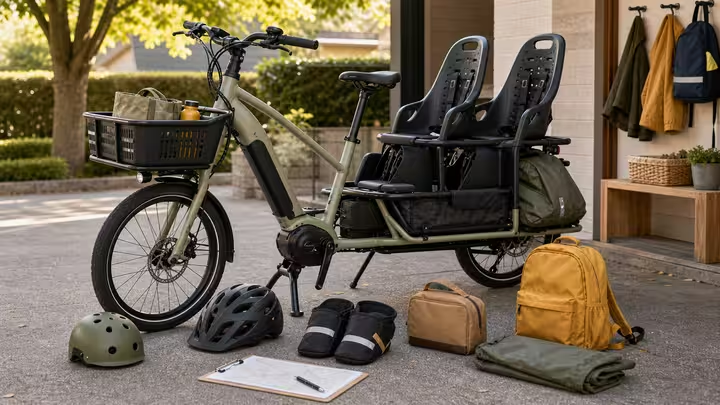
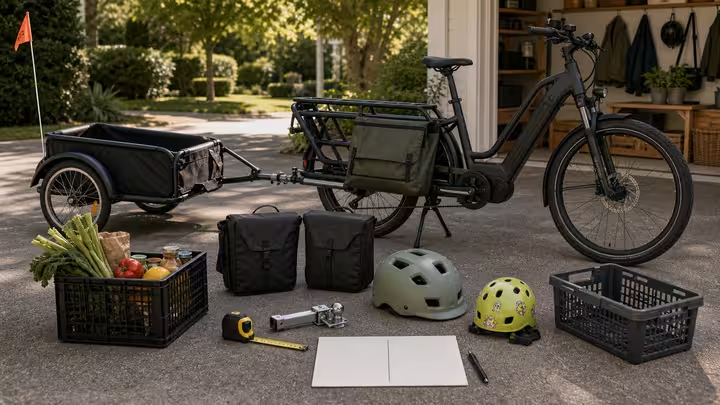
Passenger use deserves explicit permission. A child seat, trailer, or longtail bench should not be used by any household member who has not practiced the loading script, route, braking, and local rules. Decide who is approved, which routes are allowed, and what weather cancels passenger rides.
This is not about hierarchy. It is about making sure the most responsible setup is used when another person is on the bike.
Keep charging consistent
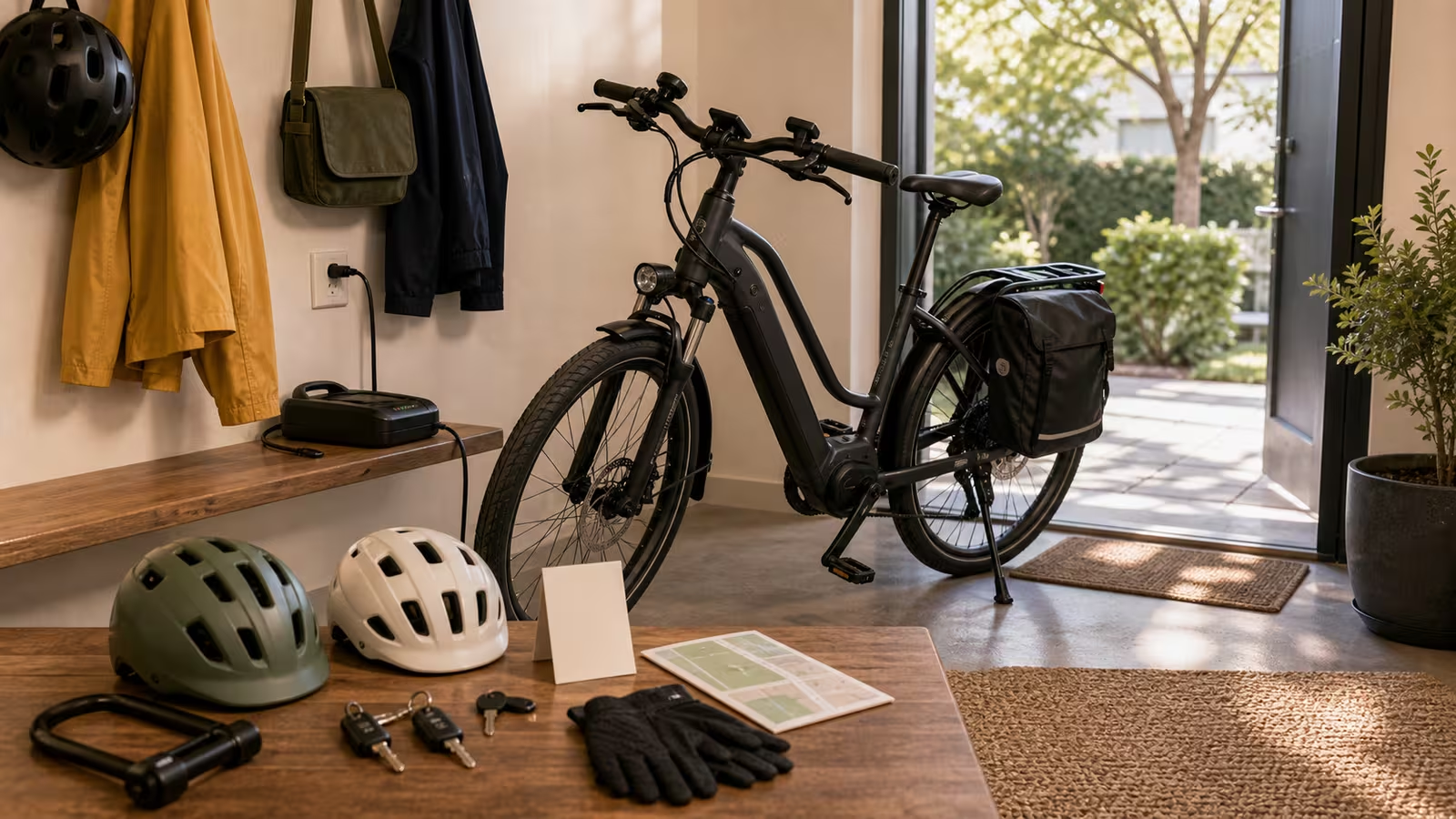
Shared bikes often fail because nobody knows the battery state. Choose a charging rule: charge after certain rides, store at a certain level when unused, never charge unattended in certain spaces, or follow a manufacturer-specific routine. Record the rule and follow building policies.
If the battery behaves oddly, every rider needs the same stop-use rule. No one should ride or charge a suspicious battery because they did not hear the warning from someone else.
Make lock handoffs clear
Lock keys, spare keys, combinations, and lock locations should be boring. Decide where keys live and what happens if a key is missing. If one rider uses the bike for short errands and another for long office stops, the lock plan may differ. Write down which lock goes with which stop.
Also record the serial and photos where the household can find them. A shared bike can be stolen when the records are in only one person’s email.
Report damage immediately
Small issues grow when riders assume someone else noticed. A shared bike needs a rule: report brake changes, tire pressure problems, loose racks, battery warnings, crashes, drops, strange noises, missing lights, and wet gear. Use a shared note or message. Do not leave the next rider to discover the issue at the curb.
The First 30 Days Ride Log can become a household log after the first month.
Reset for the next rider
After each ride, return the lock, charge or store the battery as agreed, remove food, dry gear, wipe lights, and put the seat, bags, and cargo accessories back to the default setup. If you changed saddle height, mirror angle, bag placement, or assist setting, reset it or leave a note.
Shared transportation works when each rider leaves the bike easier for the next person, not just good enough for themselves.
Make route rules rider-specific
One rider may be comfortable with a hill, night route, or traffic crossing that another should avoid. Do not assume route knowledge transfers. Keep route notes for each routine trip, including local rules, dismount zones, and backup options. For teens or guests, set stricter boundaries.
The bike’s capability is not the same as every rider’s readiness. Household rules should respect both.
Review monthly
Once a month, check whether the rules still fit. Did charging work? Did keys go missing? Did one rider skip rain days? Did passenger rules hold? Did maintenance get reported? Adjust the system with evidence.
A shared e-bike succeeds when everyone knows how to leave, return, report, and reset. The handoff is the household version of the workshop.
Teach the handoff before lending
Do not make the first handoff happen at the door during a deadline. Walk through the bike together when nobody needs to leave. Show how the lock works, where the charger lives, how the battery is removed or left installed, which lights need charging, how cargo bags attach, where the helmet and rain gear dry, and what symptoms mean stop riding. Let the next rider repeat the steps while the experienced rider watches.
Use a short practice ride for any rider who is new to the bike. Weight, assist behavior, brakes, throttle if present, cargo width, and kickstand balance may differ from a conventional bicycle. Practice starting, stopping, walking the bike, locking, and parking. If passengers are involved, practice without the passenger first, then follow the passenger readiness rules.
Set guest limits. A visiting relative or neighbor may not need full bike access. They may be allowed to borrow the bike only for a specific route, with no passengers, no night rides, no public charging, and a defined lock plan. Shared use should expand only when the rider understands the system. A generous loan that skips boundaries can create battery, lock, legal, or maintenance problems for everyone.