Most e-bike rides do not need an emergency plan, which is why the plan should be written before it matters. A flat, battery warning, sudden storm, wrong turn, brake concern, child passenger problem, or minor crash can become much harder when the rider has no contact list, no safe waiting place, no lock plan, and a phone that is nearly dead. A roadside call plan makes the unexpected smaller.
Write the call list
List who to call for different situations: household member, friend with a vehicle, taxi or rideshare, roadside assistance if available, bike shop, workplace, school, transit information, building security, and emergency services. Store the list on the phone and on a small card if useful. Include bike details and location-sharing settings where appropriate.
Do not rely on remembering numbers while stressed. A simple contact list can turn panic into sequence.
Know safe waiting places
For routine routes, identify places to stop: lit store, transit station, library, school office, workplace lobby, wide path shoulder, or protected sidewalk area where legal. Avoid waiting in traffic lanes, blind corners, isolated spots, or places that block pedestrians. If the bike cannot be moved safely, call for help sooner.
At night or in bad weather, waiting locations matter even more. A backup route should include safe stops, not only lines on a map.
Decide repair boundaries
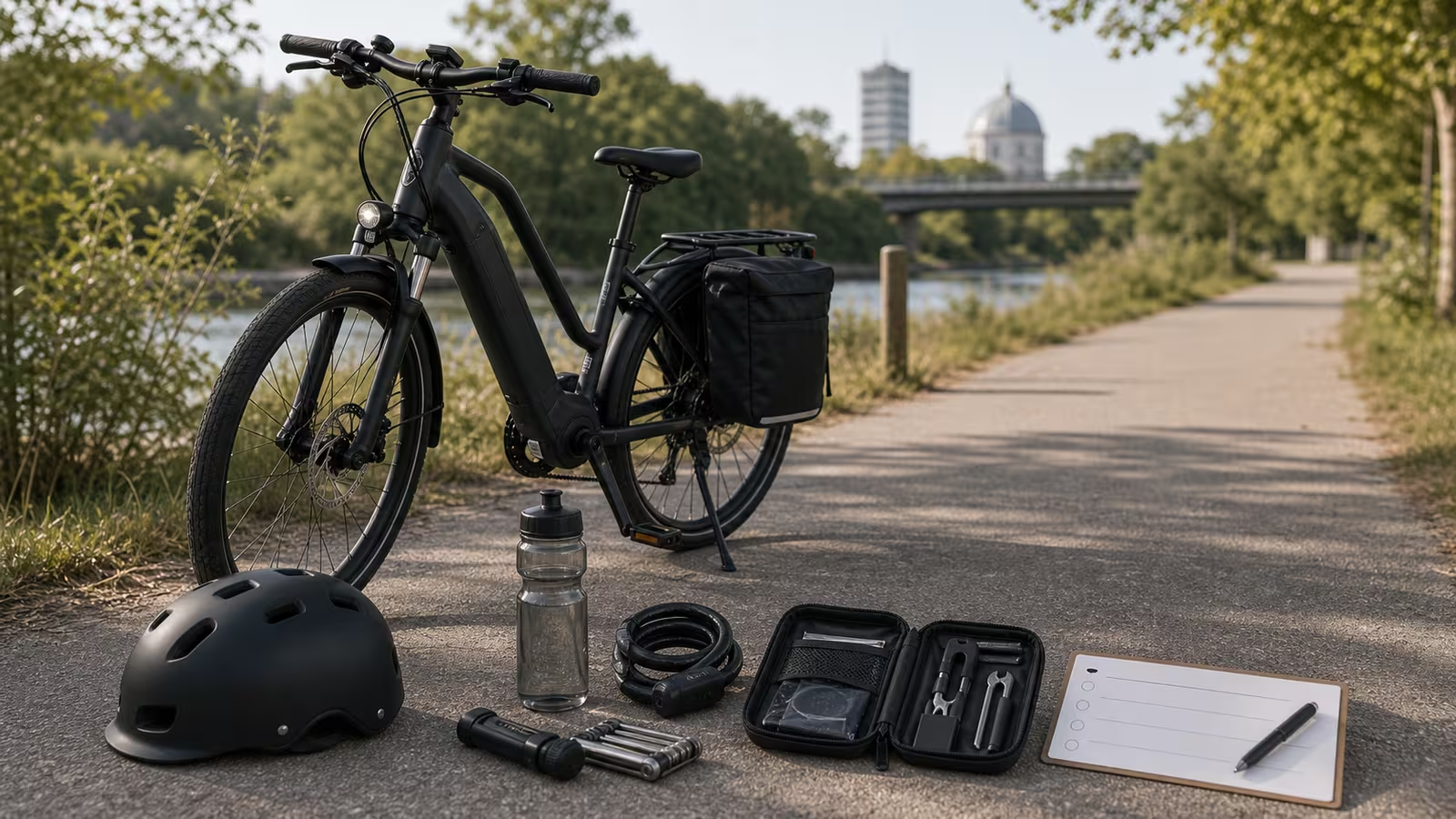
Know what you can and cannot fix. Maybe you can inflate a tire but not remove a hub-motor wheel. Maybe you can adjust a loose light but not touch brakes. Maybe you can reconnect a bag but not inspect a battery warning. Write the boundary. Carry tools only for jobs you can use safely.
If brakes, battery, steering, passenger hardware, wheel damage, or crash damage are involved, stop riding until the bike is checked.
Include passengers and cargo
With a child passenger, the plan changes. Who picks up the child? Where do they wait? Can the bike be locked while the child leaves? What if the trailer or child seat is involved? With groceries or work gear, decide what comes with you and what can stay locked.
Do not improvise child-passenger rescue plans on the roadside. Family cargo routines need contact and pickup rules.
Lock before leaving the bike
If you must leave the bike, lock the frame to a fixed object where legal and safe. Remove battery, bags, lights, or display if appropriate and possible. Photograph the location. If no safe lock point exists, decide whether someone stays with the bike or whether professional transport is needed.
A compact lock in the roadside kit can help, but it does not replace the main lock plan.
Keep phone power available
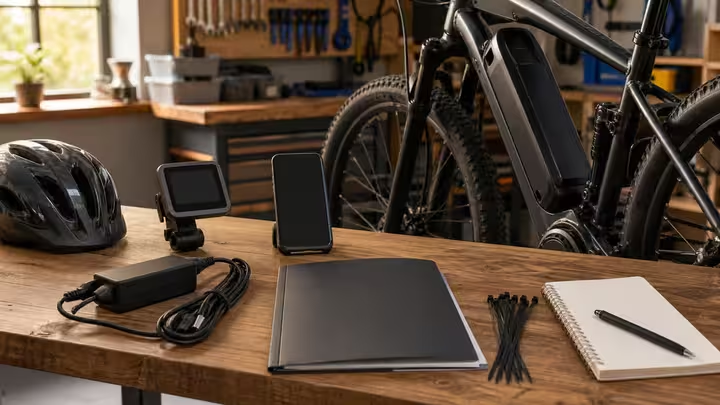
Navigation, calls, photos, weather, and transit all depend on phone power. Keep the phone charged for routine rides and consider a small power bank for longer trips. Do not drain the phone on entertainment or complex navigation when the route is uncertain.
The Navigation and Phone Battery Routine supports the roadside plan directly.
Use the plan after near misses
After a flat, storm, battery scare, or wrong turn, update the plan. Was the contact list right? Did the safe waiting place work? Was the lock accessible? Did the repair kit match the bike? Did a child pickup take too long? Improve one item.
Roadside planning is not pessimism. It is how the e-bike stays part of real transportation when a ride goes sideways.
Rehearse the plan at home
A roadside plan becomes real when the rider can follow it without thinking hard. At home, pretend the bike has a flat two miles from work, the battery warning appears near a school pickup, or a storm arrives on the grocery route. Who gets called first? Where is the phone number? Can the rider describe the location? Can the bike be locked? Can a child passenger be picked up separately? Can the cargo be carried away? Which situations require emergency services immediately?
Check the physical kit during the rehearsal. The compact lock should open. The power bank should hold charge. The repair kit should match the bike. The phone mount should release the phone. The rider should know whether the rear wheel can realistically be removed; many e-bike riders should plan around professional help instead. A pump that does not fit the valve or a spare tube that does not fit the tire is only a comforting object.
Practice location sharing and plain descriptions. “I am near the north entrance of the library, by the lit rack, off the roadway” is more useful than “I am on the bike path.” Avoid sharing personal location broadly unless appropriate. Use the smallest circle of helpers that solves the problem safely.
Add seasonal versions. In winter, the safe waiting place may need warmth. In heat, it may need shade and water. At night, it may need lighting and people nearby. With passengers, it may need bathrooms or a school office. The plan should reflect the routes you actually ride, not a generic emergency checklist.
End every roadside incident with a reset. Recharge the phone and power bank, replace used supplies, dry wet gear, save any service notes, and decide whether the bike needs inspection before the next ride. A plan that is not reset becomes weaker exactly when the next unexpected problem arrives.