E-bike class, throttle, and speed language can sound simple until you try to ride through real places. One path allows pedal assist but not throttles. Another treats faster e-bikes differently. A school has its own rule. A bridge has posted signs. A city changes guidance. A seller says a bike is legal, but the route you need says something narrower. The beginner move is to check the bike and the route together.
Learn the bike’s actual behavior
Start with the bike. Does it provide pedal assist only? Does it have a throttle? At what speed does assist stop? Are there multiple modes? Does the throttle work from a stop? Can it be disabled? What does the manufacturer call the class or category? Does that label match your local definitions, or is the bike sold across regions with different wording?
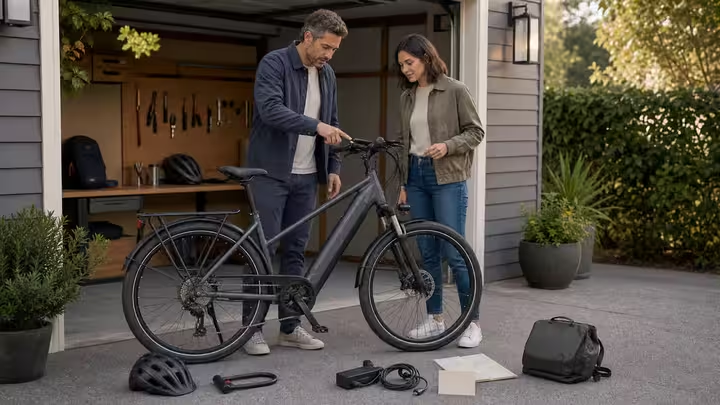
Do not rely only on a sales headline. Check the manual, frame label if present, display settings, and seller documentation. For used bikes, be cautious if the system has been modified. A bike that has been unlocked, tuned, or altered may no longer fit the rules or the manufacturer’s intended use.
Match class to route access
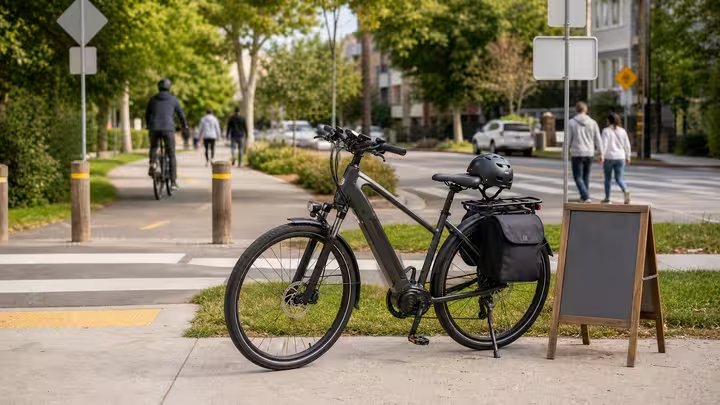
The same bike may be treated differently on streets, protected lanes, shared paths, sidewalks, trails, parks, campuses, bridges, and transit property. Some rules depend on motor assistance speed. Some depend on throttle. Some depend on posted signs. Some allow e-bikes on roads but restrict them on natural-surface trails. Some allow certain classes on multi-use paths but not others.
Map your real routes before buying or commuting. If the only comfortable route uses a path that excludes your bike type, the bike is a poor match even if it is mechanically excellent. The Route Scouting guide helps uncover these details.
Understand throttle tradeoffs
A throttle can help with starts, cargo, mobility, or avoiding a wobble when launching. It can also change legal access and rider behavior. Some places restrict throttles where pedal-assist bikes are allowed. Some riders find a throttle makes slow shared-space riding less predictable. Some bikes use throttles gently; others surge.
Test the behavior in a quiet legal area. If the throttle feels jumpy, do not assume you will manage it better in a crowded school zone. If the throttle is central to why the bike works for you, confirm that your local routes allow that bike before purchase.
Treat speed as context
Assisted speed is not the speed you should ride everywhere. A bike capable of higher assist may still need walking speed around pedestrians, children, dogs, crowded paths, blind corners, and driveways. A low-speed shared path can become tense when an e-bike rider treats the legal maximum as the social minimum.
Speed also affects route choice. A faster model may make sense on roads with traffic where it is legal and predictable. It may be a poor fit for a park path commute. The question is not whether speed is good or bad. The question is where that speed belongs.
Check passenger and cargo implications
Class and speed questions become stricter when carrying passengers or heavy cargo. A throttle launch with a child seat, a high-assist mode on a crowded path, or a fast cargo descent may create conflicts that a solo rider does not notice. Local rules may also handle passengers, helmets, and school routes separately.
Before using a bike for family transportation, check the passenger rules and the bike’s rated setup. The Child Seat and Passenger Readiness guide covers the hardware and behavior side; class and access are the route side.
Verify trail and park claims
Trail access is especially easy to misunderstand. A manufacturer or reviewer may say an e-bike is trail ready, but a local trail may restrict motorized assistance, specific classes, speed, seasonal access, or surface conditions. Natural-surface trails, conservation areas, and parks often have more specific rules than city streets.
Check the managing agency’s current guidance and signs. If the rule is unclear, ask before riding. If access is contested, ride elsewhere while you clarify. E-bike acceptance depends partly on riders respecting the boundaries that exist.
Build a local-rule note
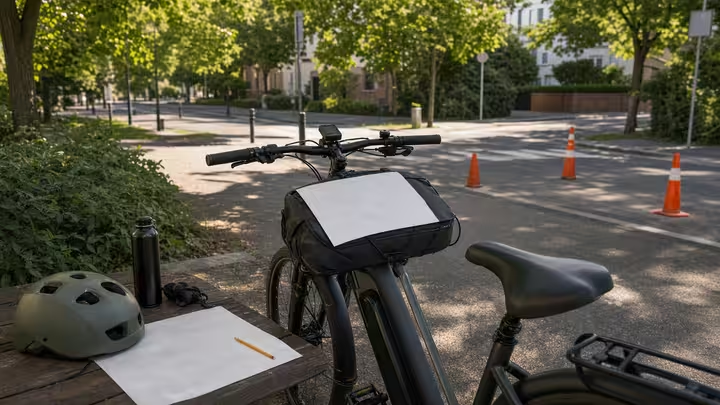
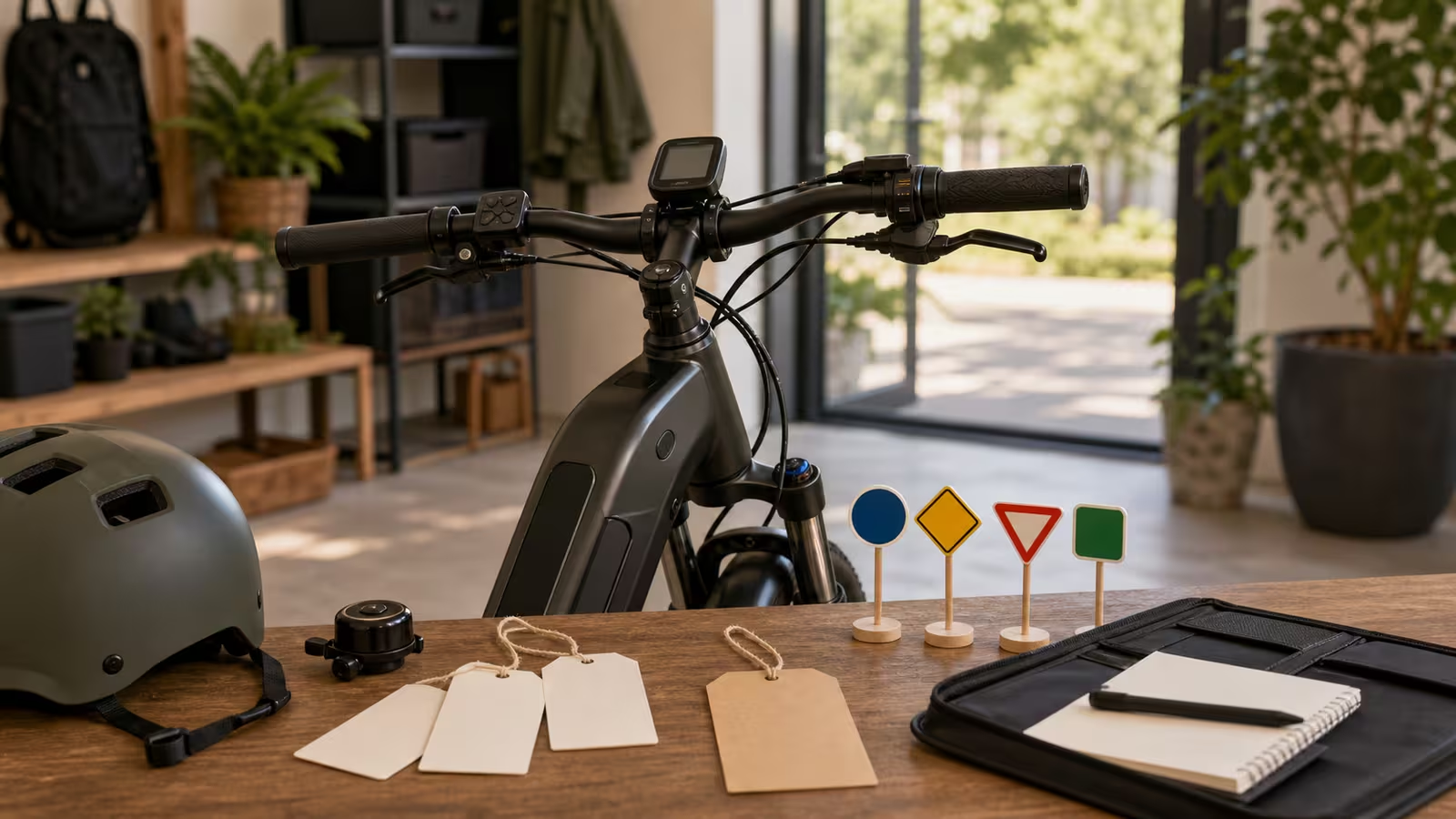
Create a short note for each repeated route: bike class, throttle status, path access, sidewalk status, school or campus rules, transit rules, night restrictions, speed expectations, and where to dismount. Update it when signs change or construction reroutes you. If multiple people use the bike, the note prevents one person’s research from staying private.
This note belongs with the lock and range plan. A route is not ready until the bike is allowed where it needs to go, at the speed and behavior the space expects.
Be cautious with modifications
Changing speed limits, throttles, controllers, batteries, displays, or firmware can affect safety, legality, warranty, serviceability, and insurance. A beginner should not treat modification as a normal setup step. If a bike only fits your life after it is modified beyond its intended design, consider whether a different bike is the better answer.
Used bikes with unknown modifications deserve extra caution. Ask what changed, why, and whether a shop or manufacturer will still support the system.
Keep humility in the ride
Even when the bike is allowed, ride predictably. Slow around people. Pass kindly. Use lights correctly. Do not treat class compliance as permission to be startling. Local-rule awareness and etiquette work together because the goal is not merely avoiding a citation; it is becoming a rider other people can understand.
The best e-bike class choice is the one that fits your route, body, cargo, local rules, and behavior. Know the bike before buying it, know the route before depending on it, and let posted signs override wishful thinking.
Related guidebooks
- Etiquette and Local Law Awareness: Ride Predictably Around People
- Used E-Bike Buying Checklist: Inspect Before the Price Feels Clever
- Route Scouting for Low-Stress Streets: Build the Calm Map First
- Reality Check Desk for checking current sources instead of repeating stale summaries.