A shifting problem on an e-bike is rarely just an annoyance. It can be a warning about chain wear, cable tension, derailleur alignment, a bent hanger, damaged teeth, poor shifting habits, or a drivetrain being asked to carry too much load in the wrong gear. Because many e-bikes add motor power to ordinary pedaling force, small symptoms deserve attention before they become a snapped chain, chewed cassette, missed hill start, or stranded ride.
This is not a repair manual. A beginner does not need to adjust limit screws or straighten hangers to be useful. The first job is observational: know what changed, when it changed, and whether the bike should be ridden normally. The second job is restraint. Drivetrain work can be simple in the right hands and expensive when guessed at with confidence.
Listen For The First Change
A drivetrain often speaks before it fails. Shifts may hesitate. The chain may click under load. A gear may skip when climbing. The bike may shift cleanly on a stand but complain on a hill. The chain may rub at one end of the cassette. The derailleur may look closer to the spokes than usual. A noise may appear after the bike fell against a wall, rode through grit, carried heavy cargo, or had the rear wheel removed.
Treat those clues as a pattern, not as isolated drama. One missed shift can happen. Repeated skipping under load is different. A new scraping sound after a tip-over is different again. If the drivetrain changes suddenly, especially near the rear wheel or spokes, stop riding hard and inspect within your ability. A derailleur moving into the wheel can cause serious damage.
Hangers Are Meant To Be Vulnerable
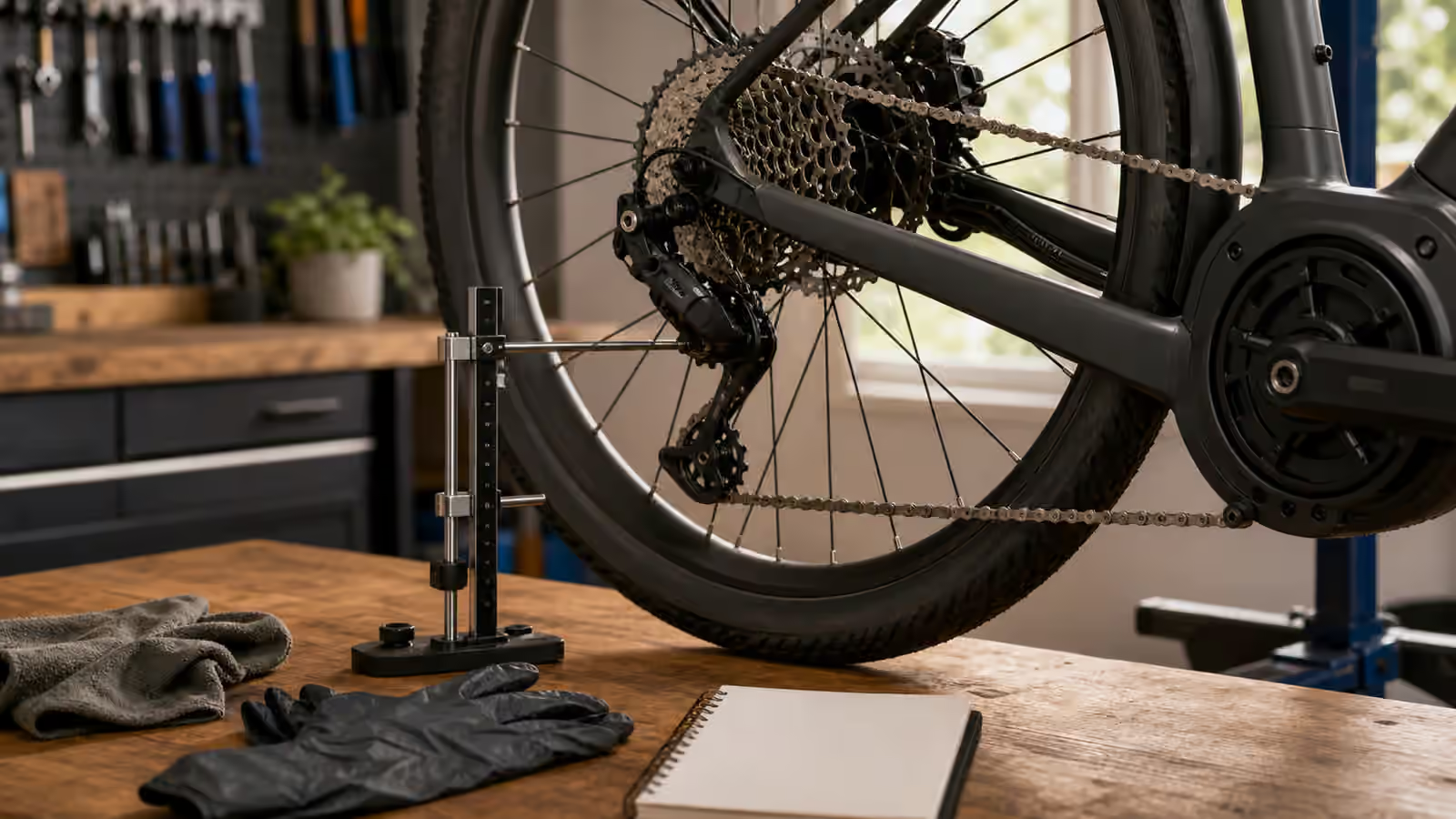
Many bikes use a derailleur hanger, a small replaceable part between the frame and derailleur. It can bend in a fall, during transport, in a crowded bike room, or when the bike is leaned badly. That vulnerability protects more expensive parts, but it also means shifting can become strange after a minor impact.
A bent hanger is not always obvious to a beginner. The bike may still shift, but certain gears misbehave. The chain may sound rough at one end of the cassette. The derailleur may not sit quite straight when viewed from behind. Do not force the system to prove itself on a loaded hill. If the bike had an impact and shifting changed, a shop inspection is a sensible boundary.
This connects directly with Post-Crash and Tip-Over Inspection . A bike does not need a dramatic crash to need a careful look. A slow fall in a garage can land on the derailleur side and change the next ride.
Mid-Drives Raise The Cost Of Bad Shifting
On a mid-drive e-bike, motor power travels through the drivetrain. That can make climbing excellent when the rider shifts well. It can also punish rough shifting, high-load gear changes, or grinding starts. A chain under motor load does not enjoy being forced across gears at the worst moment.
The habit is simple but not automatic. Shift before the hill, not halfway through the panic. Ease pedal pressure during shifts when the system allows. Start in a gear that lets the bike move smoothly without a lurch. If the bike has shift-sensing features, still ride with mechanical sympathy. Technology may help, but it does not remove wear.
The Motor Assist and Shifting Practice guide is the riding side of this topic. This guide is the maintenance side: when shifting feels different, the system is asking for attention.
Cargo And Hills Make Symptoms Easier To Find
A bike may shift acceptably on a flat test ride and skip under groceries, a trailer, a child seat, or a hill. That does not mean the rider imagined the problem. Load reveals weak points. A stretched chain, worn cassette, dirty drivetrain, cable issue, or bent hanger may only complain when torque rises.
If the symptom appears only with cargo, record that fact. What load was on the bike? Which gear? Was assist high or low? Was the road wet? Did the problem happen while shifting or while pedaling steadily? A mechanic can use that information. “It skips in the middle gears when climbing with groceries” is better than “the bike is weird.”
Do not test a questionable drivetrain by adding the most important passenger. If the bike will carry a child or heavy work load, solve shifting uncertainty first. Cargo makes a drivetrain symptom more consequential because stopping, restarting, and balancing already take more attention.
Cleaning Helps Only When It Is The Right Problem
Grit and dry chains can make shifting worse. So can too much lube, wrong lube, contamination, worn parts, misalignment, damaged housing, or adjustment issues. Cleaning is useful, but it is not a cure for every symptom. If the chain skips under load because it is worn, wiping it will not restore the metal. If the hanger is bent, more lube will not make the derailleur straight.
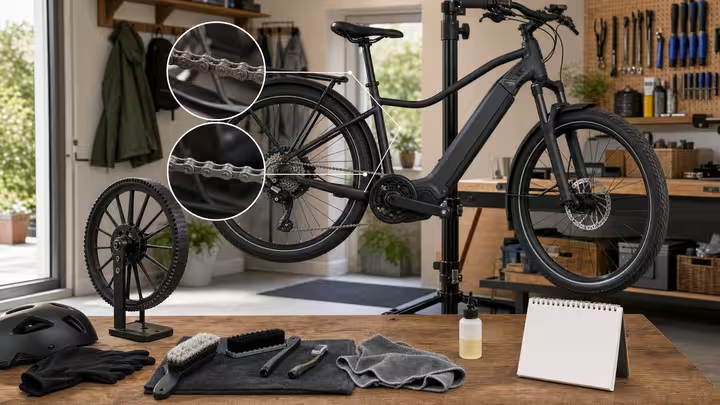
Use Chain, Belt, and Drivetrain Cleaning as the baseline. Keep oil away from brakes, wipe excess, and match care to chain or belt. If cleaning changes nothing, the symptom has given you more information. It has not invited random adjustment.
Avoid The Screw-Turning Trap
Derailleurs have adjustment screws and barrel adjusters, and the internet makes them look tempting. Some riders can learn careful adjustments. Others turn a small problem into several. The beginner boundary is to avoid changing multiple things without a reference point. If you do adjust something allowed by the manual, record the starting position, make a tiny change, and test gently in a safe place.
Limit screws, hanger alignment, electronic shifting setup, internal gear hubs, belt systems, and motor-related drivetrain behavior can all have specific instructions. If you are unsure, stop. A shop visit is cheaper than damaging spokes, chains, cassettes, motors, or frames through confident guessing.
Build A Drivetrain Note
A small drivetrain note belongs with the Maintenance Rhythm habit. Record chain cleaning, chain replacement, cassette replacement, derailleur service, cable changes, hanger replacement, and symptoms. If the bike is a mid-drive used for hills or cargo, records are especially helpful because wear may happen faster than the rider expects.
Good notes also help during a Bike Shop Service Conversation . A mechanic can diagnose faster when the rider brings the symptom story. The goal is not to perform expertise. The goal is to preserve useful facts.
Know When The Ride Stops
Stop normal riding when the chain skips badly, shifts toward the spokes, drops repeatedly, binds, grinds under load, jams, or changes after an impact. Stop if the derailleur looks bent, the wheel will not turn freely, the chain is damaged, the drivetrain makes a new harsh sound, or the bike cannot hold a gear while climbing. Local rules and route choice still matter, but mechanical control comes first.
Shifting should feel predictable enough that the rider can pay attention to the road. When the drivetrain becomes the main thought, the bike is asking for a quieter next step. Inspect what you can, clean what is appropriate, record the symptom, and use qualified help before a small drivetrain clue spreads into a bigger repair.