A commute usually fails at the uncomfortable edges, not in the middle of the ride. The bike can be fast, the battery can be full, and the route can be technically legal, yet the habit still collapses because shoes get wet, the office has nowhere to put a helmet, the hill makes you sweat before a meeting, the last intersection feels hostile in the dark, or the return ride always starts with a dead light.
The commute comfort audit is a way to stop treating discomfort as a personality test. You are not trying to become tougher. You are trying to make the ride ordinary enough that you choose it again. The audit looks at the whole loop: leaving, riding, parking, arriving, storing gear, working or studying, and returning.
Audit the door before the street
The commute starts where the bike lives. If the lock is behind boxes, the battery is not charged, the rain jacket is upstairs, the pannier still contains yesterday’s lunch container, and the helmet light is dead, the route has already become harder. A good door setup makes the first five minutes boring.
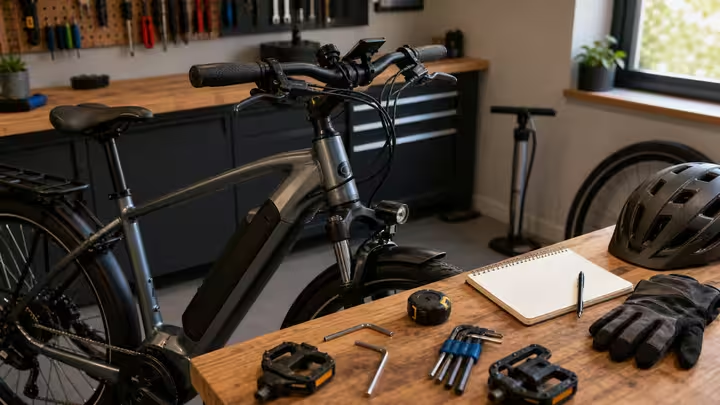
Put the morning objects together: helmet, lock key, charged lights, gloves, rain layer, work bag, charger if needed, and whatever protects the destination version of you. If the bike is stored in a shared room, garage, hallway, shed, or apartment, make sure the exit path does not require a wrestling match. Tight storage is a real commute barrier. Tiny Homes has useful lessons here because small spaces expose every object that does not have a home.
Find the discomfort category
After a ride, do not just say “that was bad.” Name the category. Was it wet, cold, hot, sweaty, dark, loud, hilly, confusing, socially awkward, unsafe-feeling, hard to park, hard to carry, or hard to reset afterward? Different discomforts need different fixes.
Wet hands call for gloves or pogies, not more motivation. Sweaty back may call for panniers instead of a backpack, lower assist on easy sections, a breathable layer, or a slower final mile. Dark turns may call for better lights, reflective side visibility, a different route, or leaving earlier. A stressful merge may call for a calmer street, not a faster bike.
Rain needs a system
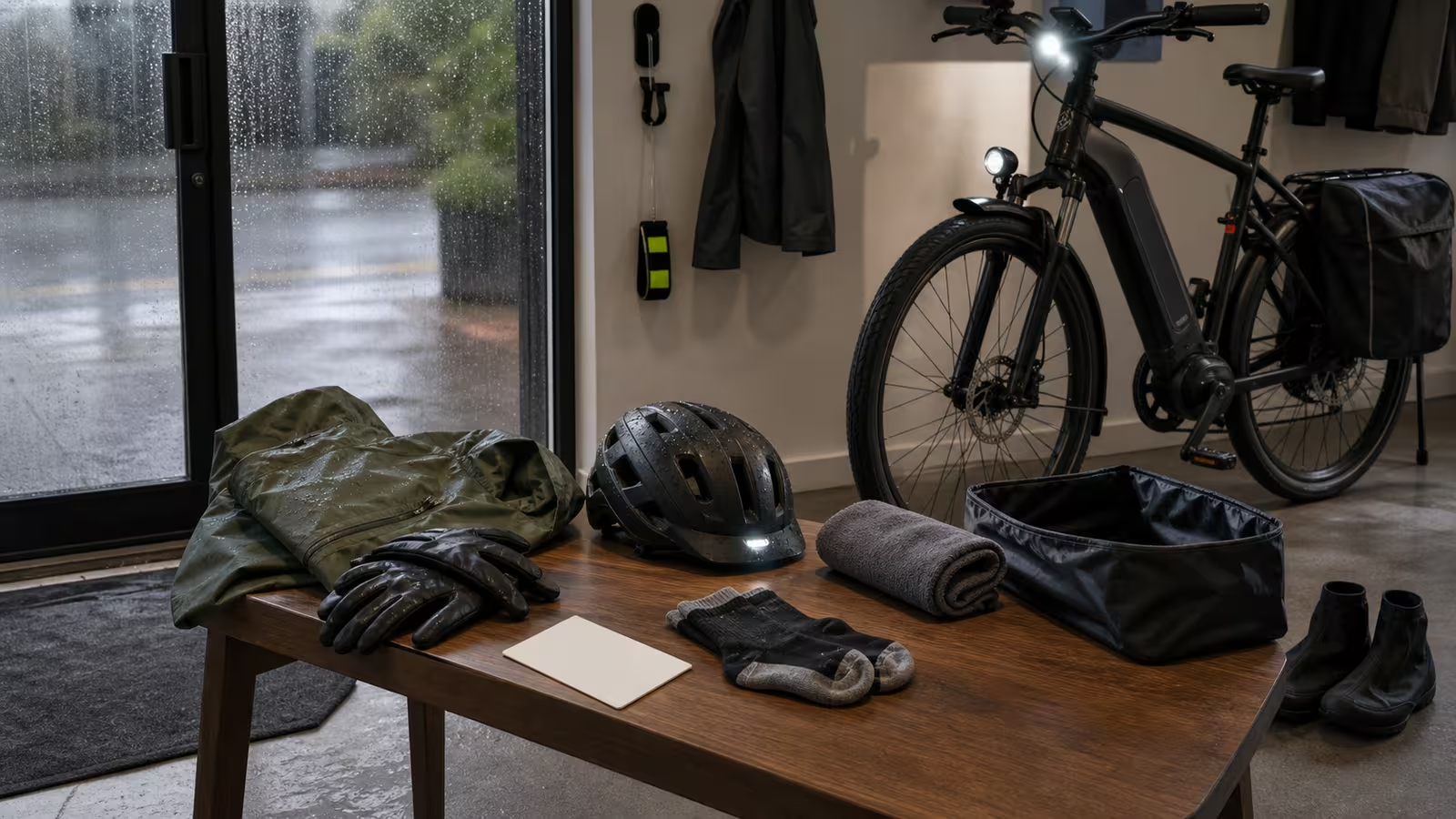
Rain riding is often less about the falling water and more about what happens after. Where do wet gloves go? Where does the jacket drip? Do you have dry socks? Does the bag keep papers and electronics dry? Do fenders protect your feet and drivetrain? Does the route puddle at the curb? Can drivers see you through spray?
Start with fenders, lights, a waterproof or lined bag, gloves that still operate brakes, and a place to dry gear. Avoid ponchos or loose clothing that can catch wind or reach moving parts unless they are designed for cycling and used carefully. Keep a towel at the destination if allowed. If your workplace or school has no drying place, the rain plan may need a smaller kit: packable shell, dry socks, plastic bag for wet layers, and a route that avoids the worst spray.
Darkness is side visibility too
Many riders buy a bright front light and stop thinking. Front and rear lights matter, but side visibility, reflective movement, lane position, and predictable behavior also matter. Intersections are often where darkness becomes stressful. A driver may look for car headlights and miss a bike approaching from an unexpected angle. Pedestrians may step out because they hear little from an e-bike.
Use lights before full darkness, not only after. Check that bags, child seats, rain covers, or cargo do not block them. Aim lights so they help you see and be seen without blinding others. Add reflective elements that move, such as ankle bands or wheel reflectors, if they fit your setup. Slow down where people cannot predict you.
Hills and sweat need pacing
E-bikes reduce hill pain but do not eliminate sweat. The motor may help you climb, but clothing, temperature, effort, stress, and stop-start riding still affect arrival. A commute that leaves you overheated may need higher assist on hills and lower assist elsewhere, a lighter layer, a pannier instead of backpack, a slower route, or a planned cool-down block before walking into work.
Do not make the ride a fitness test unless that is the goal. A practical commute is allowed to use assist. The point is arriving ready for the next thing in your life. If you want exercise, design that on purpose. If you want transportation, let the bike be transportation.
Surfaces and tires affect comfort
Rough pavement, gravel patches, trolley tracks, wet leaves, bridge grates, potholes, driveway lips, and curb cuts can make a route unpleasant even when traffic is calm. E-bikes are heavier, and that weight can make bad surfaces feel harsher. Cargo and passengers add more consequences.
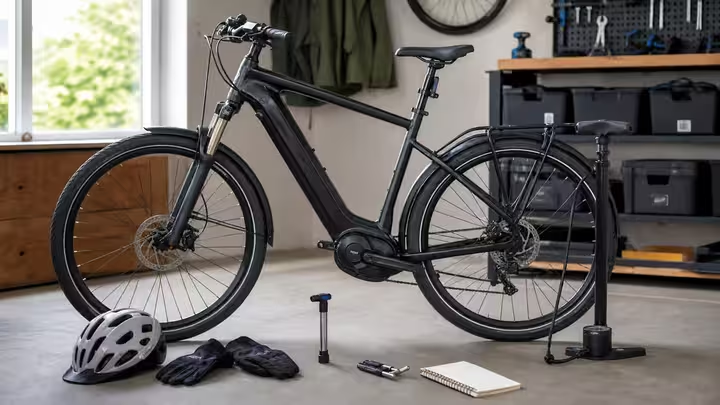
Check tire pressure within the tire’s rated range and appropriate for load. Too soft can feel sluggish and risk damage. Too hard can feel harsh and reduce confidence on rough surfaces. If the route has unavoidable rough sections, slow earlier, keep both hands ready, avoid sharp swerves, and consider whether tire choice, suspension seatpost, route change, or cargo placement would help. Use a mechanic for fit and equipment changes if you are unsure.
Arrival friction decides repeatability
Where does the bike park? Is the rack full? Can you lock without blocking anyone? Where does the helmet go? Is the battery allowed inside? Can wet gear dry without annoying coworkers, classmates, family, or neighbors? Can you change shoes? Can you charge legally and safely if needed? The arrival routine is part of the commute.
Make a small arrival kit: comb, wipes or towel, dry socks, deodorant if useful, plastic bag for wet items, spare charger only if permitted, and a place for the lock key. Do not overpack. A huge kit becomes its own cargo problem. Keep the kit at the destination if you can.
Audit one fix at a time
After the next three commutes, write one sentence for each ride: “The thing that made me less likely to ride again was…” Then fix the most repeated thing. If it was rain, do not buy a new saddle. If it was parking, do not debate tire width. If it was darkness, do not blame range. The Commute Comfort Audit can help sort the category, but the evidence comes from your own loop.
Comfort is not softness. It is infrastructure for repetition. When the uncomfortable parts have a plan, the e-bike stops being a special event and starts becoming a normal way to move through the week.
Related guidebooks
- The E-Bike Workshop Quickstart: Make the Bike Part of Real Life
- Range Reality Planning: Stop Trusting the Perfect Number
- Cargo Setup Picker: Groceries, School Bags, Child Seats, and Errands
- Tiny Homes for storage and wet entry routines.
- Reality Check Desk for checking viral commute advice before copying it.