Cleaning an e-bike is not about making it shine for photos. It is about removing grit, salt, mud, food spills, and road film so the bike is pleasant to use and easier to inspect. But cleaning can create problems if water, degreaser, or lube reaches the wrong places. A pressure washer may look efficient and still be the wrong tool around bearings, connectors, displays, motors, batteries, and brakes.
Set up a gentle cleaning area
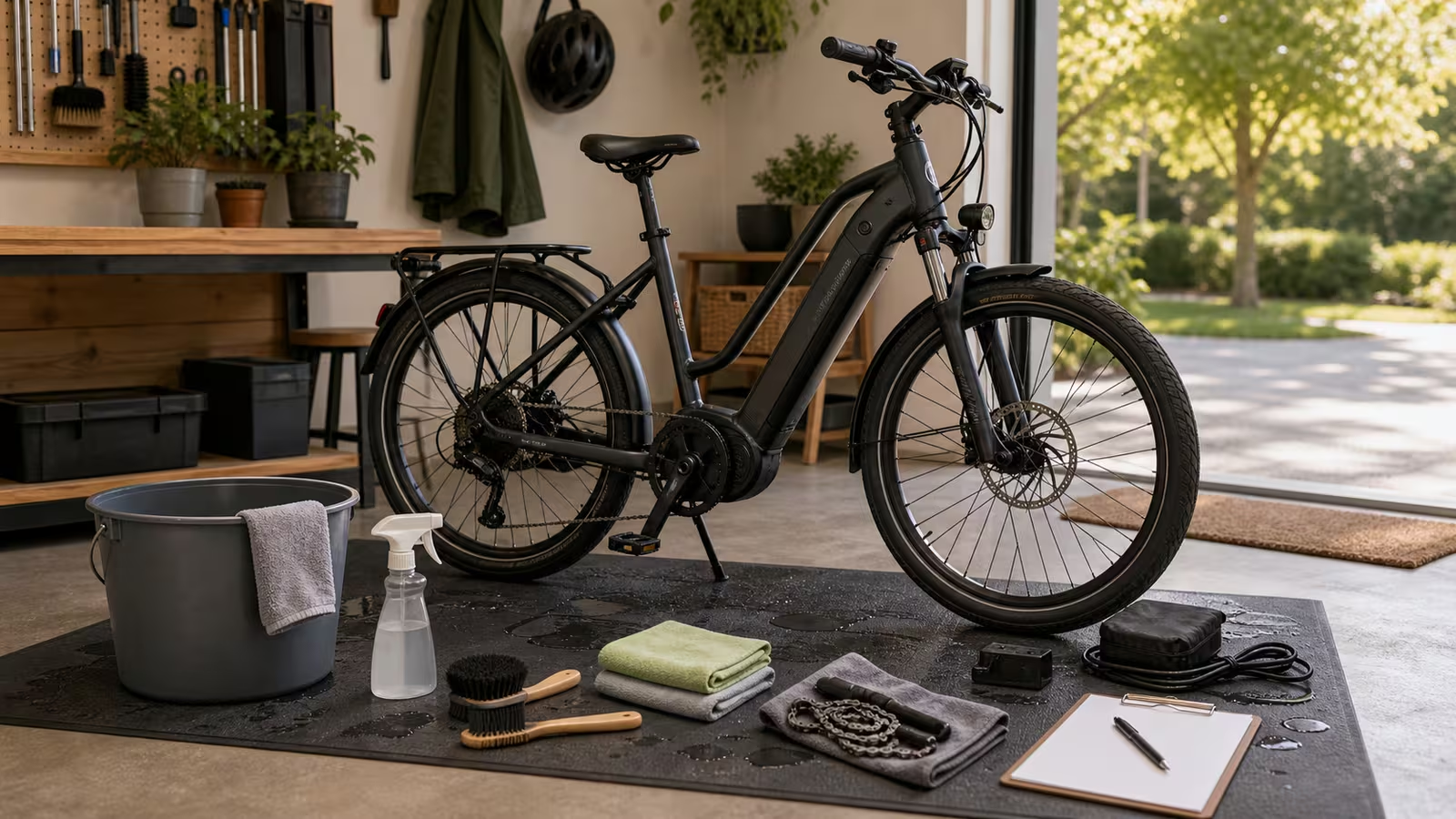
Choose a place where water and dirt can be managed: driveway, garage mat, balcony if allowed, apartment entry mat, or bike room cleaning spot if permitted. Avoid blocking exits or shared paths. Use a bucket, damp cloths, soft brushes, and mild cleaner approved for the bike. Keep the charger away from water.
If you live in an apartment, cleaning may mean wiping rather than washing. That is fine. The goal is controlled cleaning, not a foam show.
Remove loose grit first
Dry grit can scratch surfaces and hide problems. Brush or wipe loose dirt gently. Pay attention to fenders, tires, rims, rack corners, kickstand, and areas where salt collects. Do not force brushes into connectors or displays. Do not spray water directly into seams, bearings, or battery mounts.
Winter salt and beach sand deserve prompt attention because they can accelerate wear. Even a quick wipe after a salty ride is better than waiting weeks.
Protect brakes from cleaners and lube
Brake pads and rotors do not want oil, wax, or random cleaner. Keep drivetrain products away from brake surfaces. Use separate rags for drivetrain and frame. If you accidentally contaminate brakes or braking behavior changes after cleaning, stop riding normally and use the Brake Pad Wear boundary.
Do not use cleaning as an excuse to spray everything. More product is not better when braking surfaces are nearby.
Treat battery areas conservatively
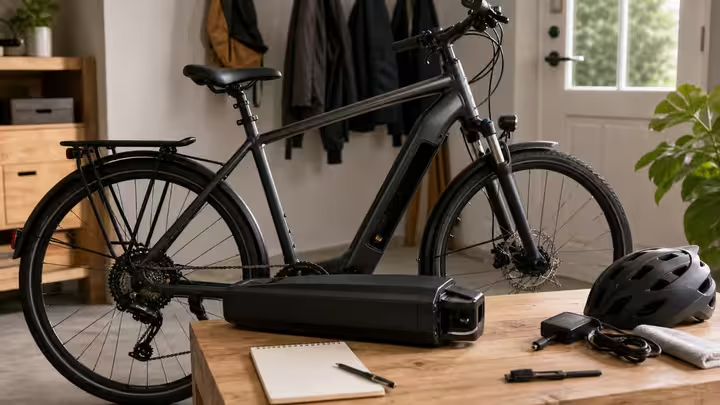
Follow the manual for battery removal and cleaning. Some batteries should be removed before certain cleaning steps; others may need seals left alone. Keep connectors dry and clean according to instructions. Do not charge until the bike and battery are in the allowed condition. Do not clean a damaged, swollen, wet, odd-smelling, unusually hot, or behaving-strangely battery as if it is normal.
The Battery Care Planner gives the broader stop-use rules. Cleaning should support those rules.
Clean the drivetrain by type
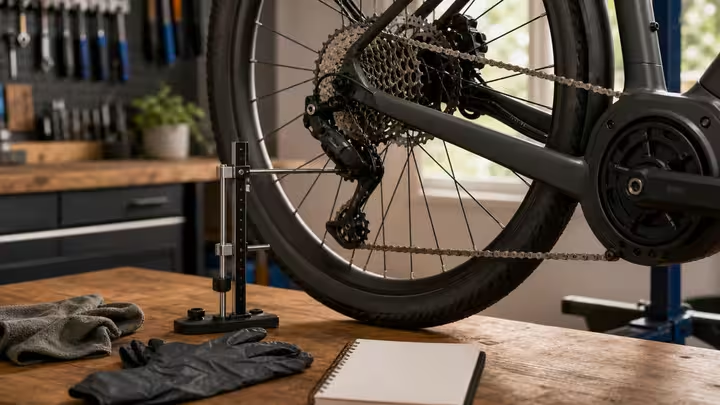
Chains, belts, derailleurs, and hub gears need different care. A chain may need wiping and correct lube. A belt should not be oiled like a chain. A mid-drive may create faster chain wear under heavy use. Use the Chain, Belt, and Drivetrain Cleaning guide for the detailed decision.
After cleaning, listen on the next quiet ride. Grinding, skipping, squeaking, or poor shifting means the cleaning did not finish the job.
Dry before storage
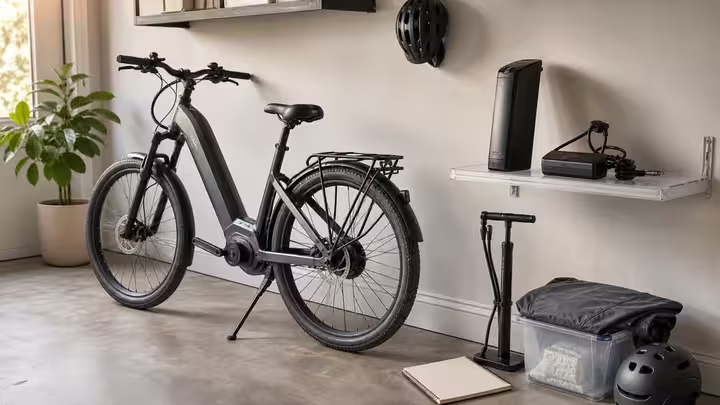
Water left in bags, racks, kickstands, chain areas, or cargo boxes can create smell, corrosion, and mess. Wipe the bike. Hang wet cloths. Let bags dry. Do not roll a dripping bike through a shared hallway if a mat or towel can prevent conflict. Do not put a wet charger into a bag.
Drying is part of apartment etiquette and shared storage. A clean bike that leaves puddles in the hallway is not a finished routine.
Use cleaning as inspection
Cleaning is when you notice tire cuts, loose racks, worn brake pads, frayed cables, cracked lights, broken fender mounts, and rubbing panniers. Keep a small note nearby. If something is different, write it down before the next ride hides the memory.
Do not turn cleaning into disassembly unless you know what you are doing. The beginner win is a clean enough bike that problems are visible.
Keep the kit simple
A practical kit can be a bucket, two rags, soft brush, drivetrain rag, mild cleaner, gloves, and mat. Add specific drivetrain products only as needed. Store cleaning supplies away from chargers and batteries. Dispose of oily rags and cleaners according to instructions and local rules.
Clean gently, dry thoroughly, inspect while you work, and avoid pressure. That is enough for most everyday e-bike routines.
End with a five-minute reset
Cleaning is not finished when the visible dirt is gone. Give the bike a short reset before it returns to storage. Spin each wheel slowly and listen for rubbing. Squeeze the brakes in place and notice whether the lever feel changed. Check that lights still mount firmly, bags are dry enough to store, the kickstand moves normally, and no rag or brush left residue near the brakes. Look under fenders and around the rack because trapped grit often hides there.
If the battery was removed, reinstall it only according to the manual and confirm it seats normally. If the battery stayed on the bike, make sure the area around the mount is dry before charging. Do not plug in immediately after a wet cleaning session unless the manual and conditions make that appropriate. A dry waiting period may be the more conservative habit.
Put dirty rags where they can dry or be washed safely. Keep oily drivetrain rags separate from general cloths. Store cleaners away from children, pets, chargers, and batteries. If you cleaned in a shared space, remove water and grit from the floor. The reset protects the next ride, the building, and the people who share the storage area. A clean bike should also be a ready bike.