Carrying a passenger is a different category from carrying a bag. A bag can be repacked. A passenger can move, get scared, drop something, lean, argue, fall asleep, or need help at the exact moment the rider is handling traffic, hills, or a crowded path. A child seat or longtail bench may look simple, but passenger readiness is really a chain of decisions: rules, ratings, installation, rider skill, passenger behavior, route choice, loading order, and weather backup.
Confirm the legal and policy boundary first
Before hardware, check what is allowed. Local rules may define e-bike classes, throttle use, passenger age, helmet requirements, sidewalk access, trail access, school property rules, and whether passengers may ride on certain bikes or paths. Building rules, transit rules, and park rules may add another layer. Some places treat trailers differently from child seats, and some schools or campuses have their own drop-off expectations.
This does not need to become a research project every morning, but the first setup should be built from current sources, not from a forum answer about another city. The Reality Check Desk habit is useful here: find the current local source, compare it with posted signs, and avoid viral simplifications that sound confident but miss the details.
Match bike, rack, seat, and passenger
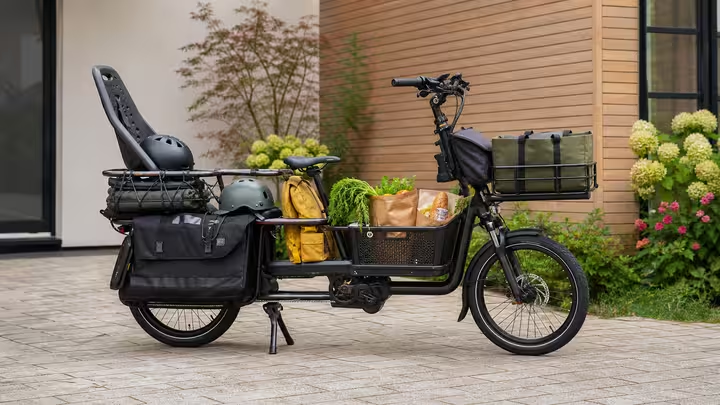
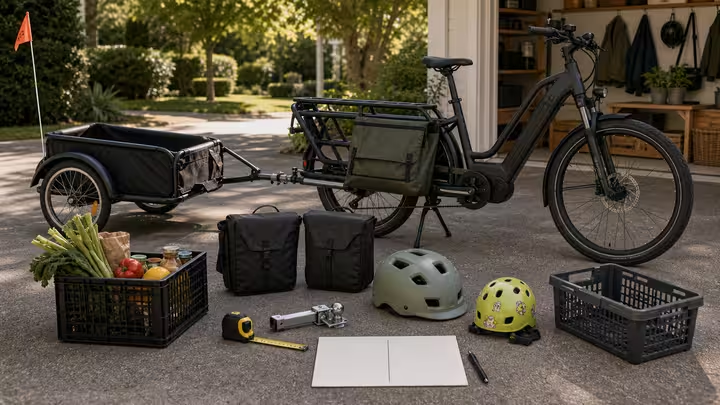
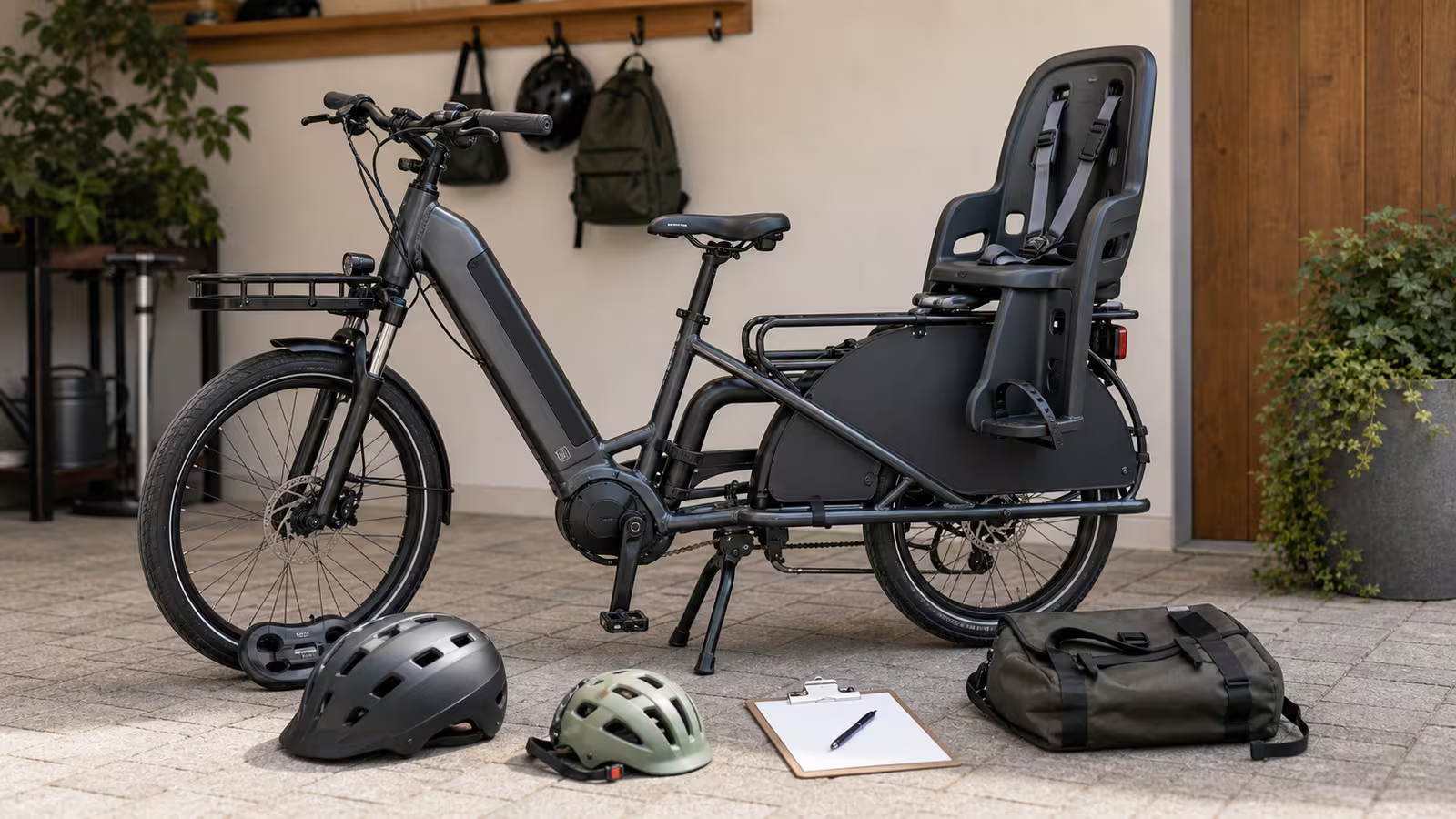
Every passenger-carrying setup has limits. A rear rack may have one rating, a child seat another, a longtail deck another, and the bike’s total system weight another. The limiting number matters. So does compatibility. A seat that fits one rack does not necessarily fit another. A trailer hitch that looks universal may still need the right axle, dropout, torque hardware, or manufacturer approval. Passenger rails, footboards, wheel guards, and running boards are not decorations; they are part of controlling contact points.
Read the instructions before installing or buying accessories. If the bike maker provides approved passenger kits, start there. If you bought a used bike or used seat, confirm that hardware is complete, not recalled, not damaged, and actually intended for the model. Do not fabricate a passenger system from parts that only appear to fit.
Check the rider before the passenger
The rider should be comfortable handling the bike alone before adding a passenger. Practice starting, stopping, turning, signaling, looking behind, walking the bike, using the kickstand, and maneuvering through narrow points. Add harmless weight next. Practice again. Only then add a passenger in a quiet place without a deadline.
Passenger weight changes the bike at low speed, when stopped, while mounting, and while braking. Many incidents happen before the ride really starts: the bike tips during loading, the stand slips, the rider loses control while walking, or the passenger climbs off at the wrong moment. A calm loading routine is as important as a calm road route.
Fit the passenger, not just the seat
The passenger needs to fit the seat or position as specified by the manufacturer. Age, height, weight, torso control, foot placement, harness fit, handholds, and helmet fit all matter. A child who cannot keep feet where they belong, keep hands on the approved hold point, stay seated, or understand loading instructions may not be ready for that setup yet.
Look for loose clothing and gear. Scarves, backpack straps, shoelaces, open coats, and dangling toys can move toward wheels, chain, belt, brake rotors, or spokes. Foot protection is especially important on longtails and rear seats. If a bag has to travel with the passenger, secure it so it cannot swing into the wheel or crowd the passenger’s body.
Build a passenger script
Use a short script every time. The rider stabilizes the bike. The passenger waits. The rider says when to climb. The passenger gets seated, straps or holds are checked, feet are placed, helmet is checked, and the rider confirms the bike is ready before moving. At arrival, the passenger waits until the rider gives the exit cue. No jumping, leaning, standing, or grabbing bags without instruction.
Children learn routines through repetition, not lectures. Practice on a quiet surface. Keep the words consistent. If two adults share the school run, use the same script. If the child resists the helmet, straps, or stillness rules, solve that away from traffic. A rushed debate at the curb is a sign the routine is not ready.
Plan routes around passenger margin
A passenger route should be boring in the right ways. Favor calmer streets, protected paths where legal, predictable crossings, gentle turns, good lighting, and places to stop. Avoid routes that require aggressive merging, squeezing through narrow barriers, riding close to parked doors, or making a difficult hill start with traffic behind you. With a child, the last block may be best walked.
Remember that passengers change communication. A child may talk, ask questions, point, complain, or get excited. The rider must still hear traffic and focus on the route. If conversation becomes distracting, create a rule: questions at stops, quiet during crossings, and no sudden movements. This is not harsh. It gives the rider enough attention to keep the trip controlled.
Recheck weather and visibility
A passenger can block lights or reflective gear. A rain cover can catch wind, reduce visibility, or change how the child hears instructions. A cold passenger may wiggle or complain. A hot passenger may overheat under a cover. Low sun can make a child seat harder for others to see if the rear light is blocked. Check the loaded bike from the rear and sides, not just from the rider’s position.
Use the same conservative weather boundary from the School Run Cargo Bike Routine . Strong wind, ice, flooding, lightning, poor visibility, or a route that feels tense without a passenger are reasons to use a backup mode.
Maintain the passenger setup
Passenger hardware needs inspection. Check bolts, straps, buckles, rails, footboards, wheel guards, racks, tires, brakes, and any unusual sound. Follow the maintenance schedule from the bike and accessory makers. If the bike falls, the seat is hit, a rack bends, or the handling changes, stop using the passenger setup until it is checked.
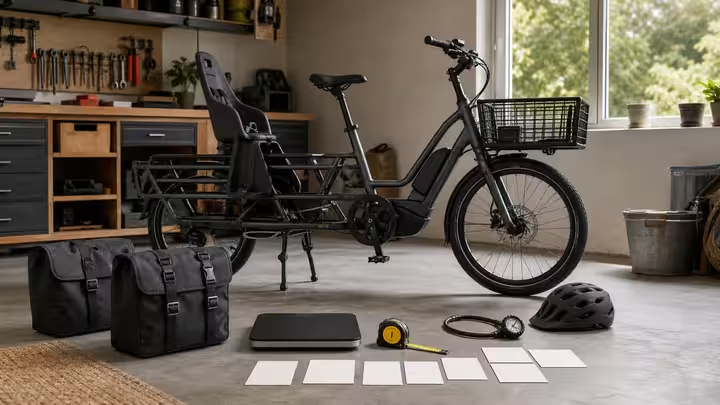
Records help. Keep the model names, manuals, installation date, weight limits, and service notes somewhere easy to find. The Keepers Guild approach works well here: do small inspections early, know when not to DIY, and use professional help before a small uncertainty becomes a passenger risk.
Decide readiness honestly
A passenger setup is ready when the rules are known, the hardware is compatible, the rider can handle the bike under load, the passenger can follow the script, the route has margin, the weather plan is clear, and the maintenance boundary is understood. If one link is weak, fix that link before adding speed, traffic, or a deadline.
This is a conservative standard because passengers deserve conservative systems. The reward is an ordinary ride where the child knows what to do, the rider is not improvising, and the bike feels like transportation rather than a balancing act.