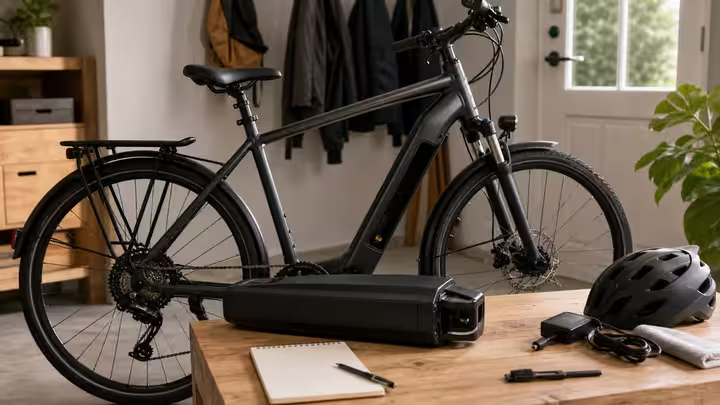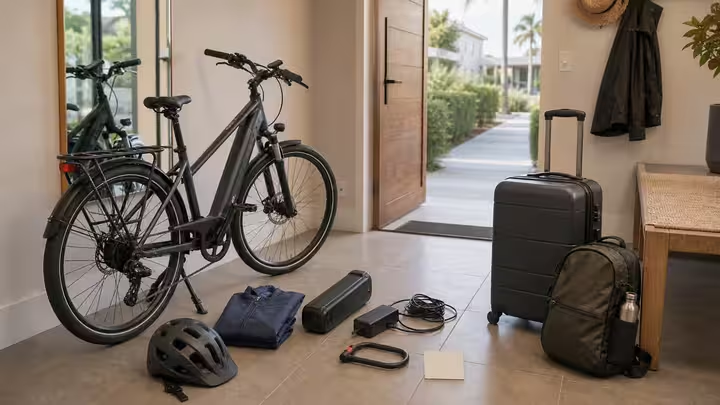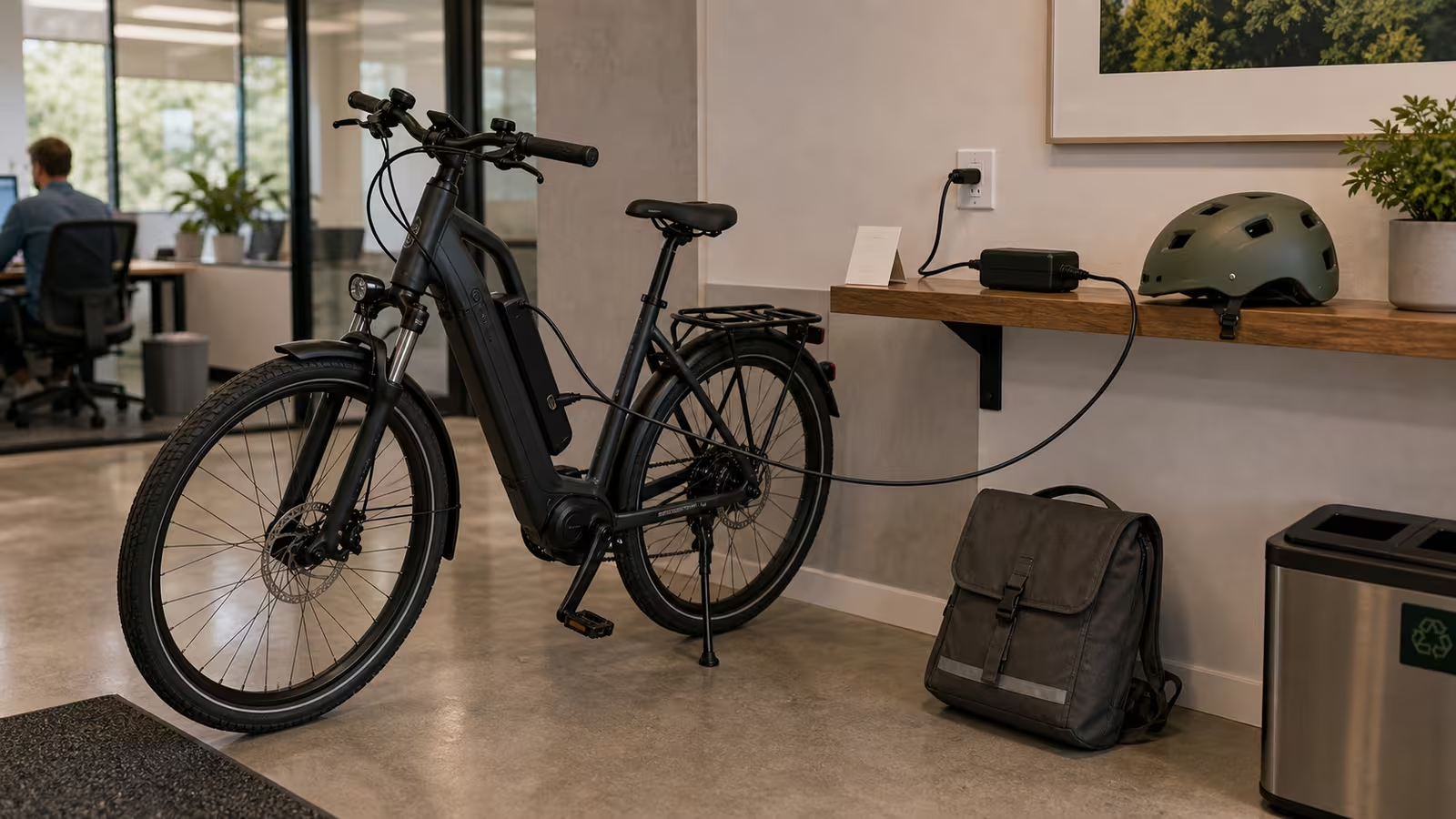
Away-from-home charging sounds simple: find an outlet, plug in, and ride home with more range. In real life it is more complicated. The outlet may belong to a workplace, cafe, garage, campus, station, apartment lobby, or store. The cord may cross a walkway. The charger may sit on a soft surface. The battery may be too hot, too cold, wet, damaged, or not allowed by policy. Charging is useful only when the permission, placement, and battery condition are all right.
Ask before plugging in
An outlet is not an invitation. Ask the property owner, workplace, building manager, security desk, or event organizer before charging. Some places allow it in a designated room. Some prohibit it entirely. Some allow charging only while attended. Some ban batteries indoors. Some outlets are not meant for public use. Get the answer before the commute depends on it.
Save the policy note if the charging place will become routine. A verbal yes from one person may not help when another person asks questions next week. If the rule is unclear, treat it as not ready and use a range plan that does not require charging there.
Use only the right charger
Use the charger approved for the battery. Do not borrow a charger because the plug fits. Do not use damaged cords, mystery adapters, extension chains, or outlets that feel loose, hot, sparking, or unreliable. If the charger or battery behaves oddly, stop and follow manufacturer support.
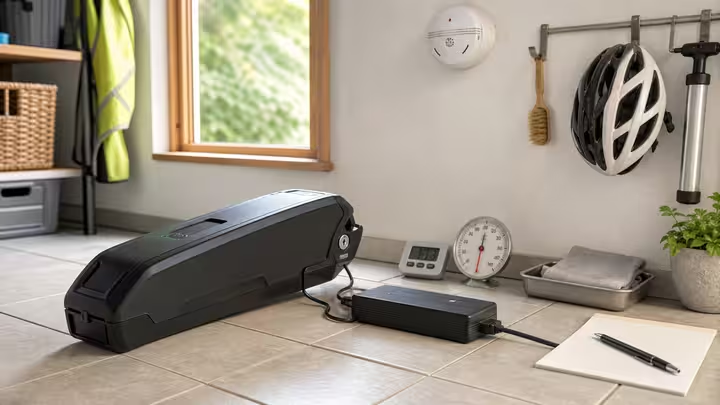
A charger should sit on a clear, hard, dry, stable, ventilated surface. Avoid carpet, couches, paper piles, fabric bags, crowded shelves, wet floors, and closed containers. Public charging should be more conservative than home charging because other people share the space.
Keep cords out of the walkway
Trip hazards are a major away-from-home problem. A cord crossing a hallway, office aisle, garage path, cafe floor, or bike room is not acceptable. Route the cord where people do not walk, or do not charge there. Do not tape cords casually to public floors unless the property has approved a safe method. Do not run cords through doors where they can be pinched.
If the only outlet requires an unsafe cord path, the answer is no. Use the backup plan.
Inspect the battery before charging
Before plugging in, check the battery and charger. Is the battery within the allowed temperature range? Has it been in direct sun, freezing cold, rain, or a crash? Is it visibly damaged, swollen, cracked, hot, wet, corroded, or odd-smelling? Are connectors clean and dry according to the manual? If something is wrong, do not charge.
This check should be boring and fast. It is the same logic as the Battery Care Planner : conservative habits, not panic.
Plan for no-charge days
Away charging should be helpful, not necessary every time. A meeting room may be closed, a policy may change, a charger may be forgotten, or the battery may be too cold to charge. Use the Range Reality Calculator to know whether you can get home without that outlet. If not, identify transit, a shorter route, a lower-assist ride, or another mode before the morning.
Do not let free charging lure you into range plans that fail when the outlet is unavailable.
Respect shared spaces
At work, keep the charger and battery where they do not create clutter, smell, noise, heat concern, or confusion. Labeling may be useful if policy allows it, but keep personal information private. Do not unplug other people’s equipment. Do not occupy a shared outlet all day if others need it. Do not leave a battery unattended where it is prohibited.
In public, be even more restrained. A cafe, library, station, or lobby is not your garage. If staff seem uncertain, do not argue. The charging relationship depends on trust.
Charge by routine, not anxiety
If away charging is allowed, build a routine: arrive, park, inspect battery, place charger, keep cord clear, set a reminder, unplug, pack charger, check return range. Do not leave the charger behind. Do not pack a hot charger into soft bags if instructions say otherwise. Do not create a new hazard because you are late.
Good charging habits make the ride calmer. Bad charging habits make the bike unwelcome.
Rehearse the parking version
Before depending on a work or public outlet, do one low-stakes rehearsal. Ride to the place with enough battery to return without charging. Park the bike where it would actually sit, walk the cable path, identify the hard surface for the charger, and decide where your helmet, bag, and lock will go. This rehearsal often reveals problems that are invisible in theory: the outlet is behind a door, the cord would cross a shared path, the shelf is soft fabric, the room is too warm, or the bike would block access.
Use the rehearsal to ask better questions. Can batteries be charged here, or only bikes with batteries left installed? Is unattended charging allowed? Is there a preferred outlet? Who should be told if the charger trips a breaker, smells odd, or gets hot? What happens during fire drills, cleaning, or building closures? If the answer changes depending on the day, write the conservative version into your range plan.
Also decide the social reset. Unplug on time, coil the cord, remove the charger, leave the outlet area cleaner than you found it, and avoid turning a shared space into a personal charging station. Away charging survives when it is tidy, permitted, and easy for other people to understand.