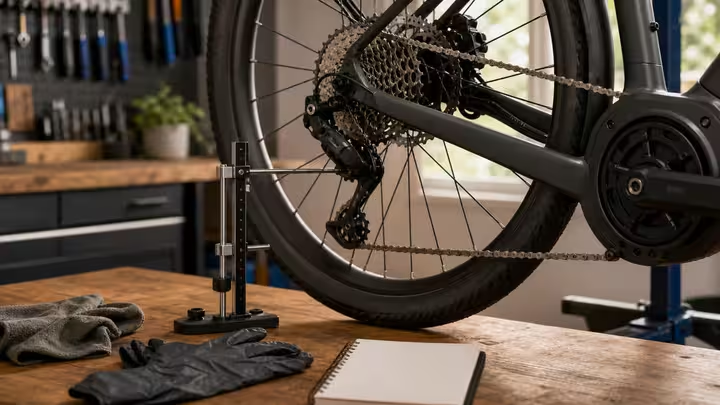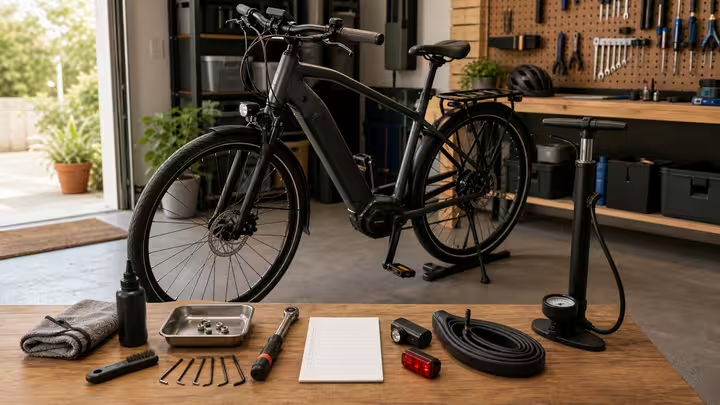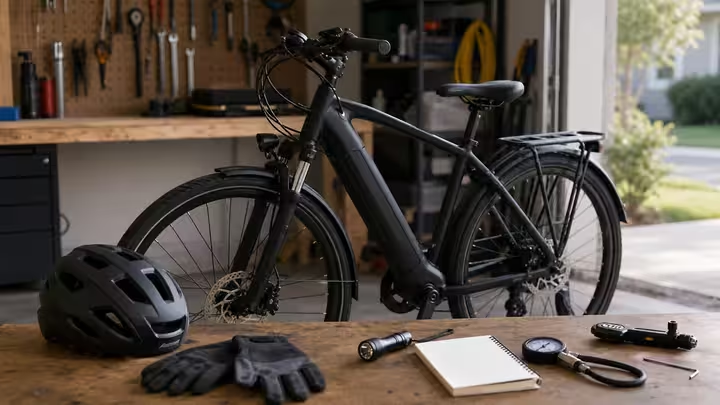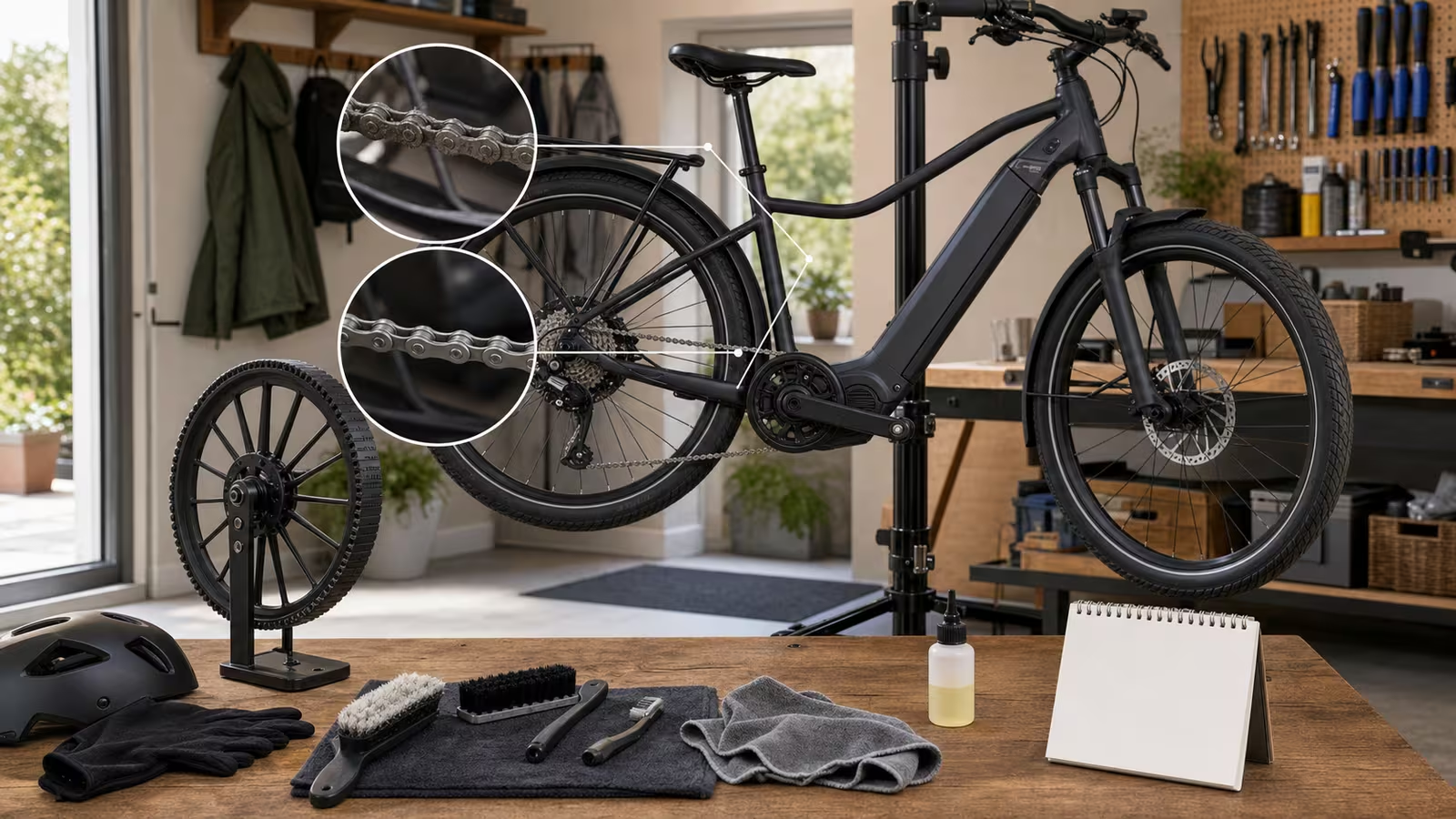
Drivetrain cleaning is one of those tasks that looks simple until the bike in front of you is not the bike in the video. Some e-bikes use chains and derailleurs. Some use belts. Some use internally geared hubs. Some use mid-drive motors that put more load through the chain. Some have hub motors and simpler chain loads. A good beginner routine starts by identifying the system, not by spraying and scrubbing everything in reach.
Identify the drivetrain first
Look at the bike. Does it have a metal chain? A belt? A derailleur at the rear wheel? An internally geared hub? A mid-drive motor near the cranks? A hub motor in the wheel? These details decide the cleaning habit. A chain may need wipe-down and appropriate lubricant. A belt should not be oiled like a chain. A hub gear may have service intervals. A derailleur may expose grit and wear more visibly.
If you are unsure, use the manual or ask a shop. Do not assume that all black moving loops need oil. Wrong cleaning can attract grit, contaminate brakes, or mask a service issue.
Keep lube away from brakes
The most important beginner rule is simple: do not get drivetrain lube on brake rotors, pads, tires, or rims where braking happens. Spray lubes are especially easy to misapply. Use a controlled application if your chain requires lubrication, wipe excess, and shield brake surfaces. A little care here can prevent an expensive or dangerous brake problem.
If you suspect contamination, do not ride normally and hope it burns off. Brake symptoms after cleaning belong in the Brake Pad Wear and Shop Boundaries category. Get advice or service.
Clean chains without making a production
For many chain-drive e-bikes, a beginner routine can be modest: wipe the chain, remove visible grit, apply the correct lube sparingly, let it settle as directed, and wipe off excess. The chain should not be a wet dirt magnet. Wet-weather riding, winter salt, dusty paths, and frequent cargo use may require more frequent care.
Listen for grinding, skipping, stiff links, poor shifting, and chain drop. Mid-drive e-bikes can wear chains and cassettes faster because motor power goes through the drivetrain. If shifting gets rough or the chain skips under load, schedule service before it becomes a hill-start problem.
Treat belts differently
Belt-drive e-bikes are often praised for low maintenance, but low does not mean none. Belts may need correct tension, clean pulleys, alignment, and inspection for damage. They generally should not be lubricated like chains. Follow the belt and bike maker instructions. Grit, stones, misalignment, or improper tension can still cause trouble.
If a belt squeaks, skips, looks damaged, or tracks oddly, do not improvise with chain lube. Get the right guidance. Belt systems can be excellent for commuting, but their care logic is different.
Respect water and pressure
Washing an e-bike is not the same as washing patio furniture. Avoid high-pressure spray into bearings, hubs, motors, displays, battery mounts, connectors, and suspension parts. Use gentle cleaning methods recommended by the bike maker. Remove or protect the battery only as instructed. Dry the bike sensibly before storage and charging.
Winter grit and salt may need more frequent gentle cleaning. After wet rides, wipe the drivetrain area, check for trapped debris, and let the bike dry. A clean bike is easier to inspect, but a soaked electrical system is not an improvement.
Watch cargo and weather wear
Cargo bikes and daily commuters often live harder lives than weekend bikes. They ride in rain, carry heavier loads, and get parked outside stores. Dirt sticks to wet chains. Extra load increases drivetrain stress. Hill starts under cargo can reveal skipping or poor shifting. A child-passenger route raises the standard again because drivetrain failure can strand more than the rider.
Use conditions, not calendar alone. A rainy week may deserve care sooner. A dusty construction detour may justify a wipe after one ride. A quiet dry month may need less. The bike tells you through sound, feel, and visible dirt.
Store cleaning supplies away from charging
Keep solvents, oils, rags, chargers, batteries, and heat sources organized. Oily rags and battery charging do not belong in a careless pile. Use small amounts of product, close containers, and follow disposal guidance. In apartments, this matters even more because storage and ventilation are limited.
The Apartment Storage and Charging guide is relevant even though this is a drivetrain topic. A maintenance corner is part of the home system.
Know when service is the next step
Cleaning is not repair. If the drivetrain skips, grinds, drops the chain, shifts poorly, shows hooked teeth, has a cracked belt, has damaged pulleys, or behaves differently after a crash or wheel removal, stop guessing. A shop can measure chain wear, inspect cassette and chainring condition, check belt tension, and identify alignment issues.
Good beginner maintenance is not doing everything yourself. It is keeping the bike clean enough to see problems, avoiding avoidable damage, and taking the right issues to qualified service.
Make it a reset, not a ritual
After wet, gritty, or long rides, wipe what needs wiping, check what changed, and put supplies away. Record service if parts were replaced. Keep the bike pleasant to touch so you do not avoid small inspections. A drivetrain routine should make the next ride quieter and more reliable, not turn the bike into a project that never leaves the house.
The right system, cleaned the right way, supports the whole e-bike habit: smoother starts, better range, less wear, and fewer surprises under load.