A cargo trailer can turn an e-bike into a serious errand tool. It can also add length, width, rolling resistance, storage needs, hitch questions, and turning surprises. The trailer should not make its first real appearance on a full grocery run or a wet commute. Practice the hitch, turning path, braking, and loading before the trailer is asked to solve a real problem.
Confirm compatibility
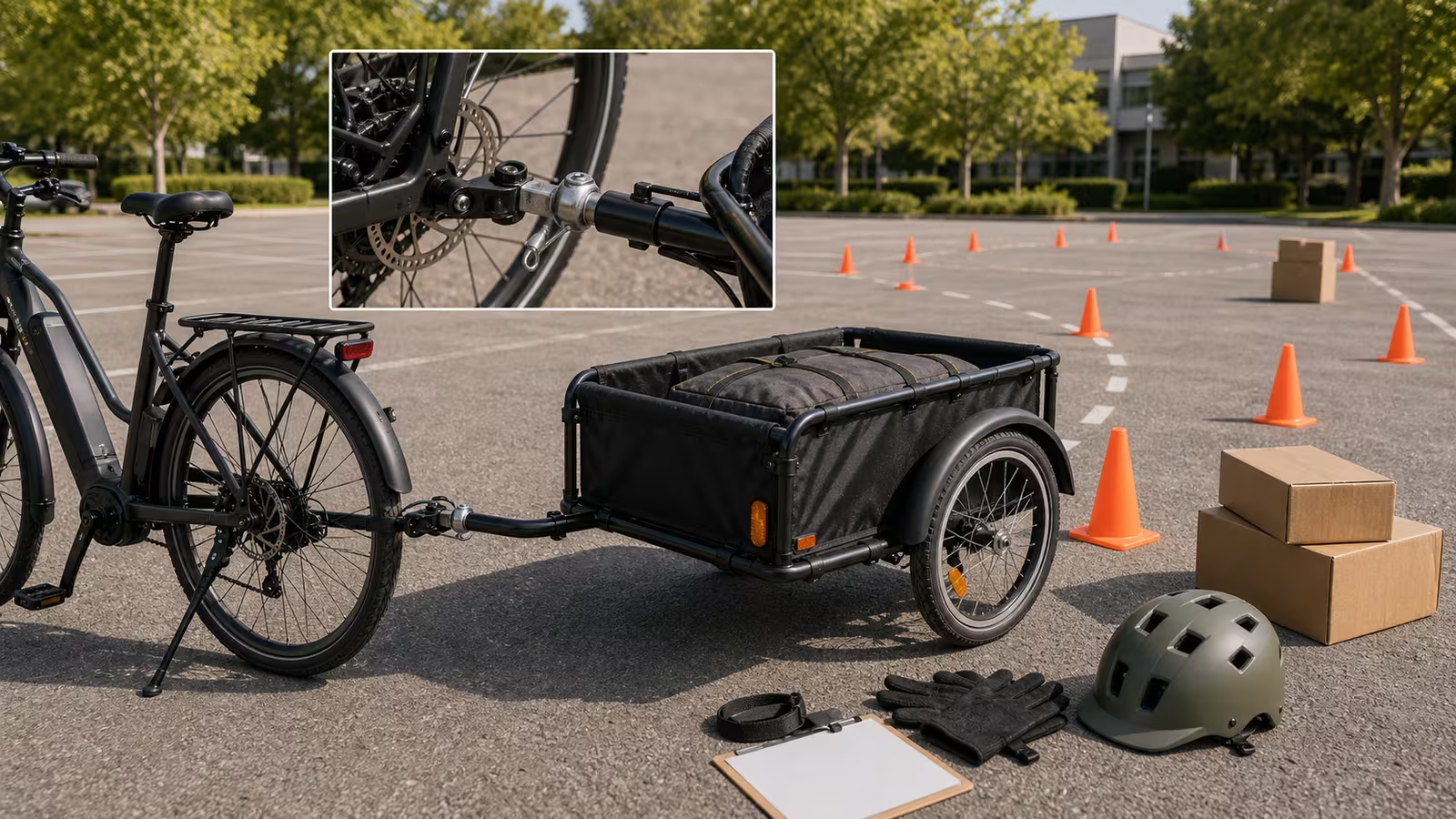
Before buying or borrowing a trailer, confirm that the hitch works with the bike. Axle type, dropout shape, motor hub, torque washers, frame material, fenders, kickstand, and rack hardware can all matter. A hitch that fits a conventional bike may not fit an e-bike with a hub motor or unusual axle.
Do not improvise hitch hardware. Towing loads stress parts differently than normal riding. If the instructions are unclear, use a shop.
Practice empty first
An empty trailer still changes the bike. It tracks behind, cuts corners, bounces, and changes backing up. Practice in a quiet legal space. Start, stop, turn wide, turn tight, walk the bike, and look back. Listen for rattles. Check that the hitch moves as intended and safety straps are attached as instructed.
Only after the empty trailer feels understandable should you add harmless weight.
Learn the turning path
Trailers do not follow the exact path of the bike. They cut inside turns and need more space around posts, curbs, bollards, pedestrians, and parked cars. Set out cones or use painted lines in an empty lot. Watch where the trailer wheels go. Practice U-turns, driveway turns, and slow turns around obstacles.
If the trailer hits cones in practice, it may hit curbs or people in real life. Adjust the route or technique before errands.
Add weight gradually
Start with light boxes or water containers. Keep weight low and secured. Increase only when braking, turning, and walking remain calm. Do not exceed trailer, hitch, bike, or tire ratings. A trailer that can physically hold more than the bike can safely tow is not a useful maximum.
Secure the load so it cannot shift into one corner. A shifting load can change handling mid-turn.
Brake earlier
A trailer adds weight and sometimes pushes during stops. Brake earlier, especially downhill, in rain, or with heavy loads. If braking confidence changes, stop and get service. Do not use a trailer to test weak brakes. Hills deserve extra margin because climbing, descending, and restarting all change with the trailer.
Use Hill Starts and Downhill Braking before towing on hilly routes.
Make visibility obvious
A low trailer may be less visible than the bike. Use flags, lights, reflectors, or markings as allowed and recommended by the trailer maker and local rules. Check side visibility. Check rear visibility after loading. If the trailer blocks the bike’s rear light, add a trailer light or move the light according to instructions.
Other people need to understand that the bike is longer than usual. Ride predictably and leave more room.
Plan storage and parking
Where does the trailer go when detached? Where does it park at the store? Can it be locked? Can it fit in a bike room? Does it block a hallway? Can you bring it on transit? Trailer storage can decide whether the system is practical.
At destinations, avoid blocking sidewalks and racks. A trailer may need a different parking spot from a normal bike.
Keep trailer use specific
A trailer may be perfect for weekly groceries, hardware store trips, laundry, or bulky cargo. It may be wrong for crowded school gates, tight elevators, or daily office parking. Use it where it earns the setup time. Detach it when the route does not need it.
The best trailer routine is deliberate: compatible hitch, practiced turns, stable loads, visible rear, honest braking, and a storage plan.
Recheck after the first loaded errand
The first real trailer errand should be followed by inspection, not celebration alone. Park on a stable surface, unload, and look at the hitch, safety strap, axle area, tires, trailer wheels, reflectors, lights, and cargo tie-downs. Check whether anything loosened, rubbed, rattled, or shifted. If the bike uses a kickstand with the trailer attached, notice whether parking felt stable or awkward. If backing up or turning into storage was difficult, note it before the memory fades.
Ask whether the load belonged in a trailer at all. Some cargo is too fragile, too tall, too heavy, or too awkward for the route. Some errands are better with panniers, a longtail, delivery, or a car share. Trailer ownership should not pressure every bulky trip into trailer use.
Update the route note with trailer-specific information: wide turns, bad curb cuts, narrow gates, steep starts, poor racks, and places where the trailer made other people uncertain. Local rules, trail access, building policies, and transit rules may treat trailers differently from normal bikes. The first loaded errand should improve the second one.
If anything felt unstable, do not keep experimenting under load. Return to unloaded practice or get qualified help. Trailer confidence should come from compatible hardware and boring repetition, not from hoping the next turn goes better.
Store the trailer routine with the bike records. Include hitch parts, torque or installation notes from the manual, weight limits, tire pressure, light placement, and the route where practice happened. If another rider borrows the trailer later, those notes prevent them from treating it like a simple basket with wheels.