Cargo is where e-bikes stop being abstract transportation and start changing errands. The same motor that makes a hill feel reasonable can make groceries, school bags, library books, work clothes, sports gear, and a tired afternoon feel possible. That usefulness is real. It is also where handling, braking, parking, range, child passenger rules, and storage get more serious.
The first cargo rule is not “carry more.” It is “carry what this bike can handle predictably.” A stable, boring load is a success. A dramatic load that barely works in the driveway is not a daily system. The setup should let you start, stop, turn, park, lock, unload, and walk away without needing perfect balance or luck.
Start with the load shape
Every load has shape, not just weight. A gallon of milk is dense and low. A backpack is tall and lumpy. A pizza box is wide and awkward. A child is active, precious, and governed by rules. A dog, if carried at all, needs a purpose-built setup and calm practice. A week’s groceries are not the same as one forgotten onion. Treat each category differently.
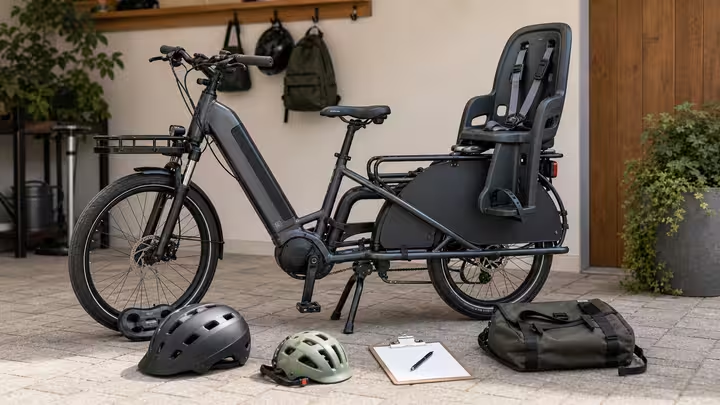
Before choosing accessories, name the recurring loads. If the bike mostly handles one laptop and lunch, a waterproof pannier may be enough. If it handles a school run, you may need child-rated seating, foot protection, weather cover, passenger handholds, and a loading routine. If groceries are the goal, low panniers or a front box may beat a tall rear crate. If the route includes stairs, a trailer may solve carrying but create storage problems at home.
Low and centered beats impressive
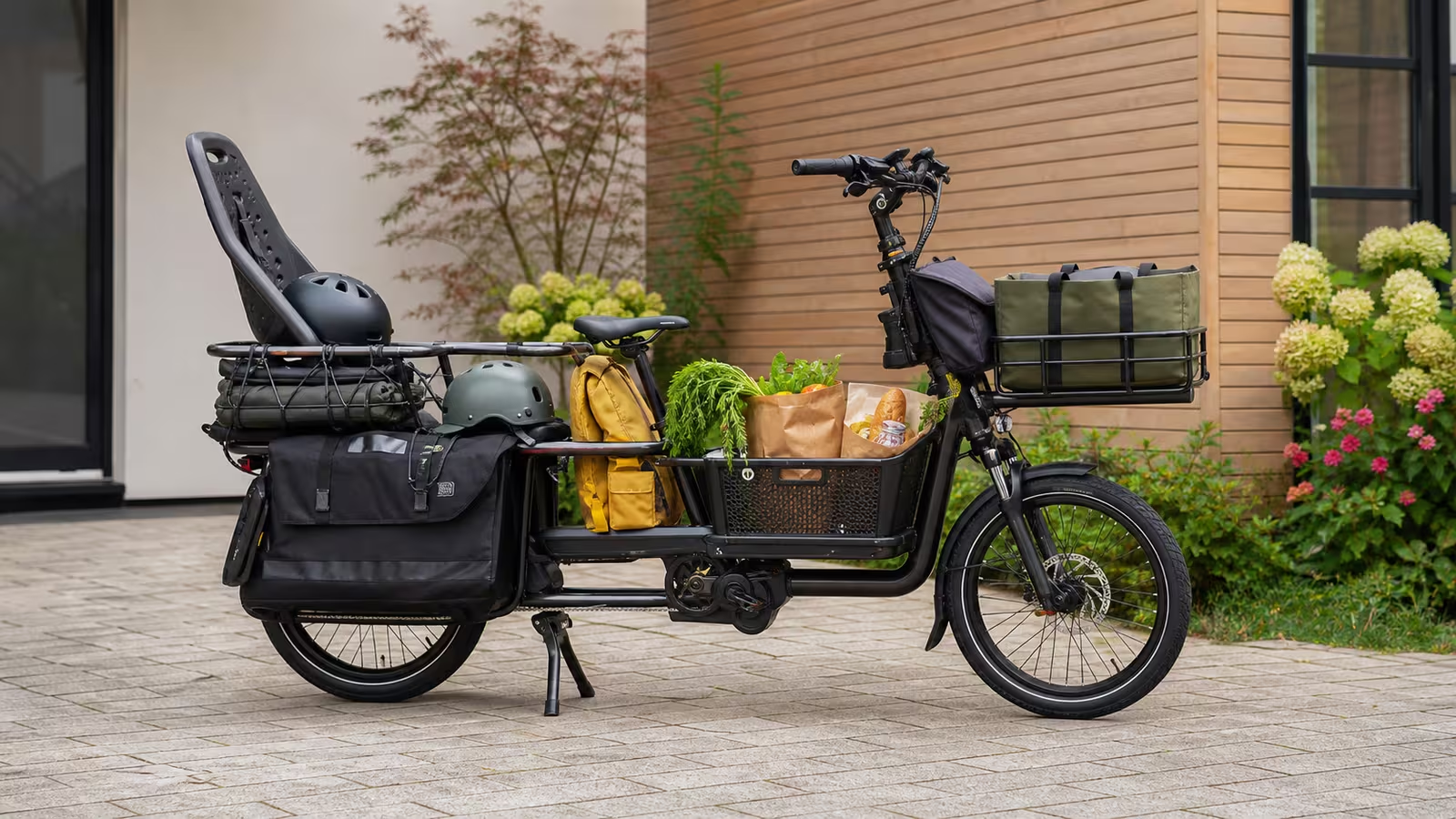
The safest-feeling cargo is usually low, centered, and secured. Panniers keep weight near the wheel axle. A front basket can be convenient for light items but can affect steering if overloaded. A rear rack can work well for modest loads, but high stacks make the bike feel top-heavy. Longtail bikes can carry more, but their extra capacity depends on correct racks, bags, decks, passenger systems, and kickstands.
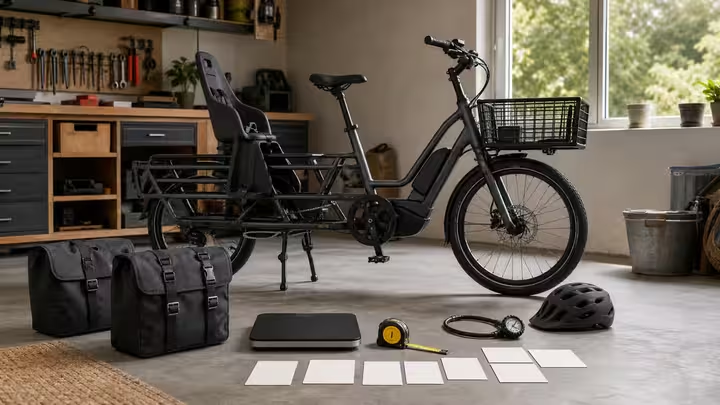
Do a parking-lot test with a harmless load. Start, stop, turn, dismount, put the bike on the stand, take the bike off the stand, and walk it by hand. Try a gentle hill if the route has hills. Listen for straps, bags, or loose fabric. Look down and make sure nothing can reach spokes, disc rotors, chain, belt, tire, or pedals. If the load shifts during the test, it will shift more when you are distracted.
Groceries need containment
Grocery loads fail when they become many small loads. A bottle rolls. A leafy bunch catches wind. A soft bag swings into the wheel. A glass jar knocks against another jar. Frozen food sweats into paper. Eggs dislike potholes. The cargo setup should reduce all of that before you leave the store.
Use two smaller bags instead of one tall one when side balance matters. Put dense items low. Keep crushable items high but contained. Bring a bungee net or internal straps only if they cannot dangle into moving parts. Do not hang grocery bags from handlebars. If you use a front rack or basket, keep steering light enough that the bike still tracks calmly at low speed.
School runs are routines, not stunts
A school run adds time pressure, small human unpredictability, bags, weather, traffic, and rules. Practice without the child first. Then practice loading and unloading in a quiet place. The child should know where feet, hands, straps, helmet, rain cover, and backpack go. The adult should know whether the bike remains stable on the stand during loading, whether the child can accidentally touch a wheel, and whether the route has a safe place to stop if something feels wrong.
Respect school policies. Some campuses have rules about where bikes enter, where they park, and how drop-off lines work. A cargo bike may be wide or long enough to need a different approach than a solo bike. It is better to ask and build a calm script than to improvise in a crowd of cars and children.
Weather changes cargo design
Rain does not only wet the rider. It wets bags, seat pads, groceries, homework, helmets, and straps. A load that is fine in dry weather may become slippery or heavy when wet. Cold can make hands slower while buckling straps. Wind can catch boxy covers, tall bags, ponchos, and front loads.
Plan weather as part of the cargo setup. Use pannier liners, dry bags, or covered boxes for paper and electronics. Keep a small towel where you unload. Choose rain covers that do not interfere with visibility, steering, braking, or passenger breathing space. If a cover flaps, looseness is not just annoying. It can distract the rider and stress the passenger.
Parking and locking are part of cargo
The bigger the cargo setup, the more parking matters. Longtails, front loaders, trailers, and wide bags do not fit every rack. A trailer may need to be removed and locked separately. A child seat may block some locking positions. A big front box may make narrow racks unusable. Heavy groceries may force you to lock while the bike is loaded, which changes risk.
Choose stops with unloading in mind. Can you park without blocking pedestrians, wheelchair users, strollers, doors, ramps, fire access, or other bikes? Can you lock the frame to a fixed object without balancing a child or groceries awkwardly? Can you bring the battery or bags inside if theft risk is high? Cargo biking is more welcome when the setup does not create a problem for everyone else.
Range, brakes, and maintenance all change
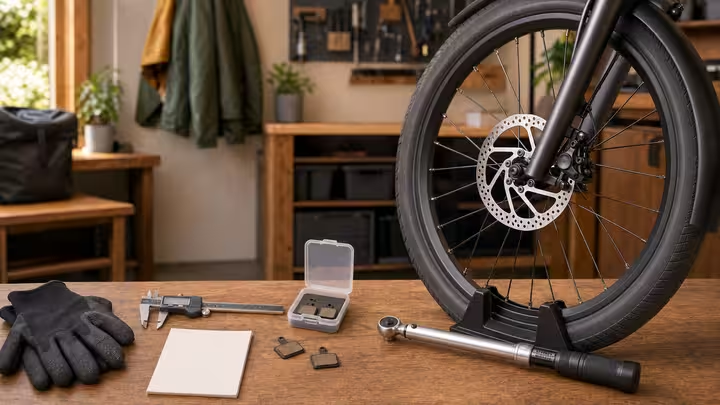
Weight spends range and brakes. It can also reveal weak maintenance habits. If the bike feels slow with cargo, check tire pressure within the rated range before blaming the motor. If braking feels longer, do not normalize it. Heavy e-bikes and cargo bikes ask a lot from brakes. Squeal, pulsing, weak stopping, rubbing, or sudden changes deserve attention from a qualified mechanic.
Cargo also stresses stands, racks, bolts, spokes, tires, and bags. Build a simple check: tires, brakes, rack bolts, bag hooks, straps, lights, stand, and nothing near moving parts. This check should happen more often if the bike carries children or heavy errands.
Use the smallest setup that works
It is easy to overbuild. A full cargo bike may be perfect for school runs and big errands, but a commuter e-bike with two panniers may be better for one person’s groceries and work gear. A trailer may be useful if you only need bulk occasionally. A front basket may solve the daily problem if the daily problem is a sweater, lock, and lunch.
The best cargo setup is the one you actually use because it is stable, legal where you ride, easy to park, easy to store, and matched to the route. Let the ordinary load choose the accessory, not the other way around.
Related guidebooks
- The E-Bike Workshop Quickstart: Make the Bike Part of Real Life
- Range Reality Planning: Stop Trusting the Perfect Number
- Lock Risk Checklist: Match the Lock to the Stop
- Tiny Homes for tight storage and entry zones.
- Keepers Guild for inspection habits and repair boundaries.