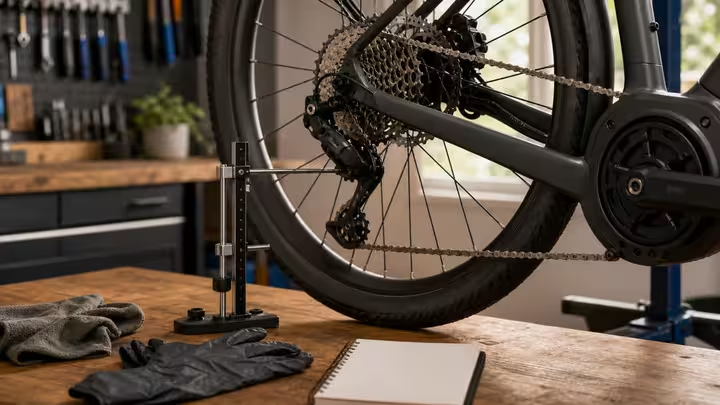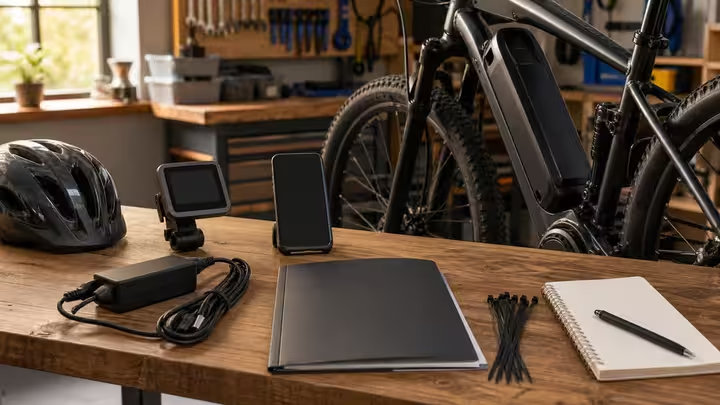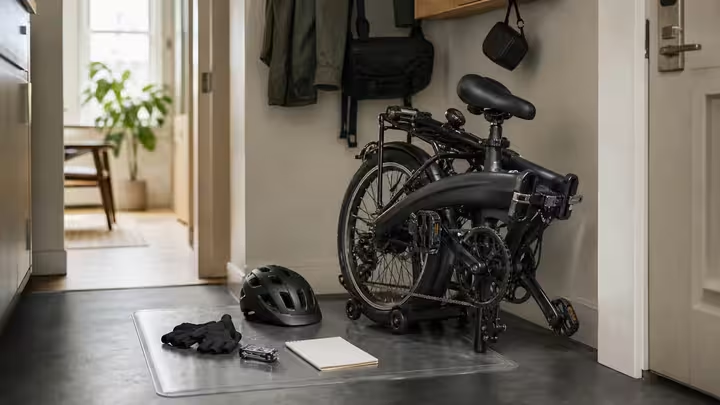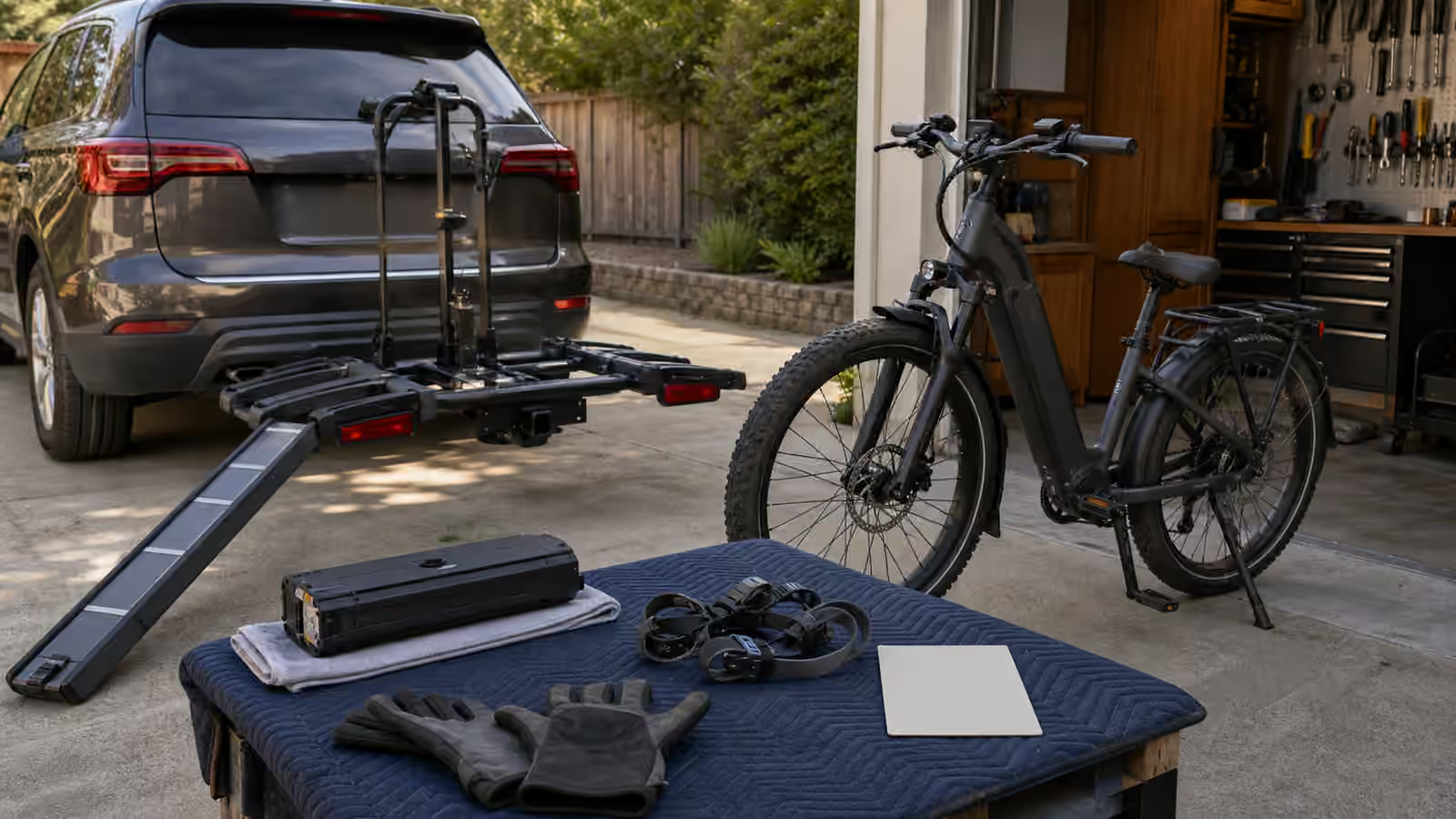
Transporting an e-bike by car often looks simple in a product photo. The bike sits on a rack, the road is dry, and nothing is moving. Real transport is less tidy. E-bikes are heavy, often longer than standard bikes, sometimes awkward to lift, and full of parts that should not be clamped, dragged, cooked in sun, soaked in road spray, or trusted to a rack that was designed for much lighter bicycles.
A good vehicle transport plan starts before the bike reaches the bumper. It asks whether the rack can carry the actual bike, whether the vehicle can carry the rack and load, whether the battery should be removed, whether the wheelbase and tires fit, whether the rider can lift safely, and whether the bike will arrive ready to ride.
Start with the real loaded weight
Rack ratings can be confusing because several limits overlap. A rack may have a total capacity and a per-bike capacity. A hitch may have a tongue-weight rating. The vehicle may have its own limit. An adapter, extension, swing-away arm, or spare-tire mount may reduce the allowed weight. The bike’s advertised weight may not include the battery, lock, bags, child seat, bottle, mirrors, or accessories.
Weigh or estimate conservatively. If a bike weighs sixty-five pounds before accessories and the rack is rated for sixty pounds per tray, the answer is not close enough. If two bikes together exceed the total rack capacity, the fact that each tray looks strong does not change the rating. If the rack manual excludes fenders, step-through frames, long wheelbases, fat tires, or certain frame materials unless a specific method is used, take that seriously. Transport loads bounce, sway, and vibrate in ways that a parked rack does not reveal.
Remove what should not travel outside
Many e-bike owners remove the battery before vehicle transport when the manufacturer recommends it or when weather, theft, weight, or rack handling makes removal sensible. Removing the battery can reduce lift weight and protect the pack from vibration, road spray, heat, and opportunistic theft. It also creates a new responsibility: carry the battery inside the vehicle in a stable, protected place where it will not slide, overheat, get crushed, or short against metal objects.
Do not remove parts casually if the manual says not to, and do not leave a battery mount exposed to heavy rain or grit without understanding the manufacturer’s guidance. Displays, bags, lights, pumps, loose straps, and child accessories may also need to come off before highway travel. The transport plan should make the bike simpler and quieter, not turn it into a collection of flapping parts.
Lifting is part of the system
An e-bike that is easy to ride can still be hard to lift. A high hitch rack, awkward frame, loaded cargo bike, or rider with back or shoulder limits can make loading risky before the drive begins. A ramp, lower tray, second person, or different vehicle plan may matter more than a stronger rack. If lifting the bike requires twisting, rushing, or balancing it halfway onto a tray, the setup is already asking too much.
Practice loading at home before the trip. Wear gloves if they help. Know where you can hold the frame without grabbing a cable, brake rotor, display, fender, or delicate accessory. Keep the front wheel controlled so the handlebar does not swing into the car or your face. If the rack uses a ramp, learn how it attaches and where it stores. A ramp that is too steep, slippery, or wobbly can become its own problem.
Avoid bad contact
Rack contact should match the rack design and bike instructions. Some racks hold tires. Some clamp a frame tube. Some use arms over a tire. Some need adapters for step-through frames. Carbon parts, hydraulic hoses, cables, fenders, displays, brake rotors, and battery housings can be damaged by poor clamping or careless straps. Do not assume that padding a questionable contact point makes it correct.
Wheelbase and tire size matter too. A longtail, front-loader, fat-tire bike, or compact cargo bike may not sit in standard trays. A front fender can interfere with a tire hook. A heavy rear rack can shift balance. If the bike is not seated fully in the trays, if the strap angle is strange, or if a wheel wants to hop, stop and solve the fit rather than adding more tension to a bad position.
Straps should quiet the bike, not rescue the rating
Straps are useful when they secure wheels, prevent handlebar flop, and keep the bike from swaying within the rack’s intended design. They are not a way to exceed the rack rating or compensate for a tray that does not fit. Use straps that are in good condition and placed where they cannot rub brake rotors, spokes, cables, painted edges, or battery mounts. Keep loose ends from whipping in the wind.
After securing the bike, shake the rack and bike the way the rack manual suggests. Look from the side and rear. Check that lights, license plates, and visibility requirements are handled according to local rules. Do not rely on a single quick glance from the driveway. Highway wind, potholes, turns, and stops will test the setup harder than the parking lot did.
Road spray and weather count
A bike on the back of a car may see more water, grit, salt, and turbulence than it sees on a normal ride. Covering the bike is not automatically better because covers can flap, trap water, obscure lights, or add wind load beyond what the rack expects. Follow the bike and rack instructions. In wet, salty, or dusty travel, plan for cleaning and inspection at arrival.
Protect open connectors as the manufacturer recommends. Keep the charger and removed battery inside. If the bike arrives soaked or gritty, do not immediately plug things in or pressure-wash the mess away. The Cleaning Without Pressure Washing guide has the calmer reset: gentle cleaning, drying, and attention to the places water should not be forced.
Inspect before the destination ride
Arriving is not the end of transport. Before riding, check the bike as if the drive was a rough handling event. Make sure wheels are seated, brakes feel normal, rotors are not bent, straps did not damage cables, the battery seats correctly, displays and lights work, fenders do not rub, and accessories are secure. If anything sounds or feels different, solve it before riding into unfamiliar terrain.
This is especially important when the transport was for a vacation, trail ride, repair visit, or used-bike pickup. The destination may be the place where excitement is highest and attention is lowest. A two-minute check can catch a loose axle, rubbed cable, twisted handlebar, or missing strap before the bike becomes harder to manage.
Choose not to transport when the setup is wrong
Sometimes the practical answer is a different plan. Rent a bike at the destination. Use a shop pickup. Borrow a suitable rack. Remove accessories and carry fewer bikes. Take a different vehicle. Ride from home. Transporting an e-bike is not a test of commitment. It is a ratings and handling problem, and the right solution is the one that keeps the bike, vehicle, rider, and other road users within a defensible margin.
For buying and ownership context, pair this guide with Used E-Bike Buying Checklist and Warranty, Manual, and Recall Records . A bike that cannot be transported by the rack and vehicle you actually own may still be a great bike, but it is not a small detail.