E-bike spending can drift quickly. A rider buys a bike, then discovers locks, lights, bags, fenders, rain gear, tire supplies, child seats, service, insurance, and storage hardware. The result can feel like a second purchase. A budget ladder keeps spending tied to the routine. The question is not what would be nice. The question is what weak link stops the next ride from happening safely and calmly.
First tier: stop, be seen, lock, and roll
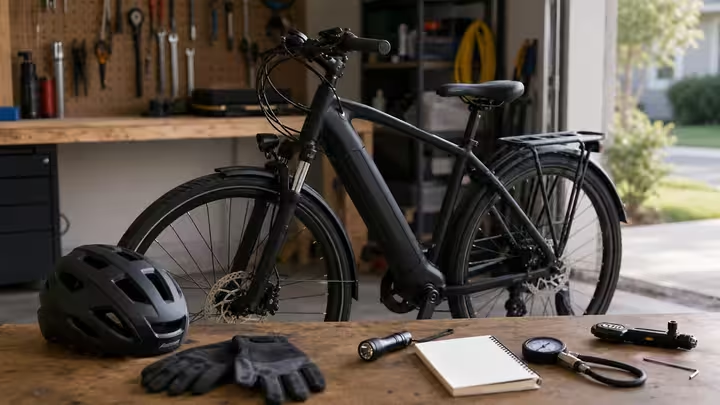
The first tier covers basics that make routine rides possible: functional brakes, appropriate tires, lights, reflectors where required, helmet where required or chosen, lock plan, tire pump, and battery charger safety. If any of these are weak, they outrank comfort and style. A bike that cannot stop confidently or be locked at the destination is not ready.
This tier may include professional service. Paying a mechanic to fix brakes or inspect a used bike can be the best upgrade.
Second tier: weather and cargo
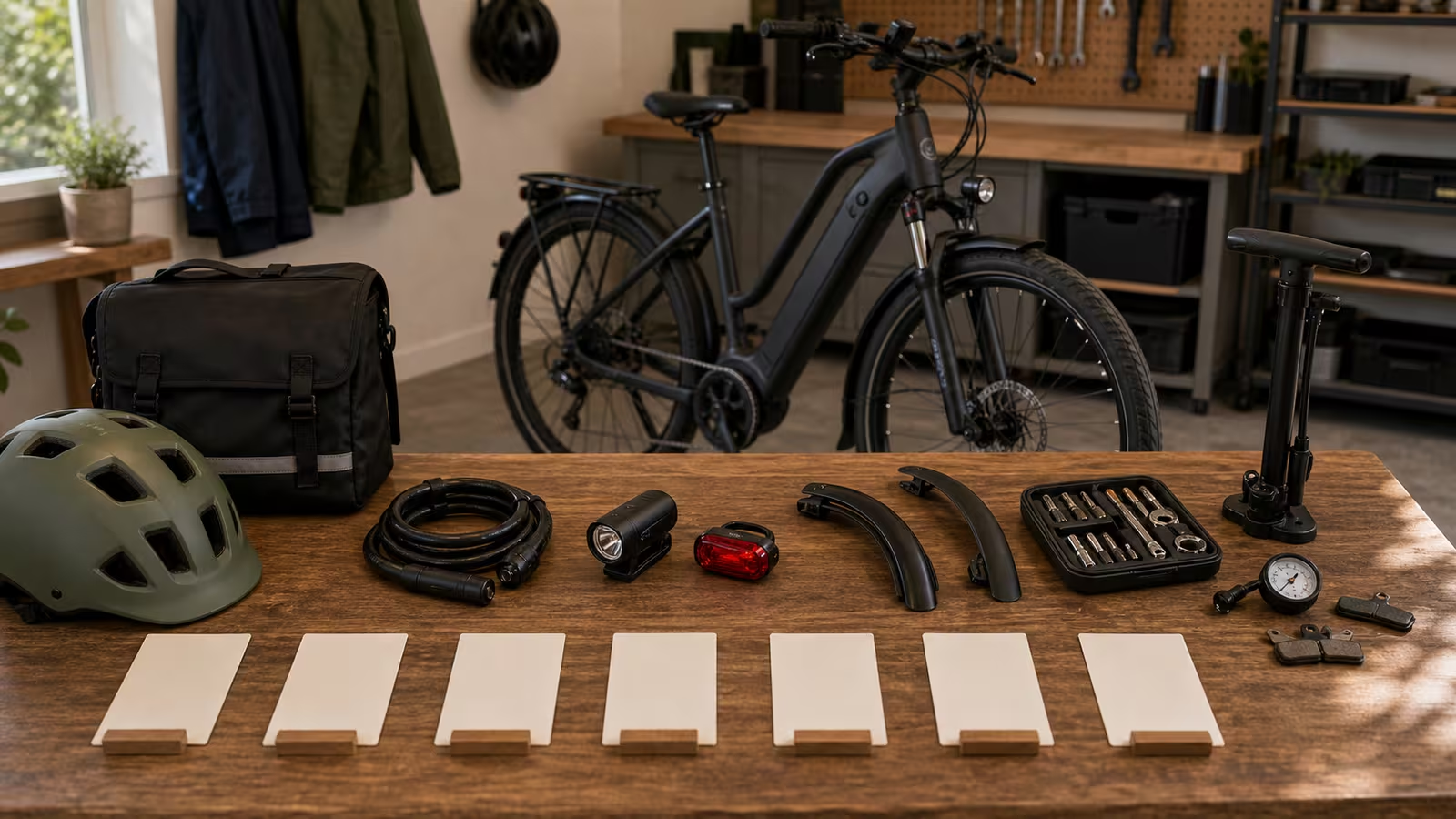
Once the bike can safely do the route, upgrade what makes rides repeatable: fenders, waterproof bags, rain shell, gloves, panniers, basket, crate, or cargo straps. These purchases should match the trips you actually take. Do not buy a trailer for a fantasy bulk run if your weekly problem is a laptop in the rain.
Weather and cargo upgrades often replace excuses. If wet feet stop the commute, solve wet feet. If groceries wobble, solve the bags.
Third tier: comfort and fit
Comfort upgrades matter when discomfort prevents riding: saddle, grips, pedals, mirror, bar position, clothing layers, or eyewear. Change one thing at a time. Keep the original part if return is possible. Do not assume a more expensive saddle solves every fit issue. Sometimes route, tire pressure, or riding position matters more.
If pain, numbness, balance, or medical concerns are involved, involve qualified support. Comfort spending should respect the rider’s body, not chase generic reviews.
Fourth tier: convenience
Convenience upgrades include nicer bags, extra chargers where allowed, phone mount, premium lights, storage hooks, cargo covers, and upgraded tools. These can be valuable when the first tiers are solved. They are weaker purchases when the bike still lacks a strong lock, fenders for a rainy commute, or brake service.
Convenience should reduce daily decisions. If it adds clutter, it is not yet an upgrade.
Price the whole routine
Budget for service, not only objects. Tires wear. Brake pads wear. Chains wear. Batteries age. Cargo accessories loosen. Lights need replacement. A realistic e-bike budget includes maintenance and occasional shop help. The Maintenance Rhythm guide can help identify recurring costs.
Used-bike buyers should be especially careful. A low purchase price can hide immediate service, battery, charger, and lock costs.
Avoid upgrade stacking
Do not buy five accessories before testing the first two. Each item changes the bike. A new rack changes bags. A child seat changes panniers. A phone mount changes cockpit space. Upgrade, test, then decide. Stacking purchases can create incompatibility and waste.
Keep packaging and receipts until the setup works. Return what does not earn its place.
Use a thirty-day review
After thirty days, list the rides that happened and the rides that failed. The failed rides reveal the next upgrade. If you skipped rain days, fenders and rain gear move up. If you avoided grocery trips, cargo moves up. If you worried about theft, lock and parking scouting move up. If the bike felt sluggish, tires and pressure move up.
Spending becomes clearer when it follows evidence.
Leave room for no-buy fixes
Some upgrades are habits: better route, earlier charging, moving the light, drying gloves, recording serials, checking pressure, or asking the workplace about parking. Do these before assuming a purchase is needed. The cheapest useful upgrade is often a routine.
Spend where the routine breaks. Everything else can wait.
Put upgrades in a waiting list
Keep a waiting list with three columns: problem, possible fix, and evidence. “Hands cold on three morning rides” is evidence. “Saw premium gloves online” is not. “Could not lock frame at grocery rack twice” is evidence. “New lock looks serious” is not. This simple list slows impulse spending without ignoring real friction.
Give each possible upgrade a delay. Safety-critical service should not wait, but convenience purchases can sit for a week or a month. If the problem keeps recurring, the upgrade moves up. If the problem disappears after a route change or habit fix, the purchase moves down. The delay also helps discover compatibility questions before money is spent.
Include non-product fixes on the same list: ask workplace about parking, move the charger, adjust tire pressure, dry rain gear properly, scout a calmer route, review local rules, or schedule brake service. Seeing habits next to products keeps the budget tied to outcomes.
When you do buy, record why. After thirty days, ask whether the upgrade solved the named problem. If it did, the ladder worked. If it did not, learn from the mismatch before buying the next item. E-bike spending becomes much saner when each purchase has a job and a review date.
Share the ladder with anyone else who uses the bike. A household can waste money when one rider buys comfort accessories while another is avoiding the bike because the lock is weak or the rain gear is missing. A visible priority list turns budget decisions into a practical conversation about the next blocked ride.