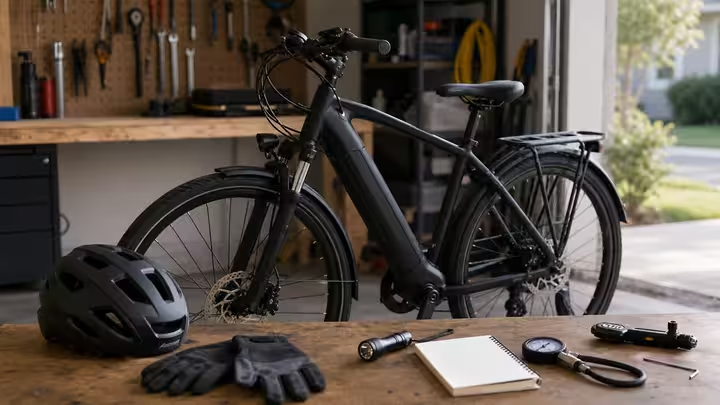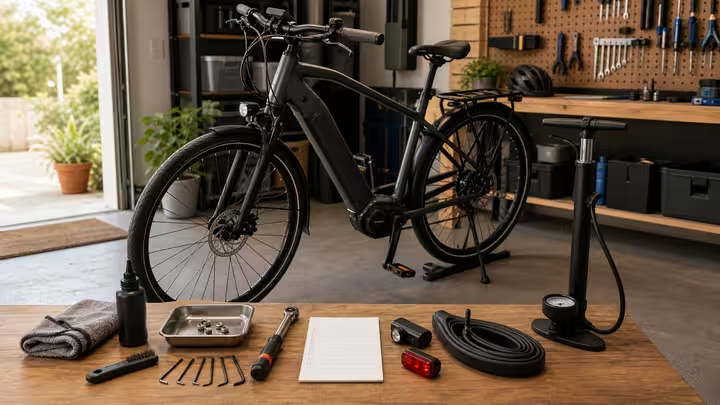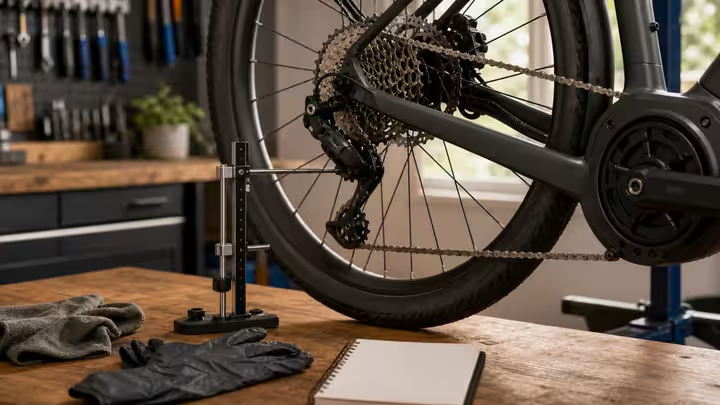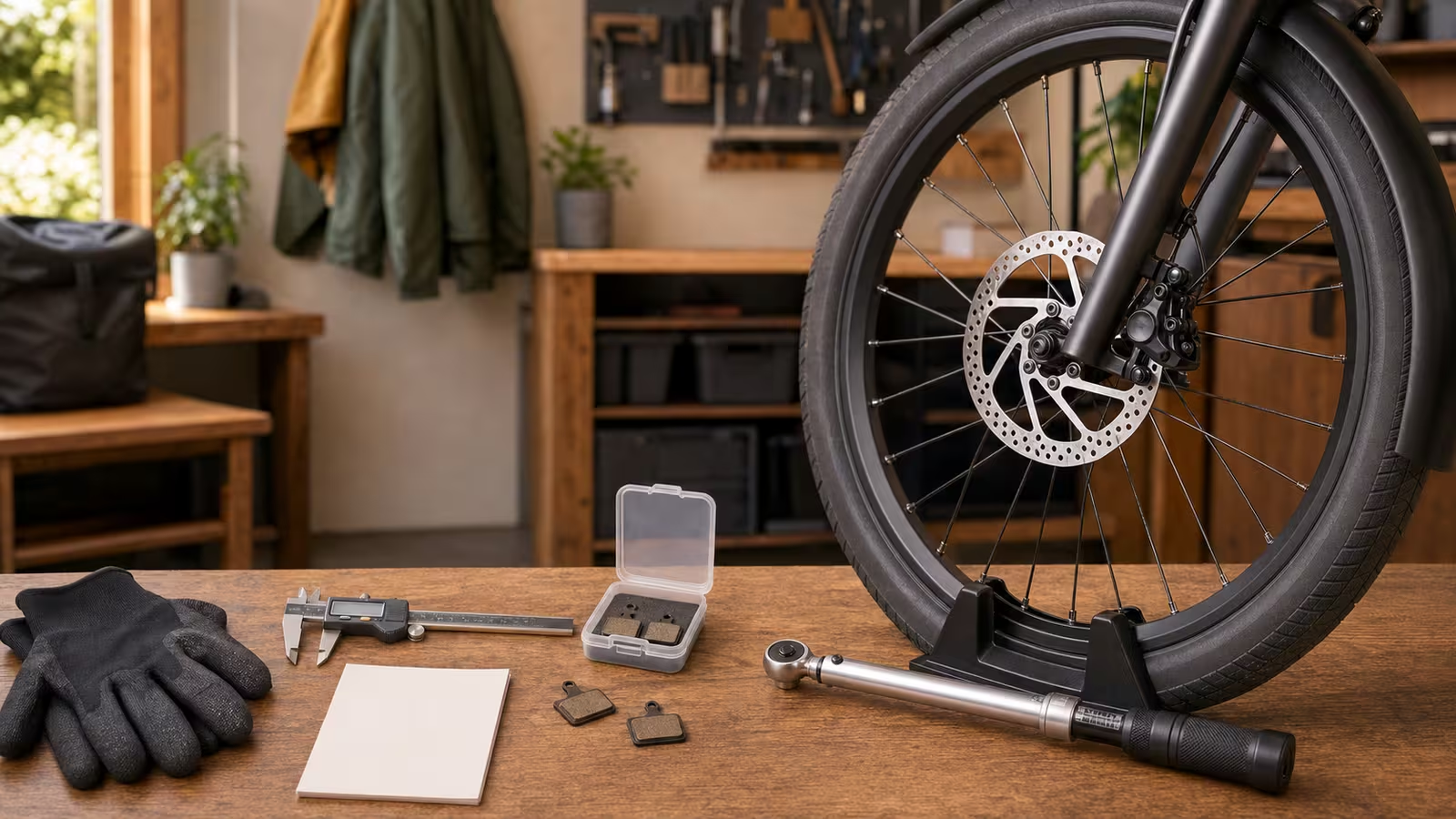
Brakes are one of the clearest places for beginner humility. An e-bike is heavier than many ordinary bicycles, often ridden faster, and frequently asked to carry groceries, children, work gear, or hills. A rider does not need to become a brake technician to be responsible. The beginner job is to notice changes early, understand obvious stop-use signals, keep records, and use a qualified mechanic before uncertainty becomes a ride.
Notice change before failure
Brakes usually give clues before a ride becomes obviously unsafe. The lever may pull farther than usual. The bike may take longer to stop. A brake may rub, pulse, squeal, scrape, grind, or feel weak. The wheel may not spin freely. A cable may fray. A hydraulic system may show fluid or feel spongy. A rotor may look bent or deeply scored. A pad may be visibly thin if the design allows inspection.
The practical rule is simple: if braking confidence changes, stop treating the bike as normal. You can roll it carefully to a safe place, inspect within your ability, and contact service. Do not add a passenger, cargo, hills, or wet weather to a brake mystery.
Understand why e-bikes are demanding
Weight and speed matter. A heavier bike carrying a rider, battery, accessories, panniers, and groceries asks more from brakes than a light city bike. A cargo bike with a child passenger asks more again. Long descents add heat. Rain and grit change feel. Winter salt and dirt can accelerate wear. Frequent stop-and-go commuting may wear pads faster than occasional weekend paths.
This does not mean e-bikes are fragile. It means service intervals should match use. If you ride daily, carry loads, descend hills, or use the bike in wet grit, brakes deserve regular attention. The Maintenance Rhythm guide gives a broader weekly structure.
Do not clean brakes casually
Brake surfaces can be contaminated by oils, sprays, lubes, cleaners, and dirty rags. A chain-lube overspray onto a rotor can turn into a braking problem. A well-meaning wipe with the wrong product can make pads noisy or weak. Keep drivetrain lube and cleaning products away from rotors and pads. Follow brake maker instructions for cleaning.
If pads are contaminated, worn, or damaged, a beginner should be cautious about homemade fixes. Brakes are not a good place for internet improvisation. Write down what happened and get help.
Check pads as part of a rhythm
Some brake designs make pad inspection easier than others. Learn what your manual says can be inspected by the owner. If the pad material is near the minimum, uneven, damaged, glazed, contaminated, or unknown, schedule service. If you cannot see or understand the pad condition, ask a mechanic to show you during a service appointment.
Keep a service note. Date, mileage if available, pad replacement, rotor replacement, cable or hydraulic service, and symptoms. Records help you understand whether the bike eats pads quickly, whether wet-weather riding changed wear, or whether one brake needs repeated adjustment.
Treat noises as clues, not verdicts
Brake noise can mean many things. Some squeal is annoying but not always dangerous. Some grinding is urgent. Some rub comes from a wheel not seated correctly, a bent rotor, debris, or adjustment. The beginner should not diagnose by sound alone. Combine sound with feel, stopping distance, visual inspection, and service history.
If the sound appears after a crash, wheel removal, heavy load, wet descent, or cleaning product mistake, be stricter. If the brake feels weaker, the lever changes, or the bike pulls oddly, stop using it normally. A noise that comes with changed performance is not just a noise.
Cargo and passengers raise the boundary
Before carrying a child or heavy grocery load, brakes should feel known. Check them before the trip. Practice stops with harmless weight. Avoid using a new passenger routine to discover that a rear brake is weak. If a longtail, trailer, or front-loader feels hard to stop smoothly, use a mechanic familiar with cargo bikes.
The Child Seat and Passenger Readiness guide treats braking as part of passenger readiness because it is. A passenger setup is not ready when the rider is hoping the brakes are fine.
Descents deserve service confidence
A bike that stops acceptably on flat streets may feel different on a long descent. Heat, speed, rider weight, cargo, and surface condition matter. If a route includes repeated downhills, learn the bike’s service needs and brake type. Do not wait for fade, smell, pulsing, or panic to discover the limit.
The Hill Starts and Downhill Braking guide focuses on practice, but practice assumes the brakes are in good condition. Skill cannot compensate for a brake system that needs work.
Make the shop conversation specific
When you contact a shop, describe symptoms clearly. Which brake? What changed? When did it start? Wet ride, crash, wheel removal, new load, long descent, or cleaning? Does the lever pull farther? Does the bike stop slower? Is there rubbing, pulsing, grinding, or visible damage? Bring photos or service records if useful.
Specific information helps the mechanic. It also helps you learn. Ask what to watch for next time and what service interval fits your use. The goal is not to outsource attention; it is to combine owner observation with qualified work.
Use the stop-use rule without drama
Stop normal riding when brake feel changes, braking distance increases, levers behave oddly, fluid appears, cables fray, rotors are damaged, pads are worn or unknown, or a brake problem appears before cargo or passenger use. This is not panic. It is the correct boundary for a system that decides whether the bike can stop.
Brake care becomes manageable when the rule is clear: inspect what you can, record what changed, avoid contaminating parts, and let qualified service handle uncertain work. A beginner who knows when not to guess is already doing maintenance well.