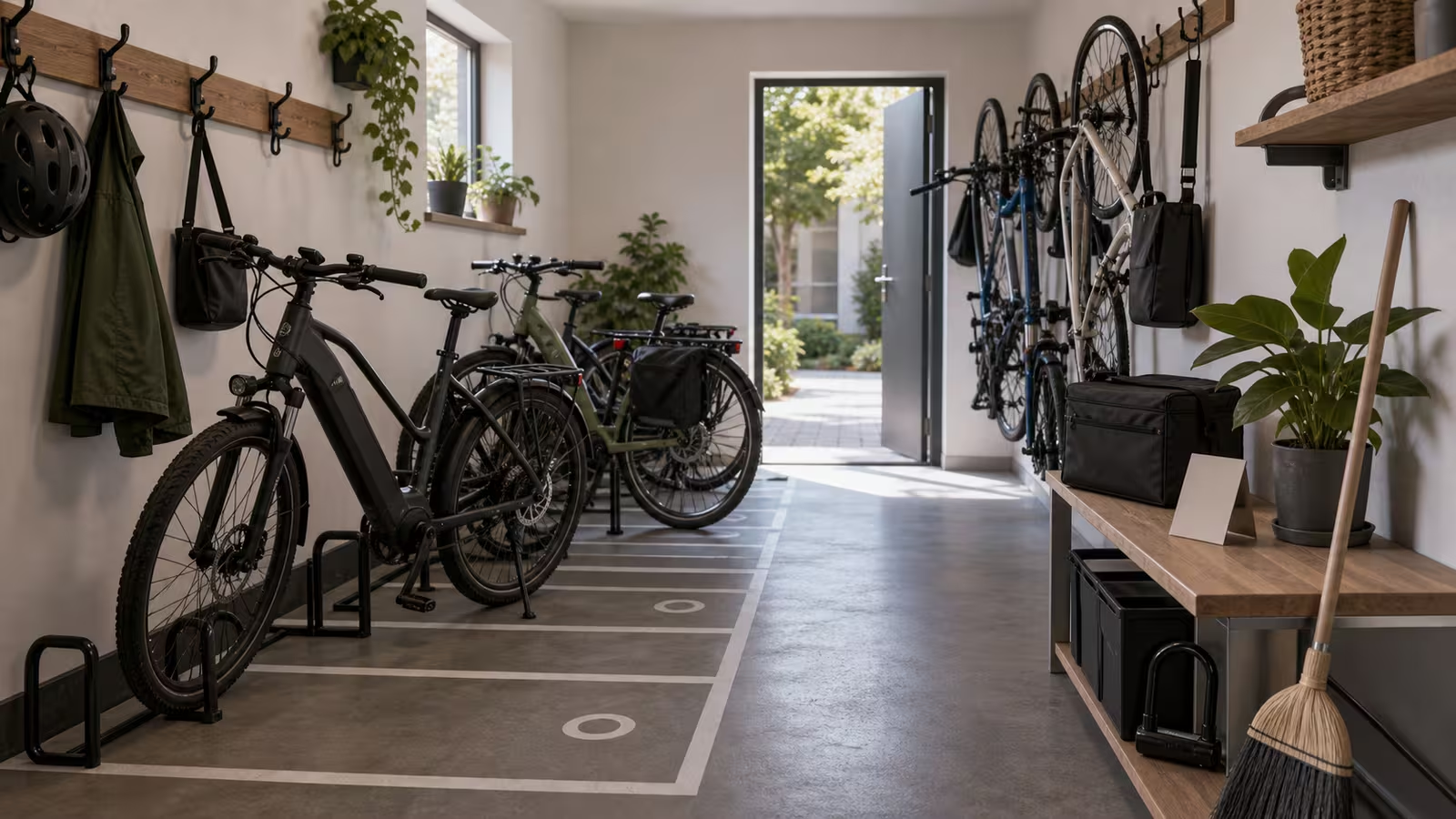
A shared bike room can make e-bike life easier, but it is not just a place to put a vehicle. It is a small public space with building rules, fire guidance, theft risk, wet floors, tight racks, cargo-bike geometry, neighbor patience, and sometimes unclear charging policies. A rider who treats the room as part of the route will have fewer conflicts than a rider who treats it as a closet nobody else uses.
Learn the building policy first
Before assuming the bike room solves storage, ask what is allowed. Are e-bikes allowed? Are batteries allowed? Is charging allowed in the room, only in apartments, or not at all? Are cargo bikes assigned special spots? Are there registration tags, waitlists, fees, or hours? Are hallways, stairs, balconies, or storage cages restricted?
Policies may feel inconvenient, but violating them can put your transportation at risk. A building dispute can remove access to the room entirely. Save the policy note with your ownership records so you are not relying on memory.
Keep access paths clear
Do not block doors, exits, stairs, electrical panels, fire equipment, accessible routes, or other people’s bikes. Cargo bikes, longtails, trailers, and front baskets are wider and longer than many racks expect. If your bike sticks out, find a spot that does not turn the room into an obstacle course. If no such spot exists, talk to management before the conflict grows.
Courtesy is practical. A neighbor who can reach their bike easily is less likely to shove yours aside. A clear path also matters in emergencies. The same egress thinking from Apartment Storage and Charging applies here.
Lock inside the room
A locked room is not a lock plan. Keys circulate. Doors are propped. Tailgating happens. Cameras may be absent. Racks may be weak. Use the Lock Risk Checklist for shared rooms too. Lock the frame to a fixed object where allowed. Consider a second lock or wheel security. Remove tempting accessories if the room has a history of small thefts.
Record the bike serial and photos before relying on any storage room. If something disappears, records matter. If the room has a pattern of theft, raise it through the building process rather than pretending each incident is isolated.
Charge only where the system is allowed and sensible
Charging in shared rooms creates real questions: outlet ownership, cord trip hazards, heat, ventilation, fire guidance, battery condition, charger compatibility, and policy. Use only the manufacturer-approved charger. Keep charging surfaces clear, dry, hard, and ventilated. Do not run cords across walking paths. Do not charge damaged, wet, swollen, odd-smelling, unusually hot, or behaving-strangely batteries.
If charging is not allowed in the room, do not hide it. Build a legal apartment charging plan instead, or choose a bike and battery routine that fits the building. Hidden charging can damage trust and may create risk.
Manage wet and dirty gear
Rain and winter rides bring water, grit, leaves, and salt into shared spaces. Use mats where allowed, wipe obvious drips, and do not hang wet gear over other people’s bikes. If a fender drips onto a neighbor’s saddle every day, the setup needs a tray or different spot. Keep brooms, towels, or cleaning supplies only where allowed.
Wet gear is also a smell problem. Do not leave soaked gloves, food bags, or damp child-seat covers to sour in a closed room. The reset routine belongs with the ride.
Respect rack geometry
Some racks are poor fits for heavy e-bikes, fat tires, disc rotors, cargo bikes, or step-through frames. Do not force the bike into a rack that bends a wheel or makes it impossible to lock the frame. If the room only has wheel-bender racks, ask for better anchors or assigned floor space. Bring evidence: photos, dimensions, and the lock need.
Do not lean a heavy e-bike against someone else’s bike. If the kickstand is unstable, use an approved spot, stand, or wheel chock. A tipped cargo bike can damage several bikes and create conflict quickly.
Communicate early
If your bike is large, new, or unusual, talk to management before problems start. Ask where it should go, whether charging is allowed, and how to register it. If another rider blocks your bike, leave a polite note through the proper process rather than escalating in the room. If a rule is unclear, ask in writing.
Shared storage etiquette is not about being timid. It is about making your transportation choice easy for others to live near. That makes the room more stable for everyone.
Review after one week
After a week of real use, ask what is not working. Is the bike hard to remove? Does it block a path? Did charging happen elsewhere? Did wet gear dry? Did the lock fit? Did someone move it? Did groceries or child seats make the space harder? Adjust before a minor annoyance becomes a complaint.
A bike room is successful when the bike is secure, allowed, dry, accessible, and ordinary. Treat the room as shared infrastructure, not leftover space.
Make one small improvement at a time
If the room is already messy or tense, avoid trying to solve everything in one complaint. Start with the piece that affects your bike and the shared path: a better lock point, a clearer charging rule, a mat for wet tires, an assigned cargo-bike space, or a reminder about not blocking doors. Concrete requests are easier for managers and neighbors to act on than broad frustration.
Keep your own setup visibly responsible. A neatly locked bike, dry gear, clear cords, and current registration make it easier to ask for better infrastructure. Shared rooms improve when riders model the standard they want.