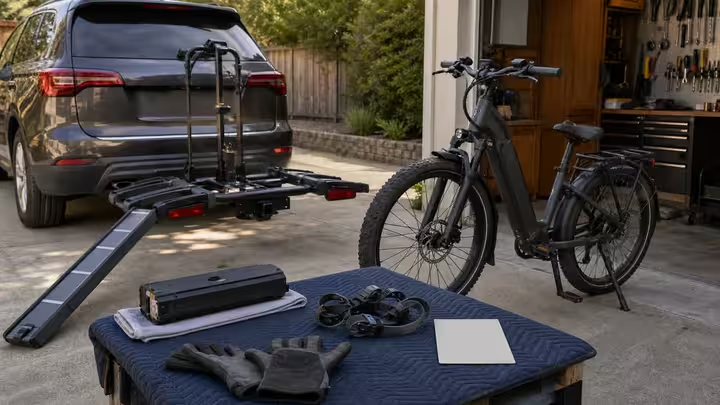
An e-bike that works beautifully on the road can fail as apartment transportation if the building plan is weak. The hard parts may be stairs, elevators, hallway width, bike room theft, wet floors, battery charging rules, lease language, fire guidance, roommate patience, or the awkward fact that the charger outlet is nowhere near a sensible storage spot. Apartment storage is not a side issue. It is the part of the route that happens indoors.
Read the building before buying more gear
Before choosing hooks, covers, chargers, locks, or wall mounts, find the building boundary. Are e-bikes allowed in apartments? Are batteries allowed in elevators? Is charging allowed in the bike room, apartment, garage, or not at all? Are there rules about hallways, stairwells, balconies, storage cages, or shared outlets? Does the lease mention batteries, micromobility devices, or fire safety? Does the building require registration or tags?
Rules can be frustrating, but ignoring them can cost more than adapting the setup. A building conflict may lead to fines, eviction risk, insurance problems, neighbor complaints, or losing access to the best storage area. Treat the building as part of the route, like a bridge or trail with posted signs. The route starts at the bike’s legal and practical resting place.
Protect egress and shared space
Do not block exits, stairwells, hallway paths, fire doors, elevator landings, or accessible routes. Even a small folding e-bike can become a serious obstacle if it sits where people need to pass in an emergency or during normal life. Shared buildings depend on predictable space. A wet cargo bike leaning into a corridor is not just messy; it invites conflict and may violate rules.
Inside the apartment, choose a place that allows normal movement. If the bike makes cooking, sleeping, bathroom access, or leaving quickly harder, the storage plan is too fragile. Tiny Homes thinking helps here: storage is not where an object technically fits once. It is where the object can live without damaging the next routine.
Charge on purpose
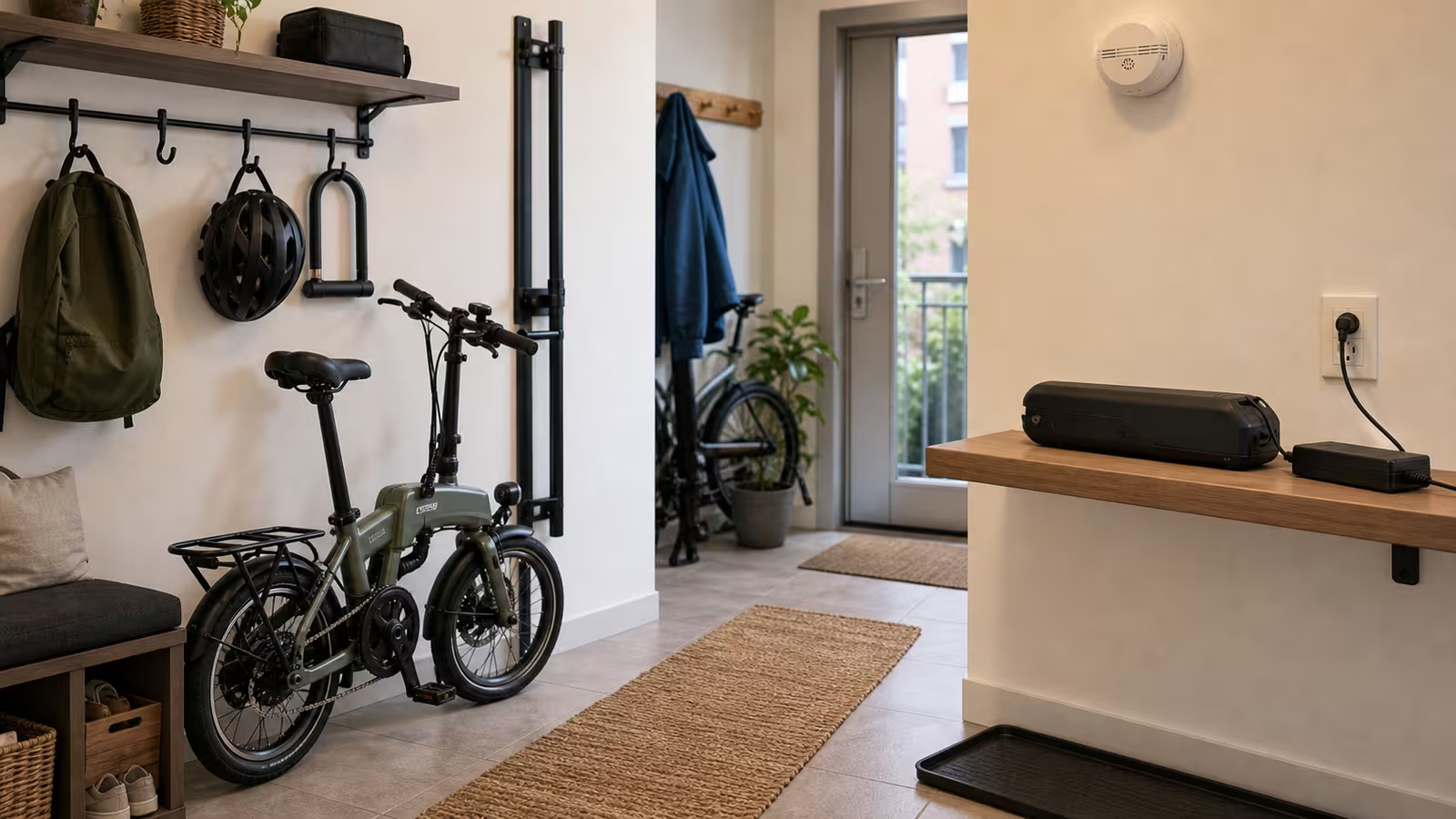
Use the charger approved by the bike or battery maker. Charge on a clear, hard, dry, stable surface with ventilation and without fabric, paper piles, bedding, fuel, clutter, or loose metal around it. Follow the manual for temperature, storage charge, charging duration, and whether the battery should be removed from the bike. Do not use mystery adapters, damaged cords, or outlets that spark, sag, overheat, or feel unreliable.
If the battery has been soaked, dropped, crashed, swollen, cracked, unusually hot, odd-smelling, or behaving differently, stop using and charging it until the manufacturer or a qualified service source gives guidance. Battery caution should be calm and boring. The Battery Care Planner can help turn those rules into a household routine.
Decide where wet gear lands
Rainy rides need an indoor landing zone. A mat protects floors. A towel handles drips. Hooks give wet jackets and gloves air. A tray can hold shoes. Panniers need a place to dry without blocking doors. If wet gear has no place, it spreads into the apartment and makes the next ride less likely.
A small space can still work if each wet item has a job. Helmet dries on the shelf. Gloves clip near the door. Rain shell hangs over a mat. Battery stays where the manual allows. Charger remains dry. The goal is not a perfect mudroom. It is a repeatable reset that does not annoy everyone in the home.
Handle elevators and stairs honestly
A heavy e-bike is different from a normal bicycle in stairs and elevators. Check whether you can lift or roll it without strain, wall damage, pedal scrapes, tire marks, or blocking other people. A longtail cargo bike may not fit in the elevator without awkward turning. A folding bike may solve length but create weight and battery handling questions. A front basket or child seat can snag on doors.
Practice when you are not late. If the bike is too heavy to manage alone, the apartment plan may require a different bike, ground-floor storage, better ramp access, a different route through the building, or a different transportation mix. Do not let the motor’s road convenience hide the indoor handling problem.
Treat the bike room as a separate lock problem
A locked bike room is not the same as a secure bike. Shared rooms can have weak doors, copied keys, limited cameras, crowded racks, and long periods without attention. Use the Lock Risk Checklist inside the building too. Lock the frame to a fixed object if allowed. Consider a second lock, wheel security, serial records, photos, registration, and removing accessories.
Check whether the battery should be removed for charging, theft risk, temperature, or building rules. If removing the battery makes the bike easier to steal or harder to carry, include that in the plan. A storage decision that works only when everything goes perfectly is not a routine yet.
Plan neighbor friction out of the system
Many apartment e-bike problems are social before they are technical. Dirty tires in the elevator, handlebars hitting walls, hallway charging cords, wet gear over shared radiators, or a bike parked across a storage cage can sour the setup. A quiet plan prevents arguments: wipe tires when needed, avoid peak elevator crowding with a long cargo bike, keep hallways clear, ask about unclear rules, and make the bike look intentionally stored rather than abandoned.
The Etiquette and Local Law Awareness guide applies indoors too. Courtesy is not just path behavior. It is making sure your transportation choice does not create unnecessary work or risk for the people sharing the building.
Keep records where you can find them
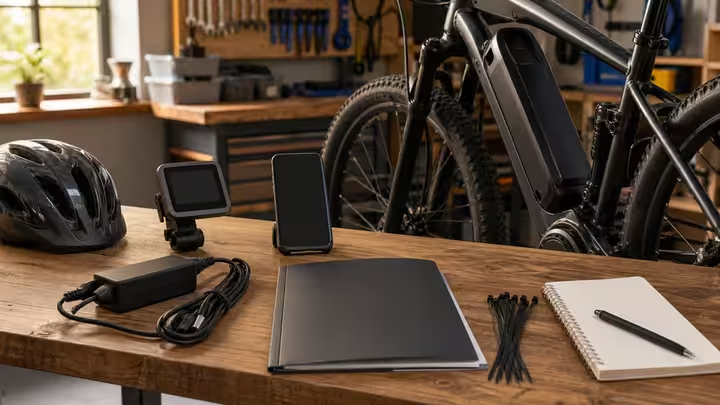
Save the bike serial number, battery serial if present, charger model, purchase receipt, photos, service records, lock key information, registration, and building permission or policy notes. If a building manager asks questions, if a theft happens, or if service is needed, records reduce chaos. Do not store the only copy of the serial inside a bag attached to the bike.
Review the setup after one week of real rides. Did the bike block the door? Did charging happen safely and consistently? Did wet gear dry? Did the elevator feel awkward? Did neighbors complain? Did the lock routine take too long? Improve the storage system with the same practical mindset used on routes: one weak point at a time.
Related guidebooks
- Battery Care Planner: Charging, Storage, Temperature, and Stop-Use Habits
- Lock Risk Checklist: Match the Lock to the Stop
- Rain Gear and Fenders: Arrive Dry Enough to Repeat the Ride
- Tiny Homes for small-space entry, storage, and wet-gear thinking.