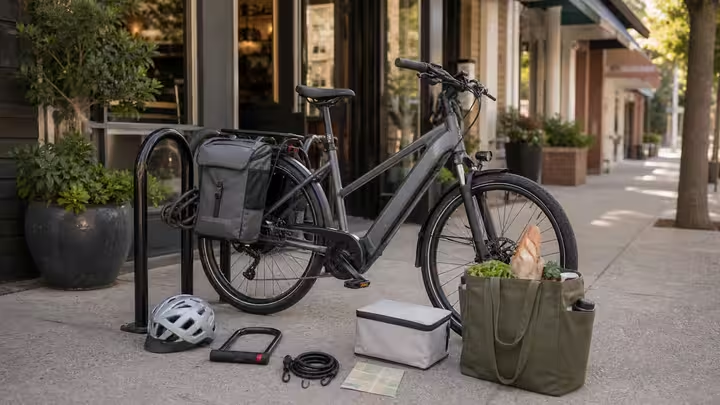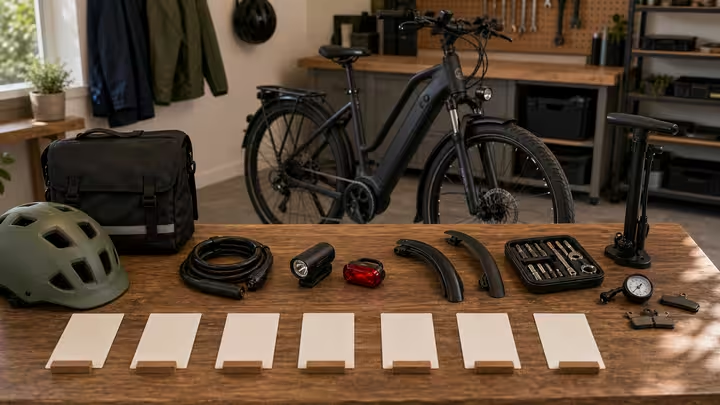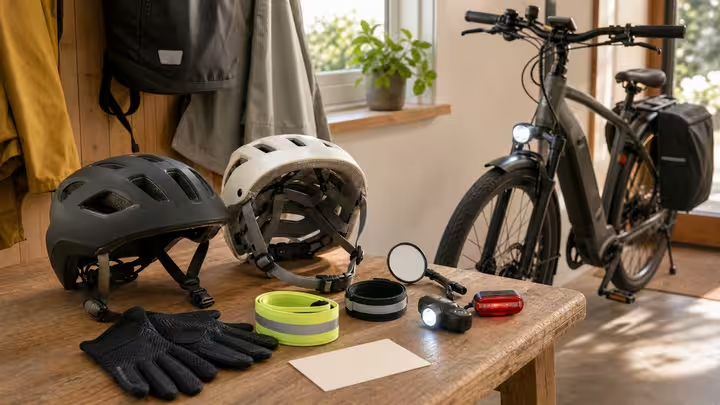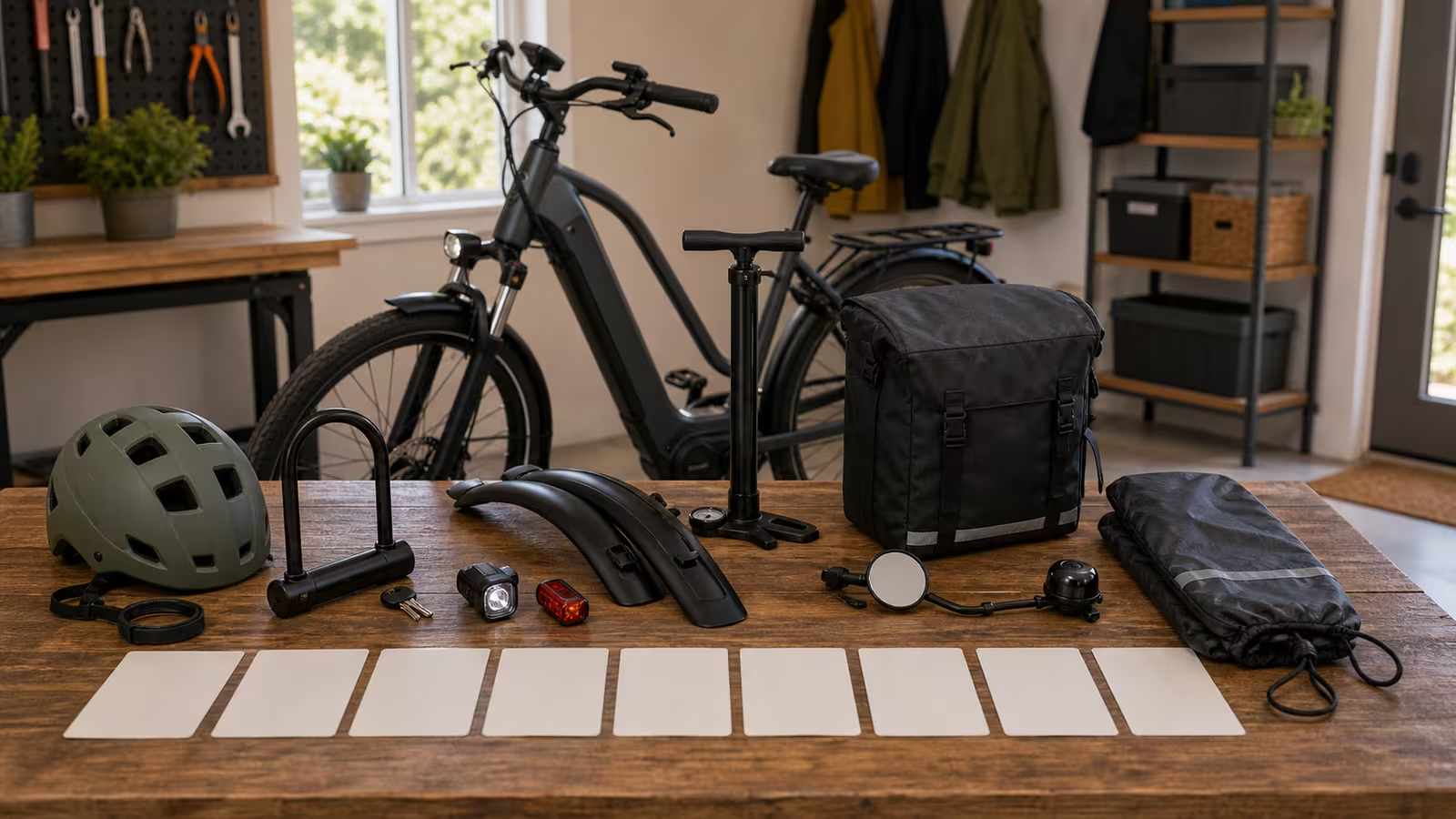
E-bike accessories are easy to buy because every ride can be imagined as better with one more object. The hard part is knowing which accessory will actually change tomorrow morning. A useful accessory removes a real barrier: the bike cannot be locked well, the rider arrives wet, the route is dark, groceries sway, tires are soft, or the phone dies. Accessories that do not solve repeat friction become clutter.
Start with the ride blocker
Write the reason the bike stays home. Is it theft worry, darkness, rain, grocery carrying, school cargo, soft tires, uncomfortable hands, no phone battery, or no safe parking? The first accessory should address that reason. A mirror is nice, but it does not solve a weak lock. A fancy bag is nice, but it does not solve unlit winter commutes.
Rank accessories by trips they unlock. If an item helps every commute, it moves up. If it helps one fantasy weekend ride, it can wait.
Locks and lights come early
A practical e-bike needs a lock plan and a light plan. The exact lock depends on the stop, rack, theft risk, and records. The exact light depends on local rules, route darkness, bags, and charging habits. These are not glamorous purchases, but they decide whether the bike can leave home and return.
Use the Lock Risk Checklist and Helmet Fit and Visibility before buying decorative extras.
Fenders and weather gear earn repeat rides
If rain, spray, cold hands, or wet bags stop the commute, fenders and weather gear can matter more than a performance upgrade. Full fenders, a breathable shell, gloves, waterproof bag, dry socks, and a landing mat can turn a rare ride into a normal ride. Buy for the weather you actually ride, not the weather in a product photo.
Weather accessories should have a drying place. If wet gear becomes a heap, the accessory is only half implemented.
Cargo accessories should match real loads
Panniers, baskets, crates, trailers, and straps should be chosen by load: laptop, groceries, child gear, school bags, tools, or rain layers. Weight, fragility, theft risk, and weather matter. A big crate may look useful and still make the bike harder to lock or mount. A pannier may be excellent for work but wrong for a tall instrument case.
Use the Cargo Setup Picker before buying cargo gear. The load decides the accessory.
Maintenance tools can prevent stranded rides
A pump, gauge, spare tube or flat plan, chain or belt care supplies, and light chargers can earn their keep quickly. The best tool is one you know how to use. A repair kit that never leaves packaging is less useful than a clear plan to call a shop, use transit, or walk.
Start with a pump and gauge if tire pressure is neglected. Add flat supplies only if they match the bike and your ability.
Comfort accessories need testing
Saddles, grips, pedals, mirrors, bells, phone mounts, and bar changes can help, but fit is personal. Buy from places with return policies when possible. Test one change at a time. If you change saddle, grips, and bars at once, you may not know what helped.
Comfort does not override local rules or safe control. A phone mount that distracts or a mirror that blocks braking has not earned its place.
Avoid accessory debt
Every accessory adds installation, maintenance, theft risk, clutter, and sometimes weight. Lights need charging. Bags need drying. Locks need carrying. Racks need bolts checked. Phone mounts need adjustment. If the accessory creates more routine than it removes, reconsider it.
The Budget Upgrade Priority Ladder can help separate must-have, soon, and later.
Review after thirty days
After the first month, list which accessories you used, which you ignored, and what still blocks rides. Move unused items off the bike. Upgrade the weak link. The best setup may be simpler than the shopping list.
Accessories should make the e-bike more boringly useful. Buy for the ride you repeat, then let everything else wait.
Test carrying and removal
An accessory has not earned its place until you know how it behaves when the bike is parked, carried through a doorway, loaded into an elevator, rolled into a bike room, or locked at a rack. A pannier may be excellent on the road and awkward in a store. A heavy chain may secure the bike well and still be left home because it is miserable to carry. A phone mount may work with summer gloves and fail with winter gloves. Test the whole routine, not only the product.
Practice removal when theft risk matters. Can the light come off with cold fingers? Does the bag detach without dumping groceries? Does the battery carry safely if local rules or building policy require removal? Is the mirror still aligned after the bike is parked near other bikes? If an accessory needs a small tool to remove, decide whether that tool lives with the bike.
Check compatibility with the future setup. A basket can block a front light. A child seat can block panniers. A crate can make a lock harder to use. A mirror can interfere with a narrow hallway. The accessory should fit the bike, route, storage, local rules, and rider habits together. When one item creates three new annoyances, the cheaper choice may be to return it and solve the problem differently.