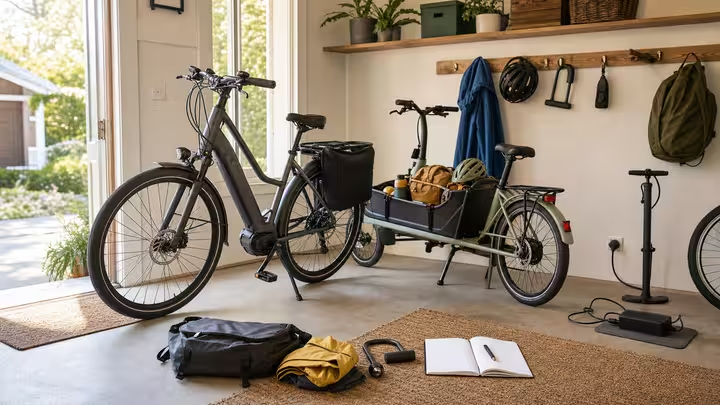
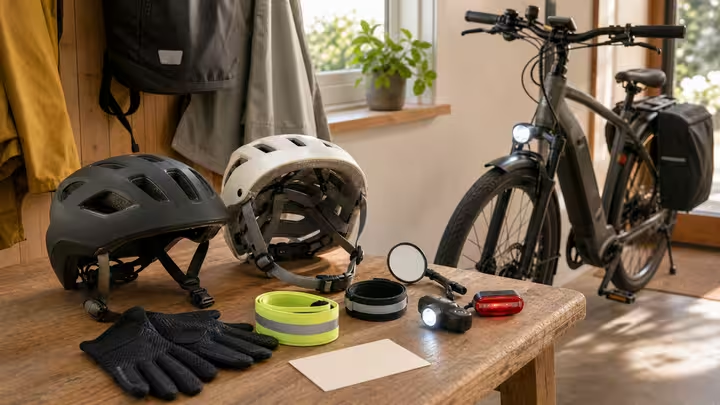
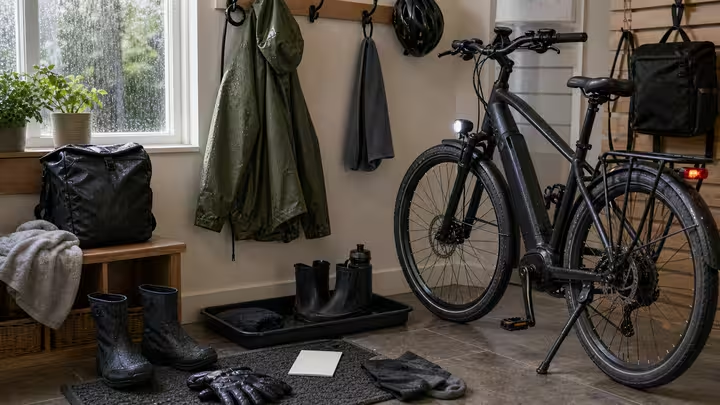
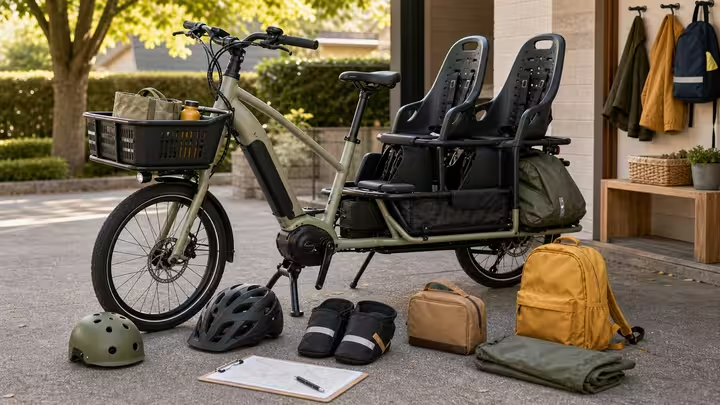
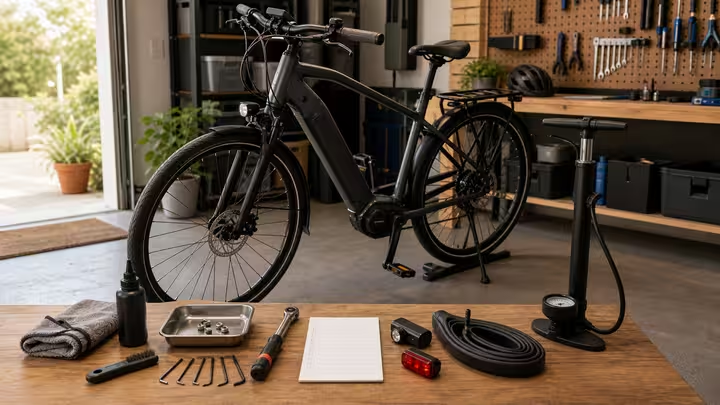
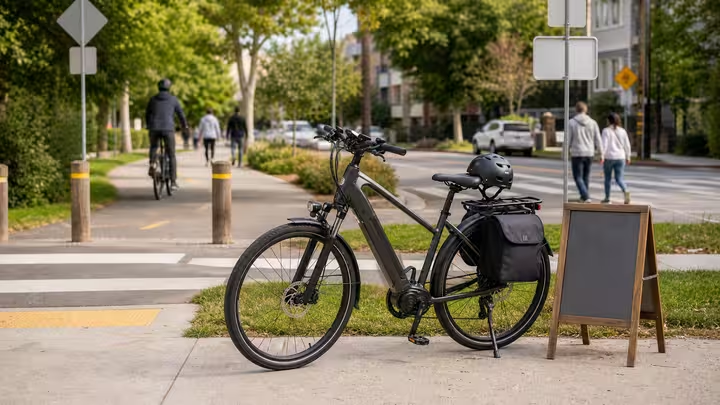
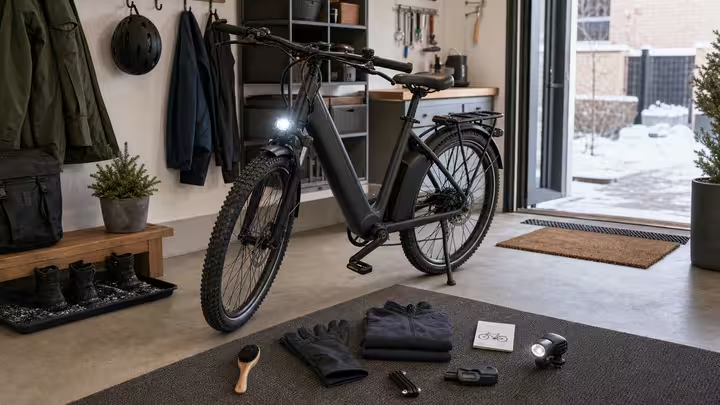
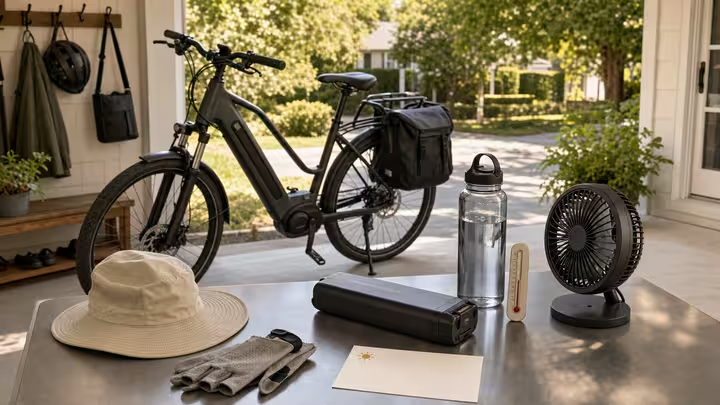
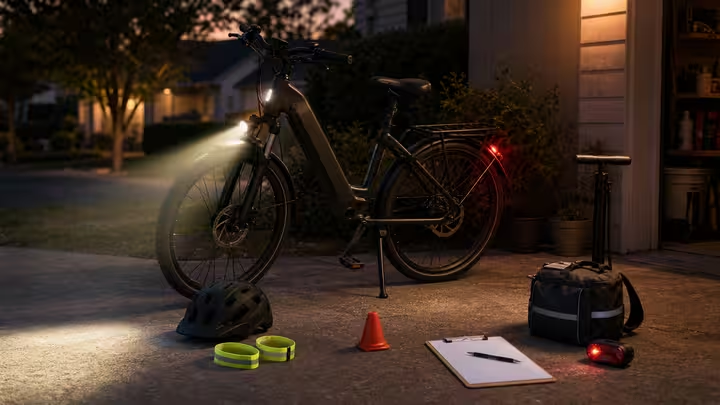
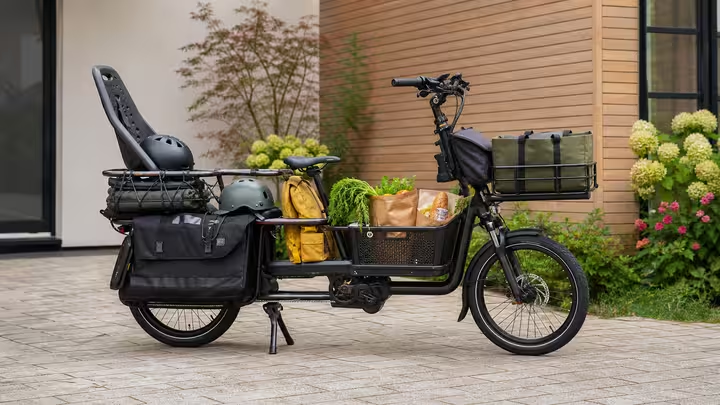
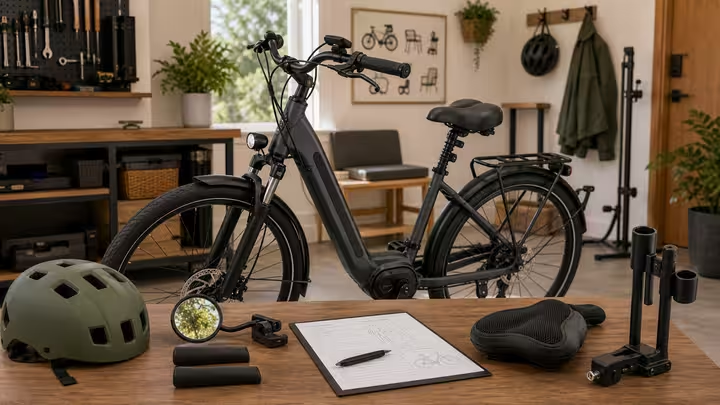
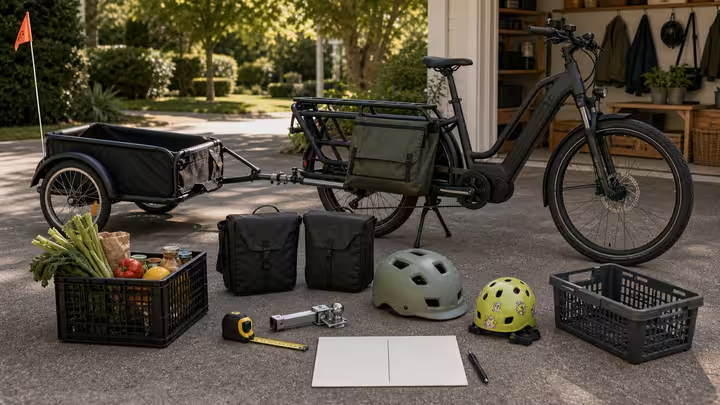
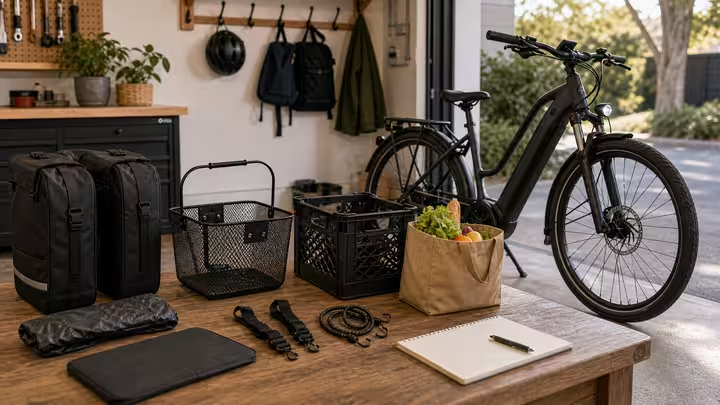
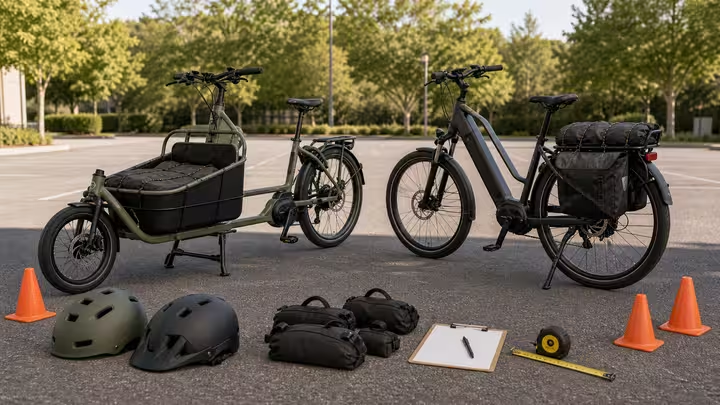
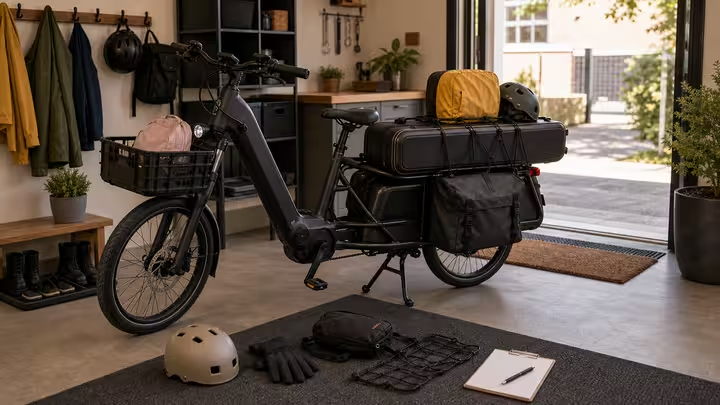
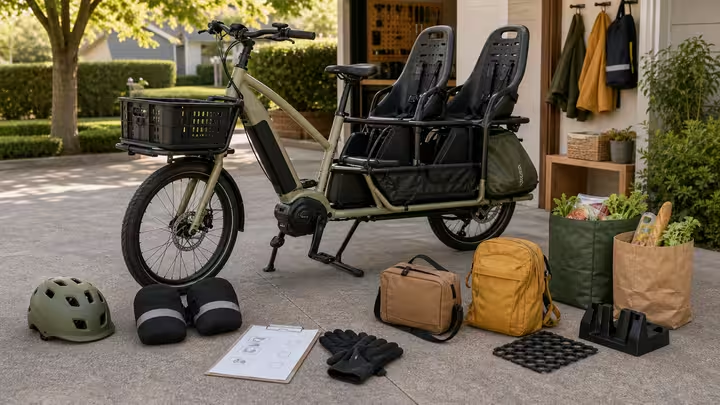
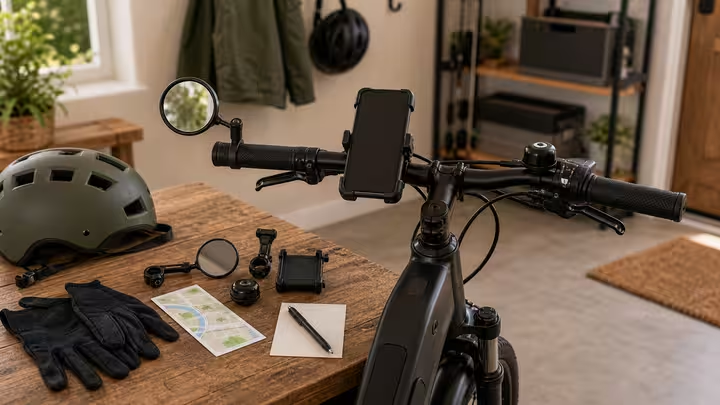
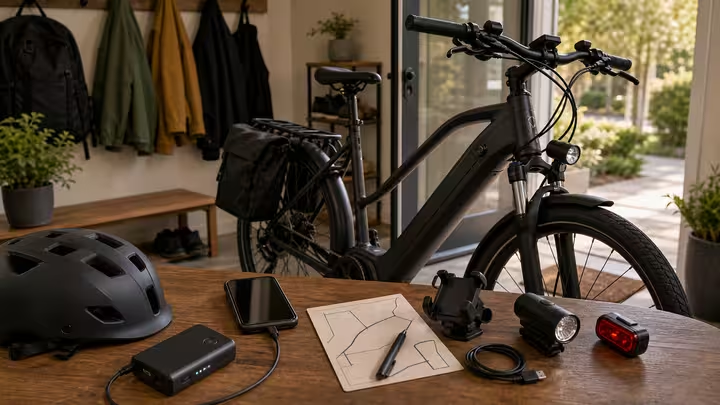
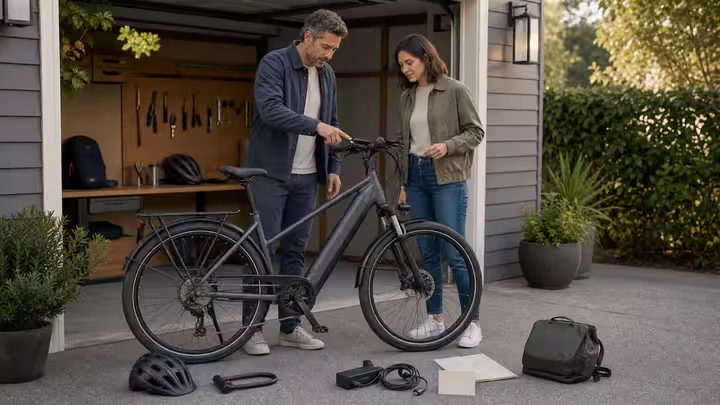
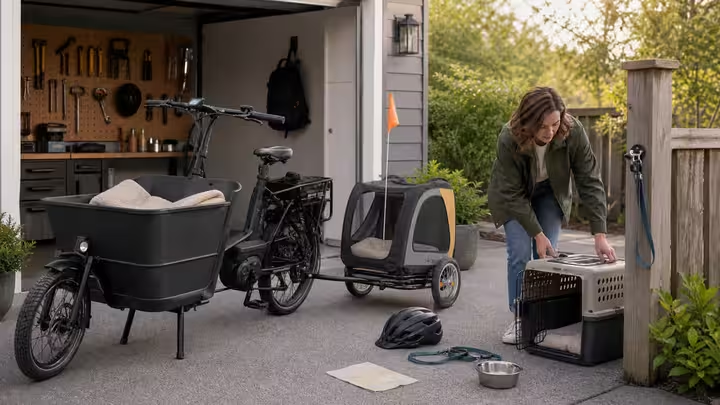
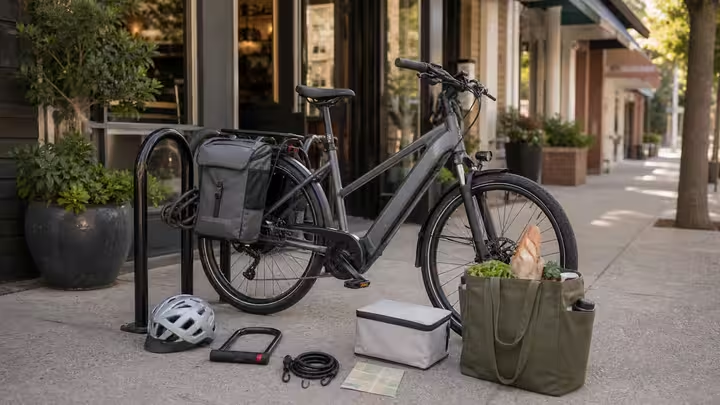
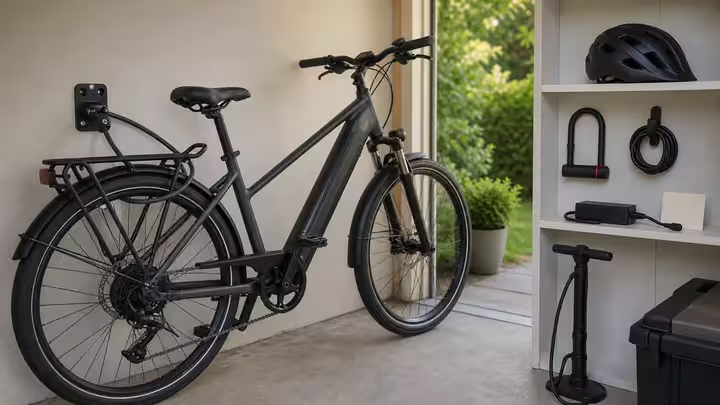
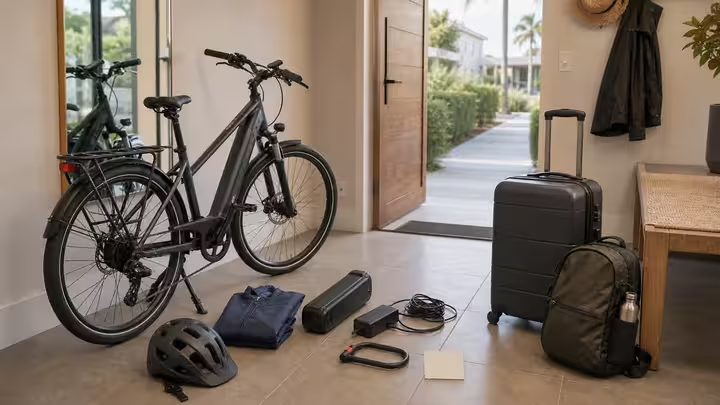
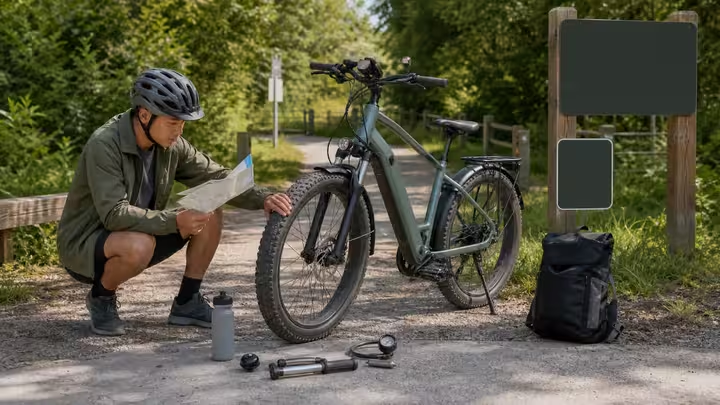
The E-Bike Workshop guidebook shelf is practical, people-first training for ordinary electric-bike and cargo-bike life. The core promise is simple: make the bike easier to use tomorrow morning by improving the route, lock, battery, cargo, weather, storage, maintenance, passenger, and local-rule habits today.
Note
No fake certainty
E-bike rules vary by country, state, province, city, trail, school, transit system, building, and landlord. These guidebooks teach decision habits and conservative safety boundaries, not legal advice. Check current local rules, posted signs, manufacturer instructions, and qualified mechanics when the situation depends on law, wiring, brakes, batteries, racks, or passengers.
For hands-on planning, use the Range Reality Calculator , Cargo Setup Picker , Lock Risk Checklist , Battery Care Planner , and Commute Comfort Audit .
Live guidebooks
- The E-Bike Workshop Quickstart: Make the Bike Part of Real Life - Build the first everyday system around route, range, lock, battery, cargo, weather, storage, and local-rule checks.
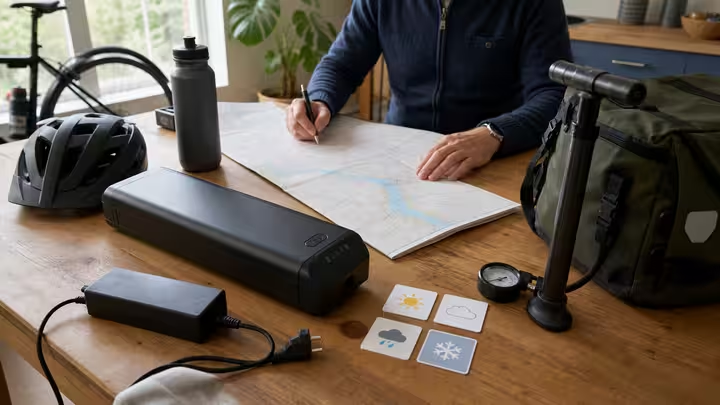
- Range Reality Planning: Stop Trusting the Perfect Number - Estimate range with hills, wind, cold, cargo, assist level, battery age, tire pressure, and a useful reserve.
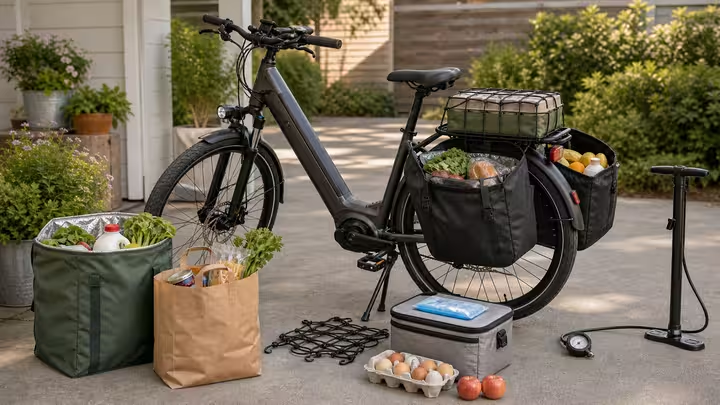
- Cargo Setup Picker: Groceries, School Bags, Child Seats, and Errands - Choose panniers, baskets, crates, child seats, trailers, rain covers, and loading habits around the actual load.
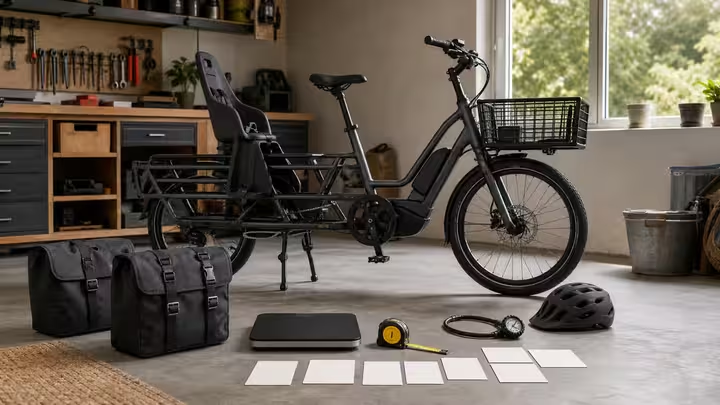
- Weight Ratings and Payload Math: Respect the Small Print Before the Load - Treat rider, cargo, passenger, rack, tire, brake, and accessory limits as one conservative loading problem.
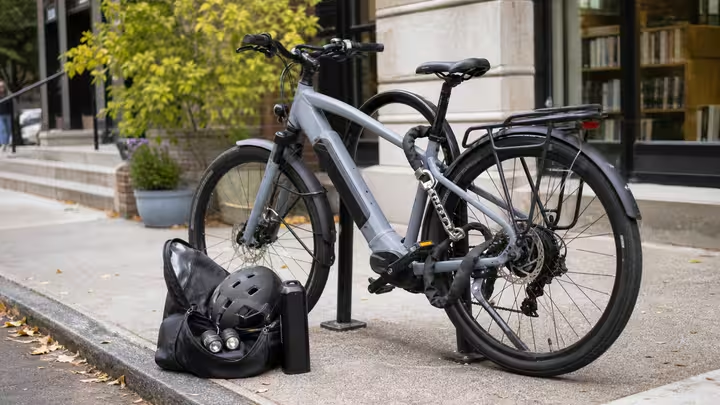
- Lock Risk Checklist: Match the Lock to the Stop - Decide when to add a second lock, remove accessories, choose a better rack, record the serial, or avoid the stop entirely.
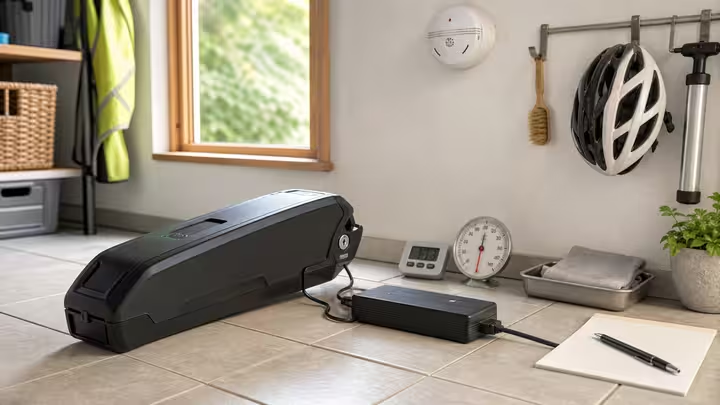
- Battery Care Planner: Charging, Storage, Temperature, and Stop-Use Habits - Use conservative lithium-ion habits without panic, including damage checks, storage charge, charging location, and manufacturer instructions.
- Commute Comfort Audit: Rain, Darkness, Hills, Surfaces, and Arrival Friction - Make the ride easier to repeat by fixing discomfort before it becomes the reason the bike stays home.
- Helmet Fit and Visibility Basics: Make Your First Safety Layer Boring - Set up the helmet, lights, reflective movement, passenger visibility, and route checks as one repeatable departure habit.
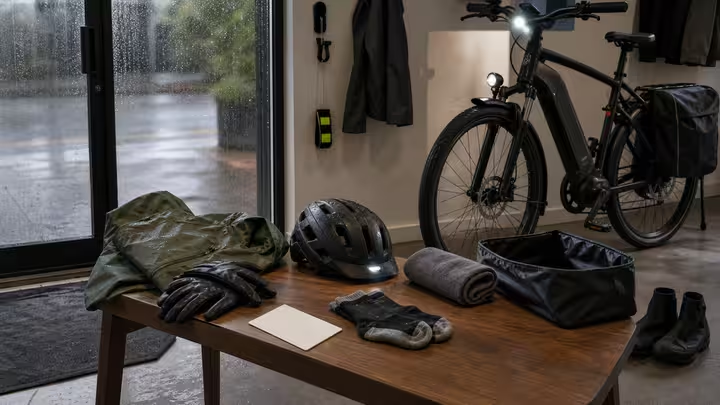
- Rain Gear and Fenders: Arrive Dry Enough to Repeat the Ride - Pair fenders, waterproof carrying, traction margin, dry clothes, and wet-gear resets so rain does not defeat the routine.
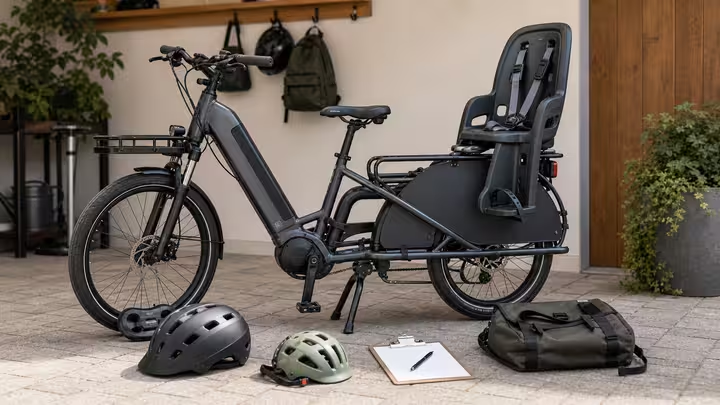
- School Run Cargo Bike Routine: Practice Before the Passenger - Rehearse the school gate, passenger script, loading order, route margin, and weather backup before a busy morning.
- Grocery Hauling Without Wobble: Pack the Bike Like Balance Matters - Keep grocery weight low, cold food timed, bags stable, locks deliberate, and the home landing zone ready.
- Child Seat and Passenger Readiness: Ratings, Practice, and Calm Loading - Check passenger rules, bike ratings, seat fit, loading scripts, child behavior, visibility, and maintenance boundaries.
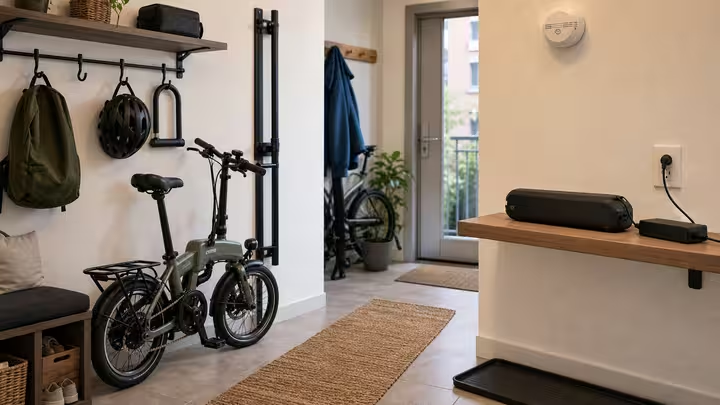
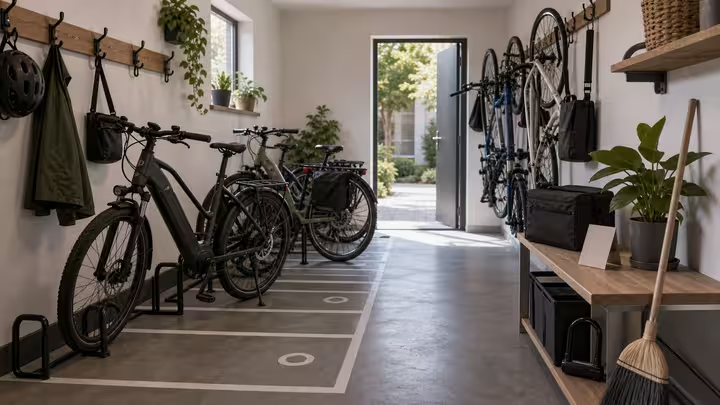
- Apartment Storage and Charging: Make the Building Part of the Plan - Make building rules, egress, charging instructions, theft risk, wet gear, and elevators part of the e-bike route.
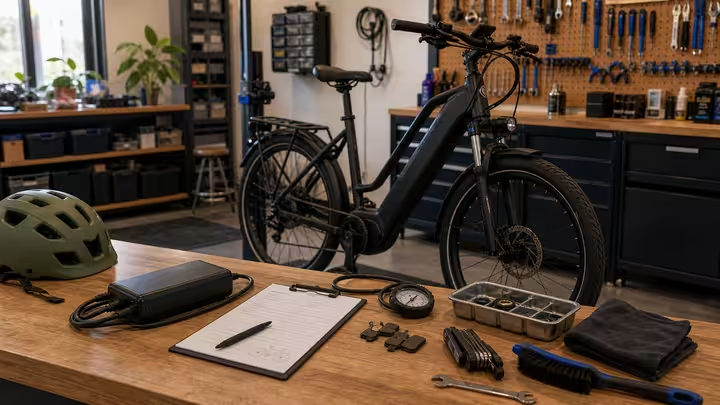
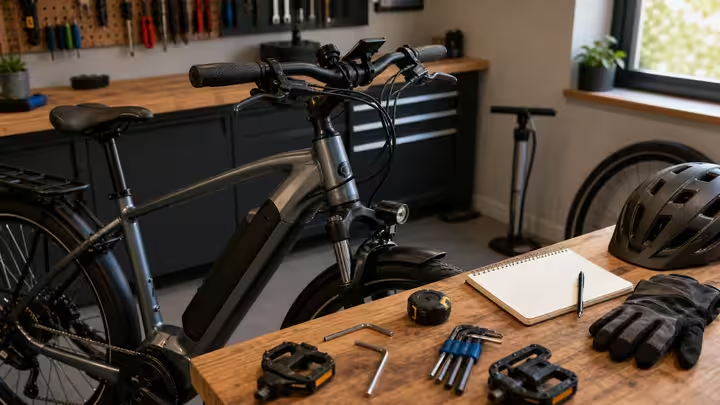
- Maintenance Rhythm: Brakes, Tires, Chain, and the Stop-Use Rule - Build a small weekly rhythm around tires, brakes, drivetrain, accessories, lights, batteries, and service records.
- Etiquette and Local Law Awareness: Ride Predictably Around People - Check current local rules, then use slower approaches, clearer passing, and predictable behavior around shared spaces.
- Winter Range and Traction: Ride Only When the Margin Is Real - Treat cold range loss, traction, lights, battery temperature, and no-ride rules as one winter route check.
- Hot-Weather Battery and Rider Heat: Keep the Trip Cooler Than the Forecast - Plan shade, timing, assist, water, charging, passenger comfort, and heat-cancel boundaries together.
- Night Riding and Light Aim: See the Surface Without Blinding People - Aim lights, check loaded visibility, choose calmer routes, and keep spare power ready for dark rides.
- Route Scouting for Low-Stress Streets: Build the Calm Map First - Scout crossings, hills, surfaces, parking, local rules, lighting, and backup options before mileage.
- Hill Starts and Downhill Braking: Practice the Moments That Change Control - Practice starts, assist behavior, gears, braking, descents, and detours before cargo or deadlines.
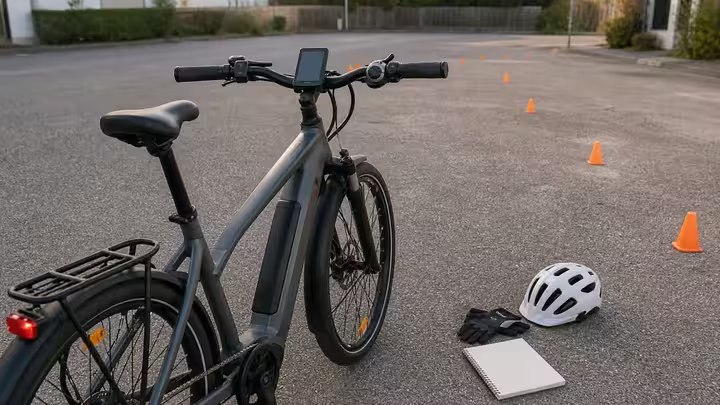
- Motor Assist and Shifting Practice: Make Power Predictable - Practice assist timing, gear choice, motor cut-in, motor cut-off, and smooth starts before cargo or traffic raises the stakes.
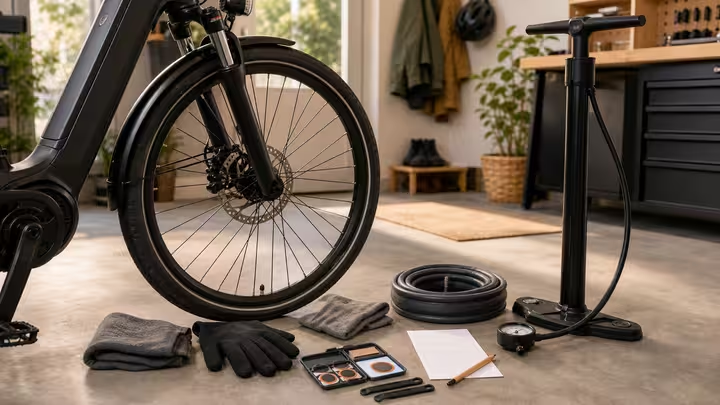
- Tire Pressure and Puncture Readiness: Make Flats Boring - Use pressure checks, tire inspections, realistic flat plans, and stop-use boundaries to protect routine rides.
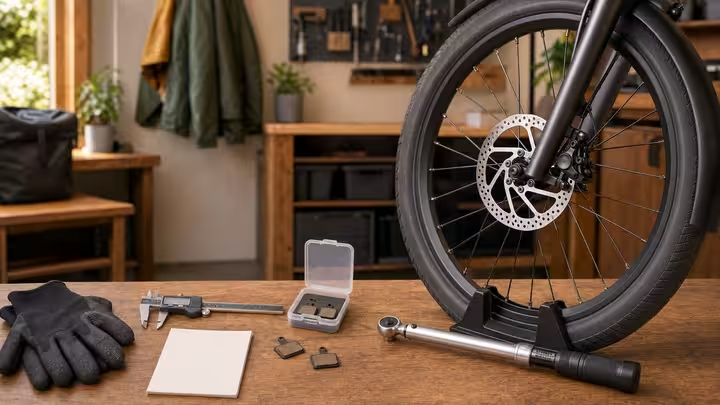
- Brake Pad Wear and Shop Boundaries: Know What a Beginner Should Not Guess - Notice brake changes early, avoid contamination, record symptoms, and take uncertain work to qualified service.
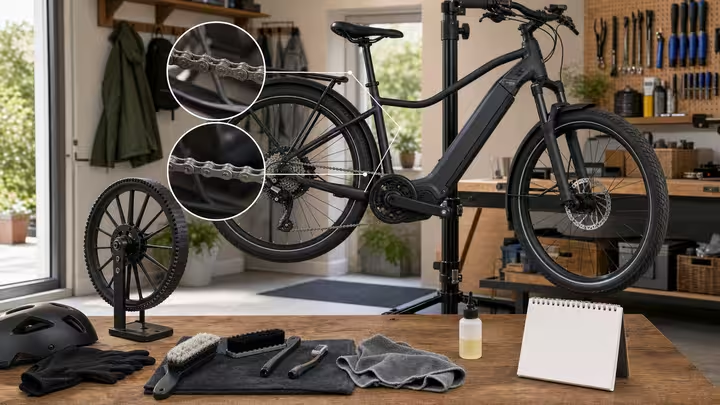
- Chain, Belt, and Drivetrain Cleaning: Clean the Right System the Right Way - Identify the drivetrain before cleaning, protect brakes, and match chain or belt care to instructions.
- Used E-Bike Buying Checklist: Inspect Before the Price Feels Clever - Check records, battery, charger, brakes, serviceability, local-rule fit, and total cost before buying used.
- Test Ride Before Buying: Listen to the Bike Before You Listen to the Pitch - Use starts, stops, assist behavior, braking, walking, parking, and storage handling to test fit.
- E-Bike Class, Throttle, and Speed Guide: Know What Your Route Allows - Match class, throttle behavior, speed, and access rules to the route before buying or commuting.
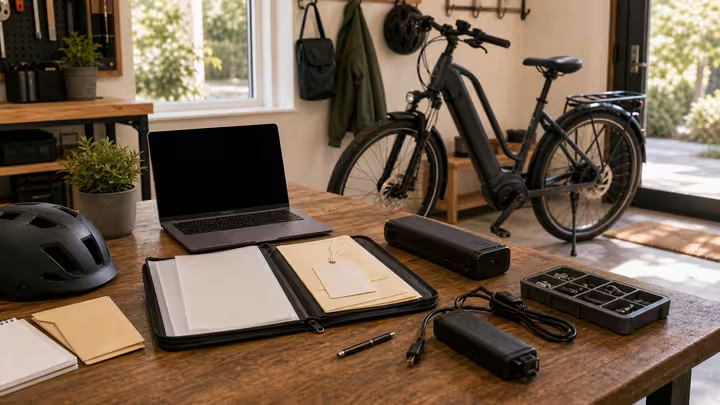
- Insurance, Registration, and Serial Records: Make Ownership Findable - Build the ownership folder before a theft, claim, move, warranty question, or service visit makes it urgent.
- Theft Recovery After-Action: Move Fast Without Making It Worse - Use records, reports, registries, insurance notes, marketplace evidence, and privacy boundaries after a theft.
- Bike Room and Shared Storage Etiquette: Be Easy to Live Near - Keep shared storage allowed, clear, secure, dry, charging-aware, and neighbor-friendly.
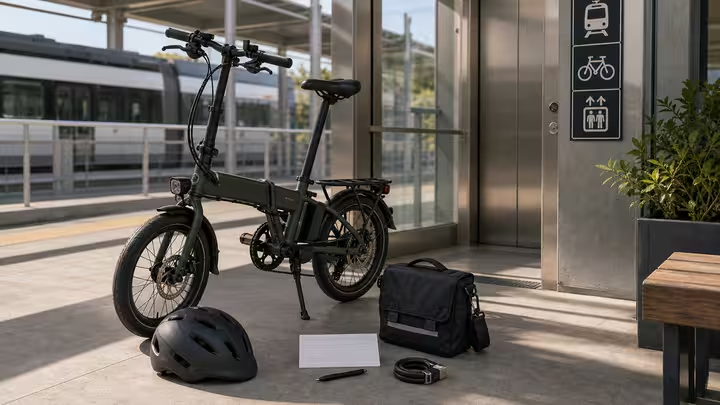
- Transit Connections With an E-Bike: Make the Transfer Part of the Route - Check agency rules, station access, parking, batteries, folding limits, elevators, timing, and backup choices.
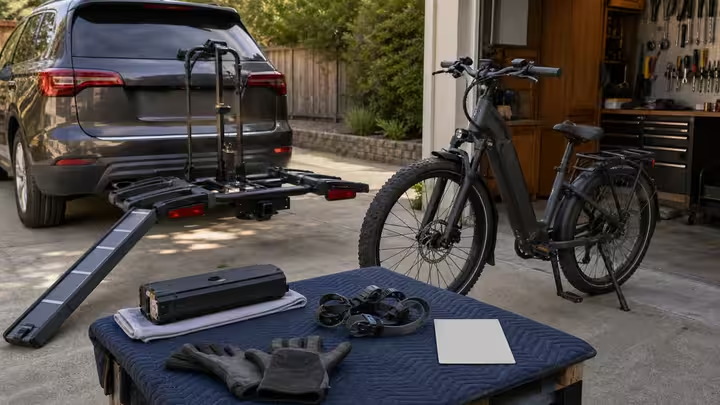
- Car Racks and Vehicle Transport: Move the Bike Without Bending the Plan - Confirm rack, hitch, vehicle, battery, wheelbase, strap, lifting, weather, and arrival-check limits before driving.
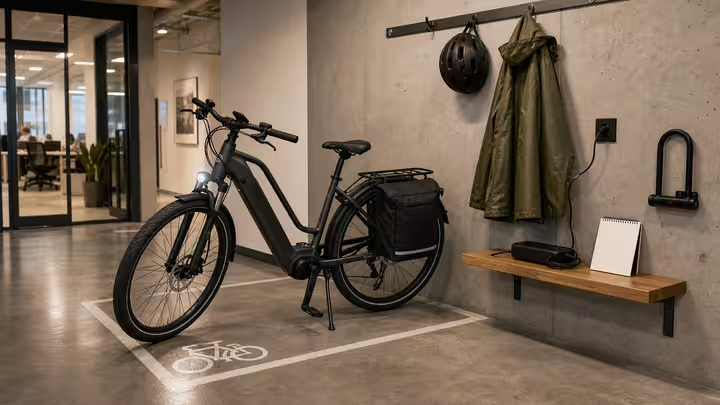
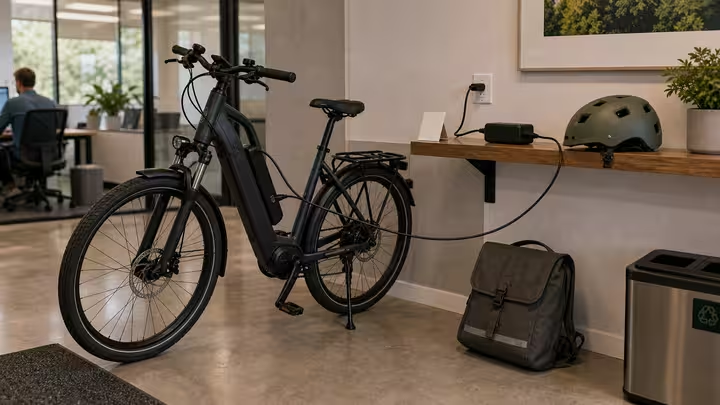
- Office Commute Parking and Charging: Make Work the Middle of the Loop - Confirm workplace parking, charging rules, laptop carrying, clothing reset, and return-route battery reserve.
- Adaptive Fit and Mobility Conversations: Ask Better Questions Before Buying - Discuss mounting, controls, balance, pain, cargo, storage, routes, and support before buying.
- Saddle, Grip, and Cockpit Comfort: Fix the Touch Points First - Tune saddle, grips, brake reach, pedals, handlebar space, and real-route comfort one change at a time.
- Trailer vs. Longtail Decision: Choose the Cargo Shape You Can Actually Use - Compare load type, route width, turning, hitch care, passengers, storage, weather, parking, and theft risk.
- Pannier, Basket, or Crate: Put the Everyday Load Where It Behaves - Match cargo accessories to weight, fragility, weather, locking, visibility, and handling.
- Front-Load vs. Rear-Load Handling: Know Where the Weight Changes the Ride - Practice with harmless weight, compare steering and braking, check visibility, and route around load position.
- School Bags and Instrument Carrying: Keep the Load Quiet - Give backpacks, lunches, instruments, rain covers, and passenger space stable positions before the school deadline.
- Cargo Bike Stand and Loading Safety: Stabilize Before You Pack - Choose the loading surface, stabilize the bike, sequence bags and passengers, and stop using weak stands.
- Mirrors, Bells, and Phone Mount Boundaries: Add Tools Without Adding Distraction - Use cockpit tools for awareness and communication without replacing shoulder checks or safe stops.
- Navigation and Phone Battery Routine: Keep the Map From Becoming the Problem - Preview routes, simplify cues, charge the phone, carry a backup, and stop before changing maps.
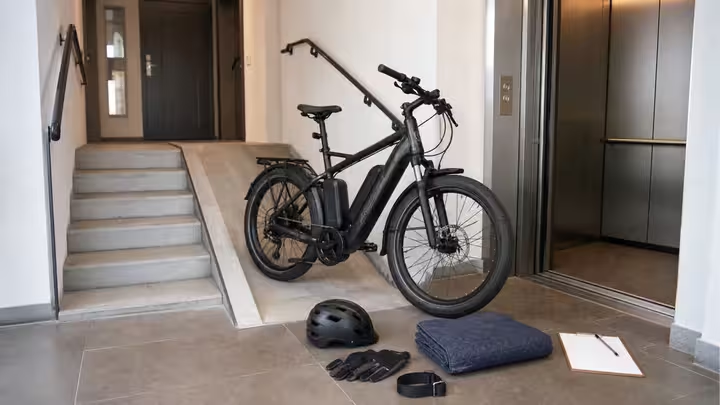
- Stairs, Elevators, and Ramps: Handle the Heavy Bike Off the Road - Rehearse doors, ramps, elevators, stairs, walk assist, turning space, and storage approaches before the trip is urgent.
- Charging at Work and Public Outlets: Ask Before You Plug In - Use away-from-home charging only with permission, safe cord placement, approved chargers, battery checks, and range backups.
- Warranty, Manual, and Recall Records: Keep the Bike Supportable - Keep manuals, warranty details, recall checks, service notes, battery records, and charger information findable.
- Display, App, and Firmware Boundaries: Keep Electronics From Taking Over the Ride - Keep displays, apps, firmware, error notes, chargers, and service records useful without making screens the ride.
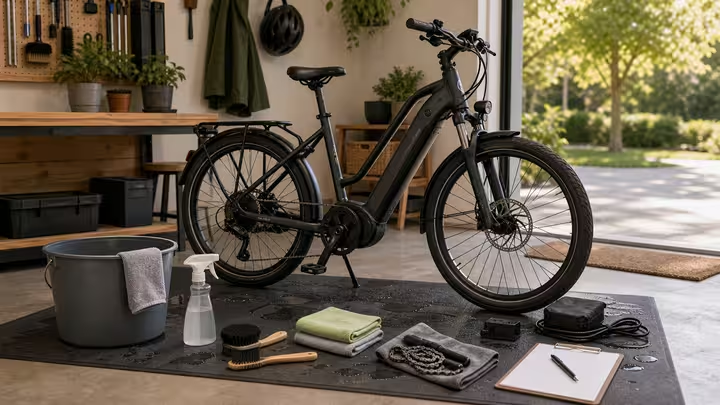
- Cleaning Without Pressure Washing: Keep Water Out of the Wrong Places - Clean gently, protect brakes and electronics, dry before storage, and use cleaning time as inspection time.
- No-Ride Day Backup Plan: Keep Transportation Bigger Than the Bike - Decide when weather, battery, health, mechanical, route, passenger, or local-rule issues should move the trip to another mode.
- Accessories That Earn Their Keep: Buy for the Ride You Actually Repeat - Prioritize locks, lights, fenders, cargo, pump, weather gear, comfort, and cockpit tools by repeated ride friction.
- Budget Upgrade Priority Ladder: Spend Where the Routine Breaks - Spend first on stopping, visibility, security, tires, weather, cargo, service, and the blocked trips that evidence supports.
- First 30 Days Ride Log: Let the Bike Teach the Setup - Log routes, battery reserve, discomfort, cargo, locks, maintenance clues, skipped rides, and upgrades that actually matter.
- Bike Shop Service Conversation: Bring the Right Facts - Prepare useful symptoms, records, charger details, battery notes, cargo use, warranty context, and respectful service questions.
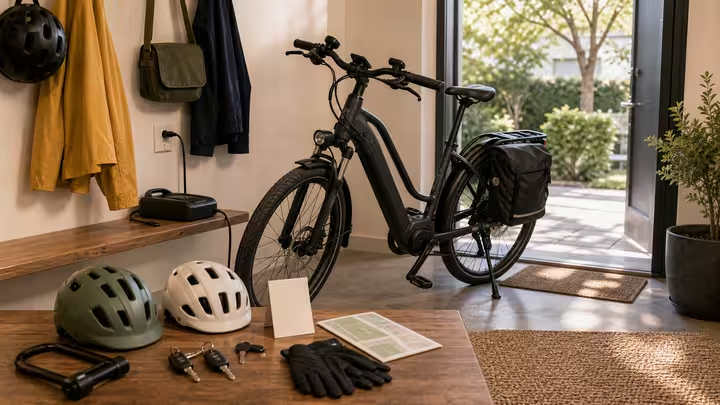
- Family Rules and Household Handoff: Share the Bike Without Sharing Confusion - Set shared rules for keys, charging, locks, routes, passengers, gear reset, damage reporting, and local-rule checks.
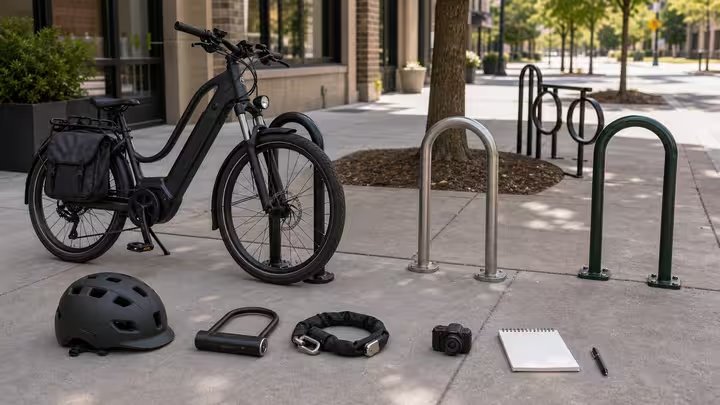
- Secure Parking Scouting: Find the Stop Before You Need It - Scout racks, fixed objects, visibility, duration, accessories, lighting, weather, building rules, and backup stops before errands.
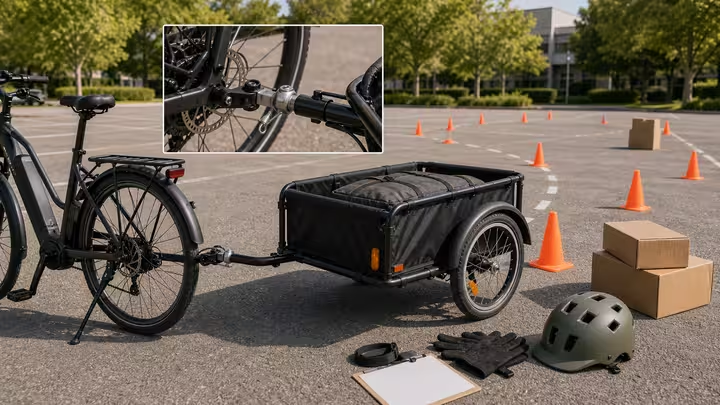
- Cargo Trailer Hitch and Turning: Practice Before the Errand - Confirm hitch compatibility, practice turns and braking, secure loads, improve visibility, and plan trailer storage.
- Emergency Roadside Call Plan: Know Who You Call Before You Need It - Prepare contacts, safe waiting places, repair boundaries, lock options, passenger steps, phone power, and emergency thresholds.
- Wheel, Spoke, and Axle Checks: Listen Before the Rim Complains - Notice spoke noise, wheel wobble, axle uncertainty, tire clues, cargo effects, and post-impact shop boundaries before the next normal ride.
- Seasonal Storage and Restart: Park the E-Bike So It Comes Back Quietly - Store and restart the bike with conservative battery habits, dry cleaning, tire care, records, security, and a modest first ride back.
- Folding E-Bike Hinge Routine: Make the Fold Part of the Ride - Practice folding, latch checks, cable protection, battery handling, transit moves, and storage habits before relying on the folded bike.
- Suspension, Seatpost, and Tire Comfort: Tune the Soft Parts Slowly - Improve ride comfort by changing tires, suspension, seatpost, cockpit, cargo, and route variables one careful step at a time.
- Home Assembly and Torque Boundaries: Know When the Box Needs a Shop - Treat shipped-bike assembly as a manual-first process with torque limits, brake and wheel checks, battery caution, records, and shop support.
- Group Ride Pacing With E-Bikes: Keep Assist From Pulling the Ride Apart - Plan mixed rides around assist settings, route pace, regroup points, passing habits, battery reserve, and local e-bike rules.
- Frame Size, Reach, and Fit Checks: Make the Bike Meet the Rider - Check frame size, reach, standover, saddle range, cockpit controls, and low-speed handling before a fit problem becomes a riding problem.
- Hub Motor and Mid-Drive Habits: Ride the Motor You Actually Have - Match motor layout to starts, hills, cargo, shifting habits, service support, drivetrain care, and local-rule fit.
- Derailleur, Hanger, and Shifting Symptoms: Notice Trouble Before It Spreads - Notice skipping, hesitation, bent-hanger clues, cargo load effects, and shop-boundary symptoms before drivetrain trouble grows.
- Post-Crash and Tip-Over Inspection: Do Not Ride Off the Surprise - Pause after falls, knocks, and near crashes to check brakes, steering, wheels, racks, battery, drivetrain, and records before riding normally.
- Wind, Gusts, and Open-Road Handling: Respect the Invisible Weather - Plan exposed routes, cargo profile, clothing, assist use, battery reserve, and no-ride boundaries around wind.
- Removable Battery Carrying and Contacts: Handle the Pack Like It Matters - Build careful habits for removable battery handling, seating, contacts, charging, storage, records, and stop-use decisions.
- Guest Rider Handoff Routine: Loan the E-Bike Without Guesswork - Share fit, controls, route limits, locks, battery habits, local rules, and return checks before a guest ride.
- Pet Trailer and Carrier Readiness: Carry Animals Only When the Setup Is Calm - Decide when a pet trailer or carrier ride has enough equipment, route, heat, restraint, and behavior margin.
- Multi-Stop Errand Loop Planning: Keep the Small Stops From Breaking the Ride - Order errands around parking, lock friction, cargo changes, cold food, battery reserve, and the return-home reset.
- Garage and Shed Storage Security: Protect the Bike Where It Sleeps - Make home storage secure, dry, charge-aware, and easy to use with anchors, locks, battery care, and clear exit paths.
- Vacation Rental and Hotel Charging: Travel With Permission and Margin - Ask before storing or charging at lodging, keep surfaces and exits clear, and build route margin in unfamiliar places.
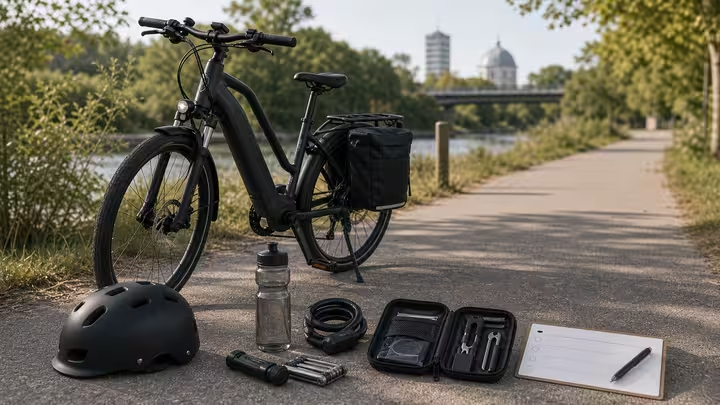
- Gravel Paths and Park Trail Boundaries: Ride the Surface That Is Actually There - Check access, surface, tires, assist, braking, weather, and shared-space etiquette before using park and gravel paths.
Neighboring libraries
- Home Energy Lab for home batteries, charging habits, electrical load thinking, and backup-power boundaries.
- Tiny Homes for tight storage, wet gear, entry zones, and shared-land vehicle etiquette.
- Keepers Guild for maintenance records, tool boundaries, and choosing professional help.
- Reality Check Desk for checking e-bike law summaries, viral battery claims, theft advice, and product promises.