
Fondsites Diagnostics
Water & Home
Water Symptom Diagnostic
Sort common tap-water symptoms into documentation, verification, and official-source checks before buying treatment gear.
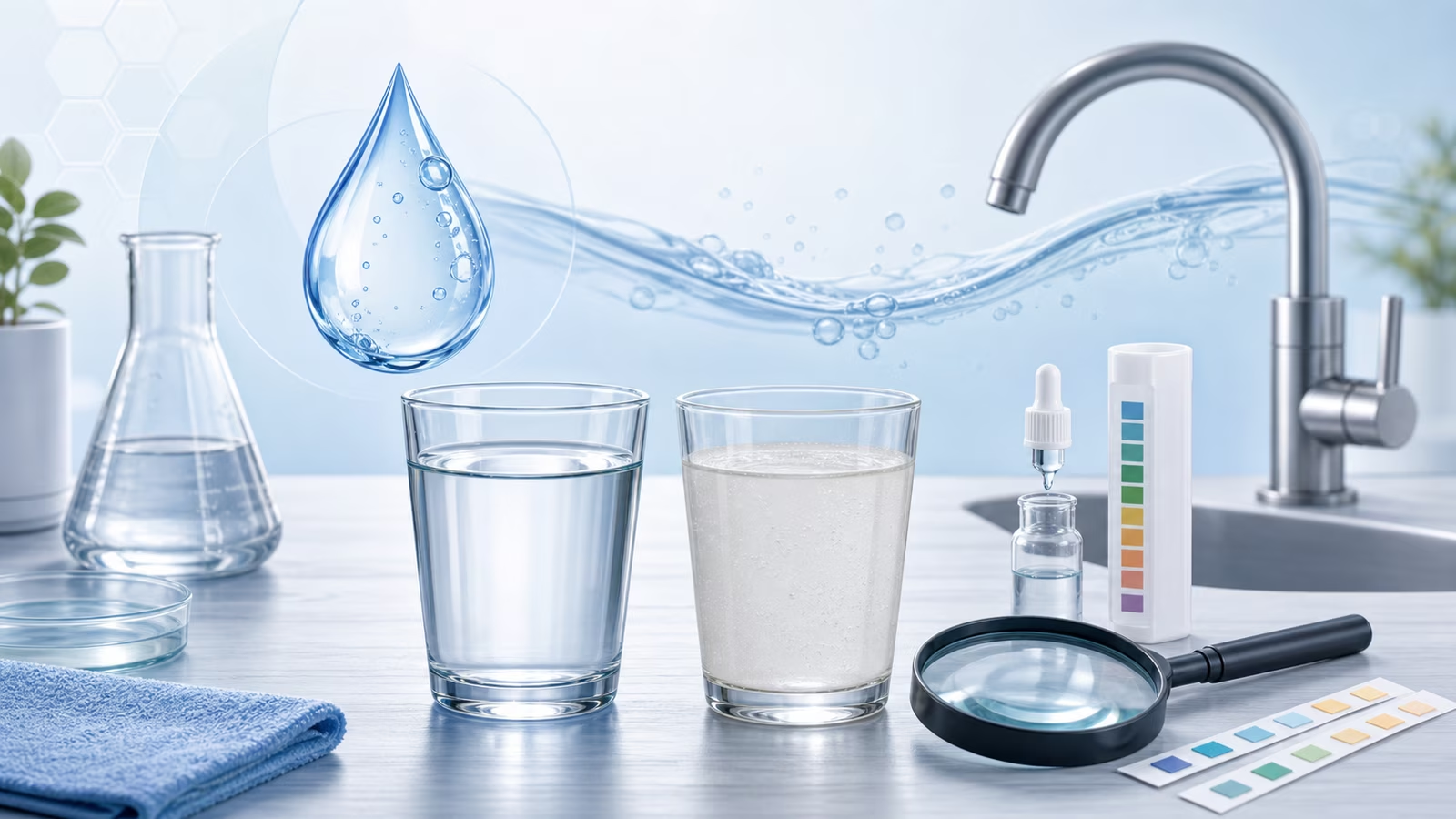
Water symptoms can be aesthetic, plumbing-related, seasonal, or a sign that official guidance matters. Start by documenting the symptom and checking local advisories before relying on a product claim.
This diagnostic is educational. For health-related contaminants, private wells, boil notices, or unusual changes, use official reports, certified labs, and qualified professionals.
Order matters with water: document first, verify second, buy last. Most symptoms have a cheap explanation — seasonal chlorine adjustments, a dying faucet aerator, a water heater overdue for flushing — and the utility’s annual quality report answers many questions a filter vendor would rather sell around. A symptom you can date, locate to hot or cold, and tie to one tap is worth far more to a plumber or a lab than “the water tastes weird.”
Interactive Diagnostic
Water Symptom Diagnostic
Select the closest symptom and context. The output is a cautious first test, not a certain diagnosis.
Diagnostic output
Choose the closest symptom to see likely causes and a first reversible test.
Symptom, Cause, Action Table
| Symptom | Possible cause | First action |
|---|---|---|
| Chlorine taste | Disinfectant residual or treatment change. | Check utility report and certified filter claim wording. |
| Egg smell | Water heater, plumbing, well, or source chemistry. | Compare hot and cold taps. |
| Metallic taste | Plumbing contact, minerals, or contaminant concern. | Use official reports or certified testing. |
| Cloudiness | Air bubbles, sediment, or system disturbance. | Observe whether it clears in a glass. |
Fast checks
- Check official advisories before trusting a household filter.
- Compare hot and cold water when smell is the main symptom.
- Photograph sediment, stains, or cloudy water with date and tap location.
- Use certified lab testing for private wells and health-related contaminants.
What not to change yet
- Do not buy a filter for a broad marketing claim before matching the exact model and contaminant.
- Do not treat boil notices, well contamination, or lead concerns as taste problems.
- Do not use a filter past its replacement interval while evaluating symptoms.
Assumptions and limitations
This page cannot identify contaminants from taste, smell, or appearance alone.
Official advisories, utility reports, certified product listings, and lab tests outweigh this diagnostic.