
Fondsites Diagnostics
Repair & Materials
Beginner Repair Problem Triage
Sort repair problems by item, symptom, risk, and parts before opening the object or buying supplies.
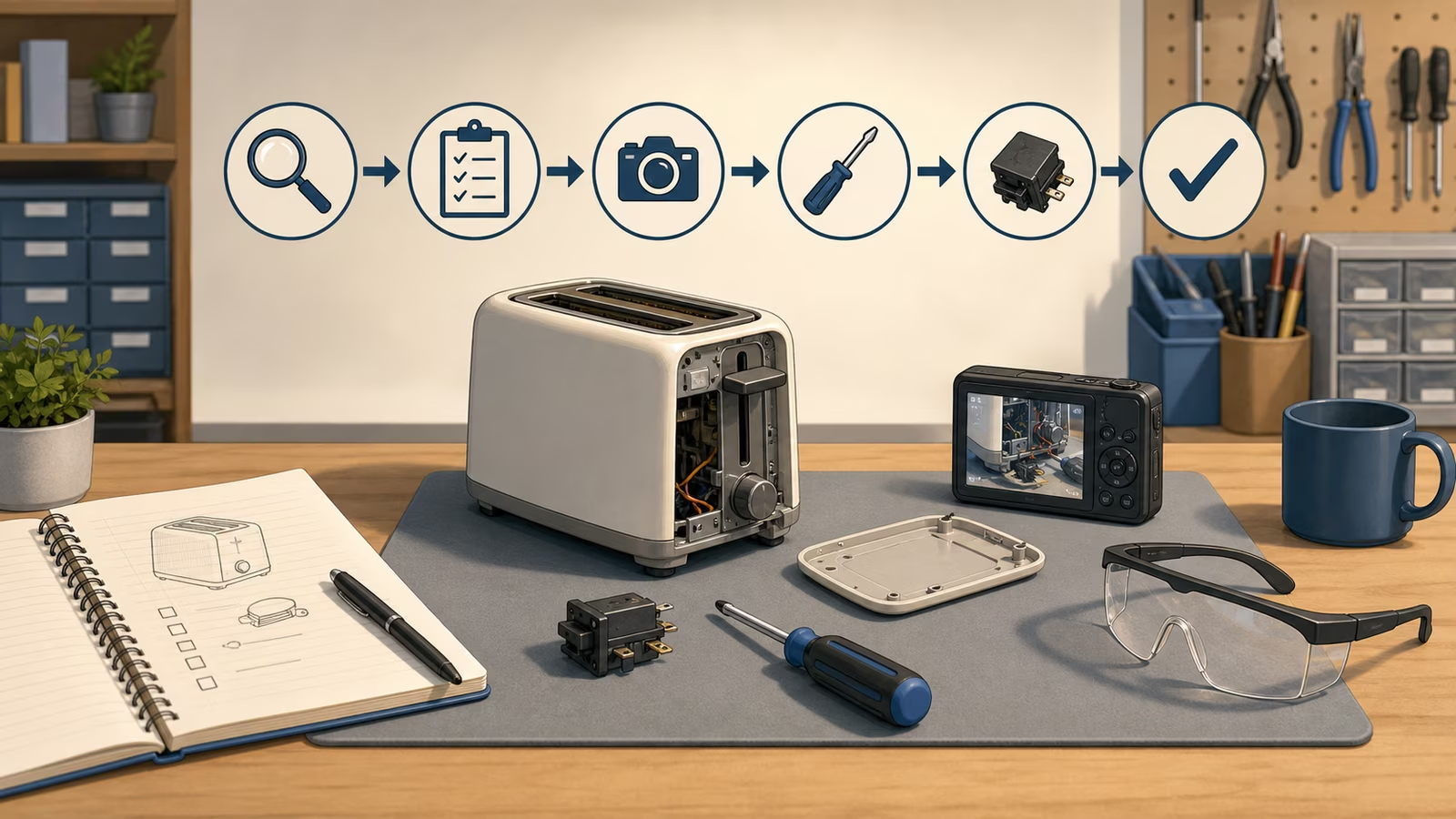
Beginner repair triage should make the next step smaller and safer. The goal is documentation, category recognition, and a reversible first move.
A red result does not mean the item is disposable. It means the repair path needs a manual, professional help, or replacement comparison before disassembly.
Photograph the item before touching anything, including labels, model numbers, and how cables or screws sit. Most beginner repairs fail at reassembly, not diagnosis, and the picture you did not take is always the one you need. Triage is also where you catch the categories that should stop you outright — mains electricity, gas, pressurized parts, swollen batteries — while the cost of stopping is still zero.
Interactive Diagnostic
Beginner Repair Problem Triage
Select the closest symptom and context. The output is a cautious first test, not a certain diagnosis.
Diagnostic output
Choose the closest symptom to see likely causes and a first reversible test.
Symptom, Cause, Action Table
| Symptom | Possible cause | First action |
|---|---|---|
| Loose or detached | Fastener, adhesive, worn joint, or cracked support. | Photograph and identify hardware. |
| Leak | Seal, fitting, crack, or plumbing issue. | Stop water and locate source. |
| Electrical issue | Cord, internal component, battery, heat, or power fault. | Stop and use professional/manual guidance. |
| Tear or seam | Fabric stress, thread failure, abrasion, or load. | Patch-test in a low-risk area. |
Fast checks
- Photograph the item before moving parts.
- Find the model number, manual, and exact part name.
- Screen for electricity, heat, gas, pressure, battery swelling, structural load, and water near power.
- Compare repair cost with replacement only after safety category is clear.
What not to change yet
- Do not disassemble sealed, powered, pressurized, gas, or heat-related equipment as a beginner repair.
- Do not glue load-bearing parts before understanding the material and stress direction.
- Do not buy specialty tools until the part and risk category are known.
Assumptions and limitations
This triage is educational and conservative.
Manuals, local rules, manufacturer guidance, and qualified professionals override this page.