
Fondsites Diagnostics
Repair & Materials
Material Care Diagnostic
Match common material symptoms to gentle first checks and what to avoid before using harsh products.
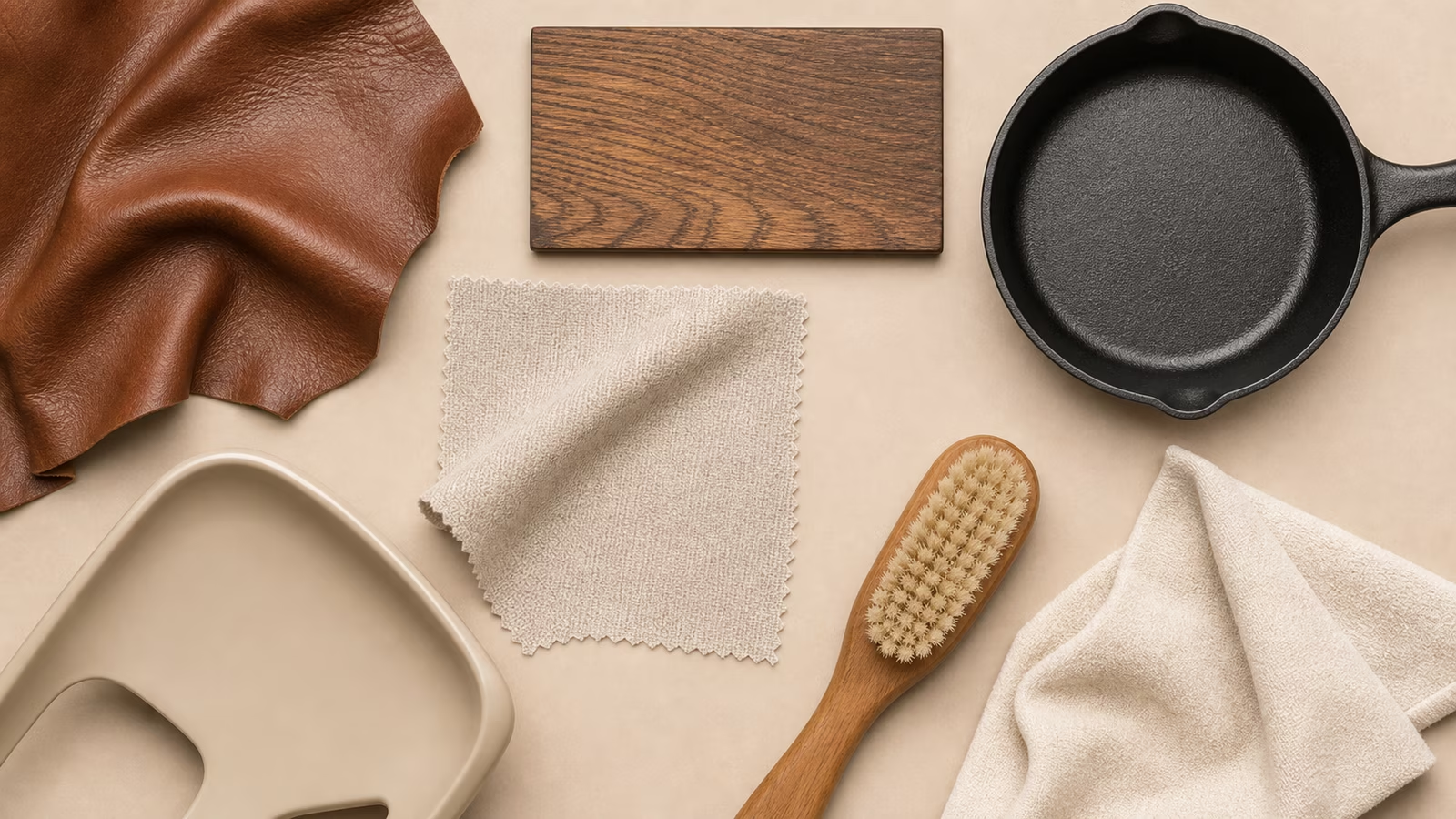
Material care begins with identifying the material and symptom. A cleaner that helps plastic can damage leather; a rust approach for cast iron may be wrong for a plated object.
Start with the gentlest reversible check and test in a hidden area when the material is uncertain.
When an object mixes materials — a leather strap on a steel watch, a wood handle on cast iron — care for the most delicate material first and protect it from the treatment the tougher one needs. Most damage attributed to “the wrong product” is really the right product migrating to the wrong surface. If a care claim promises to fix everything at once, treat it like any other claim on this network: name the material, find the mechanism, and test small.
Interactive Diagnostic
Material Care Diagnostic
Select the closest symptom and context. The output is a cautious first test, not a certain diagnosis.
Diagnostic output
Choose the closest symptom to see likely causes and a first reversible test.
Symptom, Cause, Action Table
| Symptom | Possible cause | First action |
|---|---|---|
| Dryness or cracking | Lost oils, finish failure, UV, or age. | Clean gently and test a compatible conditioner or finish plan. |
| Rust or corrosion | Moisture exposure, bare metal, seasoning loss, or coating failure. | Dry, identify metal, and remove only light corrosion first. |
| Stain | Absorbed dye, oil, tannin, pigment, or heat-set residue. | Blot or test in a hidden area before chemistry. |
| Sticky residue | Adhesive, degraded coating, oil, or cleaner buildup. | Use mild cleaner before solvents. |
Fast checks
- Identify the material and finish before picking a cleaner.
- Test hidden areas when color, coating, or fiber is uncertain.
- Remove loose dust and grit before rubbing.
- Let wet materials dry safely before judging the final surface.
What not to change yet
- Do not use harsh solvents on unknown plastic, leather, finishes, or fabric.
- Do not sand, bleach, or polish plated and finished surfaces before identification.
- Do not seal in moisture or odor with oils, waxes, or coatings.
Assumptions and limitations
This page gives first-care direction, not restoration guarantees.
Valuable, antique, electrical, structural, or sentimental objects may need a conservator or specialist.