
Fondsites Diagnostics
Taste & Brewing
Coffee Taste Diagnostic Atlas
Troubleshoot sour, bitter, weak, muddy, papery, smoky, flat, or inconsistent coffee without changing every variable at once.
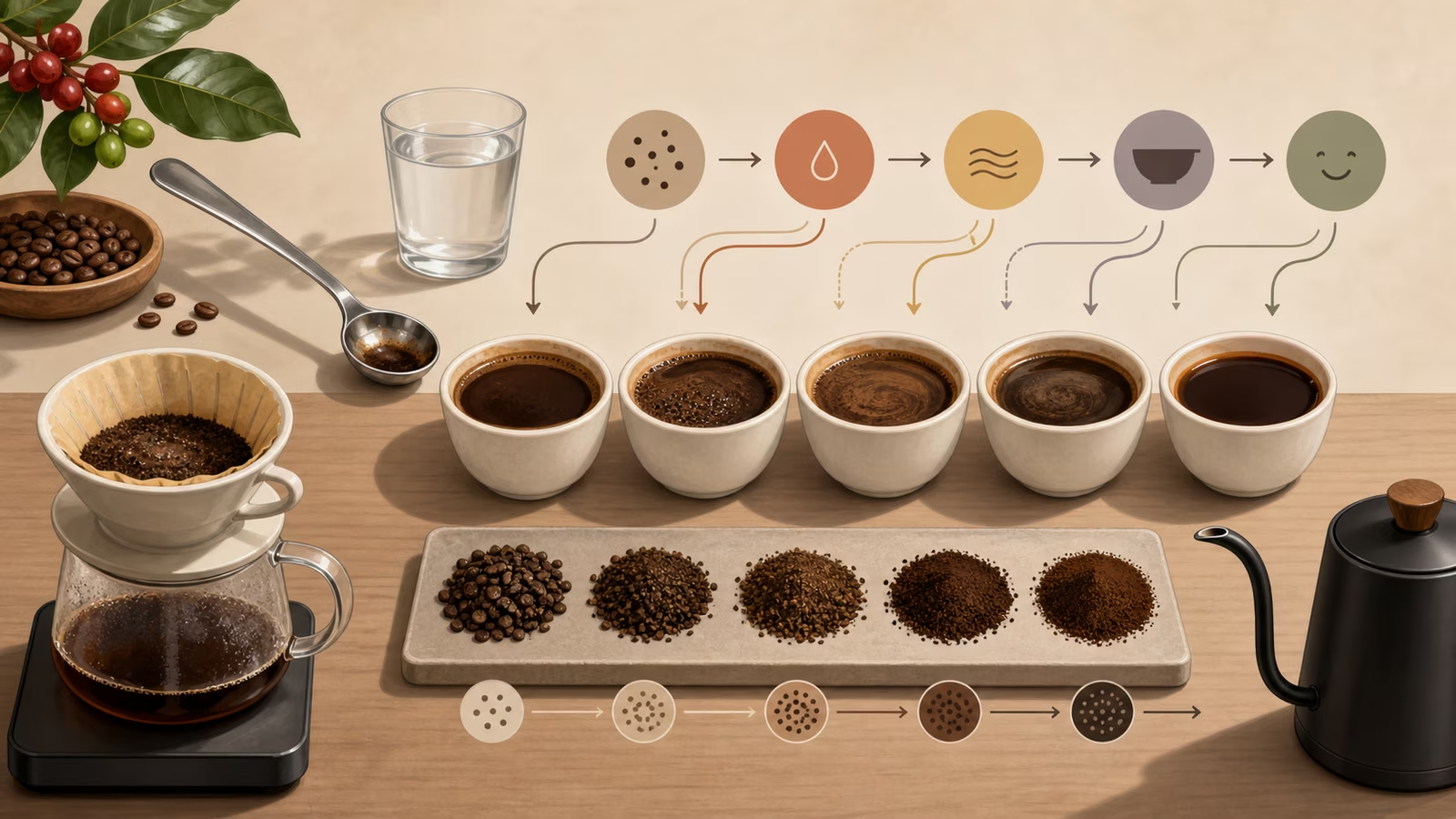
Coffee taste problems usually come from extraction, water, freshness, grind, heat, paper, or consistency. The atlas keeps those causes visible so the next test is reversible.
Use the selector as a triage aid, not a verdict. A sour pour-over and a sour espresso may point in the same direction, but the first check should fit the method.
The discipline that makes this atlas work is changing one variable per brew. Sourness that survives a finer grind is telling you something different from sourness that fades — but only if the ratio, water, and dose held still while you tested. Two careful brews teach more than ten scattered ones, and the notes you keep here become the profile of your grinder, your water, and your roaster rather than generic internet advice.
Interactive Diagnostic
Coffee Taste Diagnostic Atlas
Select the closest symptom and context. The output is a cautious first test, not a certain diagnosis.
Diagnostic output
Choose the closest symptom to see likely causes and a first reversible test.
Symptom, Cause, Action Table
| Symptom | Possible cause | First action |
|---|---|---|
| Sour or sharp | Under-extraction, cool water, coarse grind, fast shot, or short contact. | Move finer or increase contact time once. |
| Bitter or drying | Over-extraction, too-fine grind, long contact, or channeling. | Move coarser or shorten contact time once. |
| Weak or hollow | Wide ratio, stale coffee, short contact, or dilution. | Tighten ratio or reduce bypass. |
| Muddy or heavy | Fines, over-agitation, filtration, or roast oils. | Agitate less or grind slightly coarser. |
Fast checks
- Confirm coffee dose and water amount with a scale before changing the recipe.
- Check whether the water is hot enough for the method and consistent between brews.
- Rinse paper filters when the cup tastes papery or muted.
- Clean oils and fines from the grinder, brewer, and server.
What not to change yet
- Do not change dose, grind, temperature, agitation, and time in one brew.
- Do not assume bitterness always means the grind is too fine; channeling can taste both sour and bitter.
- Do not judge a hot cup only in the first sip. Taste again as it cools.
Assumptions and limitations
This diagnostic suggests likely causes, not certainty.
Coffee age, roast level, grinder alignment, water chemistry, and personal taste can shift the right next step.