An intergenerational table is not just a regular gathering with a child in the corner or an older person in the best chair. Mixed ages change timing, sound, pacing, seating, food, attention, and assumptions about what counts as participation. If those changes are ignored, someone usually becomes the problem. The child is too loud, the teen is too quiet, the elder is too slow, the parent is distracted, or the host is suddenly managing a room they did not design.
The better move is to make mixed ages ordinary before guests arrive. That means designing a ritual where different bodies, attention spans, and social speeds can share one table without forcing everyone into the same role. Children, Pets, and Neighbors handles some boundary questions. This guide focuses on the table itself: how to let age difference be present without making it the whole subject.
Choose timing that respects bodies
Mixed-age gatherings often fail because the host keeps adult dinner-party timing and hopes everyone else will adapt. Late starts can be hard for children, elders, caregivers, transit users, and guests who manage medication, sleep, or fatigue. A daylight table, early supper, after-school snack, weekend lunch, or porch hour may hold the same warmth with less strain.
Daytime Table Rituals is a useful companion because intergenerational hospitality often needs daytime respect. A gathering does not become less serious because it happens at three in the afternoon. It may become more repeatable. People can arrive with more attention, leave before the hardest part of the day, and avoid pretending that late evening is neutral.
The invitation should name the window clearly. If children are included, say whether they are expected to sit at the table the whole time or can move between a table task and a floor activity. If elders or mobility-limited guests are coming, say what the entrance, bathroom, chairs, and parking are like. Accessibility for Small Gatherings matters here because age is not the same as access need, but mixed-age tables often reveal access needs quickly.
Give people roles that are not age costumes
A common mistake is assigning people roles based on a story about their age. Children are expected to be cute. Teens are expected to be cynical or technically useful. Elders are expected to give wisdom. Parents are expected to translate everyone. Young adults are expected to lift, carry, or adapt. These assumptions may be affectionate, but they make guests perform a category instead of entering the ritual as people.
Use ordinary roles instead. Someone can pour water. Someone can choose the first question. Someone can pass fruit. Someone can place puzzle pieces edge-up. Someone can hold the door. Someone can keep the tea timer. Someone can sit and watch. The role should be optional and practical, not a public statement about who they are.
This is where Quiet Guest Participation becomes broader than quietness. A teen who does not want to be interviewed, a child who warms slowly, an elder who is tired of being asked to summarize the past, and an adult who has spent all day caregiving may all benefit from visible roles that do not require performance. The host can make participation tangible without making it theatrical.
Design the table in layers
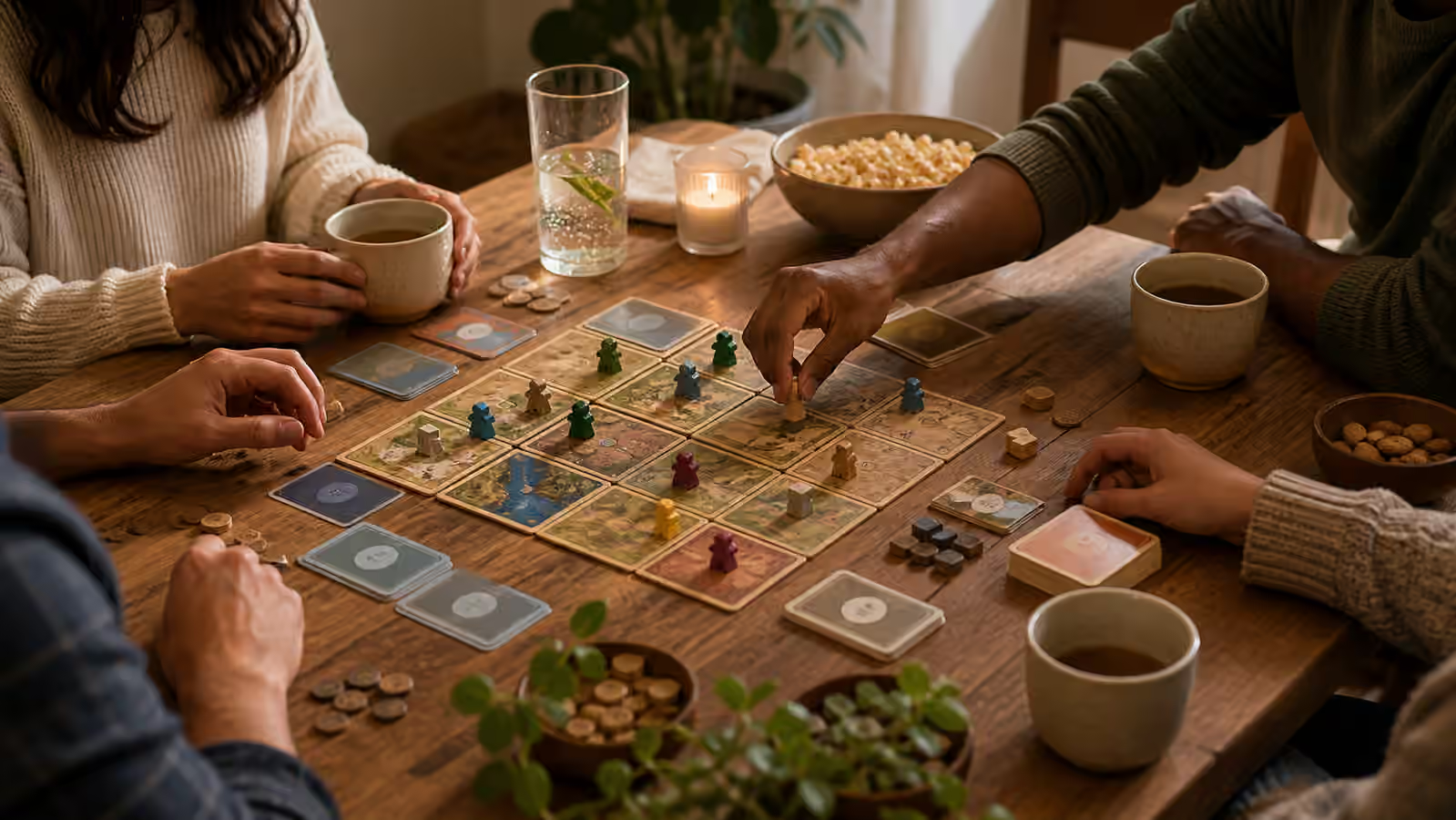
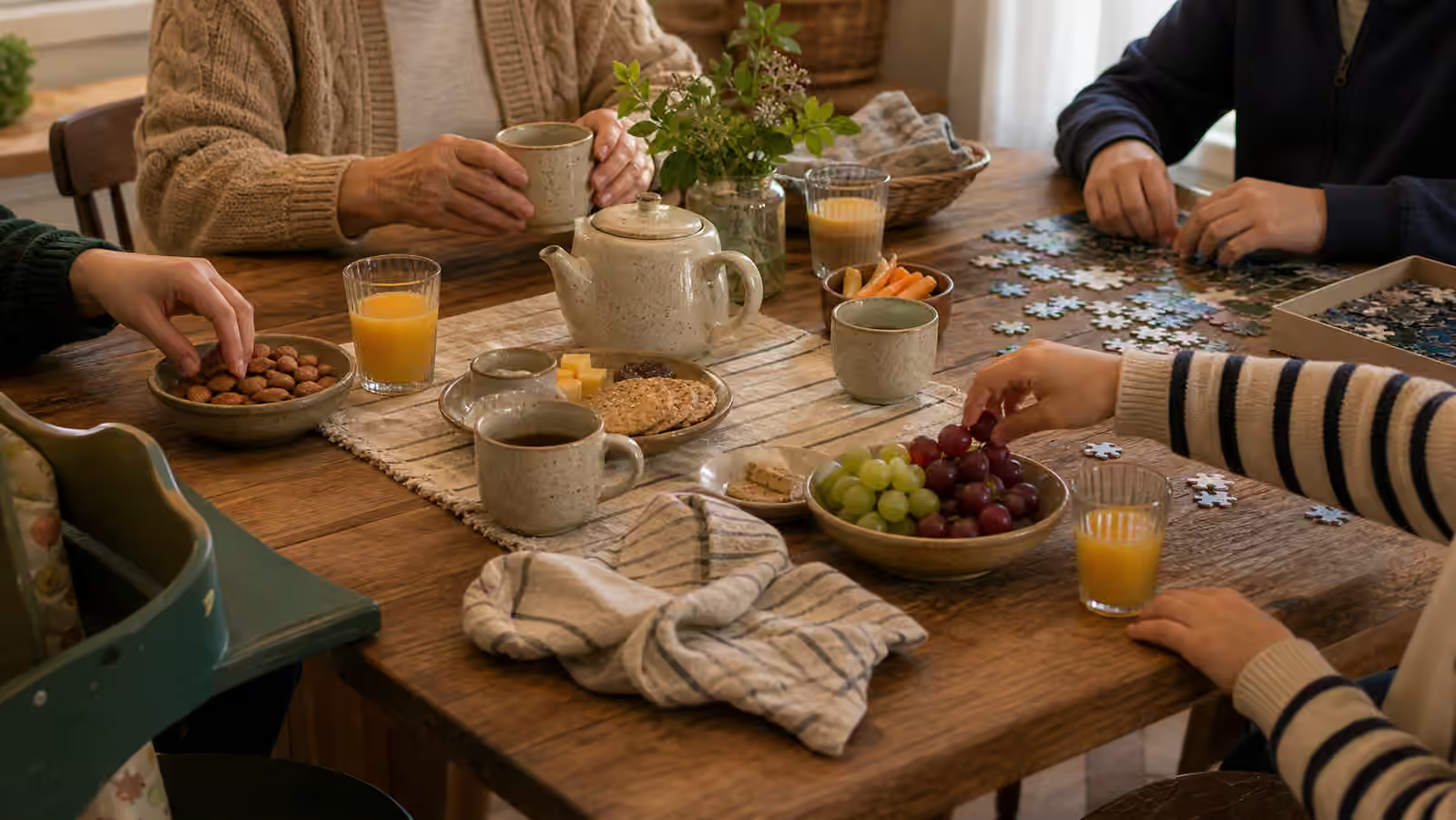
Mixed-age tables work well when there is more than one layer of attention. The main layer might be soup, tea, dessert, or snacks. A second layer might be a puzzle, cards without reading pressure, shelling peas, folding napkins, sorting photos without storytelling demands, or looking through seed packets. The second layer gives hands a place to go when conversation is too fast or too slow.
The layers should stay connected. If children are sent to another room with a screen while adults have the “real” table, the gathering may be convenient, but it is not intergenerational. If adults are forced to play a children’s game for the whole gathering, the room may become strained in another direction. The useful middle is a table where people can drift between talking, doing, watching, and resting while still sharing a center.
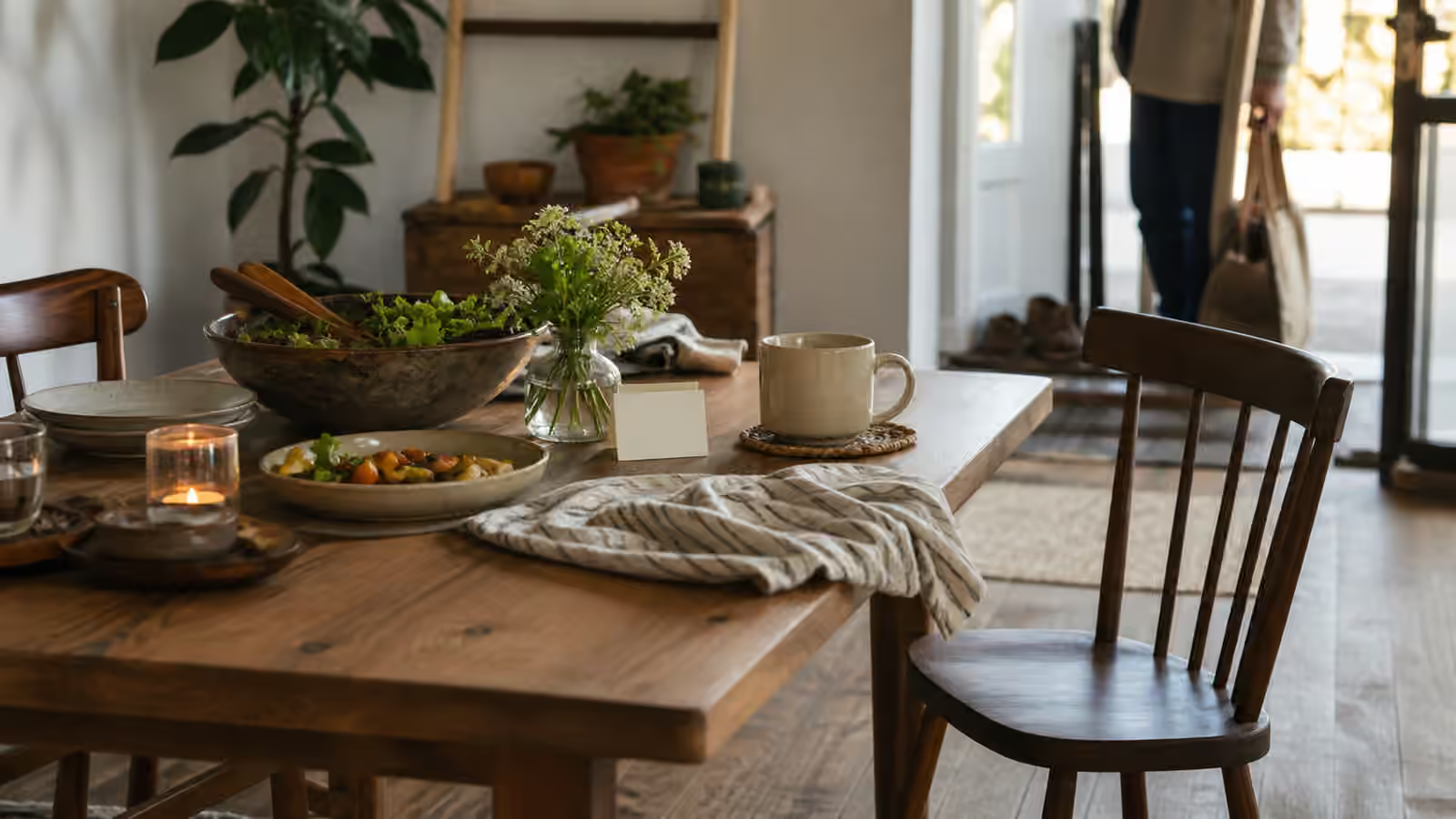
Seating matters. A chair that is fine for a thirty-year-old may be hard for an older guest to rise from. A child may need a stable seat that lets them reach the table without kneeling. A teen may prefer an edge seat that gives them room to observe. Nobody needs a public announcement. The host can simply make varied seating available and avoid treating the most comfortable chair as a prize.
Keep conversation from turning into examination
Mixed-age conversation can become an interview very quickly. Adults ask children about school, teens about plans, elders about memories, and parents about logistics. These questions may be kind, but they can make people feel inspected. A better table gives everyone shared material to talk from.
Food, weather, neighborhood changes, a short passage, a simple game, a repair task, a family recipe note without pressure, or a walk around the block can all create side-by-side conversation. The host can ask questions that do not require anyone to represent their life stage. “Which part of the table is easiest to reach?” “What snack should come back next time?” “What is one thing that made the room calmer?” These questions belong to everyone.
Be careful with nostalgia. It can be warm when invited and heavy when demanded. Do not make older guests produce stories to prove value. Do not make younger guests listen politely to long advice loops. Topic Boundaries Without Policing the Table can help if the room drifts into lectures, teasing, or generational complaint. The host can redirect toward the shared ritual without scolding.
Make exits and pauses normal
Mixed-age gatherings need permission for movement. A child may need to step away. An elder may need a bathroom path. A parent may need to check a message. A teen may need a quiet minute. A guest with pain, hearing fatigue, or social overload may need to leave earlier than the group. If the only acceptable participation is sitting still for two hours, the format is too narrow.
Name the permission casually. “People can move around; the table will still be here” is enough. Keep paths clear. Do not block coats behind chairs. Do not make every absence a subject. When someone returns, let them reenter through a task or a simple line, not a recap they did not request.
The practice is to invite a mixed-age group to a short tea, puzzle, soup, or porch table and give every person one optional role that is not based on performing their age. Afterward, ask whether anyone had to become the project of the room. If the answer is no, the table probably held mixed ages as ordinary life rather than as a special theme.