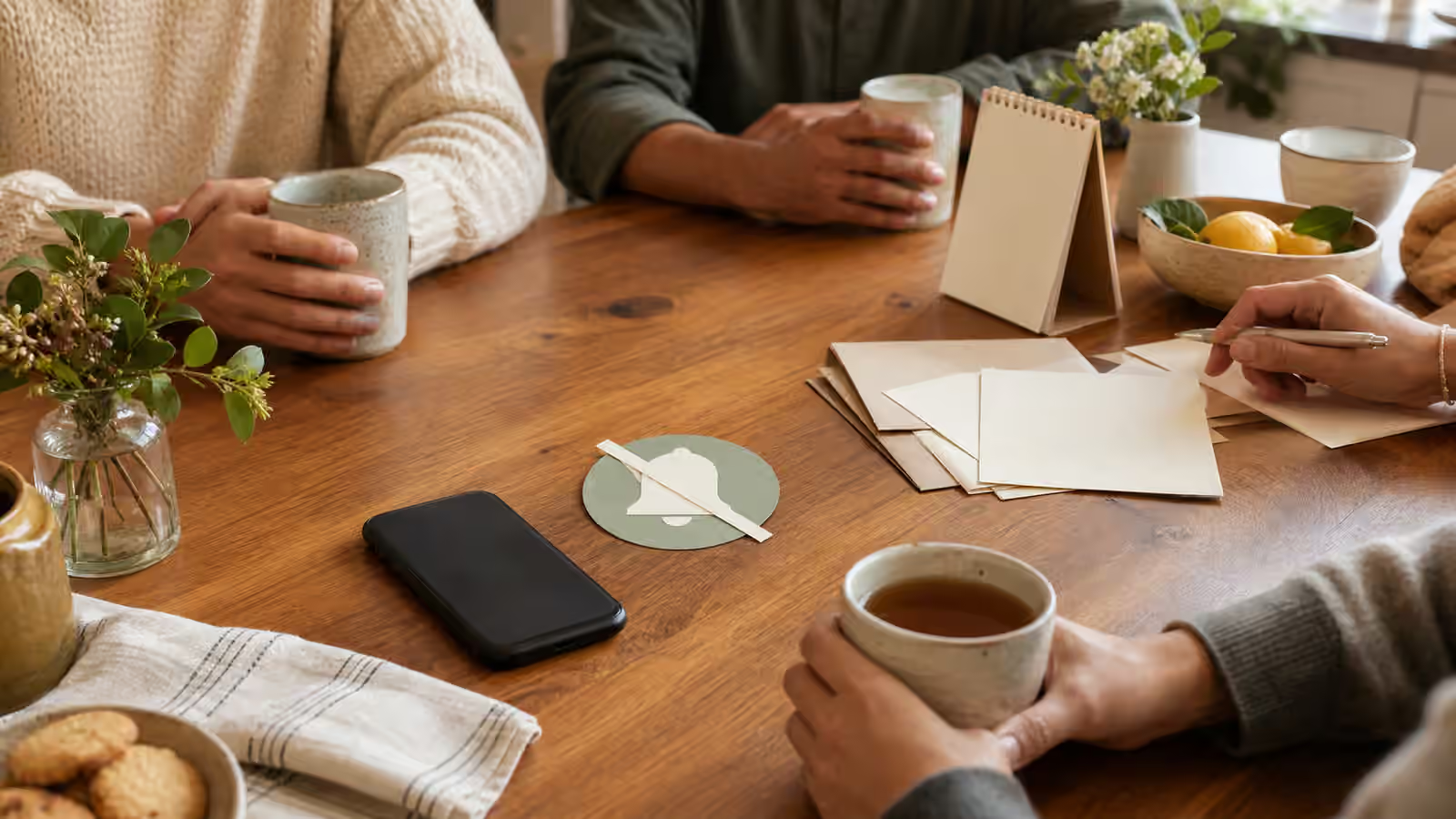
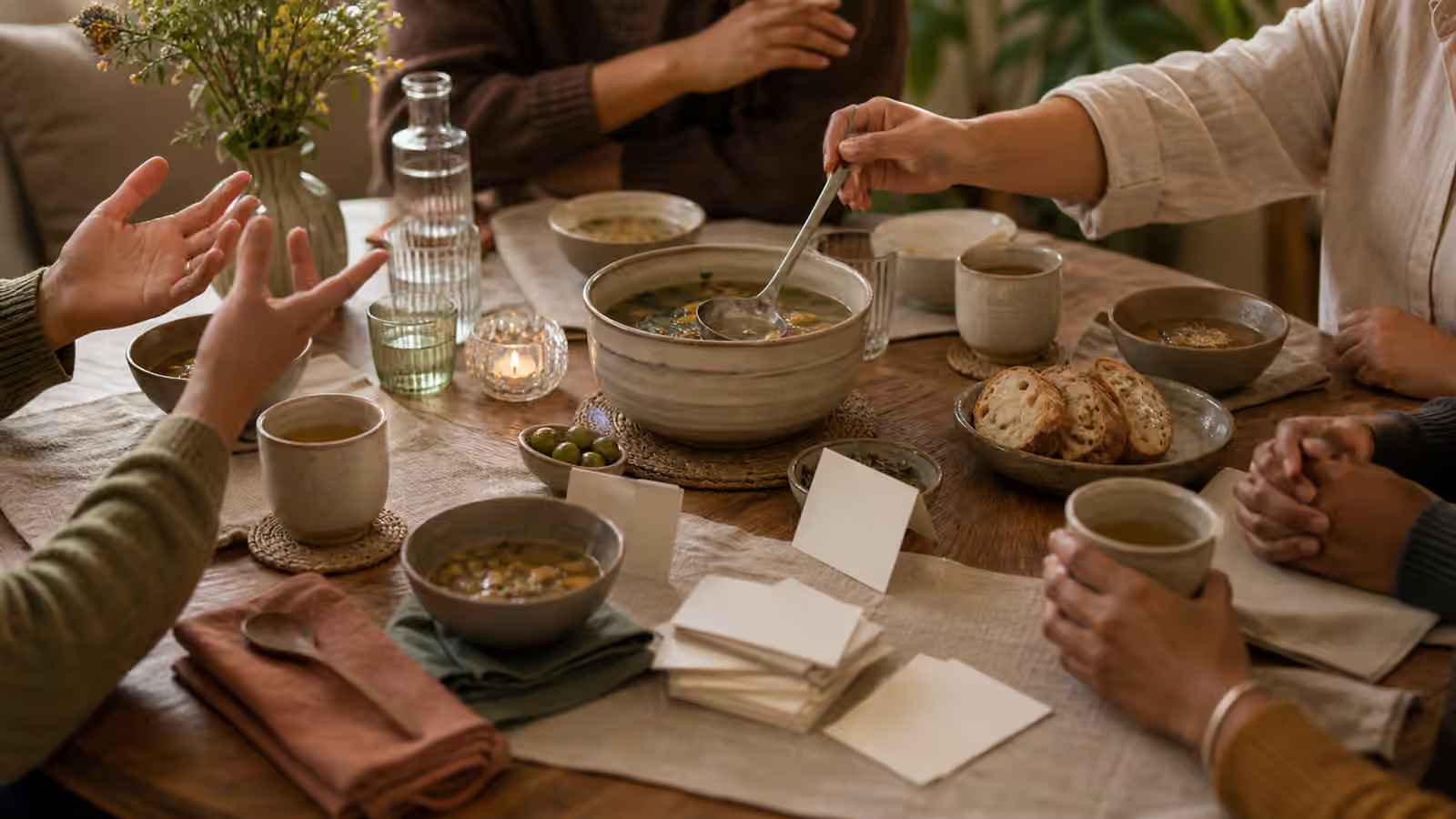
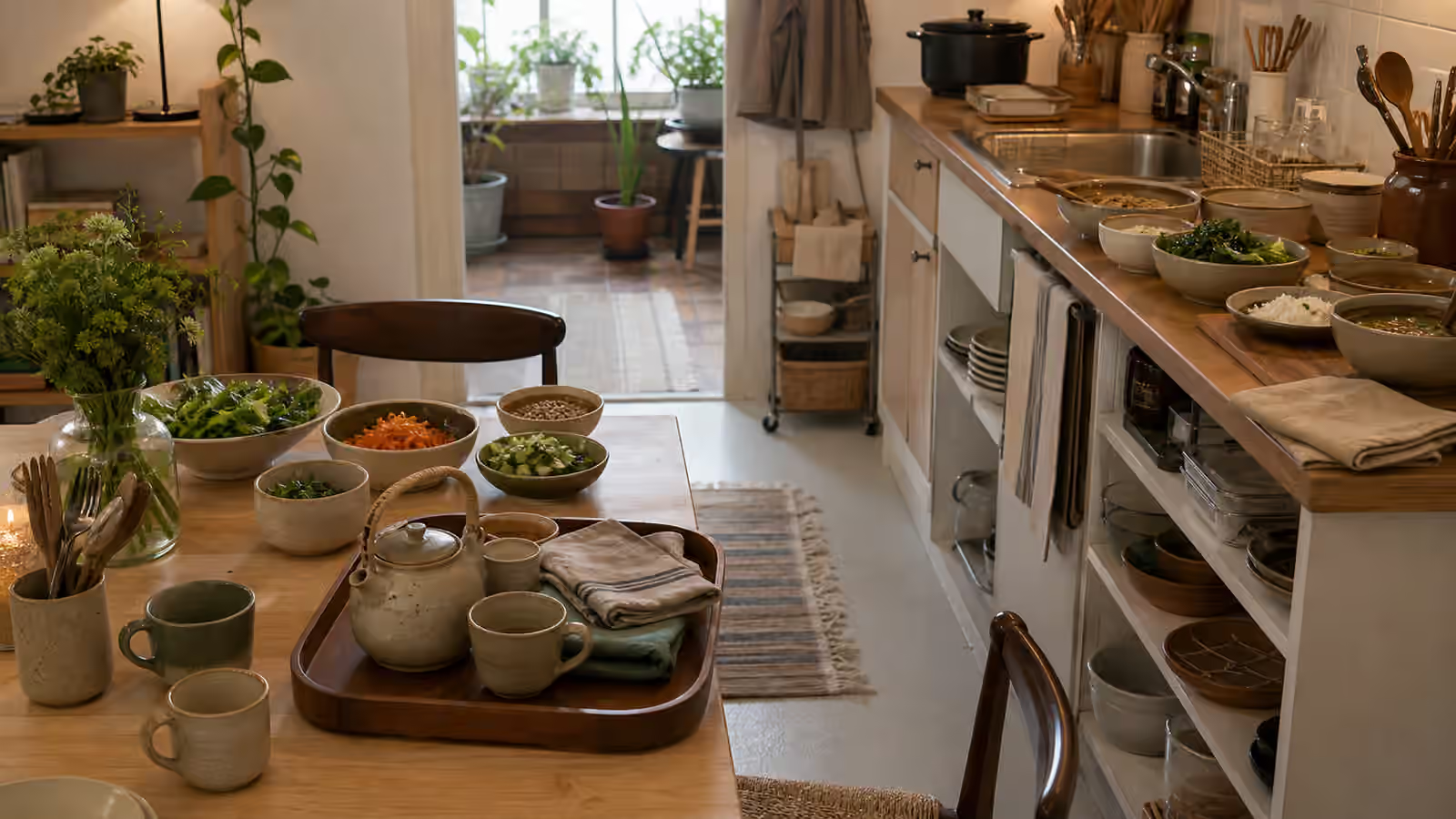
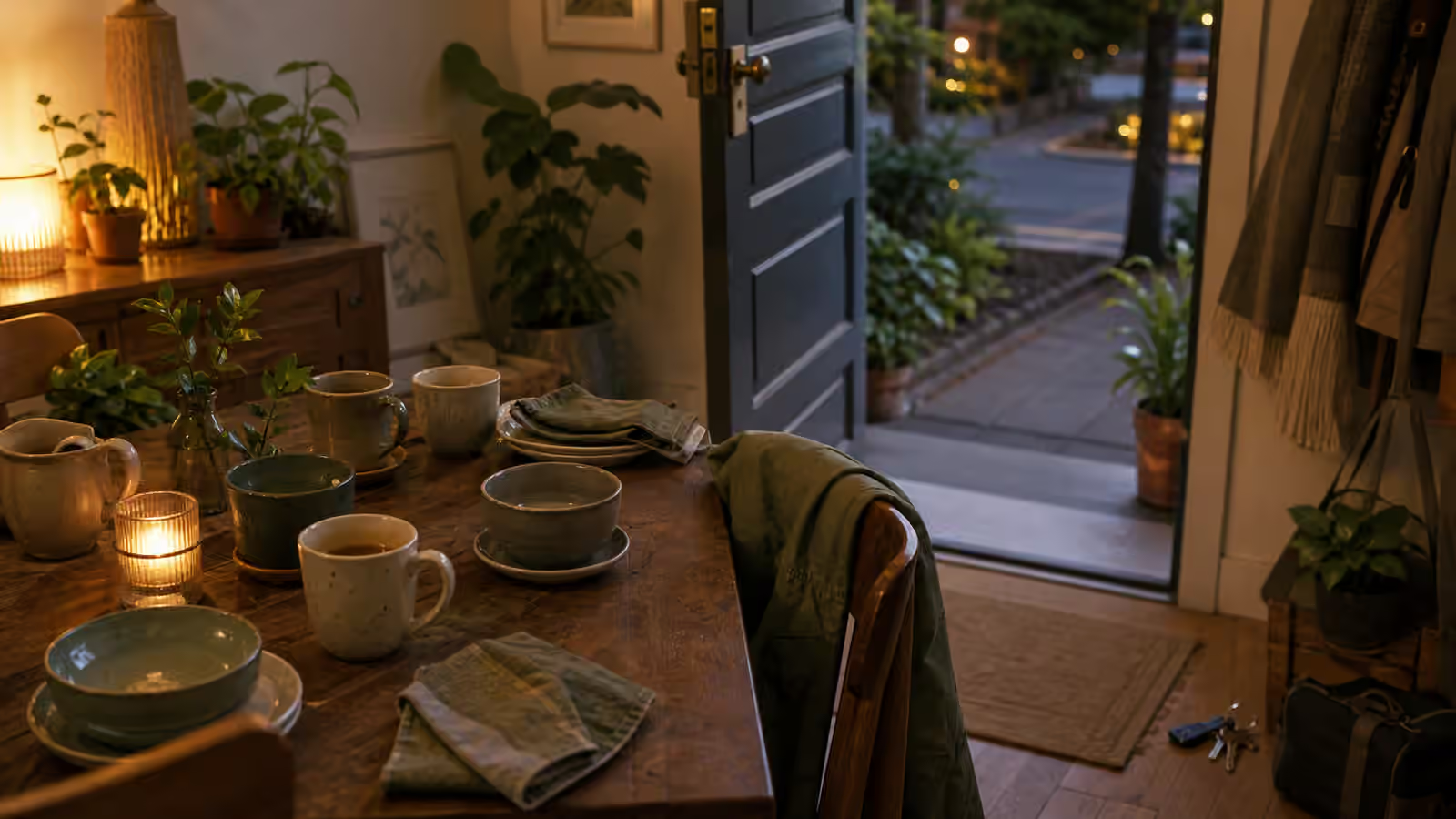
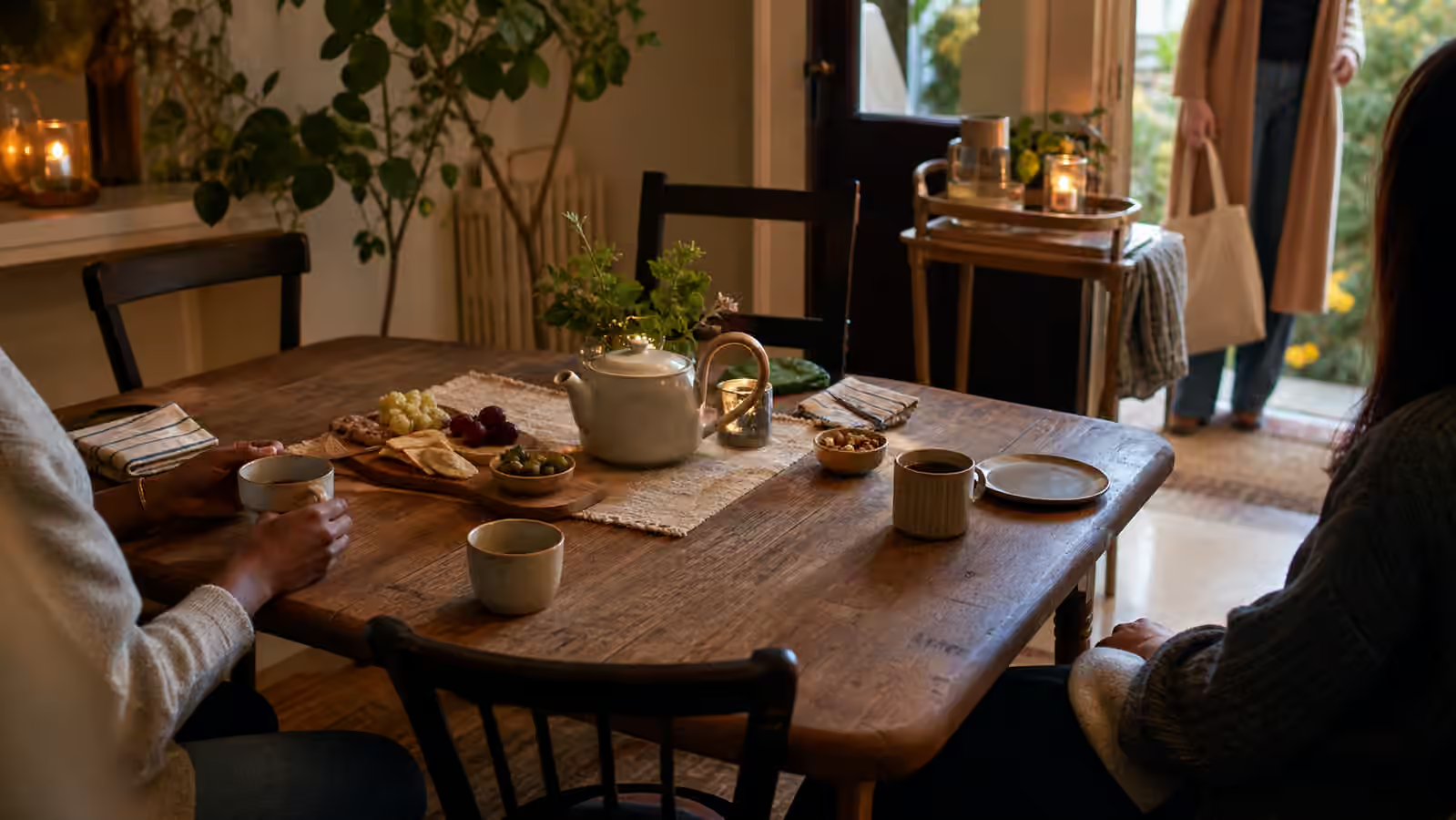
The Common Table guidebook shelf teaches social ritual design for small in-person gatherings. The goal is not a bigger party, a prettier table, or a more elaborate drink. The goal is a repeatable social format that people can understand, enter, leave, and return to.
Note
Not a party-planning or mocktail shelf
These guides use food, tea, nonalcoholic drinks, walks, reading, repair, and shared tasks as social anchors. They do not treat hosting as performance, alcohol as the center, or mocktails as the whole point. The design question is always: what small ritual can repeat without pressure?
For quick practice between guides, use the Common Table game track . It turns invitations, openings, closings, sober-ish defaults, guest bridges, and reminder rhythms into short drills.
Core ritual design
- The Common Table Quickstart: Start a Repeatable Small Gathering - Start one small recurring gathering with a clear invitation, gentle opening beat, sober-ish default, and repeatable close.
- Tiny Table, First Four: Why Small Is the Social Design Advantage - Use a four-person table as the easiest starting scale for conversation, safety, timing, and repeat invitations.
- Invitations Without Pressure: Ask Clearly, Let People Decline Easily - Write invitations that make the format, timing, effort level, and decline path clear before anyone feels trapped.
- Arrival Logistics: Parking, Transit, and Door Cues - Reduce pre-gathering friction by making parking, transit, entry, stairs, coats, shoes, and first contact easier to understand.
- Guest Fit Without Gatekeeping: Build a Kind First Table - Choose early guests by social fit, steadiness, and care instead of status, novelty, or pressure to include everyone.
- Plus-Ones Without Resetting the Table - Add partners, visiting friends, or occasional extra guests without making regulars defend the old rhythm.
- Choosing the Repeatable Format Before the Menu - Pick the ritual shape first so food, drinks, timing, and invitations support the same recurring promise.
- The Opening Beat: Help People Arrive Without Performing - Give a gathering a first five minutes that lowers awkwardness without forcing icebreakers or introductions.
- Closing Before It Drifts: End While the Room Still Feels Good - Use a clear closing ritual so people leave with warmth instead of waiting for the gathering to run out of energy.
- Ride-Home and Exit Plans: Help Guests Leave Clearly - Make coats, rides, transit, weather, doorways, and early departures part of the hospitality plan instead of a tired afterthought.
- Rituals, Not Themes: Make the Repeatable Part Visible - Avoid theme inflation by designing a small repeated action that matters more than decor, costumes, or novelty.
- The Host Energy Budget: Design for the Host Who Actually Exists - Build gatherings around real host capacity, not the imagined version of you who cooks, cleans, charms, and recovers easily.
- Host Recovery Reset: Make the Day After Part of the Ritual - Protect repeatability by designing the host’s next-day quiet, cleanup baseline, simple food, and follow-up boundary.
- Household Consent Before You Host Again - Make recurring hospitality workable in shared homes by asking about space, noise, cleanup, privacy, and recovery before guests arrive.
- Social Safety House Rules for Small Gatherings - Set light, human house rules around alcohol, photos, conflict, food needs, arrivals, and leaving before problems define the night.
Recurring formats
- Monthly Soup Night: The Lowest-Drama Recurring Table - Use soup as a forgiving anchor for recurring community, easy dietary variation, warm pacing, and low-cost hosting.
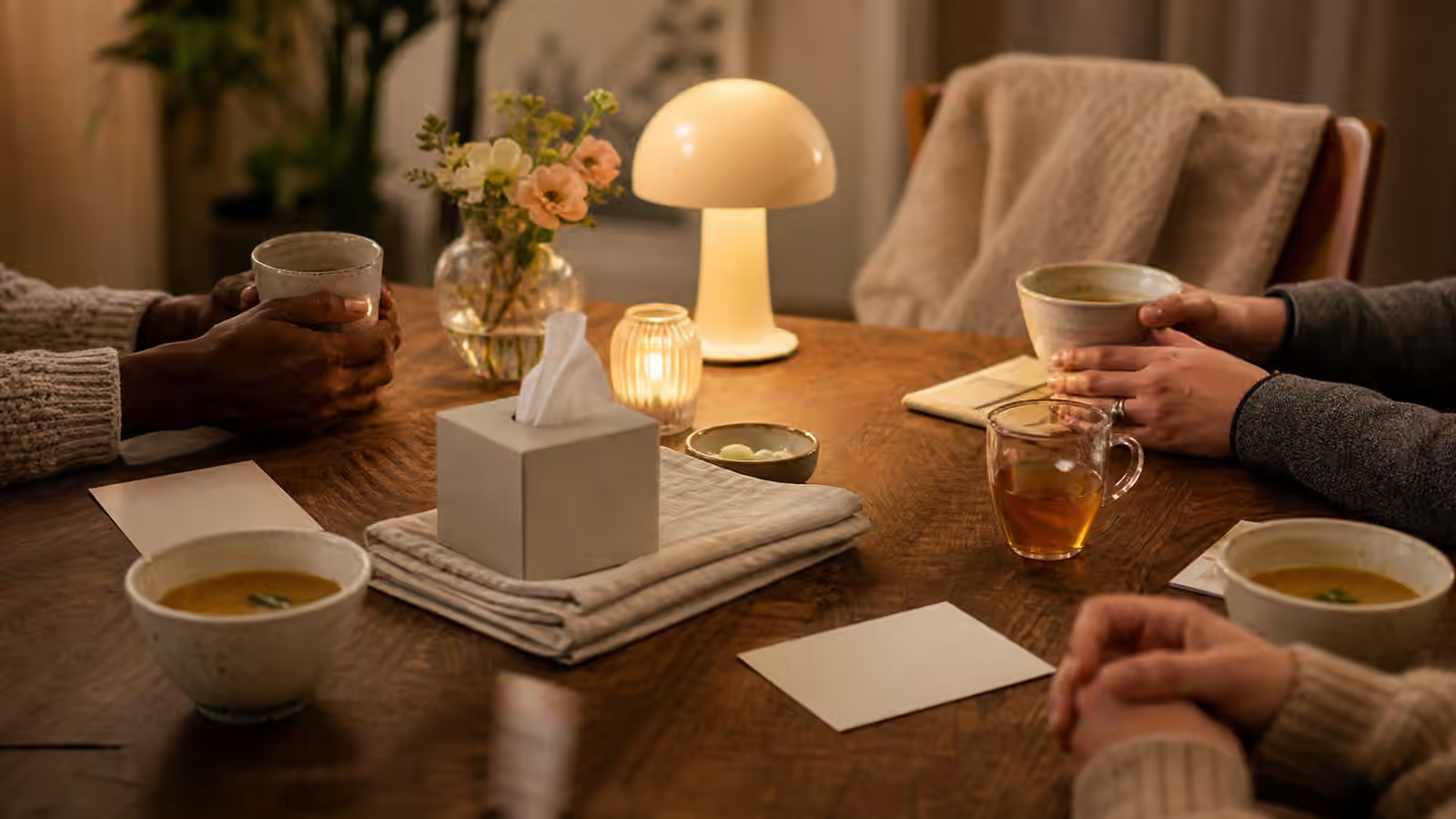
- Weeknight Tea Circle: A Soft Landing After Work - Design a short tea gathering that gives people warmth, conversation, and an easy exit without becoming a late-night event.
- Daytime Table Rituals for People Who Do Not Do Late Nights - Move recurring hospitality into morning, lunch, or afternoon windows for guests whose real lives make late plans hard.
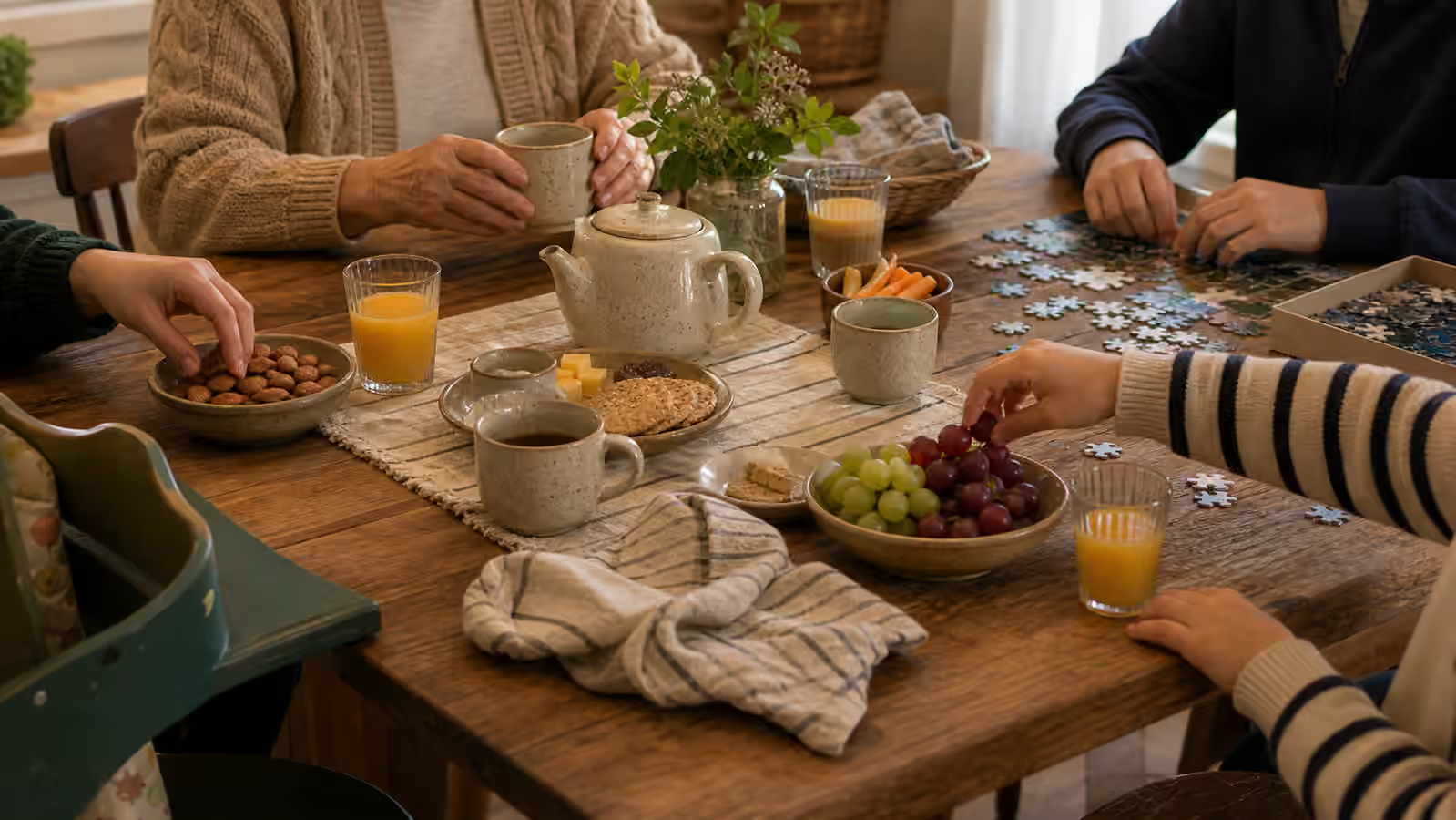
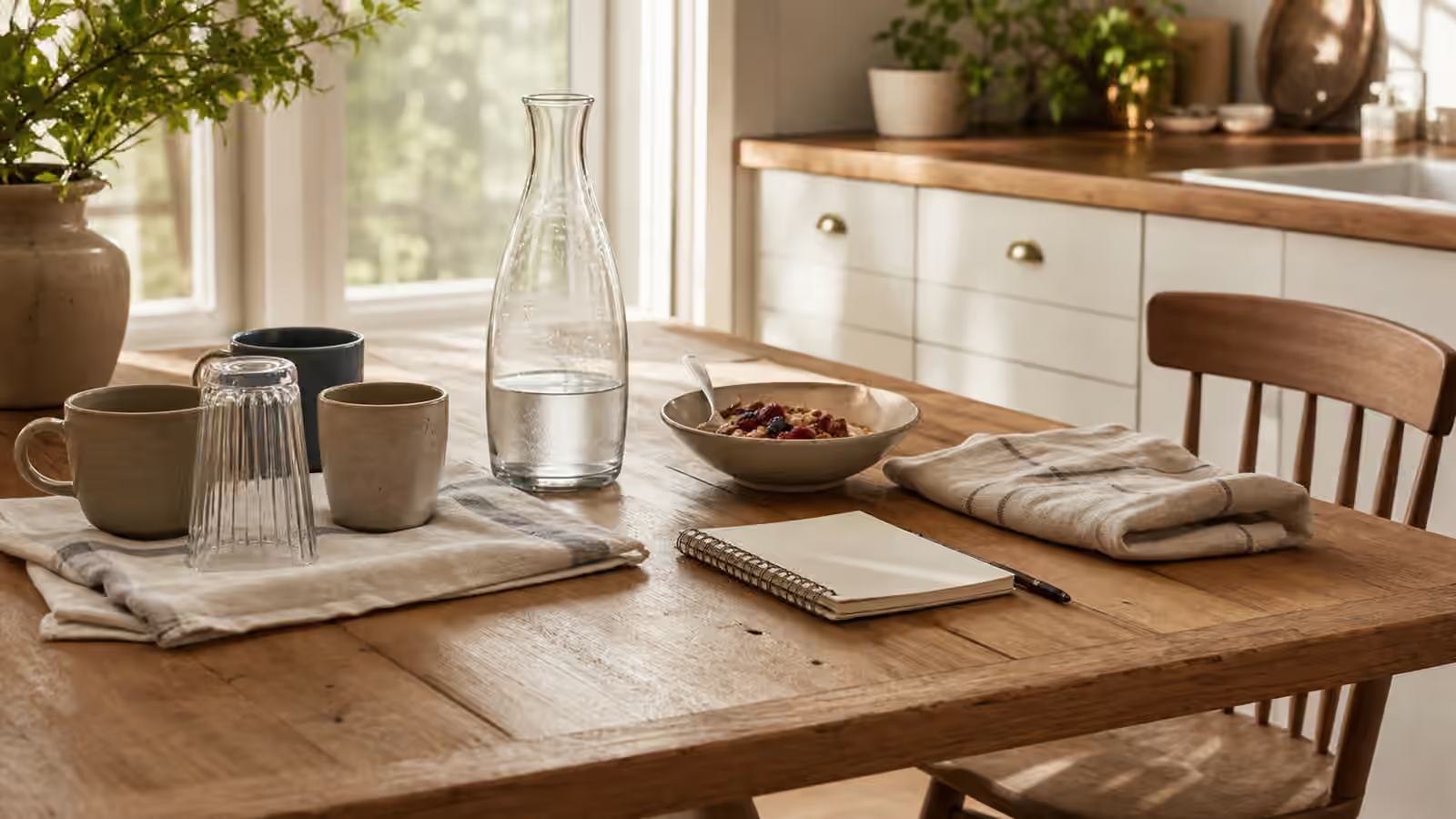
- Breakfast Table Before the Day: Gather Before Schedules Scatter - Use a short morning table with one warm drink, one simple food anchor, and a clean ending before daily obligations take over.
- Sober-ish Happy Hour: Make Alcohol Optional, Not Central - Host an after-work table where alcohol is not the main activity, nonalcoholic choices feel normal, and nobody is asked to explain.
- The No-Phone Dinner Window Without Making It Weird - Create a short phone-light table ritual that protects attention without shaming guests or pretending emergencies never happen.
- Walking Table: Gather Before You Sit Down - Use a short walk as the opening ritual for people who talk more easily side by side than across a table.
- The After-Table Walk: Let the Room Decompress - Use a short optional walk, porch step, or doorway pause after a gathering so people can transition without making the table drag on.
- Porch and Stoop Hour: A Low-Threshold Neighbor Ritual - Turn a porch, stoop, hallway, or front step into a small repeatable neighbor hour without over-hosting.
- Drop-In Hour Without Losing the Table - Design a gentle drop-in window with clear anchors, soft arrivals, and an ending that still feels like a ritual.
- Weather Backup Plan: Keep Outdoor Rituals Repeatable - Design a simple rain, heat, wind, or cold backup so outdoor rituals do not collapse into last-minute confusion.
- Book-Passage Table: Read One Short Thing Together - Build a gathering around one short passage, poem, recipe note, or article excerpt instead of an entire book club obligation.
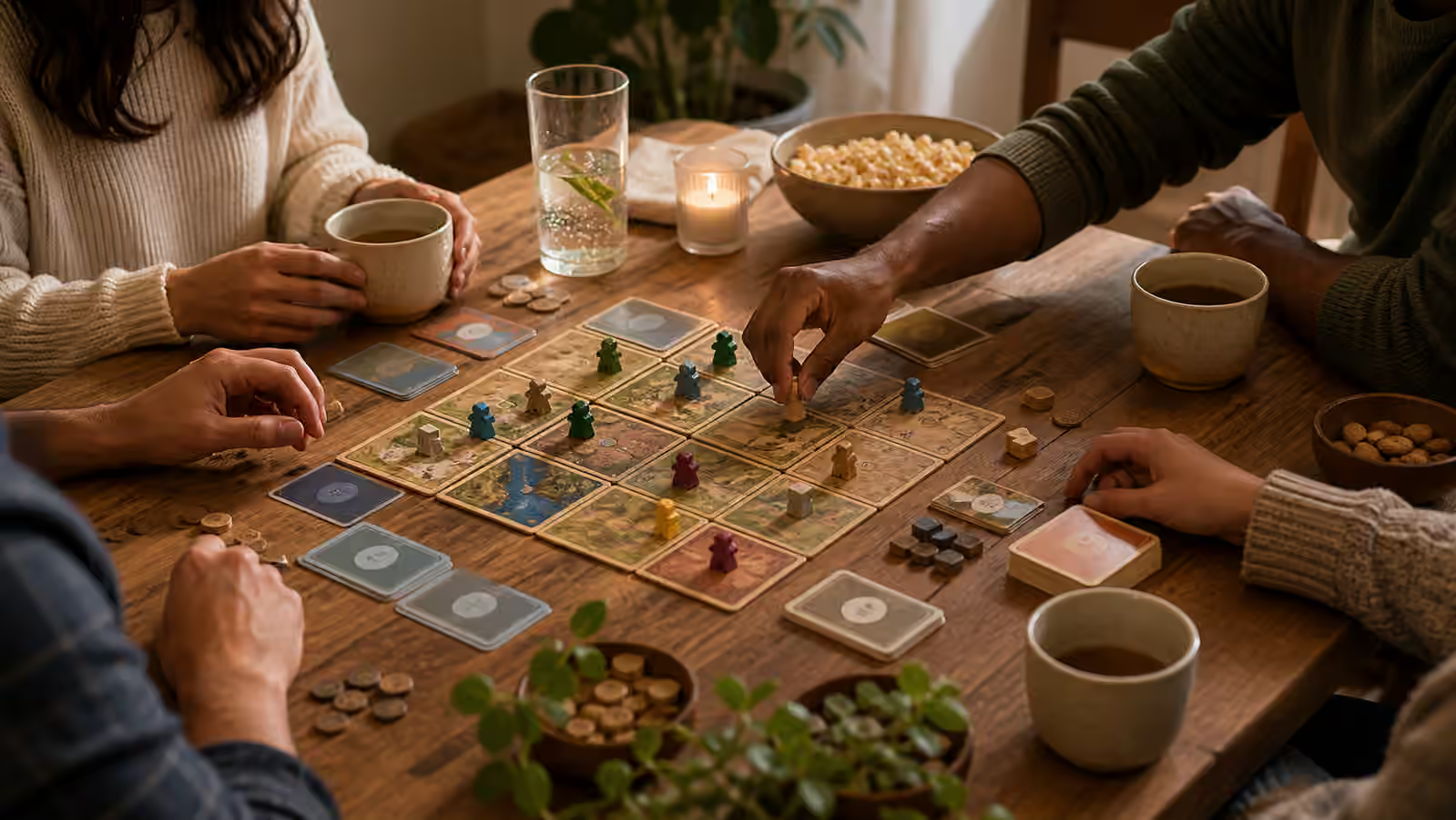
- Game Night Without Pressure: Let Play Hold the Room - Use simple tabletop play as a social anchor without turning the evening into a rules lesson, tournament, or performance.
- Repair Share Evening: Mend, Sort, or Fix Side by Side - Host a practical social hour where people bring one low-risk object to mend, clean, sort, or document together.
- Life-Admin Table: Do Small Paperwork Beside People - Turn low-risk paperwork, calendars, notes, returns, and sorting tasks into quiet side-by-side company without advice or inspection.
- Skill-Swap Supper: Trade One Small Useful Move - Design a supper where each person can share one small practical skill without turning the night into a workshop.
- Leftovers Night: Turn Excess Food Into a Gentle Table - Make leftovers social with clear safety, labeling, and expectations instead of pretending it is a formal meal.
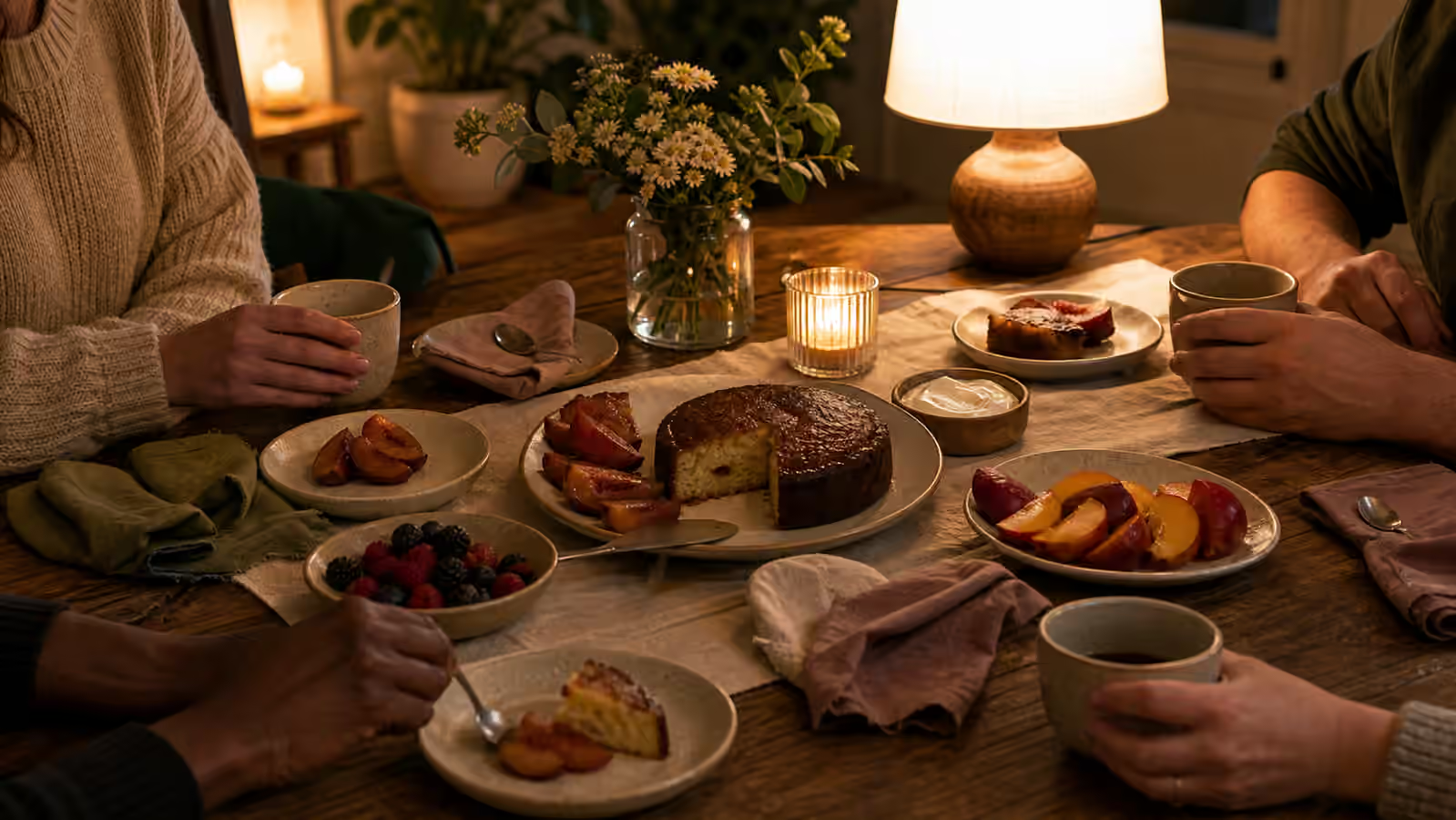
- Dessert Hour: A Small Sweet Table After Dinner - Use dessert, tea, and a short window to gather without cooking a full meal or extending the night too far.
Food and drink systems
- Low-Effort Shared Snacks That Do Not Become Dinner Theater - Use snacks as social support, not a performance of abundance, with simple portions and clear dietary cues.
- Nonalcoholic Drinks That Feel Considered, Not Special - Make alcohol-free drinks the default design layer with texture, glassware, temperature, and no explanation required.
- Dietary Needs Without Drama: Ask Early, Label Simply - Handle allergies, preferences, religious food practice, and comfort needs with early questions and calm labels.
- Potluck Without Coordination Chaos - Make potluck contributions easier by assigning categories, backup anchors, labels, and arrival timing.
- Small-Room Seating Flow: Keep Conversation From Getting Stuck - Arrange chairs, food, and paths so a small room supports movement, quieter guests, and clean exits.
- Small-Kitchen Hosting Without Bottlenecks - Use a compact kitchen well by staging food, cups, refills, trash, and guest movement before the room turns into a traffic jam.
- Prep-Together Hosting: Let Guests Help Before the Table - Invite guests into safe, low-stress preparation tasks without turning help into kitchen chaos or unpaid labor.
- Lighting, Music, and Temperature Are Social Infrastructure - Tune the room’s basic sensory conditions so people do not have to spend social energy coping with the space.
- The Cleanup Ritual: Let People Help Without Making Them Work - Create a closing cleanup beat that restores the room, gives guests a light role, and protects the host from resentment.
- Cheap Hosting Without Apology - Host graciously on a small budget by making constraints part of the format instead of apologizing all night.
Conversation design
- The First Ten Minutes: Design Through Awkwardness - Treat early awkwardness as a design problem with arrival tasks, visible choices, and a gentle first shared action.
- Late Arrivals Without Resetting the Room - Design a gentle late-arrival path so delayed guests can enter without apologies, disruption, or making the whole gathering start over.
- Question Cards That Do Not Turn Guests Into Interviews - Use prompts that invite stories, preferences, and small observations without demanding vulnerability or performance.
- When One Guest Takes Over the Table - Balance a small table when one guest speaks, advises, jokes, or explains so much that others stop finding their way in.
- Name Memory and Reentry: Help People Return - Create gentle memory cues so recurring guests can remember names, context, and unfinished threads without embarrassment.
- The Newcomer Bridge: Add One Person Without Resetting the Room - Bring a new guest into an existing ritual without making them perform or making regulars defend the old rhythm.
- Two Circles, One Table: Mix Friend Groups Gently - Bring two small social circles together with shared structure instead of making the room feel like networking or an audition.
- Topic Boundaries Without Policing the Table - Keep conversation hospitable by naming gentle boundaries before arguments, gossip, or advice loops take over.
- Hard-Week Soft Table: Make Room for Ordinary Difficulty - Hold tiredness, stress, and quiet company with simple food, practical care, and clear limits that keep the table from becoming therapy.
- Quiet Guest Participation: Let Belonging Be Visible Without Talking More - Design roles for quieter guests that do not require performance, constant disclosure, or social speed.
- Intergenerational Table: Make Mixed Ages Feel Ordinary - Design timing, seating, topics, and roles so adults, elders, teens, and children can share a small ritual without anyone becoming the project.
- Co-Host Roles: Stop Making One Person Hold the Whole Room - Split hosting into small visible roles so one person does not carry invitations, room tone, food, cleanup, and follow-up.
- Children, Pets, and Neighbors: Boundaries Before the Doorbell - Make practical expectations clear around children, pets, shared walls, parking, noise, and neighbor contact.
Community systems
- Attendance Without Guilt: Make Recurrence Forgiving - Design recurring gatherings so people can miss a month without apologizing, over-explaining, or losing belonging.
- Reminder Rhythm: Invite, Nudge, and Close the Loop - Use a predictable reminder sequence that helps people attend without becoming group-chat noise.
- Group Chat Boundaries: Keep the Thread in Service of the Table - Use a small gathering message thread for clarity, memory, and return without turning it into pressure, noise, or a substitute for meeting.
- Photo Boundaries Before the Phones Come Out - Set ordinary photo and sharing expectations before anyone has to refuse a camera in the middle of the room.
- The Rotating Host Model: Share Ownership Without Losing the Ritual - Rotate homes or host roles while keeping the core format recognizable enough that the gathering survives variety.
- Contribution Without Scorekeeping - Let guests help with food, money, supplies, cleanup, or hosting energy without turning the table into debt or comparison.
- Shared Notes and Table Memory - Keep lightweight records of dates, dishes, questions, names, and ideas so the ritual accumulates memory without bureaucracy.
- Aftercare Follow-Up: The Small Note That Makes Return Easier - Send simple follow-up that thanks, remembers, and names the next step without demanding emotional processing.
- Scaling From Four to Eight Without Losing the Table - Grow a small gathering by changing structure, seating, food, and openings before the guest list doubles.
- Cancel and Reschedule With Grace - Protect trust when a recurring host or group needs to cancel by making the next path clear and low-drama.
- Seasonal Ritual Calendar: Repeat Without Getting Bored - Use seasons to refresh the same social format without rebuilding the whole gathering every month.
- Third-Place Map: Gather When Home Is Not Available - Find libraries, parks, cafes, community rooms, courtyards, and quiet public spaces that can hold a gentle ritual.
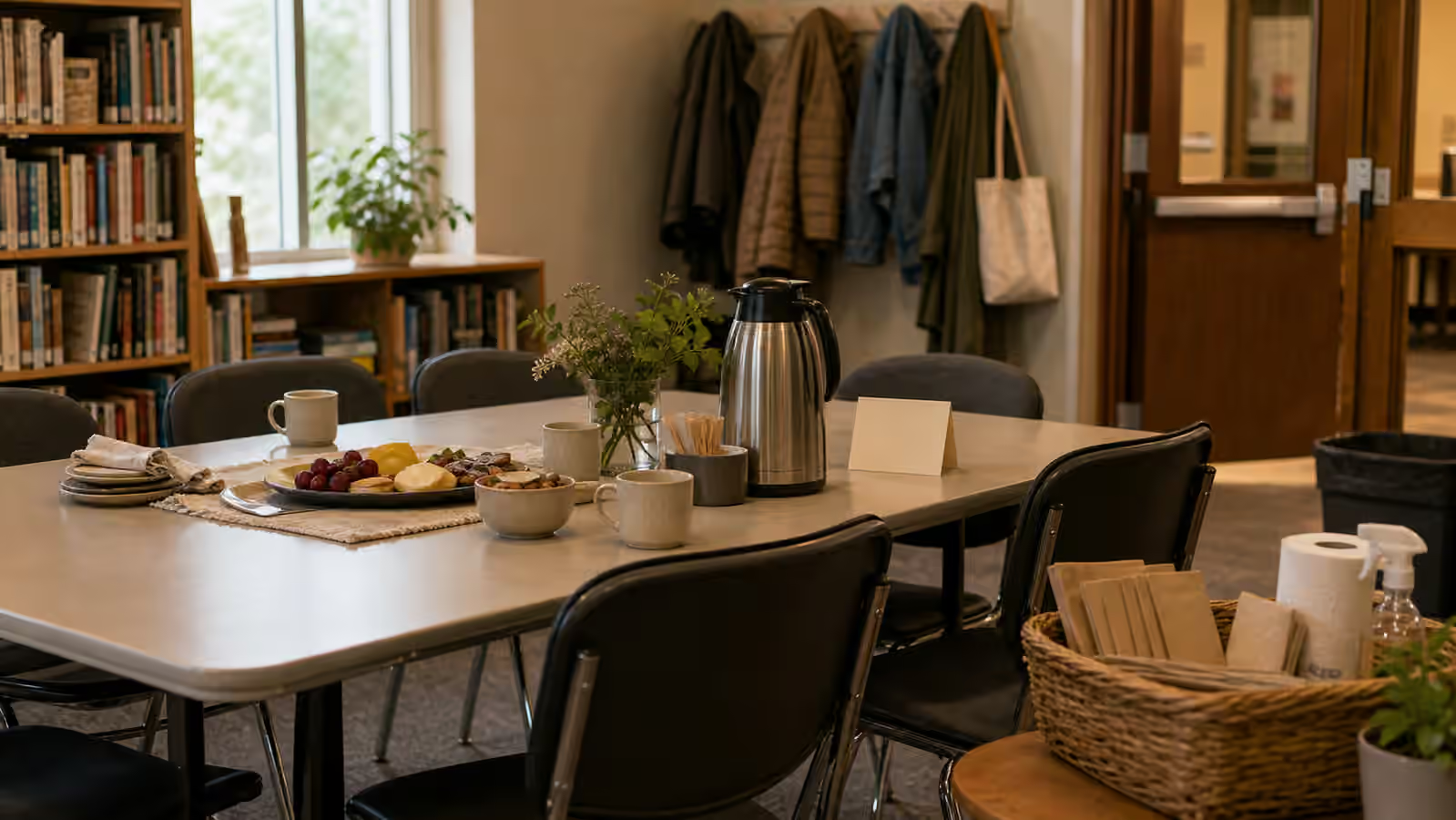
- Borrowed-Room Hosting: Use Shared Spaces With Care - Run a small table in a library room, courtyard, classroom, lobby, or community space without treating the room like home.
- Micro-Volunteering Table: Do One Useful Thing Together - Add a small service action to a gathering without turning friendship into a nonprofit meeting.
- Recovery-Aware Hosting Without Making Anyone Explain - Make gatherings more comfortable for people avoiding alcohol or social pressure without giving medical or recovery advice.
- Accessibility for Small Gatherings: Ask, Adapt, and Keep It Ordinary - Make practical access part of the invitation, room setup, food plan, timing, and follow-up without making guests perform needs.
- How to Tell If a Gathering Worked - Evaluate a small ritual by repeatability, ease, warmth, clarity, and return rather than compliments or photos.
- Ending or Evolving a Ritual Without Making It a Failure - Let a recurring gathering pause, close, split, or change shape when the social need has changed.