A travel mug changes coffee after the brew is finished. It traps heat, compresses aroma, hides the surface, mixes coffee with old lid smells if it is not clean, and slows cooling so flavors unfold differently than they do in an open ceramic cup. A coffee that tastes balanced at the counter can feel harsh twenty minutes later in a sealed metal mug. Another coffee that seems too hot and plain at first can become steady and useful halfway through a commute. The mug is not just a container. It is the last piece of brewing equipment in the routine.
The goal is not to turn portable coffee into a ceremony. It is to stop losing good cups after they leave the brewer. If you already use Coffee Serving Temperature to think about open cups, thermal carafes, and hot plates, travel mugs are the sealed version of the same problem. Heat preservation helps when the cup would otherwise go cold, but too much trapped heat can make sweetness harder to notice and bitterness feel louder.
Brew for the Mug You Will Use
An insulated mug keeps coffee hotter for longer than a ceramic cup. That sounds like an obvious advantage until you taste the same brew in both. Very hot coffee can feel thin, sharp, or blunt because aroma and sweetness are harder to perceive at high temperature. In an open mug, cooling happens naturally. In a sealed travel mug, the coffee may stay in the less expressive range for much longer.
One useful habit is to let the coffee cool briefly before sealing it, especially if the mug holds heat aggressively. Pour the coffee, leave the lid off while you clean the brewer or pack your bag, then close it when the first blast of heat has calmed. This does not mean letting the coffee go lukewarm. It means giving the cup a short head start toward drinkable temperature. If your morning requires maximum heat because the coffee will sit for a long time, preheating the mug with hot water can help. If the coffee tastes cooked and bitter by the time you drink it, skip the preheat and close the lid later.
The brewer matters too. A delicate light roast pour-over may be beautiful at a table and disappointing from a tiny lid opening because the floral aroma cannot open fully. A medium roast with sweetness, body, and a clean finish may travel better. This is not a rule against interesting coffee. It is an invitation to match the coffee to the format, the same way Coffee for Milk Drinks asks whether a coffee can still speak after milk enters the cup.
Strength Feels Different Under a Lid
A travel mug often makes people brew larger volumes. A small open cup becomes a tall insulated container, and the recipe stretches without much thought. If the ratio weakens, the coffee can taste hollow after the first few sips. If the brew is concentrated because you wanted it to survive milk or ice, it can taste heavy once sealed hot. The answer is not one fixed travel ratio. The answer is to notice that the mug changes how strength feels.
Start from the ratio that already tastes good, then adjust for the actual use. If you add milk, brew with enough structure that the coffee does not disappear. If you drink it black over a long morning, avoid making it so strong that every sip becomes tiring. If the mug is large, do not fill it simply because it has space. A smaller amount of better coffee often outperforms a large amount that becomes stale, cool, or forgotten.
Automatic drip and batch brewing can work well for travel mugs because they produce enough coffee with steady heat and strength. The Automatic Drip Coffee guide helps with the brew basket side of that routine. Once the coffee enters the mug, watch whether the first sip, middle sip, and final sip still make sense. Travel coffee is judged across time, not only at the moment of pouring.
The Lid Is Where Old Coffee Hides
Most travel mug problems are not recipe problems. They are lid problems. Sliding closures, silicone gaskets, sip holes, threads, vents, and hidden seams collect coffee oils. If milk or sweeteners are involved, residue builds faster and smells worse. A quick rinse can make the mug look acceptable while the lid still carries yesterday’s flavor. Hot coffee wakes that residue immediately.
Smell the lid after rinsing and again after warming it with hot water. If it smells like old coffee, it will season the next cup. The same warning appears in Clean Coffee Gear because mugs are coffee gear too. They may not look like brewers, but they touch the drink for longer than the dripper does.
Take lids apart when the design allows it, wash the parts, and let them dry fully. Avoid scented soaps that cling to silicone and return as perfume in the cup. If the lid cannot be cleaned well, reserve that mug for situations where quality matters less or replace it when the stale smell becomes permanent. A beautiful brew poured into a dirty lid will taste like the lid.
Milk, Sweeteners, and Long Holding Need Restraint
Milk drinks can travel well, but they ask for extra cleanliness and timing. Milk softens bitterness and adds body, which can make a travel mug feel comforting. It also leaves residue in lids and changes quickly if held warm for a long time. Use common sense about time, temperature, and cleaning. If a milk coffee will sit for hours, the problem is not specialty technique. It is that dairy and a sealed warm lid are not neutral storage.
Sweeteners can become louder in a travel mug because aroma is compressed and the drink is consumed slowly. A little sweetness may help a dark or sturdy coffee feel round. Too much can make the final third cloying, especially as the coffee cools. Stir before sealing so the first sip and last sip are not different drinks.
For cold travel coffee, count ice as part of the recipe. Pouring normal hot coffee over a full mug of ice creates a weak drink as the ice melts. Flash Brew Iced Coffee solves this by treating ice as brew water. Cold brew can also travel well because it starts smooth and stable, but it still needs a clean lid and sensible dilution.
Choose the Mug for the Job
The best travel mug is not always the one that keeps coffee hottest for the longest time. For a short walk, a lighter insulated cup with a pleasant lid may be better than a heavy bottle that keeps coffee near scalding heat. For a long commute or outdoor morning, stronger insulation may be useful. For desk drinking, a lid that comes apart easily may matter more than absolute heat retention. For black coffee, aroma access can matter. For milk coffee, cleaning access matters even more.
Mouth shape changes the cup. A tiny sip hole hides aroma and can make hot coffee seem sharper because you get less smell before the liquid arrives. A wider opening behaves more like a mug but spills more easily. There is no perfect design for every use. Choose based on where you actually drink, how often you clean, and whether the coffee tastes good from that opening.
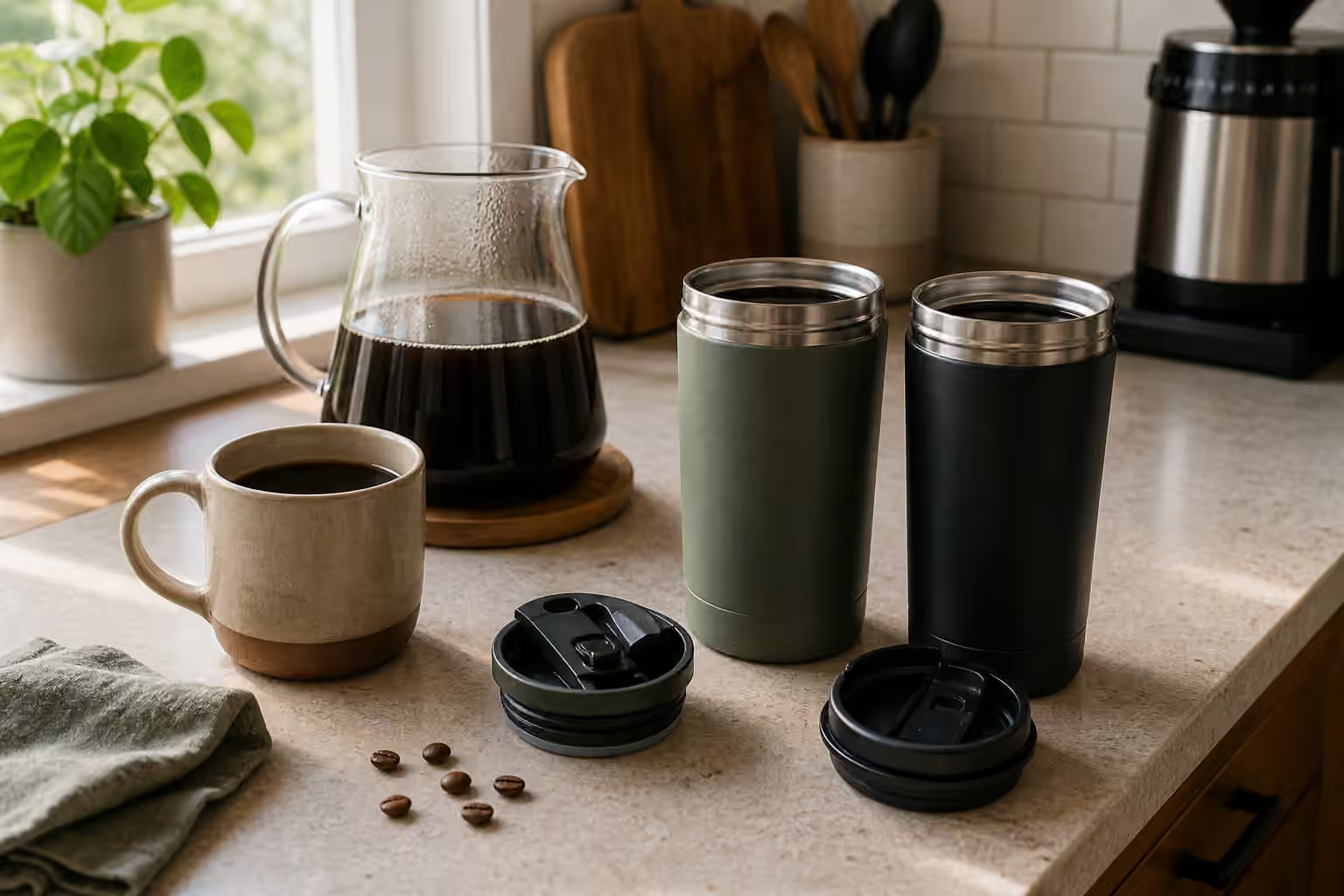
If coffee keeps tasting harsh on the road but fine at home, test the mug. Brew one cup and split it between a ceramic mug and the travel mug. Taste both immediately, then later. If the travel mug is always worse, the issue may be heat, lid aroma, or the format. If both are flawed, return to Coffee Troubleshooting and diagnose the brew itself.
Make Portable Coffee Boringly Reliable
Good travel mug coffee comes from small decisions. Brew a coffee with enough structure for the trip. Let extreme heat settle before sealing when the mug runs hot. Keep lids genuinely clean. Adjust strength for milk, ice, or long sipping. Do not fill a huge mug just because it is available. Test the mug against an open cup when something tastes wrong.
The reward is not a perfect cafe experience in motion. It is coffee that still tastes like itself after it leaves the counter. A travel mug should protect a good brew from schedule and distance, not turn it into a sealed lesson in old oils and trapped heat. When the mug becomes part of the recipe, portable coffee gets much easier to trust.