Coffee Roasting Guide
Roasting transforms green coffee beans into the aromatic, flavorful beans we brew every morning. If you’ve ever wondered why two bags of coffee from the same farm can taste wildly different, the answer usually comes down to how they were roasted. Understanding roasting helps you choose beans more confidently, appreciate the flavor profiles hiding in your cup, and — if you’re feeling adventurous — even roast at home.
What Is Coffee Roasting?
The Transformation
In their raw state, green coffee beans have absolutely no coffee aroma or flavor. Crack one open and you’ll find a dense, grassy-smelling seed that is, frankly, undrinkable. They look nothing like the glossy brown beans you’re used to seeing, and they smell more like a freshly mowed lawn than a cozy café.
The magic happens when heat enters the picture. During roasting, rising temperatures trigger a cascade of chemical reactions — most notably the Maillard reaction and caramelization — that create coffee’s signature flavors and aromas. Sugars brown, amino acids recombine, and volatile compounds form by the hundreds. The result is a brown, aromatic bean packed with complex flavors and ready for brewing. It’s one of the most dramatic transformations in the entire world of food and drink.
Roast Levels Explained
Light Roast
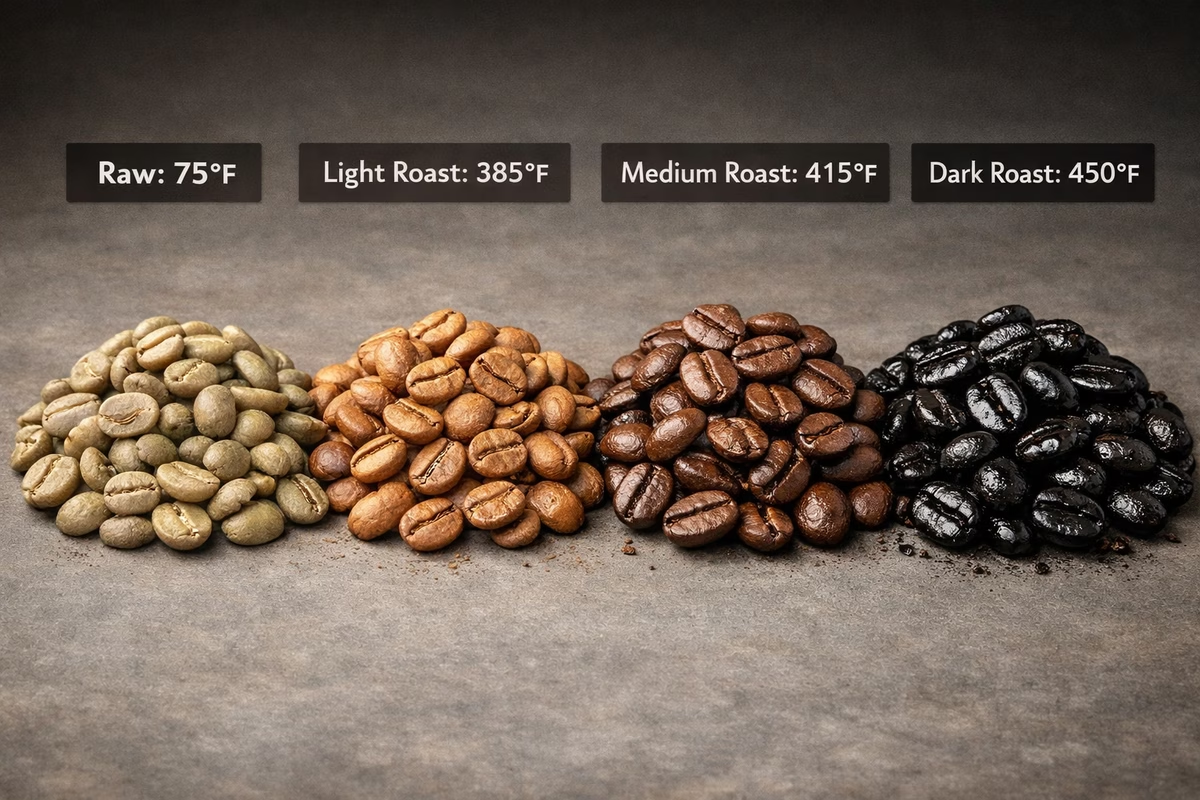
Light roasts are pulled from the roaster at relatively low temperatures — between 385 and 410°F (196–210°C) — right around a moment known as first crack. First crack is exactly what it sounds like: the beans audibly crack as internal pressure causes them to expand, much like popcorn. At this stage the beans are a light brown, almost cinnamon color, and they still feel dense and dry to the touch.
Flavor-wise, light roasts are all about bright acidity and complex, nuanced flavors. Expect floral and fruity notes that let the origin characteristics of the bean truly shine. The body tends to be tea-like and delicate, with virtually no “roasty” taste layered on top. What you’re tasting is the pure expression of where that coffee was grown, how it was processed, and what variety it is. This is exactly why light roasts are the darling of specialty coffee — they’re essentially a window into terroir.
Light roasts are best suited for single-origin beans where you want to showcase what makes that particular coffee unique. Pour over and drip methods tend to highlight these qualities beautifully. And here’s a fun fact that surprises many people: light roasts actually contain the most caffeine, because the longer you roast coffee, the more caffeine breaks down. You may also see light roasts labeled as Light City, Half City, Cinnamon Roast, or New England Roast on a bag.
Medium Roast
Step up the temperature to 410–430°F (210–221°C), and you land in medium roast territory — that sweet spot between first crack and the onset of second crack. The beans are a rich medium brown, reminiscent of milk chocolate, and the flavor profile shifts noticeably.
Medium roasts strike a beautiful balance. The bright acidity of a light roast is still present, but it’s mellowed, while sweetness and body have had a chance to develop more fully. You’ll pick up caramel and nutty notes alongside the origin characteristics, creating a round, smooth flavor that’s incredibly versatile. This is the crowd-pleaser of the coffee world, and for good reason — it works in virtually every brewing method, from drip to espresso blends.
Caffeine sits at a moderate level here, and this roast level goes by many familiar names: City Roast, American Roast, Breakfast Roast, and simply Regular Roast. If someone says they just want “a good cup of coffee,” a medium roast is almost always a safe and satisfying bet.
Medium-Dark Roast
Push the temperature a bit further to 430–445°F (221–229°C), right to the start of second crack, and you’ve entered medium-dark territory. The beans take on a dark brown color that evokes bittersweet chocolate, and a slight sheen of oil may just begin to appear on their surface.
The flavor profile here leans toward lower acidity, fuller body, and rich notes of chocolate, caramel, and toasted bread. There’s a gentle bittersweet edge that many espresso lovers find irresistible. The roast character starts to make itself known, but some of the bean’s origin personality still comes through — you get the best of both worlds. Medium-dark roasts are a natural fit for espresso, milk-based drinks like lattes and cappuccinos, and traditional Italian-style coffee. They carry less caffeine than their lighter counterparts. Common names for this level include Full City, After Dinner, and Vienna Roast.
Dark Roast
At 445–480°F (229–249°C), well into second crack and approaching what some call French roast territory, the beans become very dark brown to nearly black, with a visibly oily surface. The cellular structure has broken down significantly, and the beans feel lighter and more brittle.
Dark roasts deliver minimal acidity, heavy body, and bold, smoky, sometimes charred notes. The flavor is dominated by the roasting process itself — origin characteristics are largely muted at this point. Some people find this bitter and one-dimensional; others love the unapologetic intensity. Dark roasts are the traditional choice for Italian-style espresso, and they cut through milk in lattes and mochas like nothing else. They’re also, candidly, how lower-quality beans are sometimes masked — a heavy roast can hide a multitude of sins. Caffeine is at its lowest here.
You’ll see dark roasts sold under names like French Roast, Italian Roast, Spanish Roast, and High Roast. If you enjoy bold, strong coffee with a smoky punch, this is your lane.
The Roasting Process: Stages
Understanding what happens inside the roaster minute by minute helps demystify why timing and temperature matter so much. Think of it as a journey with six distinct stages.
Stage 1: Drying Phase (0–5 minutes)
The moment green beans hit the heat, the drying phase begins. Over the first few minutes the beans transition from green to a pale yellow, and you’ll notice a distinctly grassy smell wafting from the roaster. What’s happening inside is simple but essential: moisture is evaporating. Green coffee beans contain roughly 10–12% water by weight, and all of that needs to go before the real flavor development can begin. The temperature rises gradually during this phase, and the goal is to remove moisture evenly without scorching the exterior of the bean.
Stage 2: Browning Phase (5–8 minutes)
As the beans lose their moisture and the temperature continues to climb, they enter the browning phase. The Maillard reaction — the same chemistry responsible for the crust on a good steak or the golden top of fresh bread — kicks in, and the beans turn from yellow to light brown. Sweet, bready aromas fill the air, and the foundation of the coffee’s acidity is being laid down. This is where complexity and sweetness start to build, and a skilled roaster pays close attention to the rate of temperature change during this window.
Stage 3: First Crack (8–11 minutes)
This is the moment every roaster listens for. An audible “crack” — similar to the sound of popcorn popping — signals that the beans are expanding, releasing built-up moisture as steam, and their cellular structure is beginning to break down. First crack marks the entrance to light roast territory. If you pulled the beans right now and cooled them, you’d have a perfectly drinkable light roast. Many specialty roasters hover around this window, making tiny adjustments to coax out specific flavor notes.
Stage 4: Development Phase (11–14 minutes)
After first crack, the roaster enters what’s called the development phase. The beans continue darkening as sugars caramelize, body deepens, and acidity gradually decreases. Sweetness peaks somewhere in this window and then slowly declines as more sugars are consumed by the heat. Medium and medium-dark roasts are achieved during this stage, and the roaster’s job is to balance origin character with roast development — pulling the beans at precisely the right moment to hit the desired profile.
Stage 5: Second Crack (14+ minutes)
If the beans stay in the roaster long enough, a second audible crack arrives. It’s faster and quieter than the first, almost like a gentle snap compared to the first crack’s pop. At this point oils are migrating to the bean’s surface, the structure is becoming brittle, and you’re firmly in dark roast territory. It’s worth noting that the risk of fire increases significantly at this stage — the beans are very hot, the oils are flammable, and things can go wrong quickly. The goal here is to develop dark roast characteristics without tipping over into outright burning.
Stage 6: Cooling
The instant the beans reach their target roast level, they need to be removed from heat and cooled as rapidly as possible. Roasting doesn’t stop the moment you dump the beans — residual heat continues the process, so slow cooling leads to over-roasting. Commercial roasters use cooling trays with fans; some use a fine water mist. The goal is to bring the beans down to room temperature quickly, locking in the desired roast level and preventing any further development.
How Roasting Affects Flavor
Roast level acts like a giant flavor dial, and understanding how it shifts the four key attributes of coffee — acidity, sweetness, body, and origin expression — will help you choose beans that match your taste.
Acidity
Acidity is the bright, tangy, sometimes wine-like quality that makes coffee lively on the palate. Light roasts have the highest acidity, delivering a vibrant brightness that can be almost electric. Medium roasts dial it back to a pleasant, balanced sweetness-acidity interplay. By the time you reach dark roast, acidity is low and the cup feels smooth, even flat compared to its lighter siblings.
Sweetness
Light roasts express sweetness through fruity and floral notes — think blueberry, jasmine, or citrus. Medium roasts hit the sweet spot (literally), with peak caramel and chocolate sweetness as sugars have caramelized but haven’t yet burned off. Dark roasts push into burnt sugar and bittersweet territory, where sweetness is still present but takes on a much more subdued, molasses-like character.
Body
Body refers to the weight and texture of coffee on your tongue. Light roasts feel tea-like and delicate, medium roasts are smooth and round, and dark roasts bring a heavy, almost syrupy mouthfeel. If you love the sensation of a rich, full cup, darker roasts will generally deliver that.
Origin Characteristics
Here’s the simplest way to think about it: the lighter the roast, the more you taste where the coffee was grown; the darker the roast, the more you taste the roasting process itself. Light roasts offer maximum origin expression, medium roasts blend origin and roast flavors in harmony, and dark roasts let the roast character dominate almost entirely.
Home Roasting Methods
Ready to try roasting your own beans? It’s more accessible than you might think. Here are the most common ways to get started, from the cheapest experiment to a serious home setup.
Popcorn Popper Method
Believe it or not, one of the most popular entry points into home roasting is a simple hot-air popcorn popper — the kind you can find at a thrift store for twenty bucks. You add two to three ounces of green beans, turn it on, and within five to seven minutes you’ve got freshly roasted coffee. The airflow agitates the beans and provides relatively even heat, and you can clearly hear first crack through the machine.
The downsides are real, though. Capacity is limited to about two to four ounces per batch, the popper wasn’t designed for this abuse and will eventually burn out, and you have less control over temperature than you’d get with a purpose-built roaster. But as a way to discover whether home roasting excites you, it’s hard to beat for the price.
Stovetop Skillet Method
If you want the most hands-on experience possible, grab a cast iron skillet and a wooden spoon. Preheat the skillet to medium-high heat, spread a single layer of green beans across the surface, and stir constantly — and they do mean constantly — for about ten to fifteen minutes. You’ll watch the beans change color in real time, hear first crack with your own ears, and smell the transformation happening right under your nose.
The trade-off is that roasting in a skillet produces a lot of smoke (you’ll want serious ventilation), and achieving an even roast is genuinely difficult since the beans touching the pan get more heat than those on top. It demands your full, undivided attention. Still, there’s something deeply satisfying about roasting coffee with nothing more than a pan and a spoon.
Oven Method
You can technically roast coffee in a standard oven using a perforated pan, and the appeal is obvious — simple setup, bigger batches, equipment you already own. In practice, though, oven roasting produces very uneven results. It’s hard to control the temperature precisely enough, the beans don’t agitate themselves, and you can barely hear the cracks through the oven door. Most experienced home roasters don’t recommend this method if flavor quality is your priority, but it can work in a pinch.
Dedicated Home Roasters
If you’re ready to invest, dedicated home roasters offer dramatically better control and consistency. At the entry level, machines like the FreshRoast SR series or the Behmor 1600 Plus run between $150 and $300 and handle four to sixteen ounces per batch with considerably more precision than a popcorn popper. Mid-range options like the Gene Cafe CBR-101 or the Kaldi Home Roaster ($400–$800) give you precise temperature control and repeatable results. And if you want to go all in, high-end roasters such as the Aillio Bullet R1 or Hottop models ($1,000 and up) deliver professional-level control with roast profiles, data logging, and the ability to replicate your best batches down to the second.
Home Roasting Tips
Start with Good Green Beans
This might sound obvious, but it’s worth saying plainly: good green beans are the foundation of good roasted coffee. No amount of roasting skill can rescue low-quality greens. Reputable online vendors like Sweet Maria’s, Burman Coffee, and Happy Mug offer a wide selection of carefully sourced green beans, often with detailed tasting notes and origin information. Some local roasters also sell green beans if you ask — it’s worth checking.
Ventilation Is Critical
Roasting coffee produces a surprising amount of smoke, especially as you push into darker roast levels. If you’re roasting indoors, crank your range hood to maximum, open windows, and consider running an air purifier. Better yet, roast outside whenever weather permits. Your smoke alarm will thank you, and so will anyone else sharing your living space.
Small Batches Are Best
Resist the urge to roast large quantities at once. Smaller batches — typically four to eight ounces, which yields roughly a week’s worth of coffee — roast more evenly, are easier to control, and carry less risk of something going wrong (including the very real risk of fire at high temperatures). Plus, roasting small and often means you’re always drinking freshly roasted coffee, which is the whole point.
Cooling Is Critical
Here’s something that catches many beginners off guard: beans continue roasting after you remove them from the heat source. If you let them cool slowly in a bowl, residual heat will push the roast further than you intended. To stop the roast in its tracks, you need rapid cooling — a metal colander placed in front of a fan works great, as does shaking beans in a mesh strainer or stirring them vigorously in a cool pan. Aim to bring the beans down to room temperature within four to five minutes.
Rest Before Brewing
Freshly roasted beans release a significant amount of CO2, and all that gas actually interferes with proper extraction during brewing. The solution is simple: patience. Let your beans rest after roasting — about three to five days for light roasts, two to four days for medium roasts, and one to two days for dark roasts. Most coffees hit their peak flavor window somewhere between seven and twenty-one days post-roast, so there’s no need to rush.
Commercial Roasting
Drum Roasters
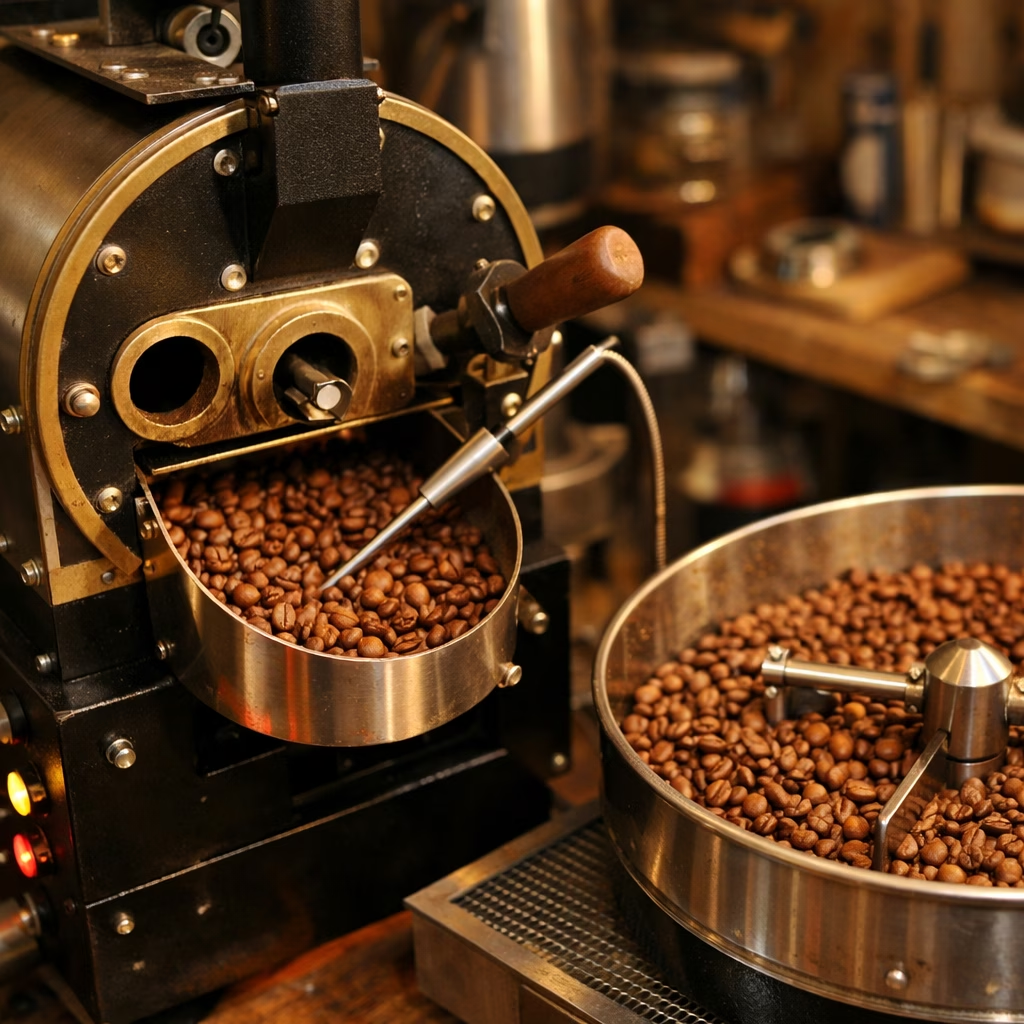
The drum roaster is the workhorse of the commercial coffee industry. Beans tumble inside a heated rotating drum, ensuring even exposure to heat and consistent development. Batch sizes range from a compact one kilogram up to a massive 120 kilograms on industrial machines. Drum roasters offer precise control, repeatable results, and the kind of even roasting that’s difficult to achieve with simpler methods — which is why they’ve been the industry standard for well over a century.
Fluid Bed Roasters
Fluid bed roasters take a completely different approach: they use a powerful stream of hot air to suspend and roast the beans, essentially a popcorn popper on steroids. Because every bean is constantly floating in the airflow, roasting is extremely even and the resulting flavors tend to be very clean. Fluid bed roasters also work faster than drum roasters and often produce coffees with notably bright acidity. They’re less common in commercial settings but have a devoted following among roasters who prize clarity of flavor.
Profile Roasting
Modern commercial roasting is increasingly driven by data. Profile roasting uses computer-controlled systems to follow specific temperature curves — charting the exact rate of rise, the timing of first crack, and the length of the development phase. The result is repeatable, batch-to-batch consistency and the ability to optimize a roast profile over time using hard data rather than guesswork. For specialty roasters juggling dozens of single-origin offerings, profile roasting is essential.
Roast Defects
Even experienced roasters occasionally produce a bad batch. Knowing the most common defects — and what causes them — helps you troubleshoot and improve.
Scorching
Scorching happens when too much heat is applied too quickly, burning the exterior of the bean while the inside remains underdeveloped. The resulting cup tastes burnt, charred, and unpleasantly bitter. The fix is straightforward: lower the initial temperature and ramp the heat up more slowly.
Tipping
Tipping is a close cousin of scorching, but it specifically affects the tips and edges of the bean, which burn while the center stays under-roasted. You’ll notice an ashy, burnt aftertaste in the cup. Lowering the overall roasting temperature and extending the roast time usually resolves the issue.
Baking
On the opposite end of the spectrum, baking occurs when beans roast too slowly at too low a temperature. The result is a flat, boring cup with a bread-like flavor and none of the complexity you’d expect. The fix is to increase temperature and speed up the development phase so the beans have enough energy to develop properly.
Uneven Roast
If you crack open a batch and see a mix of light and dark beans, you’ve got an uneven roast — caused by inconsistent heat distribution. The fix depends on your equipment, but generally it comes down to better agitation (keeping the beans moving) and a more uniform heat source.
Choosing Roast Level for Beans
Not every bean benefits from the same roast level. Here’s a quick framework for matching origins to roasts.
Light Roast: Best For
Ethiopian coffees, with their famous floral and fruity notes, practically beg for a light roast that preserves every delicate nuance. The same goes for Kenyan beans, known for their bright, wine-like acidity, and most high-altitude coffees with complex acidity profiles. Light roasting lets these origin characteristics sing.
Medium Roast: Best For
Colombian coffees, prized for their natural balance, are a classic medium roast candidate. Costa Rican beans with their sweet, clean profiles and Guatemalan coffees with chocolate and caramel undertones also thrive here. A medium roast brings out the best of both origin sweetness and roast development without overwhelming either.
Dark Roast: Best For
Indonesian coffees — think Sumatra and Java — with their earthy, low-acid character are naturals for dark roasting, which builds body and rounds out their rustic flavors. Brazilian beans, already leaning toward nutty and chocolatey notes, deepen beautifully at darker levels. Robusta blends, used for bold and punchy espresso, also benefit from the intensity a dark roast provides.
Roasting Myths
Let’s clear up a few persistent misconceptions that confuse even dedicated coffee drinkers.
Myth: “Dark Roast Is Stronger”
This is probably the most widespread coffee myth out there. Dark roast does have a bolder, more intense flavor — but it actually contains less caffeine than light roast, because the longer roasting process breaks down caffeine molecules. The “strength” of your cup is really determined by the brewing ratio (how much coffee you use relative to water), not the roast level. A light roast brewed strong will deliver more caffeine and more intensity than a weakly brewed dark roast every time.
Myth: “Oily Beans Are Fresher”
When you see shiny, oily beans, you’re not looking at a sign of freshness — you’re looking at a sign of a dark roast. At high roasting temperatures, the cellular structure of the bean breaks down enough for internal oils to migrate to the surface. Light and medium roasts won’t develop that oily sheen regardless of how fresh they are.
Myth: “Light Roast Tastes Weak”
Light roast coffee is anything but weak. It has more caffeine per bean and often carries more complex, layered flavors than darker roasts. When a light roast tastes “weak” or sour, the culprit is almost always improper brewing — specifically under-extraction, where the water didn’t pull enough flavor out of the grounds. Dial in your grind size and brew time, and a light roast will show you just how much flavor coffee can deliver.
Myth: “Roast Date Doesn’t Matter”
Oh, it absolutely matters. Coffee is a perishable product, and it stales faster than most people realize. Ideally you want to use your beans within two to four weeks of roasting. Always look for a roast date on the bag — if a roaster doesn’t print one, that’s often a red flag. Freshness is the single most important factor in how good your coffee will taste.
Takeaway
Roast level matters more than most people realize — light, medium, and dark roasts from the exact same bean can taste like three completely different coffees. There’s no universal “best” roast level; it comes down to personal preference and the character of the bean itself. If you’re curious about home roasting, the barrier to entry is remarkably low — a twenty-dollar popcorn popper and a bag of green beans is all you need to get started, and you can upgrade your equipment as your skills grow. Above all, prioritize freshness: coffee tastes best within one to three weeks of roasting, so look for roasters who list roast dates on their bags. And don’t be afraid to experiment — try the same bean at different roast levels and discover firsthand how dramatically roasting transforms coffee.
Next Steps
- Coffee Origins Guide - Understand how region affects flavor
- Brewing Methods - Brew your freshly roasted coffee
- Storage Guide - Keep your roasted coffee fresh