Office coffee fails for ordinary reasons. The brewer is dirty, the water tastes flat, the beans are stale, nobody knows the ratio, the carafe sits too long, and the person who cares most about coffee accidentally builds a system nobody else can repeat. Shared coffee does not need to be precious to improve. It needs a routine that survives busy mornings, uneven attention, different tastes, and the fact that people are at work rather than standing in a home coffee station with a timer in hand.
The best office setup starts by respecting the setting. A workplace coffee area is shared infrastructure. It should make decent coffee likely without turning every pot into a debate. The home advice in Automatic Drip Coffee still applies, especially around grind, water, basket shape, and cleaning. The office version adds another question: can the next person repeat this without needing a lecture?
Pick a Default People Can Actually Use
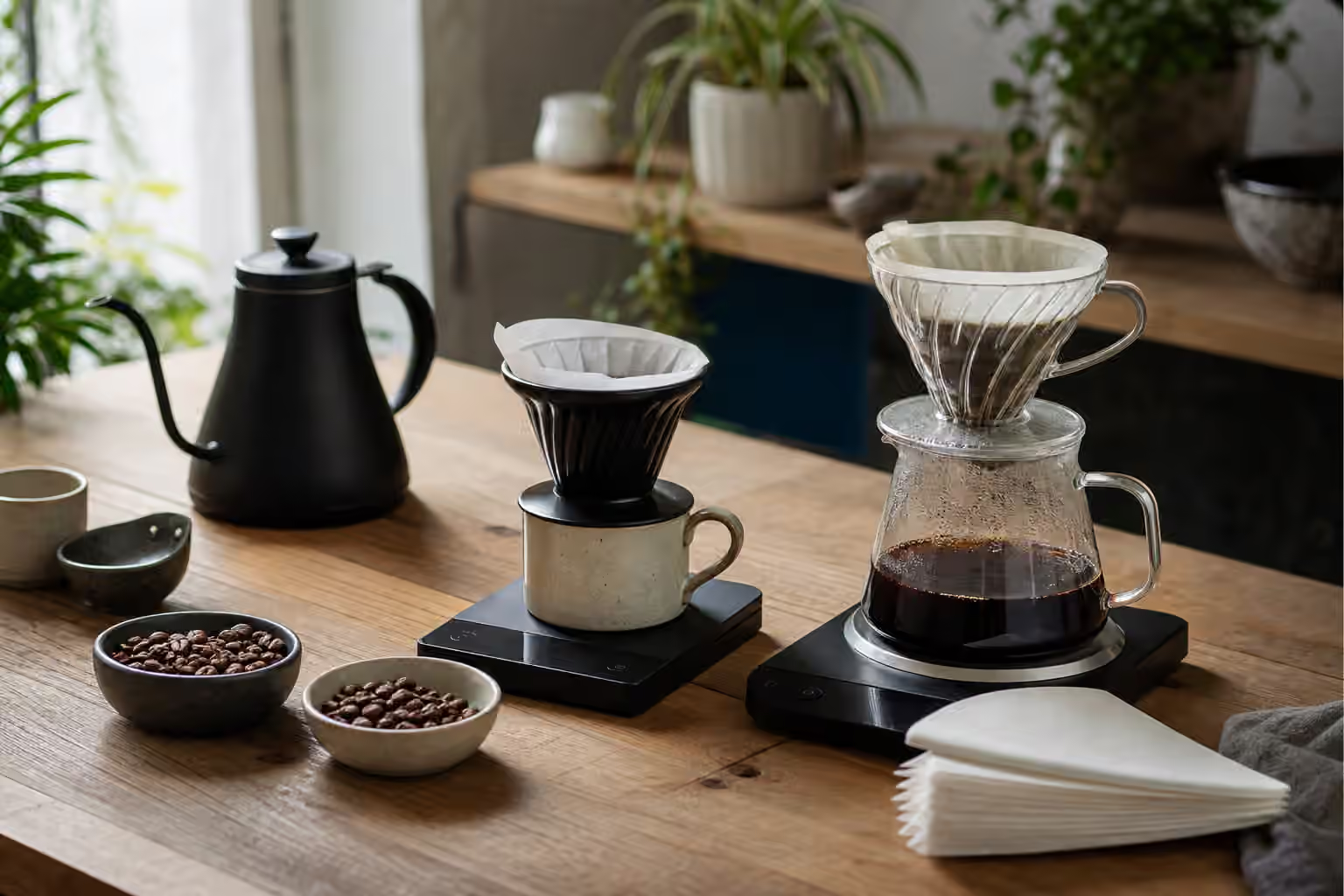
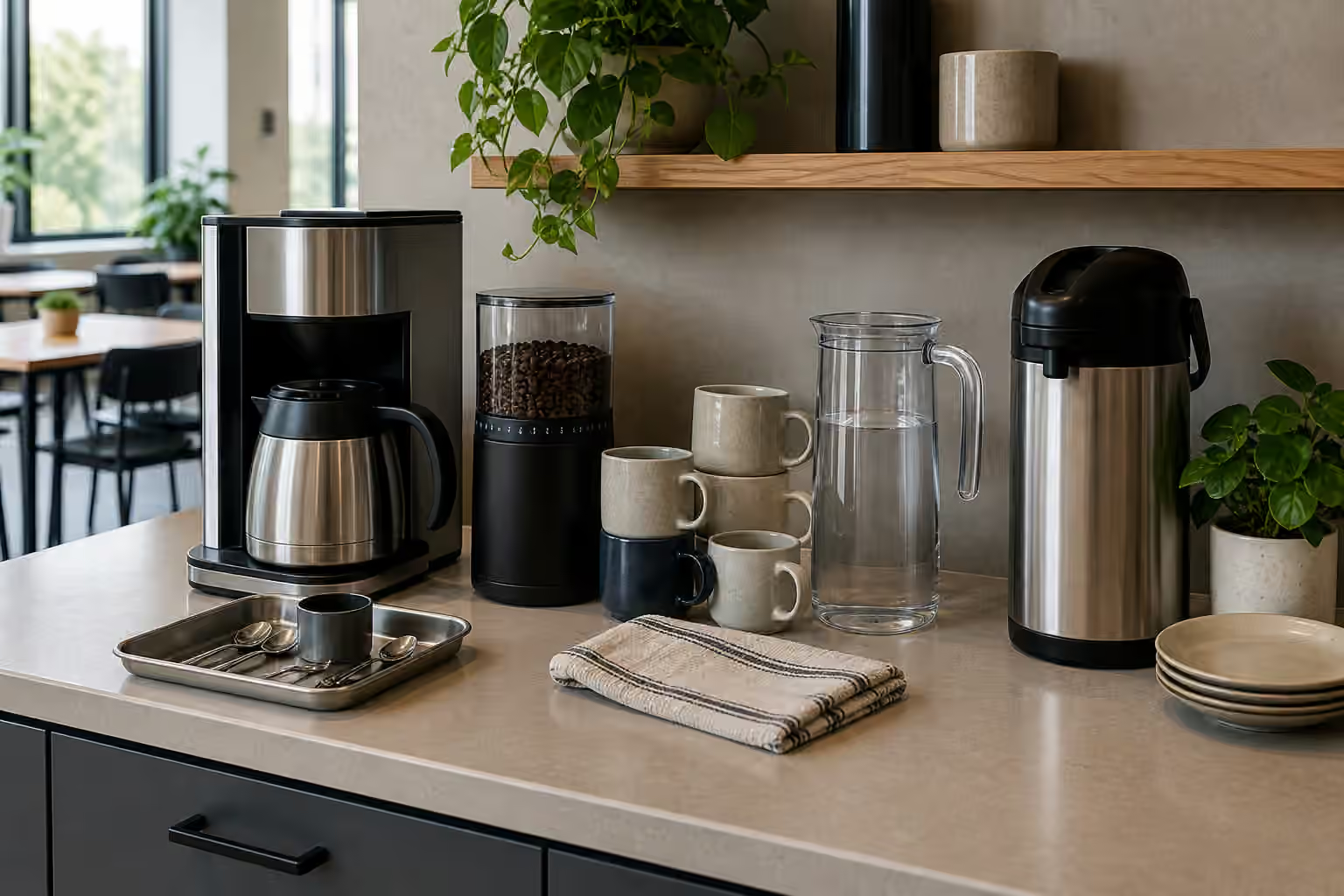
Office coffee improves fastest when there is one reliable default. That default might be a batch brewer with a thermal carafe, a small automatic drip machine for a team room, or a simple pour-over station in a tiny office where only a few people brew. Whatever the method, the recipe should be visible through layout rather than fragile memory. The right scoop, scale, filter, water fill line, and coffee container should live together.
If the office uses a batch brewer, choose a batch size the group actually finishes while the coffee still tastes good. A giant pot that sits for hours teaches people to expect stale coffee. A tiny pot that runs empty constantly creates frustration. Coffee Batch Size explains why larger brews are not just small recipes multiplied. In an office, batch size also decides social rhythm: who refills, how often, and whether the last cup is punishment.
Avoid building the default around the most complicated preference in the room. If one person loves a delicate single origin brewed by hand, that can be their personal cup. Shared coffee should aim for broad competence. A medium roast or balanced blend often works because it tolerates batch brewing, milk, and varying taste. The guide to Coffee Blends and Single Origins is useful here because blends are not a compromise when consistency is the job.
Freshness Needs Ownership
Office beans often go stale because nobody owns the open bag. A large bag is opened, rolled loosely, moved near a window, forgotten during a holiday week, and then blamed for tasting like office coffee. The fix is not necessarily buying expensive beans. It is buying amounts that match use and keeping them protected from air, heat, light, moisture, and cabinet smells.
Use one active bag or container at a time when possible. If the team wants decaf, keep it sealed and clearly separate so it is not opened daily by accident. If several people bring beans, decide whether the office coffee station is communal or personal. A shelf full of half-open gifts can look generous while making every brew taste old. If the office wants variety, rotate deliberately and finish one coffee before opening another.
Roast date is helpful, but it should not become a purity test. Reading Coffee Bag Labels explains how to use bag details without chasing hype. For office coffee, the practical questions are simpler. Is the coffee fresh enough to smell alive? Does it match the brewer and drink habits? Can it be finished before it fades? Is the package sealed well after each use?
Water Is the Quiet Multiplier
Many offices have water that tastes like plumbing, chlorine, old filters, or a refrigerator line that nobody has thought about in years. Coffee is mostly water, so bad water makes even good beans taste dull or harsh. The solution can be modest. A clean pitcher, maintained filter, or better source of drinking water may change the pot more than a new brewer.
Do not overcomplicate water in a shared setup unless the office has someone willing to maintain it. Elaborate mineral recipes and special jugs can create dependence on one person. A simple standard works better: use water that tastes clean by itself, replace filters on schedule, rinse reservoirs, and descale equipment when flow slows or scale appears. Water Quality for Coffee gives the deeper science; the office version is about keeping the improvement repeatable.
Water logistics matter too. If the brewer is far from the water source, people will overfill, spill, or skip rinsing. If the carafe is hard to carry, it will sit empty or dirty. Put the brewer where filling and cleaning are practical, not merely where there is an outlet. A coffee station that fights movement will slowly lose every good habit.
Cleanliness Should Be Built Into the Layout
Shared coffee gear gets dirty faster because many hands use it and few people feel fully responsible for it. Oils collect in baskets, carafes, grinder cups, thermal lids, and reusable filters. Minerals build inside water paths. Old grounds hide under filter baskets. The next pot tastes stale before the new coffee has a chance. If the empty warm carafe smells like yesterday, the brew will not taste fresh.
Make cleaning visible and easy. Keep a towel, brush, and mild cleaning plan near the station. Let removable parts dry instead of closing damp plastic into the machine. Give used filters and grounds a clear destination. If a thermal carafe lid comes apart, someone needs to know that it should come apart. The Clean Coffee Gear guide covers the flavor reasons; the office version is about removing ambiguity.
Do not rely on heroic cleanup. The best office routine asks for small actions at the moment they are easiest. Empty the filter after brewing. Rinse the basket before oils dry. Leave the carafe open to dry. Wipe the counter before grounds spread into drawers. Deep cleaning can happen on a schedule, but daily cleaning needs to be short enough that people actually do it.
Keep the Workflow Socially Calm
Coffee preferences can become office status games if the setup is too personal. One person changes the grind without telling anyone. Another complains that the blend is too light. Someone leaves the pot empty. Someone else brings flavored coffee that lingers in the grinder. The problem is not coffee knowledge. It is a shared system without agreements.
Set a calm default and let personal preferences remain personal. If people want milk, sugar, or non-dairy options, keep them separate and clean. If someone wants to brew a special coffee by hand, make sure it does not block the shared brewer during the morning rush. If a grinder serves the office, decide whether flavored beans are allowed in it, because aromatic oils can linger. If the team has decaf drinkers, do not make decaf feel like an afterthought stored behind cleaning supplies.
Serving temperature matters in offices because coffee often waits. A thermal carafe usually protects flavor better than a hot plate that keeps cooking the pot. Still, even a thermal carafe has limits. Coffee Serving Temperature explains how heat holding changes the cup. In the office, a fresh smaller batch may be kinder than a huge pot kept warm through a long morning.
Upgrade Where It Removes Friction
Office coffee upgrades should solve visible problems. A better grinder helps if the office buys whole beans and someone can keep the grinder clean. A thermal carafe helps if coffee sits on a hot plate too long. Better filters help if the basket collapses or paper taste is obvious. A scale helps if the dose changes wildly, but only if people will use it. A new machine helps if the current brewer cannot heat, saturate, or clean properly.
Before spending money, observe one week of use. Who brews? When does the pot run out? How long does coffee sit? What gets dirty? Which supplies disappear? Which step causes mistakes? The answers will point toward practical upgrades. A shelf, tray, cleaning brush, or smaller coffee order may do more than a complicated brewer.
Good office coffee is not the highest expression of specialty technique. It is a shared routine that produces a clean, steady cup without requiring one exhausted enthusiast to manage everyone. Buy coffee that fits the brewer, protect freshness, use decent water, clean the gear, choose sensible batch sizes, and make the default easy to repeat. When the setup works, people stop talking about why the coffee is bad. They simply pour a cup and get on with the day.