Light roast coffee can be thrilling when it is brewed well. It can taste like citrus, stone fruit, flowers, black tea, honey, fresh berries, or clean sugar. It can also taste sharp, thin, grassy, and unfinished. The difference is not only preference. Light roasts are often denser, less soluble, and less forgiving than darker roasts, so they ask the brewer for enough heat, enough contact, and enough patience to turn brightness into sweetness.
Many people meet light roast through disappointment. The bag promises peach and jasmine, but the cup tastes like lemon peel and hot water. The instinct is to call the roast too acidic or the tasting notes exaggerated. Sometimes that is fair. More often, the brew did not extract enough. The Coffee Extraction guide explains the general balance. Light roast makes that balance less forgiving because under-extraction is easy to taste.
Why Light Roasts Need More From the Brew
Roasting changes coffee structure. Lighter roasts spend less time in the heat, so their cells remain denser and their soluble compounds can be harder to access. Darker roasts become more porous and extract more readily. This is one reason a recipe that works beautifully for a medium roast can make a light roast taste weak and sour. The water did the same work, but the coffee needed more.
Acidity is also more visible in light roast. That can be a virtue. A good light roast may have acidity that feels like ripe fruit, not vinegar. It lifts the cup and gives it shape. The problem appears when acidity arrives without enough sweetness or body. Then it reads as sourness. Brewing light roast is often the art of extracting enough sweetness to support the brightness that was already there.
Freshness complicates the first few days. A very fresh light roast can hold gas and resist even wetting, especially in pour-over or espresso. If the bloom is dramatic and the cup tastes sharp despite a reasonable recipe, the coffee may need rest. Coffee Freshness and Resting is especially relevant for light roast espresso, where fresh gas can make shots unstable.
Start With Heat and Preheating
Light roast usually benefits from hotter brewing water than darker roast. Hotter water extracts more efficiently and helps dissolve sweetness before the brew ends. This does not mean boiling water solves everything, and it does not mean every light roast needs the same temperature. It means that if your light roast tastes sour and thin, cooler water is rarely the first fix.
Preheating matters because a small brewer can steal heat quickly. A cold ceramic dripper, thick glass server, or chilly mug can pull the brew temperature down before the coffee has opened. Rinse the paper filter with hot water, warm the brewer, and discard the rinse water before adding grounds. This habit also seats the filter and reduces paper flavor. The Coffee Brewing Temperature guide gives the broader heat map, but light roast is where the payoff is obvious.
Serving temperature matters too. Very hot light roast can taste sharp because heat magnifies brightness and hides sweetness. Let the cup cool for a few minutes before judging it. A well-brewed light roast often becomes more expressive as it moves from hot to warm. Fruit notes separate, florals lift, and sweetness becomes easier to notice.
Grind Fine Enough, But Not Blindly
Because light roasts are less soluble, they often need a finer grind than a darker coffee in the same brewer. A finer grind gives water more surface area to work with and can bring sweetness into the cup. The danger is going so fine that the brew stalls, channels, or turns dry. Fines can clog paper filters and create harshness even while the cup still tastes sour in the middle. That sour-bitter combination usually means uneven extraction, not a mysterious flavor preference.
Move gradually. If a pour-over finishes fast and tastes thin, grind a little finer. If the drawdown becomes much slower and the finish turns drying, back up or reduce agitation. If an AeroPress tastes sharp, a slightly finer grind or longer steep can help. If a light roast in French press tastes hollow, extend the steep before assuming the roast is not for immersion. The Grind Size Guide is the right reference when flavor and time seem to be telling different stories.
Grinder quality becomes visible with light roast. Uneven particle size can leave large pieces under-extracted while fines over-extract and clog the filter. The cup may taste both lemony and dusty. If this happens often, Burr Grinder Calibration can help make settings more meaningful, but calibration cannot fully compensate for a grinder that produces a wide spread of particle sizes.
Bloom With Patience
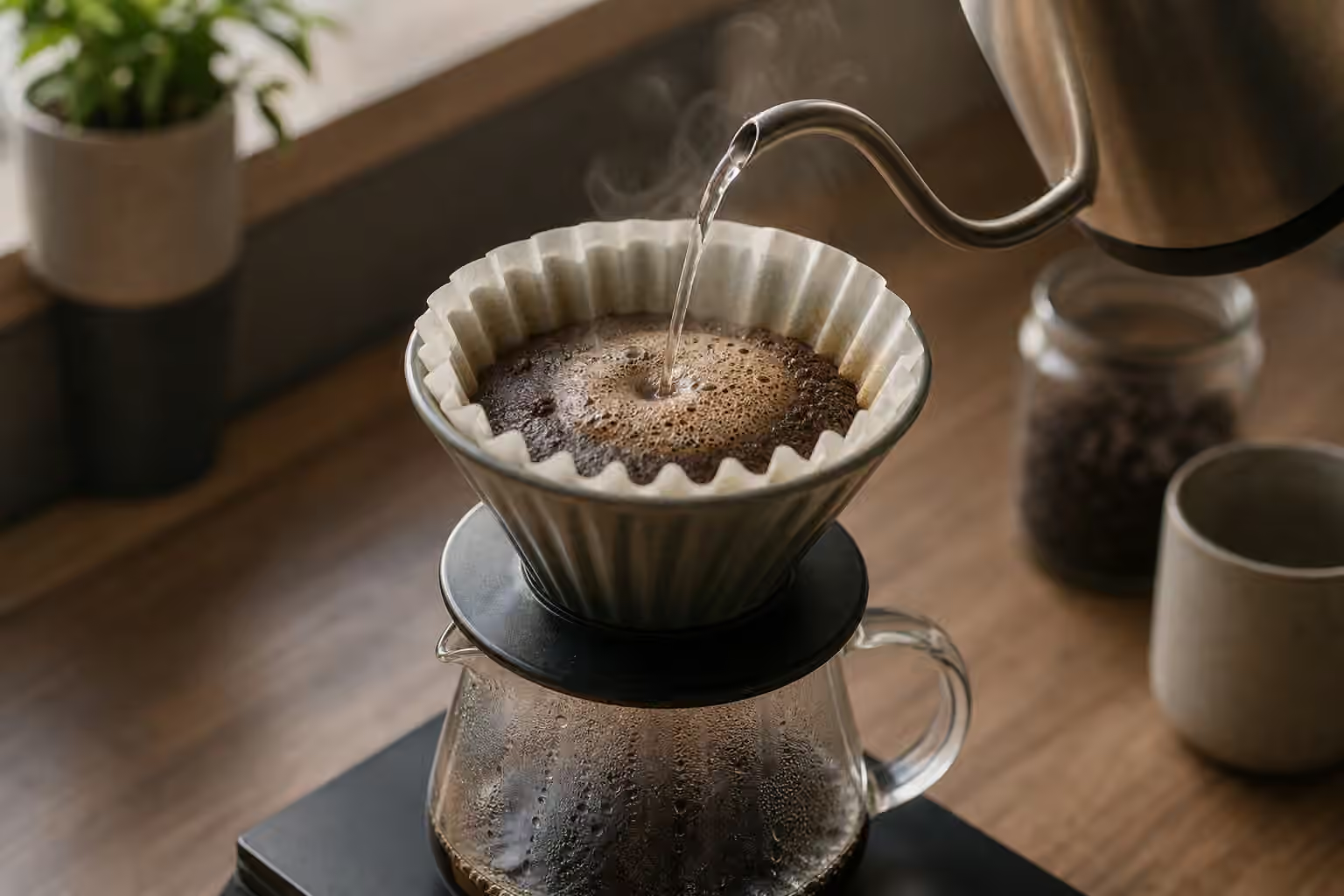
Light roasts often reward a careful bloom. Use enough water to wet the whole bed, pour gently, and give trapped gas time to escape. If dry pockets remain after the first pour, the main brew will carry unevenness forward. A longer bloom can help very fresh coffee, especially when the bed is visibly active. The goal is not foam for its own sake. The goal is even wetting.
Swirling or stirring during the bloom can help, but it should be measured. Too much agitation pushes fines into the filter and can make a clear coffee taste muddy. A gentle swirl that closes dry cracks is different from shaking the brewer. Watch the bed and taste the result. If a small bloom swirl makes the cup sweeter and more even, keep it. If it slows the brew and dries the finish, reduce it.
The dedicated guide to Coffee Bloom and Wetting gives more detail, but light roast is the classic use case. A dense coffee with high aroma needs the first water to enter fully before the rest of the recipe can make sense.
Choose Ratio for Clarity and Strength
Light roast can taste weak when it is under-extracted, but adding more coffee is not always the best fix. More coffee with the same water makes the brew stronger, yet it can also make extraction harder because there is less water available per gram of coffee. If the cup is sour and thin, the first move is often more extraction through grind, heat, time, or better wetting. If the cup is balanced but delicate, then a slightly stronger ratio may be useful.
Paper-filtered brewers are natural partners for light roast because they emphasize clarity. Chemex, V60-style cones, flat-bottom drippers, and automatic drip can all work when the recipe suits the brewer. Immersion methods can reveal sweetness and soften acidity, especially when a coffee feels too angular in pour-over. The method should support the coffee’s character rather than forcing every bag into one ritual.
Water quality can decide whether light roast tastes sparkling or sour. Very hard water may flatten delicate acidity and leave a chalky finish. Very empty water can make the cup feel sharp and thin. Clean, balanced water gives the coffee room to show sweetness and aroma. If every light roast tastes harsh in your kitchen, Water Quality for Coffee may be more useful than another recipe.
Taste for Sweetness First
A good light roast does not need to be gentle or low-acid. It needs enough sweetness to make its acidity feel ripe. Taste the cup warm, not just hot. Ask whether the brightness feels connected to fruit, honey, florals, or tea, or whether it feels like a short sour flash. Notice the finish. A clean finish suggests the brew may be close. A drying finish suggests fines, over-extraction, dirty gear, or too much agitation. A hollow finish suggests under-extraction or weak strength.
The Coffee Tasting Notes guide helps translate these sensations without making them precious. Plain notes are enough. “Bright and sweet as it cooled” is useful. “Sharp, thin, short finish” is useful. “Good aroma, no sweetness” is useful. Those notes point to brewing moves.
Light roast asks for attention, but not reverence. Use enough heat. Wet the bed fully. Grind fine enough to extract sweetness without clogging the brew. Let the cup cool before judging. If the coffee still tastes unpleasant across several reasonable recipes, it may not match your taste, water, or brewer. That is fine. But when a light roast lands, the reward is a cup with lift and detail that darker roasting cannot imitate. The trick is not to chase acidity. It is to brew until the sweetness can carry it.