Ibrik coffee looks simple from a distance: coffee, water, heat, a small pot, and a small cup. There is no paper filter, no pressure gauge, no bloom pour, and no long steep in a glass cylinder. But the method is not casual. It asks for the finest grind used in coffee, careful heat, a watchful eye, and enough patience to let the cup settle before drinking. Done well, it produces a short, fragrant coffee with foam on top, a dense body, and a silty bed of grounds resting at the bottom.
The method is often called Turkish coffee in English, though similar small-pot traditions appear across the Eastern Mediterranean, the Balkans, the Middle East, North Africa, and beyond, with local names, rituals, and preferences. The vessel may be called an ibrik, cezve, briki, or another regional term. This guide focuses on the brewing logic rather than trying to flatten those traditions into one universal rule. The core idea is stable: powder-fine coffee is suspended in water, heated slowly, poured unfiltered, and drunk after the grounds settle.
If you know coffee mostly through paper-filter brewing, ibrik will reset your assumptions. It is not trying to be clear. It is not trying to remove every particle. It is not trying to separate the drink from the grounds until the cup itself has done the quiet work of settling. That makes it one of the most direct ways to understand Grind Size , extraction, and texture.
Why the Grind Is So Fine
Ibrik grind is often described as powder, and that word is not exaggeration. It is finer than espresso, closer to flour than sand. This fineness matters because the brew has a short path to extraction. The grounds are not held in a puck under pressure, as in espresso, and they are not trapped in a filter bed, as in pour-over. They are mixed directly into water, heated, and served in the cup.
Fine grinding creates enormous surface area. Water can pull flavor quickly, even though the method may not involve a rolling boil or a long steep. It also creates the texture people associate with the style. The suspended particles give the coffee weight and opacity, while the smallest particles help form the foam that gathers at the surface as the pot heats.
This is why a normal espresso grinder setting is usually not enough. If the particles are too large, the cup can taste thin at first and gritty at the end, with grounds that settle slowly and feel coarse on the tongue. A true ibrik grind lets the coffee integrate into the water, then settle into a fine layer after pouring. Many home grinders cannot grind this fine consistently. If yours cannot, it is better to have a small amount ground by a roaster or spice mill than to force a grinder into a range it cannot reach.
Heat Is the Main Technique
The most common mistake is treating the pot like a saucepan. Ibrik coffee rewards slow heat. The coffee, water, and sugar if used are combined cold or cool, stirred until evenly mixed, then heated without constant agitation. As the temperature rises, the surface darkens, tiny bubbles gather, and foam begins to lift. The brewer’s job is to stop before a violent boil collapses the foam and throws grounds around the pot.
The foam matters partly because of tradition and partly because of texture. A gentle rise creates a cap that can be spooned or poured into cups, giving each serving a fragrant top layer. A hard boil can make the drink taste harsher and muddier. It also removes one of the method’s visual pleasures: that slow swelling moment when the coffee seems to breathe upward.
On a gas stove, low heat gives control. On an electric burner, residual heat can be sneaky, so lifting the pot before the foam reaches the rim is safer than waiting until the last second. Some people heat the pot once, others allow the foam to rise, remove the pot briefly, then return it for another rise. Both approaches can work. The practical goal is the same: extract enough flavor without scorching, boiling aggressively, or sending sediment into chaos.
Ratio, Sweetness, and Cup Size
Because ibrik coffee is served small, the recipe should be thought of in small units. A common starting point is one heaping teaspoon or roughly six to eight grams of very finely ground coffee for a small demitasse cup of water. The exact cup size varies, so weight is helpful if you want repeatability. The logic from Coffee Brewing Ratios still applies, but the finished drink will feel stronger and thicker than a paper-filter coffee at a similar strength because no filter removes oils or fines.
Sugar is not an afterthought in many versions of the method. It is often added before heating so it dissolves into the brew rather than being stirred into the finished cup and disturbing the grounds. Unsweetened coffee lets roast, spice, and bitterness show more clearly. Light sweetness can round the edges. A sweeter cup becomes more dessert-like, especially with darker roasts or coffees carrying chocolate and dried fruit tones. The choice is cultural, personal, and practical, not a test of seriousness.
Spices such as cardamom may also appear, depending on tradition and taste. Use them with restraint if your aim is to understand the coffee itself. A small amount can make the aroma feel lifted and warm. Too much can turn the cup into spiced water with coffee in the background.
Choosing Coffee for the Pot
Ibrik can work with many coffees, but it does not flatter every roast equally. Very light roasts can taste sharp or herbal if the brew does not extract deeply enough, and the powder grind can emphasize their acidity in a way that feels pointed. Medium roasts often offer the broadest path, especially coffees with chocolate, nut, spice, dried fruit, or gentle citrus notes. Darker roasts can produce a traditional, intense cup, but they need careful heat so bitterness and smoke do not dominate.
The best choice depends on what you want the cup to do. If you want familiarity and density, a medium to medium-dark blend may be ideal. If you want to taste origin character through the method, choose a single origin with sweetness and body rather than one whose charm depends entirely on delicate floral notes. The distinction in Coffee Blends and Single Origins is useful here: a blend may give structure, while a single origin may give a more specific aromatic signature.
Water still matters. Because the drink is concentrated and unfiltered, unpleasant tap water has nowhere to hide. Chlorine, metallic flavors, or heavy mineral harshness can become more obvious under heat. You do not need laboratory water, but a clean-tasting filtered water gives the coffee a better chance. For the broader framework, see Water Quality for Coffee .
Pouring and Settling
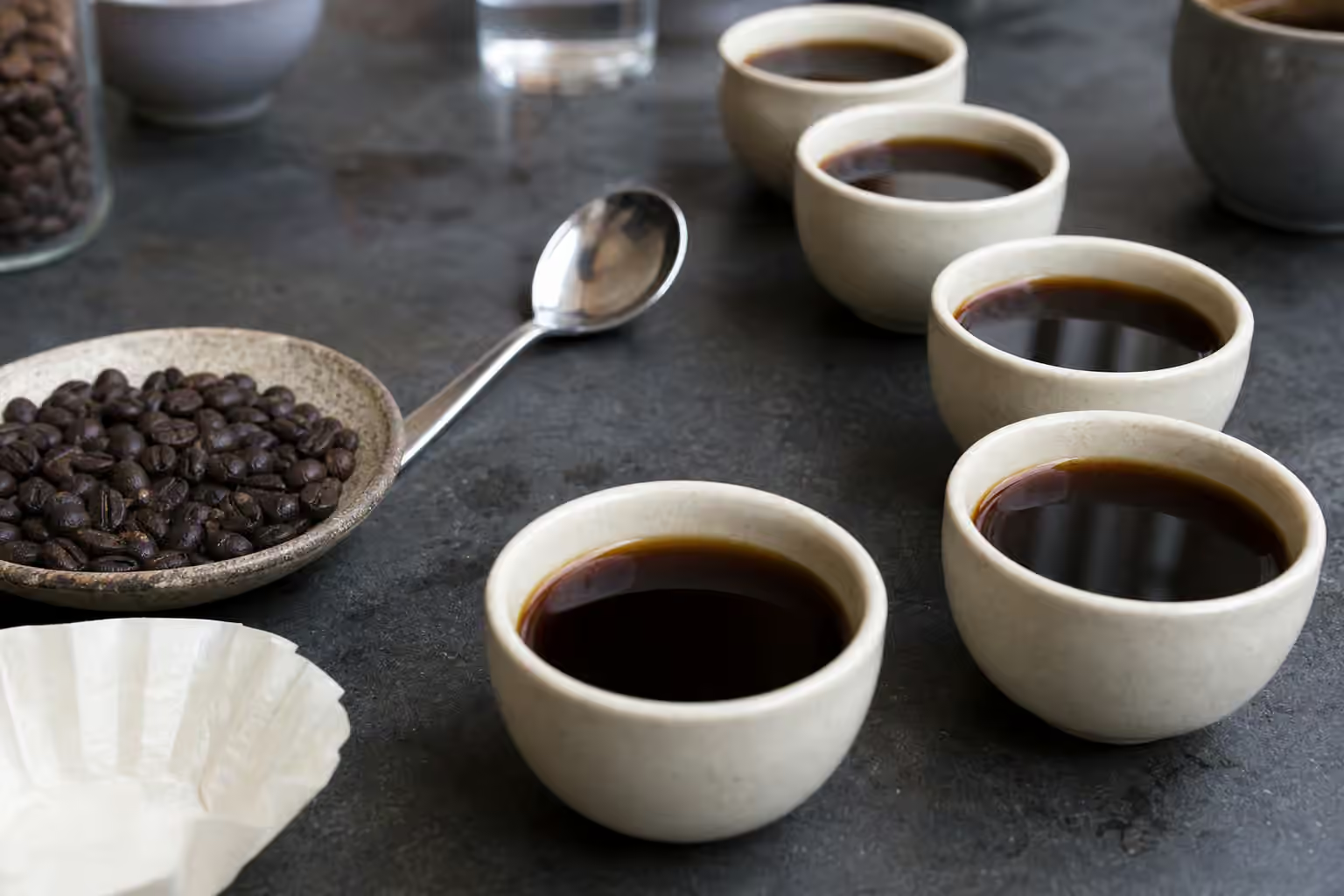
Pouring is part of the brew, not just service. If you are making more than one cup, distribute the foam first so each cup receives some of the top layer. Then pour slowly, keeping the pot close to the cups and trying not to dump all the sediment into the first serving. Some sediment will come with the liquid. That is expected. The goal is not a clear cup. The goal is an even cup.
After pouring, wait. This pause is easy to skip, especially if the aroma is strong, but it changes the drinking experience. The grounds settle into a soft layer at the bottom, and the upper liquid becomes smoother. Sip from the top and stop before the final muddy layer. The last sludge is part of the method’s structure, not a challenge to finish.
Serving ibrik coffee with a small glass of water makes practical sense. Water clears the palate before the first sip and gives a contrast to the thick, aromatic coffee. Small sweets also work well because the drink is intense. A piece of chocolate, a date, or a simple biscuit can meet the coffee’s bitterness without asking the cup to become larger than it wants to be.
What Ibrik Teaches
Ibrik coffee makes several brewing principles visible. Grind size controls extraction speed and texture. Heat management can be as important as recipe. Filtration is not neutral; removing or keeping particles changes the identity of the drink. Serving style shapes taste because a tiny cup invites slower attention than a travel mug.
It also reminds modern brewers that clarity is only one kind of quality. The clean cup from Coffee Filter Materials has its own beauty. So does the saturated body of a French press. Ibrik belongs to a different branch of the same tree: small, dense, aromatic, and inseparable from the grounds that made it.
Approach it with modest expectations at first. The first few pots may foam too fast, taste too strong, or leave more sediment than you expected. Adjust one thing at a time. Grind finer if the cup tastes thin and settles coarsely. Use gentler heat if the finish tastes scorched. Try a slightly lower dose if the texture feels heavy. Once the rhythm settles into your hands, the method stops feeling ancient and starts feeling immediate.