A good home coffee station is not a display shelf for gear. It is a small system that makes the next cup easier to brew well. The best setup reduces friction around the habits that actually change coffee: fresh beans, sensible storage, a repeatable dose, clean water, a suitable grind, stable heat, and equipment that dries instead of souring in a corner. When the station works, you do not need more motivation in the morning. The right tools are already where your hands expect them.
This does not require a large kitchen or expensive equipment. A compact counter zone, a cabinet shelf, or a tray that can move in and out of storage may be enough. The important question is not how impressive the setup looks. It is whether the layout helps you repeat the cup you meant to brew. The grinder-first advice in Coffee Equipment still matters, but organization decides whether the equipment gets used calmly.
Put the Workflow in Order
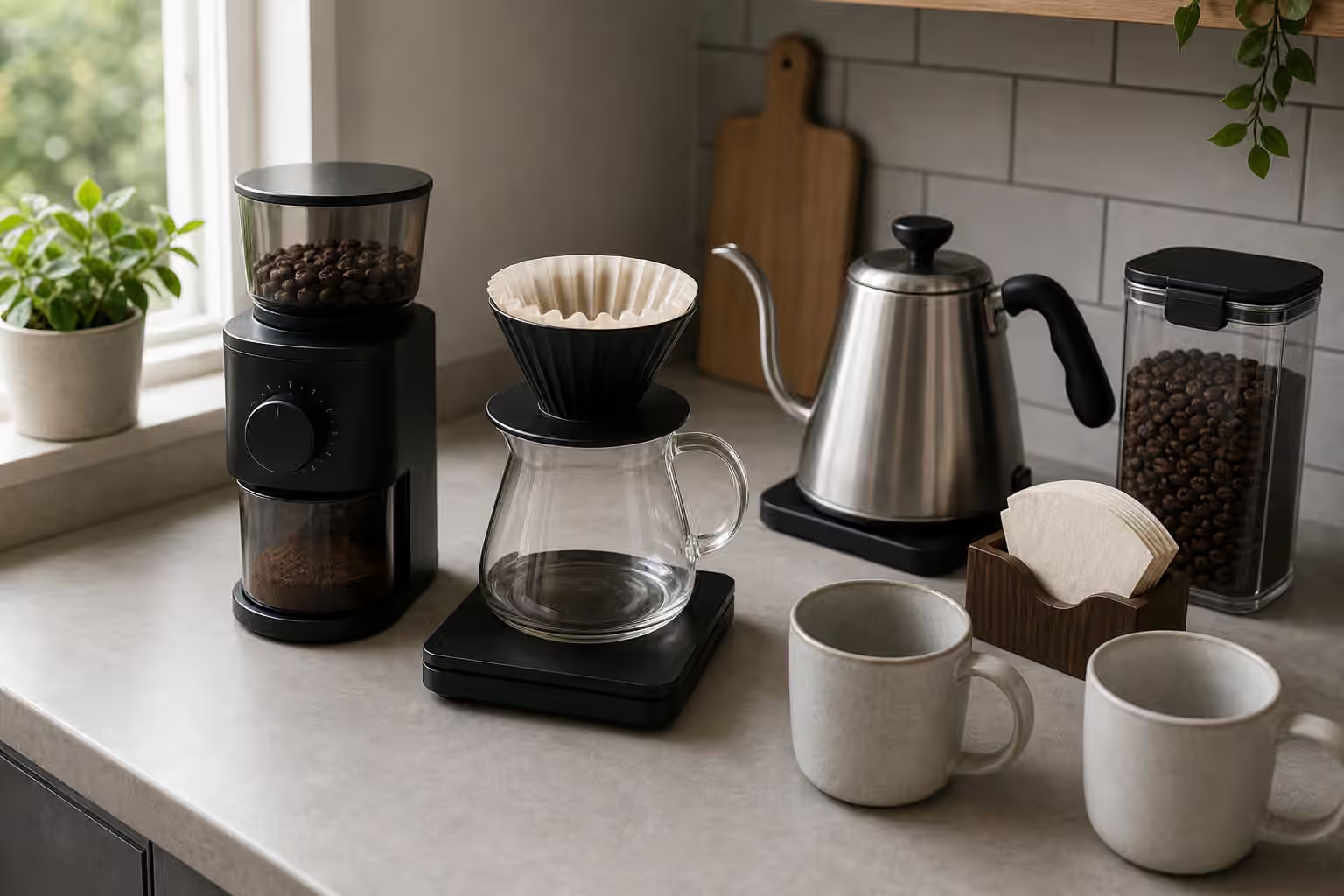
Think through the path from beans to cup. You take out the coffee, measure it, grind it, prepare the brewer, heat water, brew, serve, and clean up. A station should follow that path as much as the kitchen allows. Beans near the grinder, filters near the brewer, scale under or beside the brewer, kettle near water and power, mugs close enough to warm or fill without crossing the room. Every awkward reach becomes a small reason to skip the careful step.
The station does not need everything visible. In fact, too much visible gear can create clutter that makes the routine feel heavier. Keep daily tools close and occasional tools nearby but not in the way. If you brew pour-over every morning and French press on weekends, the dripper earns prime space and the press can live on a shelf. If automatic drip serves the household, the machine needs room to open, fill, and dry without being wedged under a cabinet.
Leave working space. A scale needs a flat stable surface. A grinder needs enough room for its catch cup. A hot kettle needs a safe landing spot. A wet dripper needs somewhere to sit after brewing. A beautiful station that leaves no counter for actual movement is decoration, not workflow.
Store Beans for Use, Not Display
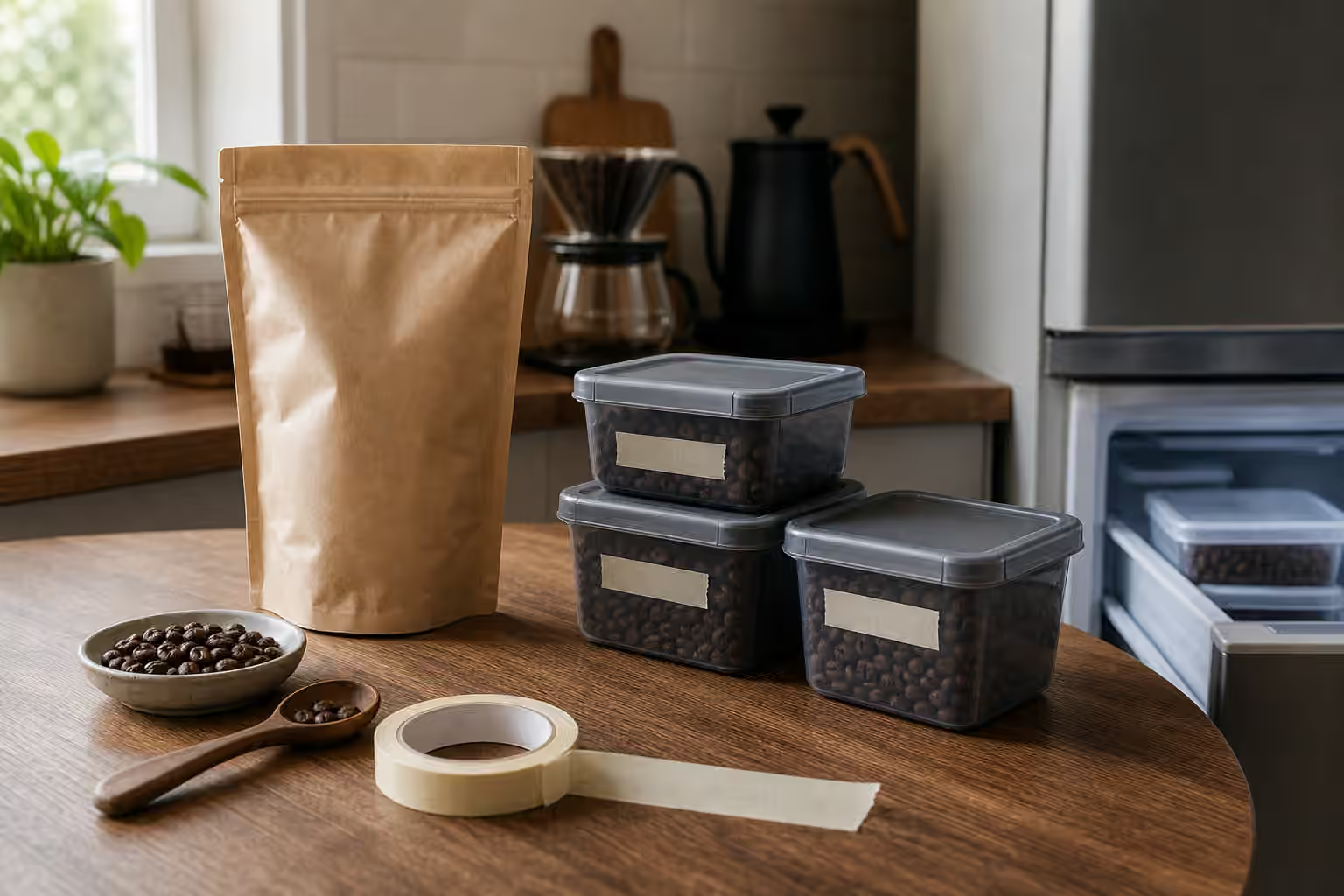
Coffee beans are tempting to display in glass jars, but aroma does not care about aesthetics. Beans need protection from oxygen, heat, light, moisture, and strong odors. Keep the daily coffee in an airtight container or a well-sealed original bag, preferably in a cool cabinet or shaded part of the station. If you use clear containers, keep them away from direct sunlight. If a bag has a good closure and valve, it may be better than transferring the coffee to a jar with lots of empty air.
Buy amounts that fit your pace. A station with five open bags may look abundant and taste stale. If you enjoy variety, open fewer coffees at a time and compare them intentionally with help from Home Coffee Cupping . If you want a daily coffee, keep the routine simple enough that the bag is finished while it still smells alive.
A small label can help if several people use the station, but avoid turning the counter into a filing system. Roast date, brewer, and a simple ratio are enough. The Coffee Bag Labels guide helps decide which information matters before the coffee enters your kitchen.
Make Measuring Easy
If the scale is buried in a drawer, the scoop will win. If the timer lives on a dead phone across the room, brew time will drift. Keep measuring tools where they are easier to use than ignore. A scale can sit under a dripper or beside the grinder. A small notebook, if you use one, should be close enough to catch the one sentence that matters: what changed and how it tasted.
This is not about making coffee feel technical. It is about removing pointless uncertainty. When the coffee tastes different, you want to know whether the dose changed, the grind moved, the water ran longer, or the beans aged. Coffee Scales and Timers explains the measuring logic; the station makes the habit practical.
If several brew methods share the space, keep their recipes visible only if that helps. A small card inside a cabinet door can be better than a counter full of notes. For many homes, one default recipe for weekdays and one slower recipe for weekends is enough.
Give Water and Heat a Safe Place
Water is heavy, hot, and easy to underestimate. Put the kettle where filling and pouring make sense. If it is electric, avoid cord tangles and keep it away from the counter edge. If it is stovetop, make sure the path from stove to brewer is clear. A gooseneck kettle needs room for the spout to move without hitting cabinets, plants, or mugs.
Filtered water should be close enough that using it is not a chore. If a pitcher lives in the refrigerator but the kettle is across the kitchen, people may default to whatever is easiest. That may be fine if the tap water tastes good. If water quality affects the cup, the station should make the better water the normal water. The guide to Water Quality for Coffee is useful if every coffee tastes muted or harsh in the same way.
Heat also needs landing zones. A trivet, towel, or heat-safe counter area prevents rushed decisions with a hot kettle or carafe. Keep towels away from open flames and hot elements. The setup should make the safe action obvious, especially before caffeine has done its work.
Design for Cleaning and Drying
Coffee gear spends a lot of time wet. If the station has no drying plan, residue builds quickly. A dripper left on a sealed surface can sour. A French press screen can hide grounds. A travel mug lid can carry old coffee into every new brew. Cleanliness is flavor, and station design either supports it or quietly fights it.
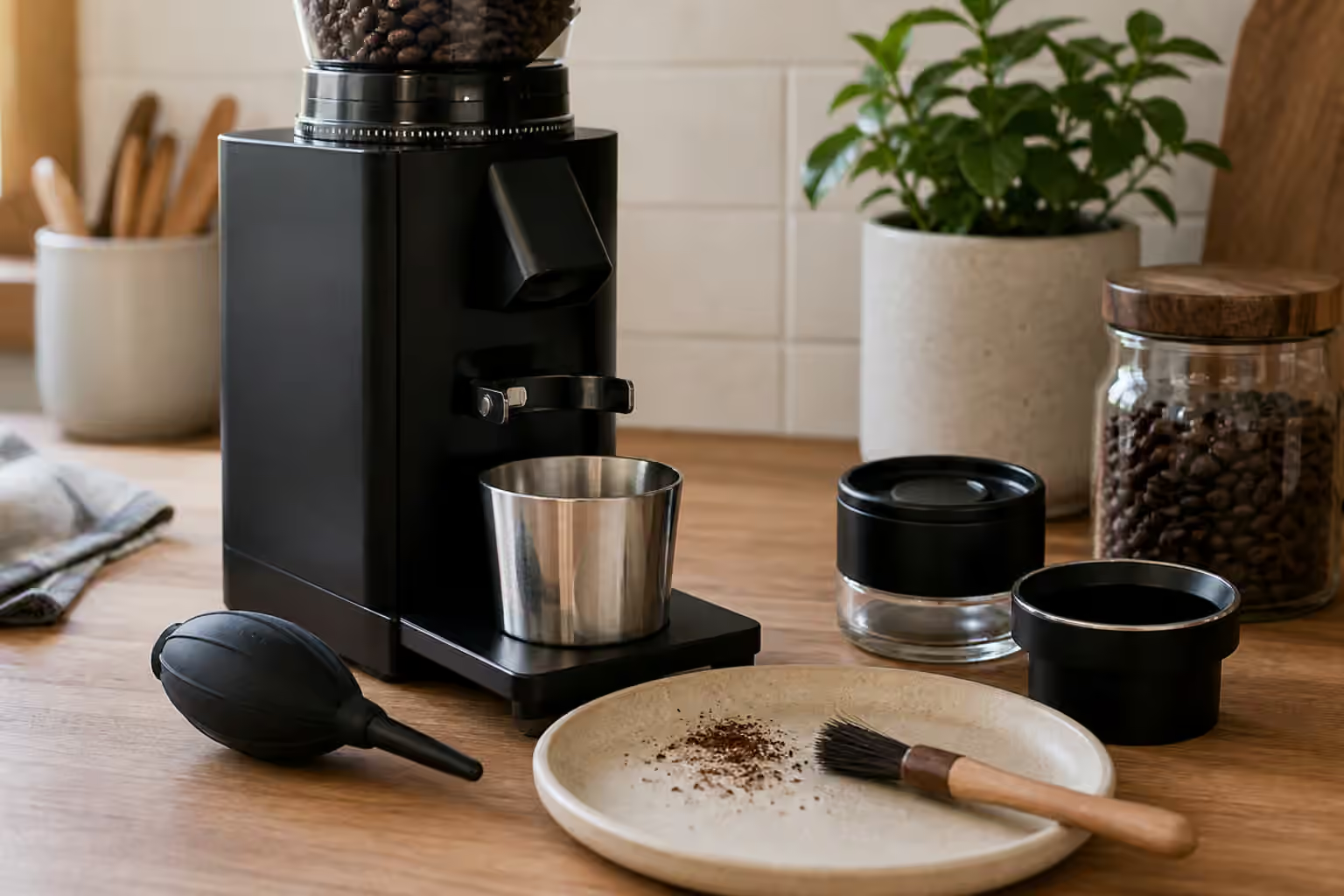
Keep a small brush, cloth, or cleaning tool near the gear that needs it. Let brewers dry with airflow before putting them away. Do not close damp parts into dark cabinets unless they are actually dry. If the sink is far from the station, consider a small tray for carrying used tools without dripping across the kitchen. The goal is not a spotless ritual. It is preventing yesterday’s oils and moisture from becoming tomorrow’s flavor.
Clean Coffee Gear covers the details. The station version is simple: make the clean path shorter than the neglect path. If cleaning requires moving six things, it will happen less often.
Keep Upgrades Honest
A coffee station can become a place where equipment accumulates without improving the cup. Before adding a tool, ask what problem it solves. A grinder may solve freshness and grind control. A better kettle may solve pour control. A thermal server may solve coffee cooking on a hot plate. Another dripper may solve nothing if the current problem is stale beans or poor water.
Use the station to reveal bottlenecks. If the grinder is good but the beans are stored poorly, fix storage. If the scale exists but is never used, move it. If the kettle is precise but the brewer is always dirty, cleaning matters more than temperature display. The Coffee Dial-In Log can help because repeated notes show which variables actually change the cup.
A station should also fit the people who use it. If guests or family members brew there, keep the default path understandable. The best setup is not the one with the most specialized options. It is the one that makes a decent cup likely even when nobody is performing.
Let the Routine Stay Small
The quiet success of a home coffee station is that it makes good habits ordinary. Beans stay protected. The grinder is ready. The filter has a place. The kettle is safe. The scale is available. Used gear has somewhere to dry. Nothing about that needs to feel precious. It is simply the environment that lets brewing happen with fewer mistakes.
Start with the cup you make most often and arrange the station around that. Add only what supports that routine. Remove tools that live on the counter as guilt. Coffee improves when the daily path is clear enough to repeat, taste, and adjust. A good station does not demand attention. It gives attention back to the brew.