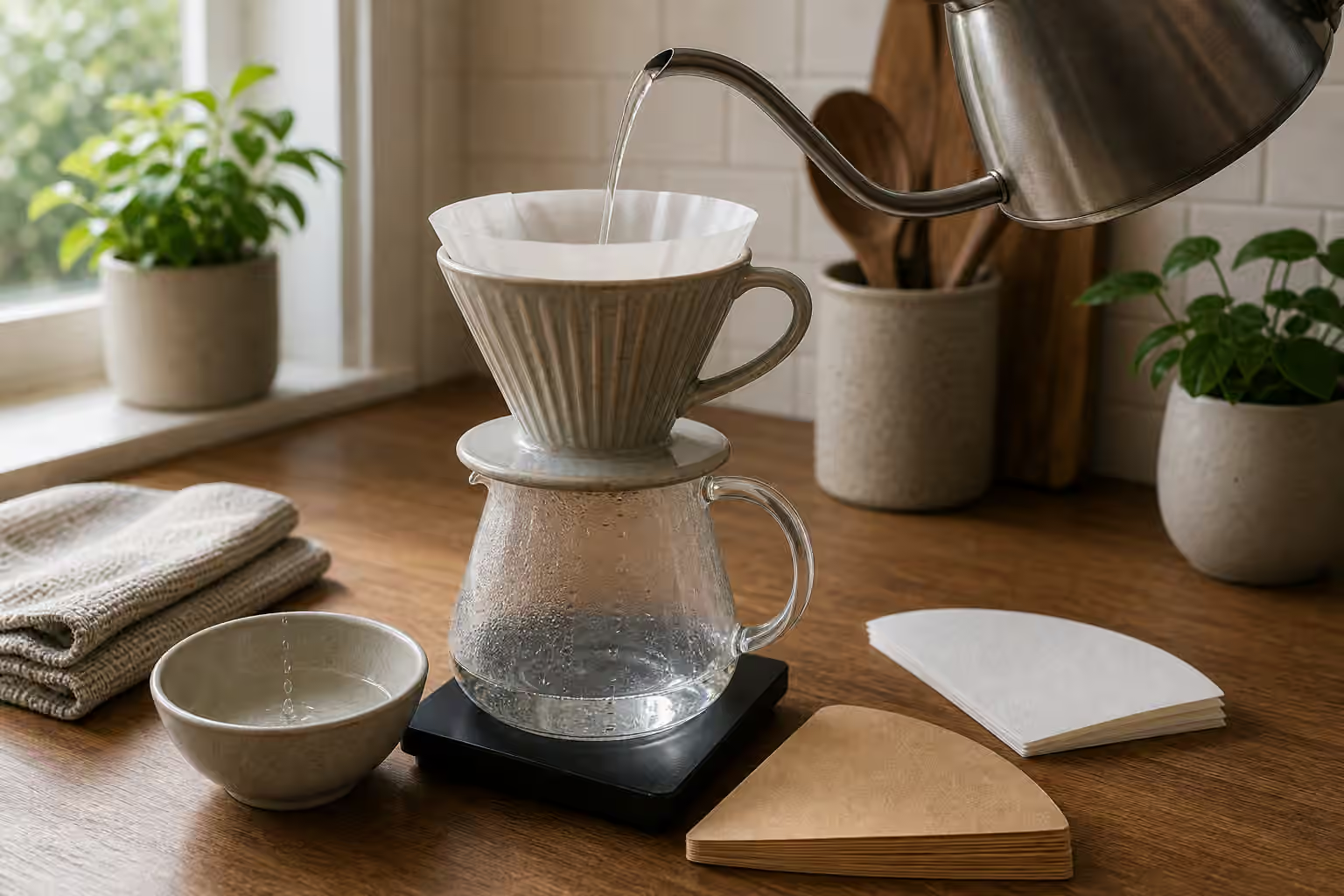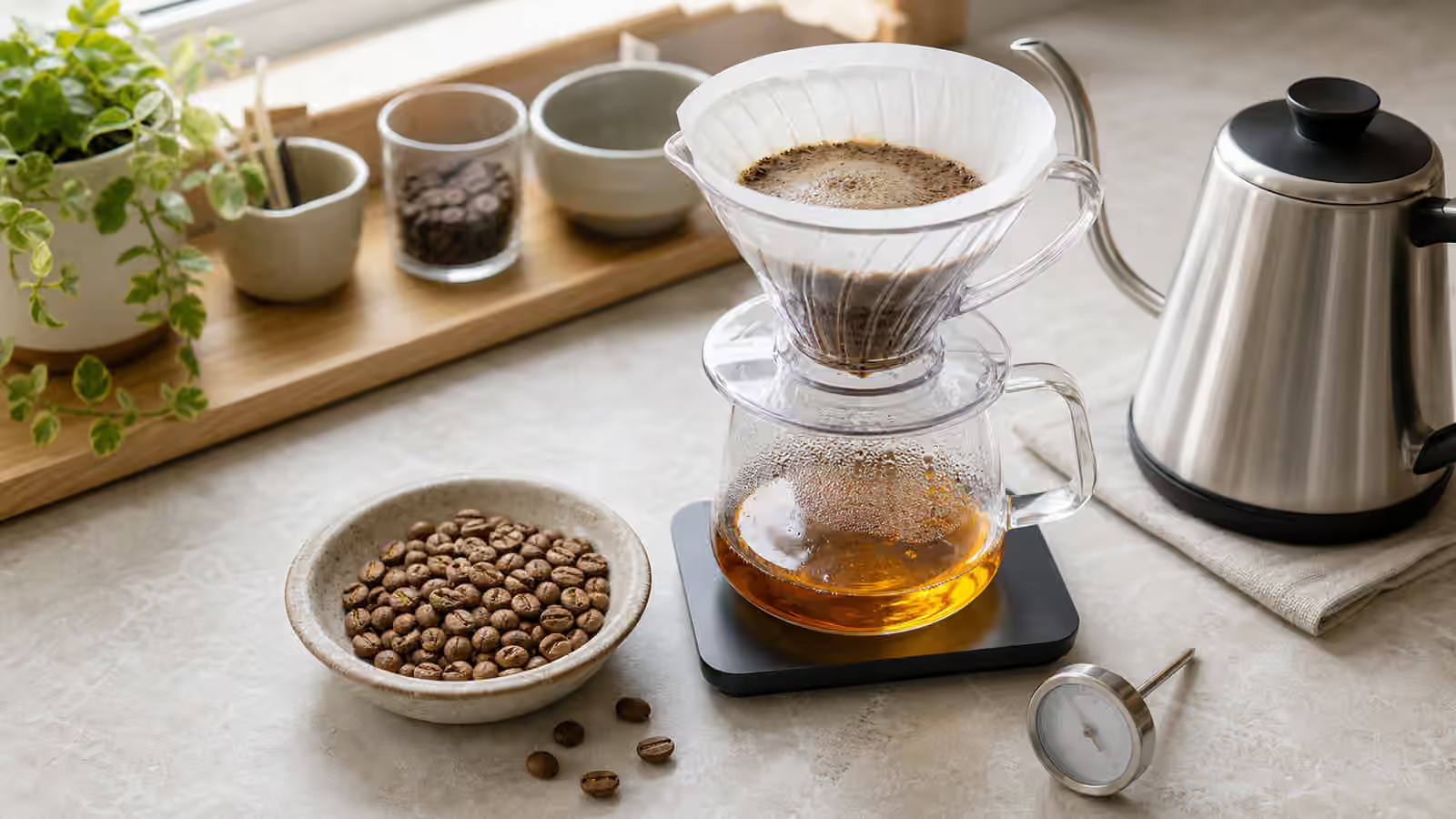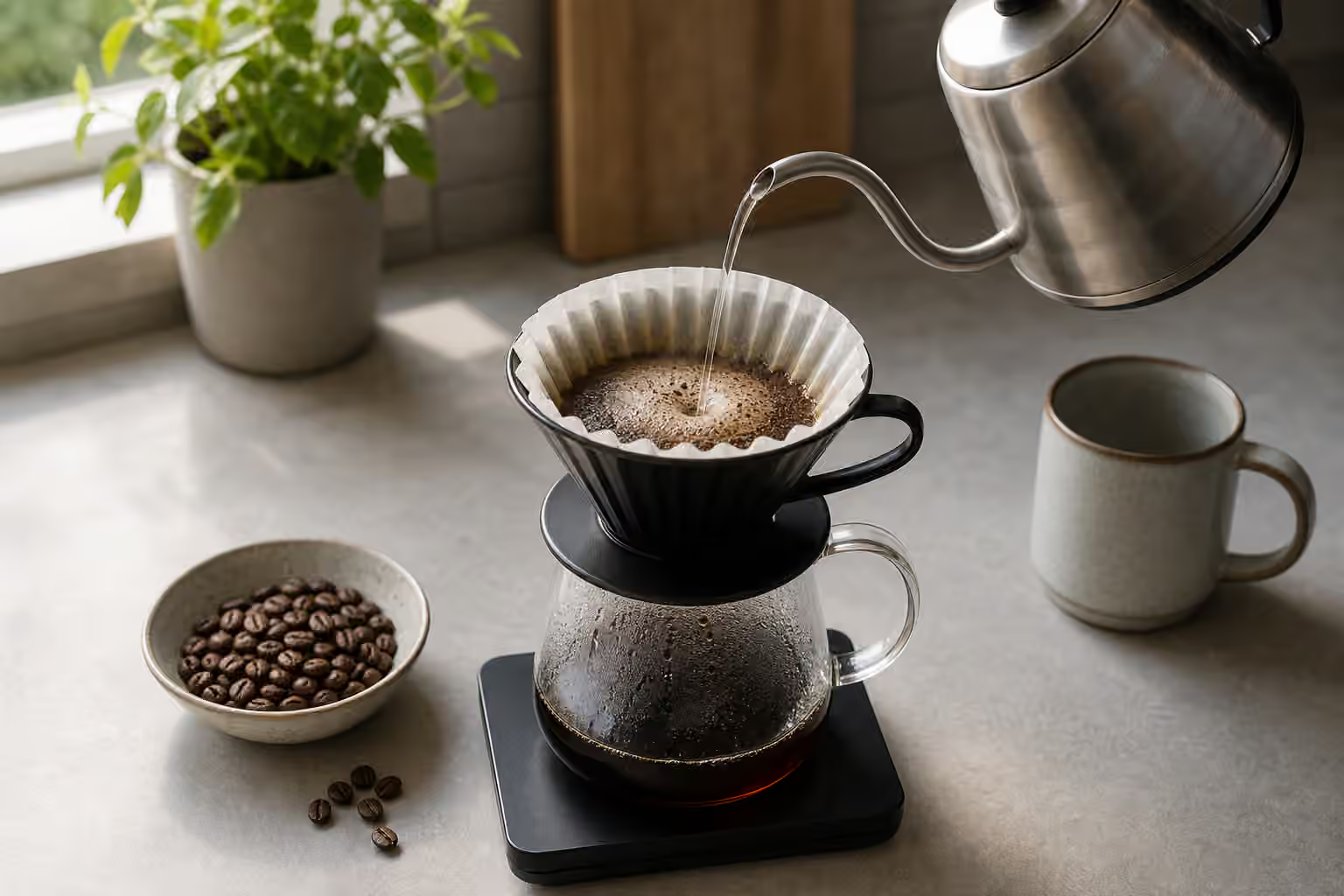
A gooseneck kettle is not a magic wand. It does not make bad beans good, fix a poor grind, or turn every pour-over into a delicate cafe cup. What it gives you is control over how water enters the coffee bed. That control matters because pour-over is partly a brewing method and partly a water delivery problem. The stream can wet evenly or drill a hole. It can keep the bed stable or push fines into the filter. It can support extraction or make the cup taste thin and confused.
The value of a gooseneck kettle is easiest to understand if you have tried to brew a careful pour-over with a wide-spout kettle. Water rushes out, lands hard, and spreads unpredictably. You can still make coffee, but your choices are blunt. A narrow spout lets you pour slower, aim better, and repeat a pattern. That does not mean the pour should become theater. It means your hand can stop fighting the tool.
Flow Rate Is the First Skill
Flow rate is how quickly water leaves the kettle. In pour-over, it affects agitation, brew time, bed depth, and extraction. A heavy fast stream can churn the bed, lift grounds up the filter wall, and push fines downward until the brew stalls. A very slow stream can extend the brew and lose heat, especially if the kettle is held nervously above the dripper. The useful middle is a steady stream that wets the bed without throwing it around.
Practice with water before coffee if the kettle feels unfamiliar. Fill it to a normal brewing level, pour into the sink or a mug, and notice how the stream changes as you tilt your wrist. A good pour comes more from small angle changes than from dramatic arm movement. The kettle should feel balanced enough that you can start, stop, and restart without a splash.
Electric temperature-control kettles add convenience, but the spout matters more than the display for pour-over control. A simple stovetop gooseneck can brew excellent coffee if the stream is steady. A high-end kettle with poor handling can still make uneven pours. Choose the tool that helps your hand repeat the same motion without strain.
Height Changes Agitation
The higher the kettle spout sits above the bed, the harder the water lands. Sometimes a little height helps the stream break the surface and mix the slurry. Too much height creates craters and splashing. Too low can cause the spout to touch steam, wobble near the brewer, or pour without enough energy to wet the surface evenly. Most home pour-over benefits from a moderate height where the stream is smooth and the bed moves gently.
Watch the coffee bed rather than the kettle. If the stream cuts a hole in the center, lower the flow, lower the height, or move the pour. If grounds climb the filter walls and stay there, your pour may be too aggressive or too close to the edge. If the bed barely moves and tastes sour, you may need more wetting, finer grind, hotter water, or a slightly more active pour. The Coffee Bloom and Wetting guide is useful because the first pour reveals these habits quickly.
Height also affects heat. A thin stream falling a long distance cools as it moves through air, though in normal home brewing this is usually a smaller issue than grind, water, and contact time. Still, a calm close pour keeps the process more stable and easier to repeat.
Pattern Should Serve the Bed
Pouring patterns can look like choreography: spirals, center pours, pulses, rings, and careful edge work. The pattern matters only if it helps water reach the coffee evenly. A spiral from center outward can wet a cone bed well during bloom and main pours. A center pour can reduce agitation and keep fines from clogging some brewers. A pulse pattern can maintain bed depth while giving the brewer time to drain. None of these is automatically correct.
Start with a simple pattern. During bloom, wet the whole bed without pouring directly down the paper wall. During the main pour, move steadily across the coffee and avoid chasing every ground stuck high on the filter. Some grounds on the wall are normal. Pouring hard at the edge to wash them all down can create bypass, where water slips along the filter instead of through the bed. A gentle swirl after a pour may flatten the bed more cleanly than aggressive edge pouring.
Flat-bottom brewers and cone brewers respond differently. A flat-bottom bed spreads water across a wider surface and may like a pattern that covers the whole area. A cone brewer funnels water toward the center and can punish a center-only pour if the edges stay underused. The broader Pour-Over Coffee Technique guide helps connect pattern with brewer shape.
Timing and Pulses Are Control Levers
A gooseneck kettle lets you pour in pulses instead of one uncontrolled flood. Pulsing can be useful because it manages bed depth and contact time. If you pour all the water quickly, the brewer fills high, water pressure increases, and the bed may drain differently. If you pour in smaller stages, you can keep the slurry at a steadier level and observe how the bed responds.
Pulses are not automatically better. Too many tiny pours can lengthen the brew, lose heat, and introduce inconsistent agitation. One continuous pour can work beautifully when the grind and brewer support it. The right choice depends on taste. If the cup is sour and fast, a slower pulse pattern or finer grind may help. If it is bitter and stalled, fewer pulses, a coarser grind, or gentler pouring may help.
A timer makes this easier to learn. Notice when the bloom starts, when the main pours happen, and when the last water drains. The Coffee Scales and Timers guide explains why these numbers are anchors rather than trophies. A beautiful pour that tastes bad is still a bad recipe. A plain pour that tastes sweet is worth repeating.
Temperature Control Is Useful, But Not the Whole Story
Many gooseneck kettles are sold with temperature settings, and those can help. Light roasts often need more heat to extract sweetness. Darker roasts may taste smoother with slightly less heat. But temperature control cannot compensate for a stream that tears up the bed or a grind that does not fit the brewer. Heat is one lever among several.
If your kettle has no temperature display, you can still brew well. Let water come to a boil, then use time and context. For lighter coffee, pour soon after boiling, especially if the brewer is preheated. For darker coffee, a short rest off the boil may taste better. Keep the habit repeatable. If the kettle rests thirty seconds one day and three minutes the next, you have added an invisible variable.
The Coffee Brewing Temperature guide covers heat in more detail. For kettle control, the practical point is simpler: choose a water temperature that suits the coffee, then pour in a way that lets that heat extract evenly.
Comfort Makes Consistency Possible
A kettle that hurts your wrist or feels unstable will make brewing worse no matter how elegant it looks. Handle shape, filled weight, lid security, and spout response all matter. If you brew small cups, a lighter kettle may be easier to control than a heavy one. If you brew for several people, capacity matters. A kettle should fit the amount of water you usually heat without requiring an awkward steep tilt at the end.
Do not overfill. A very full kettle can surge unpredictably and feel unsafe. Do not brew with so little water that the kettle must be tipped sharply to maintain a stream. Find a practical fill range and make it part of the recipe. The goal is a relaxed hand, not a dramatic pour.
Good pouring becomes quiet with practice. The stream starts cleanly, wets the bed evenly, and stops when you mean it to stop. You learn how much agitation your grinder and brewer can handle. You stop blaming the dripper for problems created by water delivery. Most of all, you gain one more repeatable variable. The kettle does not make the coffee for you. It lets your choices reach the grounds in the way you intended.