Freezing coffee is useful when it is treated as a pause button, not a magic freshness machine. A freezer cannot make tired beans taste lively again, and it cannot rescue a bag that has already been open on a warm counter for weeks. What it can do is slow the fading of good whole beans when you have more coffee than you can brew at its best. The habit works especially well when you buy a favorite seasonal coffee, split a larger bag, receive more beans than usual, or want to keep a decaf or occasional espresso coffee from aging while your daily bag gets attention.
The freezer conversation often sounds more dramatic than the actual practice. People worry that freezing is always bad because coffee absorbs odors, or they freeze and thaw the same bag every morning until condensation ruins the point. Both concerns are real, but neither means the freezer is off limits. Coffee mainly needs protection from oxygen, moisture, heat, light, and strong smells. The Coffee Storage Guide covers the daily version of that problem. Freezer storage uses the same logic in a colder place, with moisture control becoming the detail that decides whether the plan helps.
Freeze Coffee While It Still Tastes Alive
The best time to freeze beans is when they are already good enough to protect. If a coffee is too fresh for your method, give it a sensible rest first. Very fresh coffee can be gassy, unstable, and difficult to brew evenly, especially as espresso. The guide to Coffee Freshness and Resting explains why roast date is the start of the clock rather than a trophy. Freezing slows that clock after the coffee reaches a useful point. It does not replace the need to understand the coffee’s age.
Think about your pace before opening the bag. If you normally finish twelve ounces in two weeks, you may not need the freezer at all. If you buy a large bag and know the second half will sit for a month, portioning becomes sensible. If you rotate three coffees at once because each one sounds interesting, freezing can keep variety from becoming waste. It is better to freeze a portion early than to wait until the bag is already hollow, papery, or oily.
Whole beans freeze far better than ground coffee. Grinding creates more surface area, which means aroma escapes faster and oxygen has more access. If convenience forces you to freeze ground coffee, keep expectations realistic and divide it into small airtight portions that will be used quickly. For quality, the strongest habit remains simple: freeze whole beans, thaw one portion, grind just before brewing.
Portion for the Way You Actually Brew
The biggest freezer mistake is treating the freezer like a pantry. A bag comes out, sits open while someone doses coffee, collects condensation, then goes back into the cold. The next morning it happens again. That cycle invites moisture onto the beans and into the packaging. It also exposes the coffee to kitchen air over and over. The freezer is useful when portions come out once.
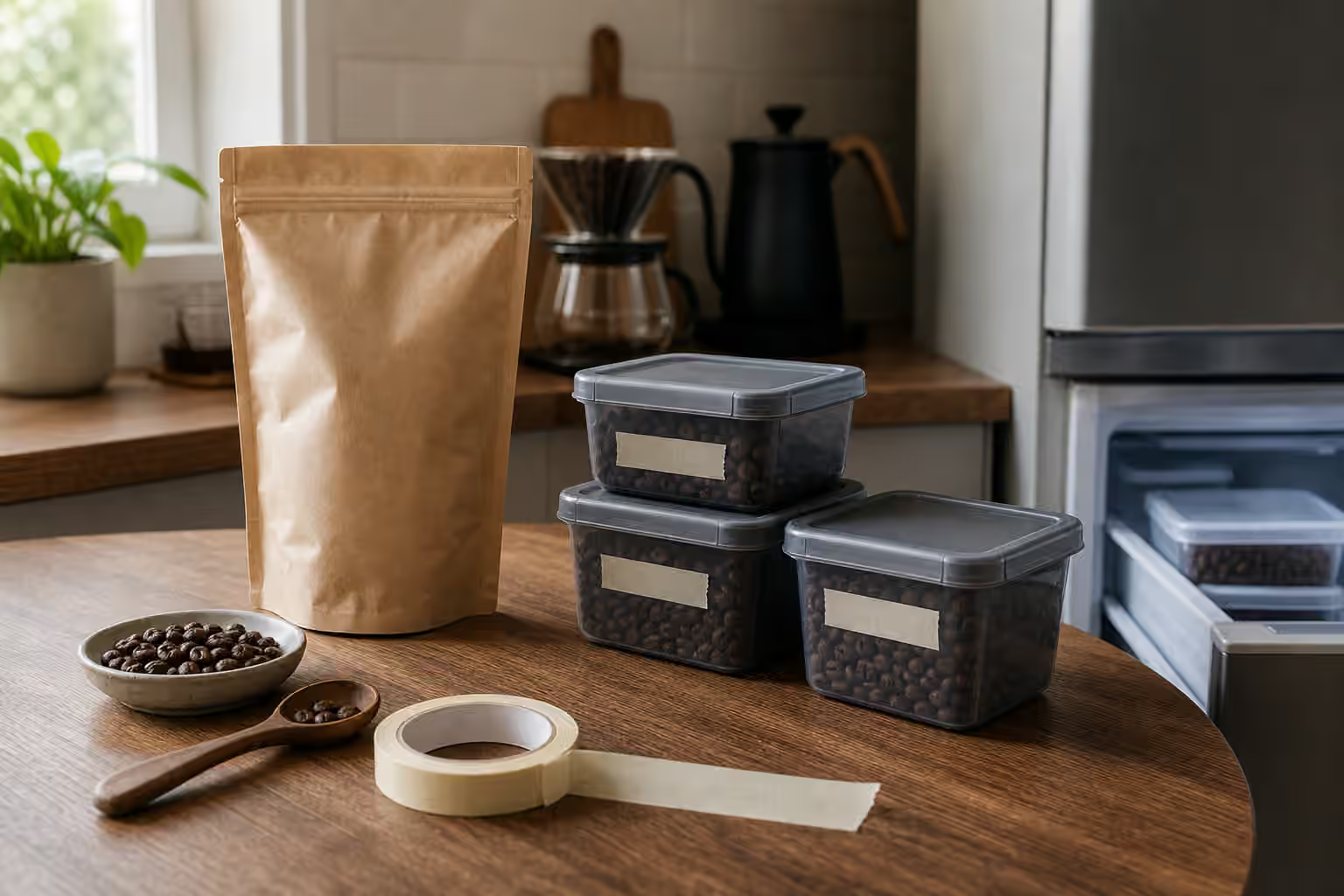
Portion the coffee into amounts that match real use. A daily brewer might freeze three or four day portions. An espresso drinker might freeze enough for one dial-in session and a few drinks. A household that batch brews on weekends might freeze one pot at a time. The portion does not need to be mathematically perfect. It needs to prevent the main stash from thawing and refreezing.
Airtight packaging matters more than prettiness. A sealed original bag can work if it is unopened, sturdy, and placed inside another freezer-safe bag or container. Smaller portions can go into jars, vacuum bags, heavy freezer bags with extra air pressed out, or compact containers with tight lids. Clear containers are fine inside a dark freezer, but they should still keep out odors. Coffee is porous and aromatic. It can pick up smells from ice, onions, leftovers, or a freezer that needs cleaning.
Labeling can help, but do not turn the system into office paperwork. A blank tape strip with roast date, freeze date, and coffee name is enough if you use several portions. If the label has readable branding or tasting notes, it is not doing the brewing for you. The more useful record is how the thawed coffee behaves in the cup. If it tastes like the coffee you wanted to save, the method worked.
Thaw Before Opening
Condensation is the reason freezer storage goes wrong. Cold beans brought into a warm kitchen attract moisture from the air. If you open the container immediately, that moisture can settle on the beans. Coffee does not need a visible wet surface to suffer. Even small moisture exposure can dull aroma, encourage clumping in the grinder, and make storage less predictable.
Remove the portion you plan to use and let it come to room temperature while still sealed. For a small portion, this may not take long. For a larger sealed bag, give it more time. The exact wait depends on the amount of coffee and the room, but the principle is stable: the outside air should meet the container first, not the cold beans. Once the beans are no longer cold enough to collect moisture, open the portion and use it like normal coffee.
Do not rush the thaw by opening the bag, pouring beans into a warm bowl, or placing them near steam from a kettle. Coffee is not frozen soup. It needs a dry transition, not speed. If the plan feels too slow for your morning, thaw a portion the night before and keep it sealed on the counter. The coffee will be ready when you wake up, and the freezer has still done its job.
After thawing, avoid returning that portion to the freezer. Use it as your active coffee and store it like any opened bag, protected from air, heat, light, and moisture. If the portion is too large for your pace, the fix is smaller portions next time. Freezing works best when the system respects your routine instead of asking you to behave like a lab technician.
Brew Thawed Coffee With Normal Judgment
Thawed coffee should not require a special recipe just because it was frozen. Start with the recipe you would have used for that coffee at the same roast age. Watch the bloom, flow, aroma, and finish. If the coffee tastes sweet, clear, and recognizable, the freezer preserved enough of what mattered. If it tastes flat, the issue may be age before freezing, poor sealing, odor exposure, or too many open-close cycles.
Espresso may need a small dial-in adjustment after thawing, but that is true whenever beans change age, humidity, or roast behavior. Do not assume the freezer caused every shot to move. Use the same calm method from How to Dial In Espresso : keep dose and yield steady enough that grind changes mean something. For filter coffee, use the same logic from Coffee Brewing Ratios and change one variable at a time.
Sometimes frozen coffee tastes slightly less aromatic than a perfectly timed fresh bag but much better than the same bag would have tasted after sitting open. That is a good result. Freezing is not a contest against ideal freshness. It is a way to protect a coffee you cannot finish immediately. The standard is practical: does this portion brew better than it would have if ignored on the shelf?
Let the Freezer Solve the Right Problem
Use the freezer for surplus, special bags, slow decaf use, seasonal coffees, travel gaps, and household pacing. Do not use it to justify buying far more coffee than you enjoy, or to keep five open bags in rotation without a plan. Variety is fun until every bag becomes half stale. If you like comparing coffees, Home Coffee Cupping is a better way to taste several beans intentionally, then freeze the portions you will not brew soon.
The clean freezer routine is short. Freeze good whole beans early, seal them tightly in useful portions, keep them away from strong odors, thaw each portion while sealed, and do not refreeze the active coffee. When that habit is in place, the freezer stops being a superstition. It becomes a quiet storage tool that lets a good bag wait its turn without losing the cup you bought it for.