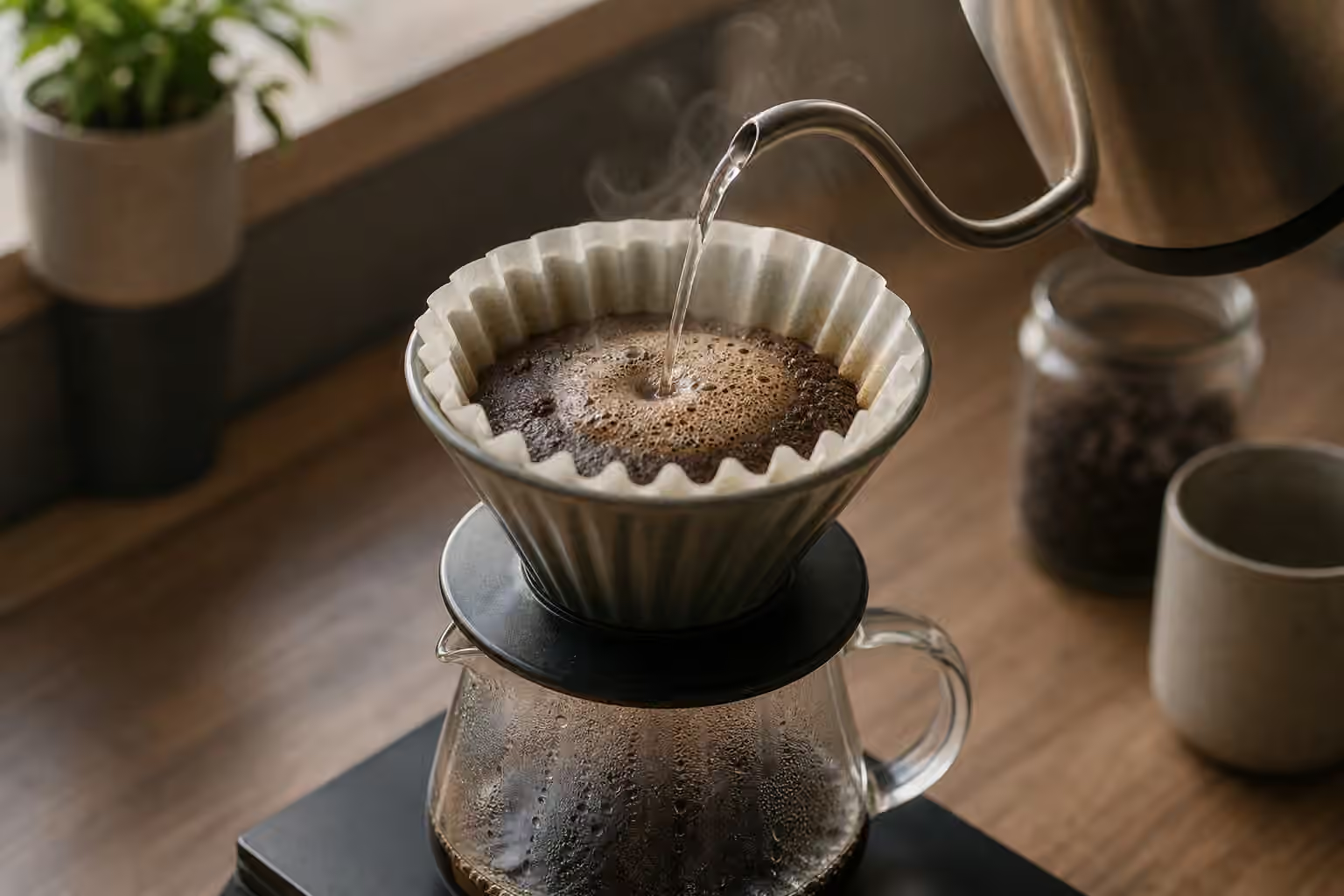
Flash brew iced coffee is built on a simple idea: brew hot coffee directly over ice, using the ice as part of the recipe instead of treating it as an afterthought. Hot water extracts the aromatics, acidity, and sweetness that make coffee expressive. Ice chills the brew immediately and becomes the remaining water in the cup. When the balance is right, the result tastes like iced coffee on purpose, not hot coffee that got tired and watery.
This method is often called Japanese iced coffee, though the broader habit of brewing hot over ice has spread far beyond one name. It sits between two familiar cold coffee frustrations. Standard iced coffee can taste diluted because a full-strength hot brew is poured over ice after the fact. Immersion cold brew can taste smooth and chocolatey but muted, especially when the beans have fruit, florals, or lively acidity. Flash brew keeps the speed and aromatic range of hot brewing while finishing cold enough to drink immediately.
If you want the narrative tour of cold coffee styles, read Cold Brew Story . This guide is the practical bench version: how to think about water, ice, grind, brew method, and bean choice so the cup stays bright without becoming thin.
Ice Is Brew Water
The central shift is treating ice as part of total brew water. If you want 320 grams of finished iced coffee, you do not brew 320 grams of hot water and then add ice. You brew with less hot water and place the missing water in the server as ice. As the coffee lands, the ice melts and completes the recipe.
A useful starting point is to make roughly forty percent of the total water ice and sixty percent hot brew water. For a 20 gram dose of coffee and 320 grams of total water, that might mean about 130 grams of ice in the server and 190 grams of hot water poured through the coffee. The finished ratio remains 1:16, but the brew phase is more concentrated. That concentration is necessary because melting ice dilutes the coffee into its final strength.
This is why flash brew often asks for a slightly finer grind than your normal pour-over. The hot water volume is lower, so it spends less total time passing through the bed. A finer grind helps extract enough sweetness and structure before the brew is chilled. The change should be modest. If your usual pour-over is balanced at a medium-fine setting, move a little finer rather than jumping toward espresso. The Grind Size Guide is useful here because small changes matter in percolation brewing.
The Best Coffees for Flash Brew
Flash brew is especially good for coffees whose charm depends on aroma and acidity. Washed Ethiopian, Kenyan, Colombian, Costa Rican, and other bright coffees can become vivid over ice because the hot brew captures volatile aromatics before the ice locks them into a chilled cup. Citrus, berry, tea, florals, and stone fruit notes often read more clearly here than they do in long-steep cold brew.
That does not mean darker or rounder coffees fail. A medium roast blend can make a clean, refreshing iced coffee with chocolate and caramel tones. It may be less dazzling, but it can be more drinkable with milk or a splash of cream. Very dark roasts require care because chilling can make bitterness feel firm and blunt. If a coffee tastes smoky when hot, flash brewing will not make it delicate.
The choice also depends on the drinking format. Black flash brew rewards clarity. Milk flash brew wants structure. A delicate single origin that tastes beautiful on its own may disappear under dairy, while a blend with cocoa, nut, and brown sugar notes may hold together. For a deeper buying framework, use Coffee Blends and Single Origins beside this method.
Pour-Over Is the Natural Starting Point
The easiest way to learn flash brew is with a cone or flat-bottom dripper set over a server filled with ice. The dripper lets you control saturation and flow, and the clear server lets you see how quickly the ice melts. Rinse the paper filter with hot water before adding ice to the server, then discard the rinse water. This prevents paper taste and warms the dripper without shrinking your ice before the brew begins.
Start with a normal dose of coffee and a normal total ratio, then split the water between hot water and ice. Bloom with enough hot water to wet all the grounds, usually about two to three times the coffee weight. Because the bed will see less water overall, the bloom should be thorough. Swirl gently if dry pockets remain. Then continue pouring in controlled pulses, keeping the bed evenly wet and avoiding a rush down the filter walls.
The Pour-Over Technique guide explains why even saturation matters. Flash brew makes that lesson more obvious because there is less hot water available to correct a bad start. If the first pour creates channels, the finished cup may taste sharp and weak at the same time. A steady bloom and calm pulses usually produce a sweeter result than one dramatic pour.
Adapting Other Brewers
Flash brew is not limited to hand pour-over. Some automatic drip machines can brew over ice if the basket and carafe setup allow it. The same principle applies: reduce the reservoir water and place the remaining water as ice in the carafe. The challenge is that many machines do not handle small batches evenly, and some hot plates will melt ice too aggressively or warm the finished coffee. If your machine has a glass carafe and a brew-only mode without a hot plate, it may work well enough to test.
AeroPress can also make excellent iced coffee. Brew a concentrated cup with hot water, press it directly over ice, then stir until the ice has mostly melted. Because immersion gives the coffee time to extract before pressing, AeroPress flash brew can be forgiving. It produces a rounder cup than pour-over, with less high-definition clarity but more body. If you like a cold coffee that takes milk without losing itself, this is a useful path.
French press is trickier because the hot brew is usually separated from grounds after a longer steep, then poured over ice. That can work, but it behaves more like chilled immersion coffee than classic flash brew. The cup will be fuller and less crisp. It may still be exactly what you want if the coffee has chocolate, nut, or spice notes.
What Goes Wrong
Watery flash brew usually comes from treating ice as decoration instead of brew water. If you brew a full-strength hot cup and add ice afterward, the melting ice pushes the ratio too weak. Fix the math first. Decide the total finished water, then split that total into hot water and ice.
Sour flash brew often means the concentrated brew phase did not extract enough. Grind a little finer, pour more evenly, use hotter water, or extend the drawdown slightly. Do not fix sourness by adding more coffee alone. A stronger under-extracted cup is still under-extracted; it just shouts more.
Bitter or drying flash brew usually means the grind went too fine, the pour was too aggressive, or the coffee itself is roasted darker than the method needs. Chilling can make rough edges feel more pronounced, especially in the finish. Coarsen slightly, pour with less agitation, or choose a coffee with more sweetness and less smoke.
Flat flavor may point to water. Cold coffee reveals dull water in a different way than hot coffee. The cup may taste lifeless rather than obviously bad. If your hot brews already improve with filtered water, flash brew will too. The larger explanation lives in Water Quality for Coffee .
Serve It While It Is Alive
Flash brew tastes best soon after brewing. Its advantage is immediacy: aromatic hot extraction, rapid chilling, and a cup ready before the coffee loses its lift. You can store it briefly in the refrigerator, but the brightest aromatics fade over time. If you want a cold coffee to keep for several days, immersion cold brew is the better tool.
Serving is simple. Stir the finished coffee so melted ice and concentrated brew become one drink. Taste before adding more ice. If the server still contains large cubes, the recipe may have finished slightly stronger than planned, which can be useful if the coffee will sit in a glass for a few minutes. If all the ice melted immediately and the coffee is still warm, start colder next time with more ice in the server or a pre-chilled vessel.
The method rewards attention without requiring ceremony. It lets a fresh bag show its personality in warm weather, and it keeps cold coffee connected to the same brewing principles you use the rest of the year. Ratio, grind, water, extraction, and taste still lead. The only difference is that part of the water arrives frozen.