Dark roast coffee does not need to taste burnt. It can be bold, chocolatey, bittersweet, heavy, and comforting without becoming harsh. The challenge is that dark roasts extract easily and carry more roast character on the surface. Water does not have to work as hard to pull flavor from them, so recipes built for light or medium coffee can push dark roast too far. The result is the familiar cup people describe as bitter, ashy, smoky, dry, or tiring.
Some bitterness belongs in dark roast. It gives structure to espresso, moka pot, French press, and milk drinks. The problem is not bitterness itself. The problem is rough bitterness that overwhelms sweetness and leaves a drying finish. Brewing dark roast well means respecting how soluble it is, keeping the gear clean, and choosing methods that support body without punishing the cup.
Dark Roast Extracts Faster
As coffee roasts darker, the bean structure becomes more porous and brittle. Oils may move toward the surface. Acidity drops, body rises, and roast flavors such as cocoa, toast, smoke, molasses, and bittersweet caramel become more prominent. Because the bean has been transformed more deeply by heat, water can extract many compounds quickly. That is useful when you want a strong, familiar cup. It is risky when the recipe uses very hot water, a fine grind, long contact, and heavy agitation all at once.
If a dark roast tastes harsh, the first question is not whether dark coffee is bad. The first question is whether the brew overworked it. A slightly coarser grind, a shorter contact time, gentler pouring, or slightly cooler water can make the same bag taste rounder. The Coffee Extraction guide explains why harshness often lives in the finish, not the first sip. With dark roast, that finish is where excess extraction shows itself.
Freshness also looks different. Dark roasts may release gas quickly and can show oil sooner than lighter roasts. Surface oil is not a freshness badge. It is usually a sign of roast level and bean structure. Oily beans can stale faster because oils exposed to air turn rancid. Buy amounts you can finish while they still smell pleasant, and take storage seriously.
Use Heat With Restraint
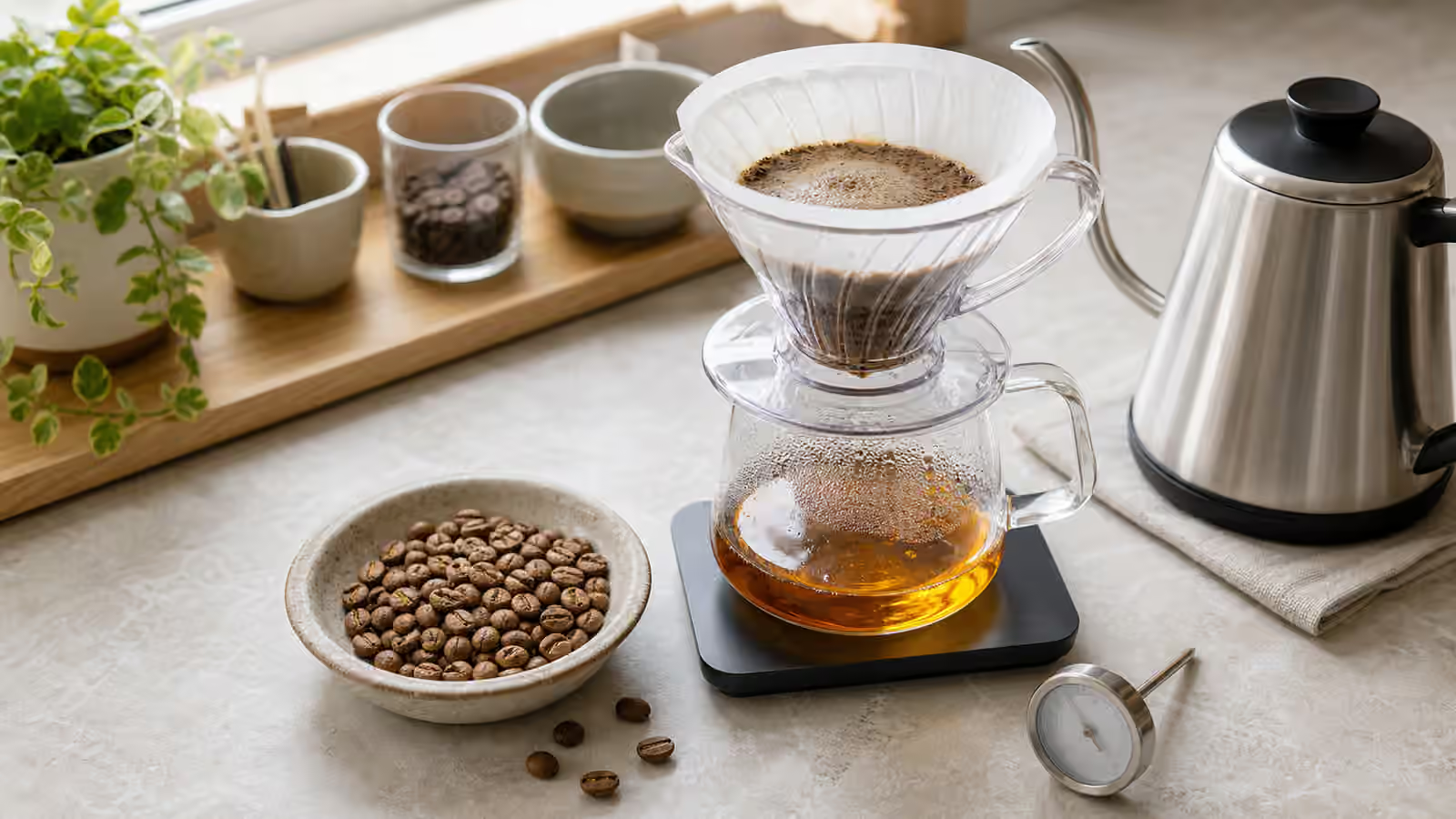
Very hot water can make dark roast taste sharp and ashy. You do not need cold brewing logic for every dark coffee, but a little restraint helps. Letting a kettle come off a boil briefly before brewing, especially for immersion or pour-over, can soften the cup. The exact temperature matters less than the habit of tasting. If the coffee becomes sweeter and less drying with slightly cooler water, keep that adjustment. If it becomes flat or weak, return to more heat.
Preheating still matters. Cooler brewing water does not mean cold equipment. A cold French press, moka pot, mug, or ceramic dripper can steal heat unevenly and make the cup dull. Warm the brewer enough that the recipe is stable, then choose water temperature for extraction rather than letting the counter decide for you. Coffee Brewing Temperature is useful because dark roast is often where too much heat and too little heat both taste wrong in different ways.
Serving heat is another quiet lever. Dark roast served extremely hot can feel simple and bitter. As it cools slightly, chocolate and sweetness may become easier to notice. If it gets harsh as it sits, the issue may be over-extraction, dirty equipment, or coffee cooking on a hot plate.
Grind for Sweetness, Not Mud
Dark roast is brittle, so it can produce more fines during grinding. Those tiny particles extract quickly and clog filters. A grind setting that works for a medium roast may produce a slower, heavier, drier cup with dark roast. If the brew stalls or tastes dusty, try a slightly coarser grind and reduce agitation. If the cup becomes pleasant but too weak, adjust ratio after the harshness is controlled.
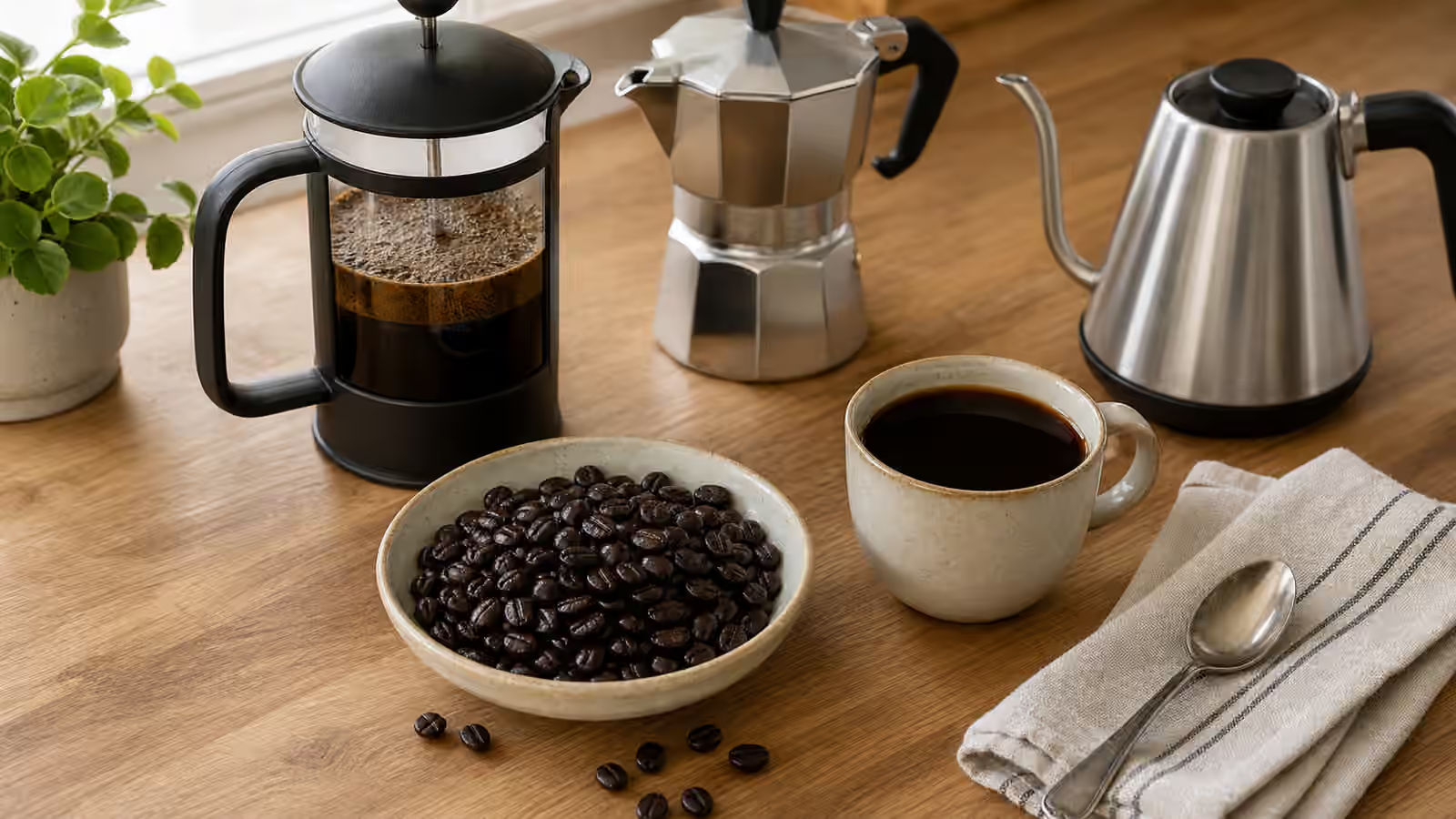
French press is a common dark roast brewer because it emphasizes body. Use a coarse enough grind to avoid sludge, give the grounds time to settle before pouring, and avoid plunging aggressively. The plunger is a filter, not a piston for squeezing flavor out of the bed. A gentle press keeps more sediment at the bottom and less bitterness in the cup.
Moka pot also suits darker coffee when heat is managed. Too much stove heat can make the brew sputter and taste burnt. A steady moderate heat, removing the pot when the flow turns pale or noisy, usually gives a cleaner result. Moka Pot Coffee goes deeper on that method, but the dark roast principle is simple: do not use force where patience would taste better.
Choose Filters and Ratios Intentionally
Paper filters can make dark roast cleaner by holding back oils and sediment. This can be useful if the coffee tastes heavy or smoky in French press. A paper-filtered automatic drip or pour-over may reveal chocolate and sweetness that metal filtration buries under texture. The tradeoff is that paper can make a dark roast feel thinner, especially if the ratio is long. If the cup is clean but hollow, tighten the ratio slightly or choose a brewer with more body.
Metal filters let more oils and fines through, which makes the cup feel fuller. That can flatter a chocolatey coffee and punish an ashy one. Cloth can sit between paper and metal when it is clean, rounding the cup without as much sediment. The Coffee Filters guide helps choose the material based on the cup you want rather than habit.
Ratio should support the role of the coffee. If the dark roast is for milk, it may need enough concentration to remain present after dilution. If it is for black coffee, too much concentration can become tiring. Many people call dark roast “strong” when they mean intense roast flavor. Strength is still controlled by coffee and water. Coffee Brewing Ratios helps separate bold flavor from actual concentration.
Clean Gear Matters More Than Usual
Dark roasts leave oils. Those oils cling to grinders, French press screens, moka pot parts, espresso baskets, drip baskets, and travel mugs. When they stale, they add a bitter, rancid, or savory edge that can be mistaken for the coffee itself. If every dark roast tastes harsh no matter how you brew, smell the empty gear. Hot water through a dirty brewer often tells the truth quickly.
Wash French press screens thoroughly, not just the glass. Clean moka pot gaskets and filter plates without leaving soap residue. Keep grinder burrs and catch cups free of old oily grounds. Do not let a drip carafe develop a brown film and then ask fresh coffee to taste fresh inside it. The Clean Coffee Gear guide is especially relevant for dark roast because residue and roast flavor point in the same bitter direction.
Storage matters too. Keep dark roast away from heat and oxygen, and avoid buying huge amounts unless they will be used quickly. Oily beans sitting in a warm cabinet can turn dull and stale before the bag is done. If the dry aroma smells like old oil instead of chocolate, nuts, or toast, brewing changes can only help so much.
Let Dark Roast Be Itself
Dark roast will not become a floral light roast because you use a cone dripper. It does not need to. Its strengths are comfort, body, lower perceived acidity, roast sweetness, and usefulness with milk. The best brewing approach makes those strengths clean. It reduces ash, dryness, and stale oil so the cup can feel bold without shouting.
Taste as the coffee cools. If it starts pleasant and becomes drying, reduce extraction or check cleanliness. If it is heavy and muddy, use a cleaner filter, coarser grind, or gentler handling. If it is clean but thin, adjust ratio. If it tastes burnt across every method, the roast may simply be darker than you enjoy. The point is not to defend dark roast or apologize for it. The point is to brew it with the same care as any other coffee, using methods that suit its character.
When dark roast works, it is steady and satisfying: a cup with cocoa depth, rounded bitterness, enough sweetness, and a finish that does not scrape. That result usually comes from restraint. Use heat carefully, grind a little more forgivingly, keep filters and gear clean, and stop extracting before bold turns harsh.