Bad coffee is often described with one frustrated word: sour, bitter, weak, muddy, harsh, flat. The word is useful because it tells you something went wrong, but it is not enough to choose the fix. A sour cup might need a finer grind, hotter water, longer contact, or simply a fresher recipe. A bitter cup might be over-extracted, roasted dark, brewed too strong, or passing through dirty gear. Troubleshooting works when you slow down and separate the signals.
The most important distinction is between strength and extraction. Strength is how concentrated the drink feels. Extraction is what the water dissolved from the grounds. The guide to Coffee Extraction explains that a cup can be strong and under-extracted, or weak and over-extracted. Once you understand that split, coffee problems become less personal. The cup is not accusing you. It is giving evidence.
Taste When the Coffee Is Warm, Not Scalding
Very hot coffee hides detail. It can make acidity feel sharper, bitterness feel simpler, and texture harder to judge. Troubleshooting from the first burning sip often leads to overcorrection. Let the cup cool for a minute, then taste again. Notice the first impression, the middle, and the finish. Under-extracted coffee often arrives fast and disappears fast. Over-extracted coffee may seem acceptable at first, then keeps drying after you swallow. Weak coffee feels watery through the whole sip. Muddy coffee feels crowded and unclear.
This tasting arc matters because many fixes solve one part of the sip while harming another. Grinding finer may bring sweetness into a sour cup, but too far can make the finish dry. Adding more coffee may make a weak cup feel fuller, but it will not fix sourness if extraction is still low. Diluting a bitter cup may make it easier to drink, but it will not remove the rough flavor if the brew was over-extracted or the gear was dirty.
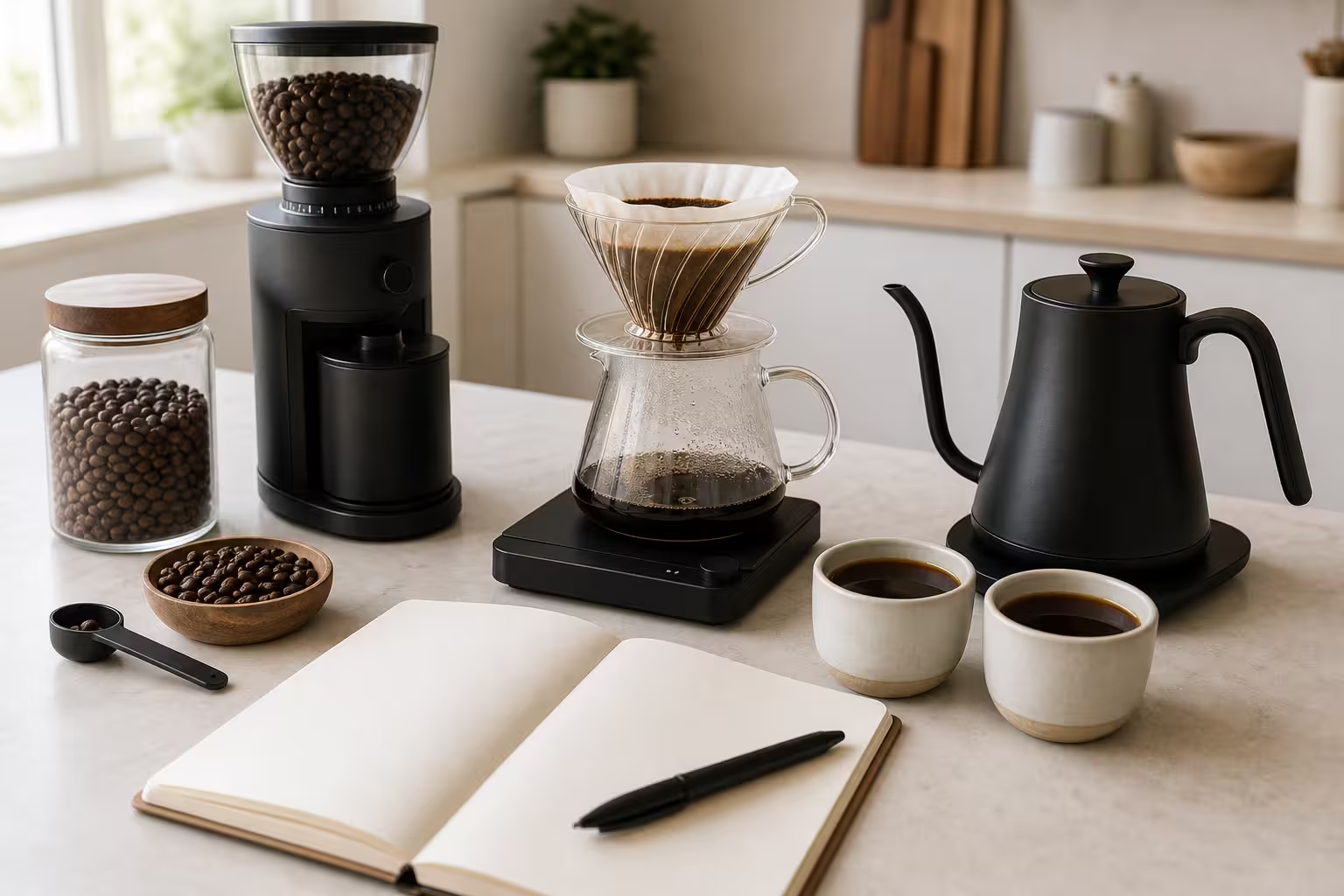
Write down what you actually taste before changing anything. The Coffee Dial-In Log is useful because it keeps yesterday’s guess from becoming today’s false memory. Even a short note helps: ratio, grind, time, water temperature, and the main flaw. Coffee improves fastest when the next brew responds to a specific observation.
If the Cup Is Sour
Sour coffee usually means the pleasant acidity has not been balanced by enough sweetness and body. It can taste like lemon peel without sugar, green apple skin, grass, or a sharp hollow edge. Good acidity is lively and integrated. Bad sourness feels unfinished. The difference is subtle at first, but it becomes clearer when you taste the coffee as it cools.
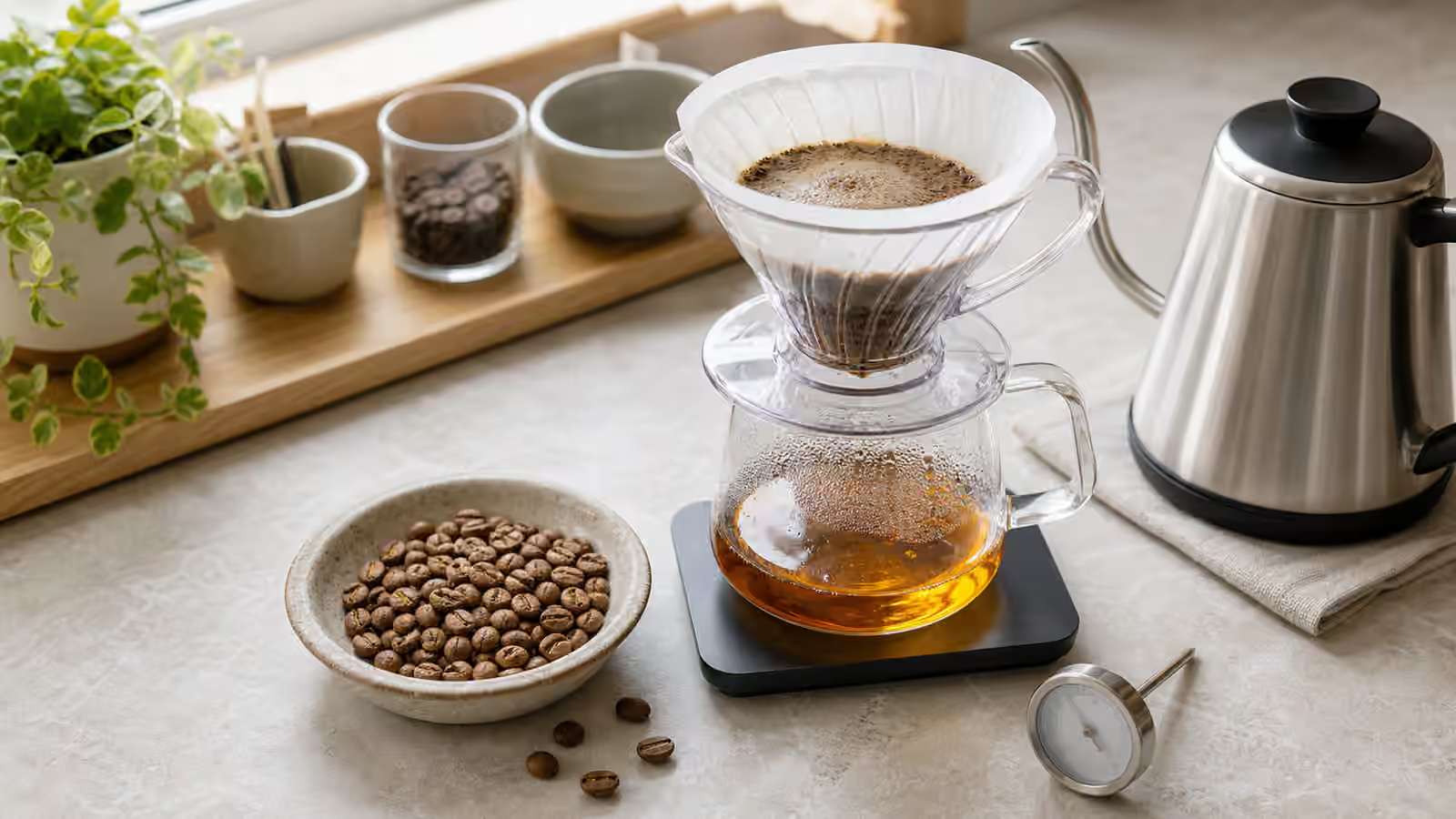
The common fix is to extract more. Grind a little finer, extend the brew time, use hotter water, or improve saturation at the start. In pour-over, the bloom may need more care so dry pockets do not survive into the main pour. In French press or Clever-style immersion, a slightly longer steep can bring sweetness forward. In espresso, a fast sour shot often asks for a finer grind, better puck prep, or a higher yield, depending on the rest of the shot. Espresso Puck Prep matters because channeling can make espresso taste sour and bitter at the same time.
Do not ignore the coffee itself. Very light roasts can taste bright even when brewed well, especially if your palate is used to medium or dark roasts. Freshly roasted coffee may also taste unsettled before it has rested. If a bag tastes sharp across several reasonable recipes, read Coffee Freshness and Resting before grinding finer until the brew stalls.
If the Cup Is Bitter or Dry
Bitter coffee is not always a mistake. Coffee naturally contains bitterness, and some bitterness gives structure to espresso, moka pot, dark roasts, and milk drinks. The problem is harsh bitterness, especially when it leaves a drying or ashy finish. That finish is usually more important than the word bitter by itself.
To reduce harsh extraction, grind a little coarser, shorten contact time, pour more gently, or use slightly cooler water for darker roasts. If a pour-over stalls, avoid stirring or swirling harder next time; that may push more fines into the filter and make the problem worse. If a French press tastes bitter and gritty, let the brew settle longer before pouring or grind a little coarser. If a moka pot tastes burnt, heat management may be the issue, as explained in Moka Pot Coffee .
Also check cleanliness. Old coffee oils turn bitter and stale. A grinder, carafe, travel mug, espresso basket, French press screen, or automatic drip basket can make fresh coffee taste tired. The guide to Clean Coffee Gear is not glamorous, but it solves problems that grind changes cannot touch.
If the Cup Is Weak
Weak coffee can be under-extracted, under-dosed, over-diluted, or brewed with coffee that has lost too much aroma. The first question is whether the flavor is balanced. If the cup tastes pleasant but watery, adjust strength. Use more coffee, less water, or less bypass. If the cup tastes watery and sour, solve extraction first. A stronger sour cup is still sour.
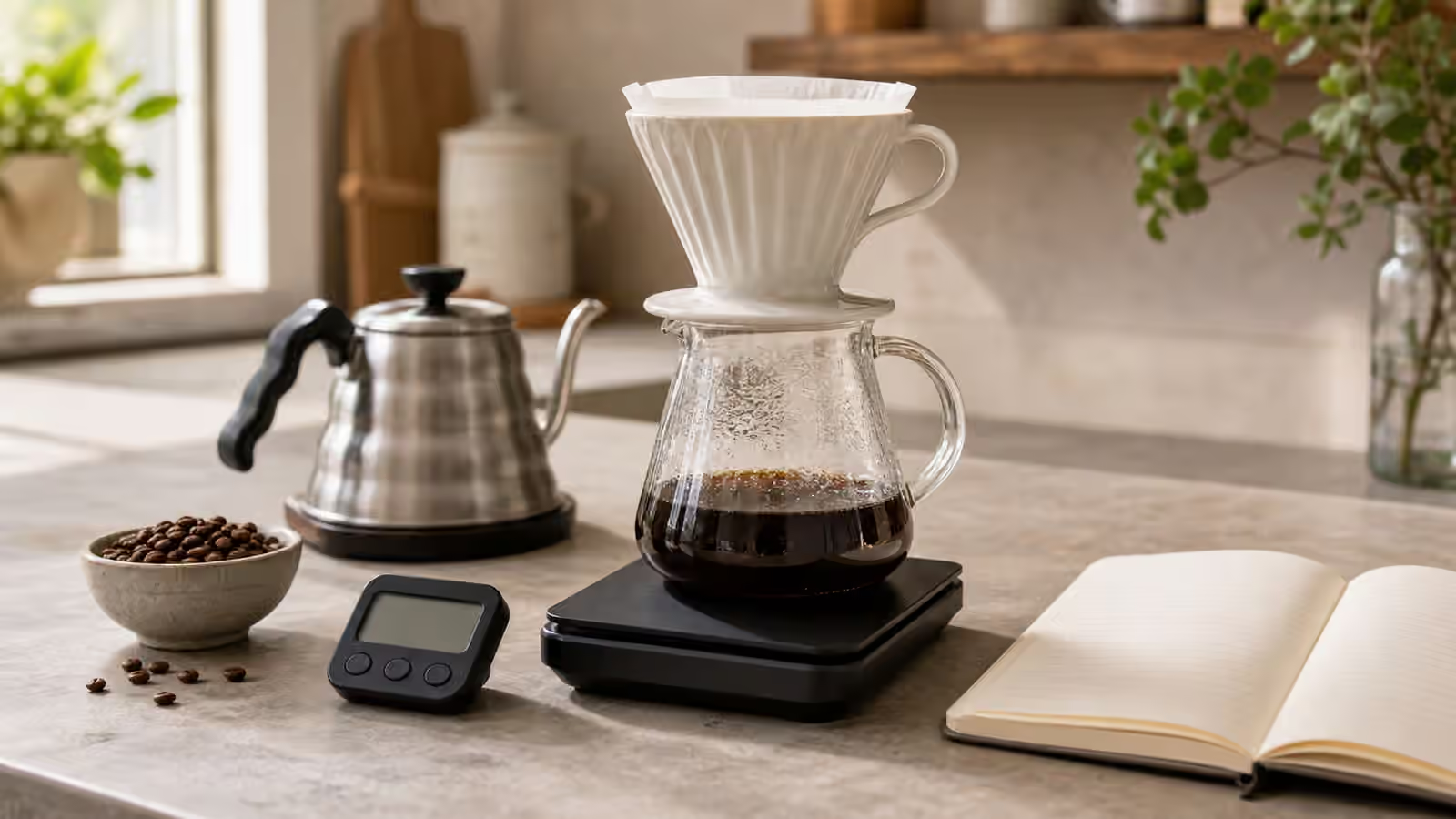
Ratios give you a sane starting point. Many hot filter coffees land near 1:15 to 1:17 by weight, though preference and method matter. If you are guessing by scoops, your dose may vary more than you think because different coffees have different density and grind shapes. The Coffee Brewing Ratios guide explains why a scale makes troubleshooting easier, not more precious.
Automatic drip brewers deserve special attention. A very small batch can brew weakly because the bed is shallow and the machine’s spray pattern misses parts of the coffee. A very large batch can become heavy or uneven. If your machine produces one good batch size and one disappointing batch size, the brewer’s geometry may be part of the answer. Automatic Drip Coffee covers that kind of adjustment.
If the Cup Is Muddy
Muddy coffee lacks separation. It may be strong, but the flavors blur together. Sometimes the cause is sediment, as in a French press with too many fines. Sometimes it is over-extraction, where the cup becomes heavy and brown-tasting. Sometimes it is water, because certain mineral profiles can make coffee feel chalky or muted. Sometimes the coffee is old and no recipe can restore the aromatics that have faded.
Start by checking grind quality. A grinder that produces many fines and boulders can make one brew taste sour, bitter, and muddy at once. The large pieces under-extract, the fines over-extract or clog the filter, and the finished cup sends mixed signals. Burr Grinder Calibration helps make settings more meaningful, but grinder consistency itself is part of the cup.
Filter choice also matters. Paper filters create clarity by holding back oils and fines. Metal filters bring more body but can add sediment. Cloth sits between them and requires careful cleaning. Coffee Filters explains those tradeoffs across brewers. If a coffee tastes muddy in French press but clean in a paper brewer, the bean may not be the problem. The filtration style may simply be showing a texture you do not enjoy.
If Every Coffee Tastes the Same
When unrelated bags all taste flat, dull, harsh, or strangely similar, stop changing recipes and inspect the environment. Water is the first suspect. Chlorine, heavy mineral load, very soft water, or old filter cartridges can make different coffees collapse into the same flavor. Water Quality for Coffee is worth reading when you cannot taste the origin, process, or roast differences promised on the bag.
Storage is another suspect. Whole beans fade faster in heat, light, oxygen, and moisture. Ground coffee fades much faster because surface area increases dramatically. If every bag starts lively and becomes dull within days, your storage routine may be exposing too much coffee to air. The Coffee Storage Guide covers the practical fixes.
Finally, check expectations. A dark roast will not taste like a floral light roast because you changed the grind. A low-acid coffee will not become sparkling because the label sounded elegant. Troubleshooting should make a coffee taste more like itself, not turn it into a different coffee. The best fix is the one that respects the bean and removes the avoidable problem.
Change Less Than You Want To
The temptation in troubleshooting is to rewrite the whole recipe. Resist it. Change one meaningful variable, brew again, and taste with the same attention. If the cup improves but not enough, continue in that direction. If it gets worse, you learned where not to go. The method may feel slower than guessing, but it reaches better coffee with fewer wasted brews.
A practical coffee routine is built from these small corrections. Sour points toward more extraction or better saturation. Dry bitterness points toward less extraction, fewer fines, cleaner gear, or gentler heat. Weak but balanced points toward strength. Muddy points toward grind quality, filtration, water, or stale residue. When you can name the problem this way, the next brew stops being a gamble. It becomes an answer to a question you actually asked.