Tasting Is Mostly Paying Attention
Coffee tasting has a reputation for sounding theatrical. One person says a cup tastes like mandarin, honeysuckle, and brown sugar. Another person drinks the same coffee and tastes coffee. That gap can make tasting notes feel like a private language, useful only to roasters and competition judges.
The truth is quieter. Tasting is not about forcing poetic labels onto a cup. It is about noticing what is actually there, separating one sensation from another, and remembering it well enough to make a better choice next time. A useful note can be as plain as “sweet, round, chocolate, low bitterness” or “sharp citrus, thin body, dries out at the end.” Those phrases may not win applause, but they help you buy coffee, brew it, and adjust it.
The best tasting practice begins with the same attitude that improves brewing: change less, notice more. If your cup is wildly different every morning, it is hard to know whether the flavor came from the bean, the grind, the water, or your sleepy pouring hand. The more stable your process becomes, the easier it is to taste the coffee itself. That is why tasting belongs beside the Coffee Brewing Methods and Grind Size Guide , not in a separate world of jargon.
Make the Cup Steady Before You Judge It
Before you decide what a coffee “tastes like,” give it a fair brew. Use a recipe you can repeat, weigh your coffee and water, and choose a grind that is already close for the method. A V60 that drains in ninety seconds will make many coffees taste hollow and sour. A French press full of fines can make even a gentle roast seem muddy and harsh. Those are brewing problems first and tasting problems second.
Water matters here too. If your tap water smells like chlorine or leaves heavy scale in the kettle, it can stamp the same dull signature onto every coffee you brew. You do not need a laboratory setup, but clean, good-tasting water gives you a cleaner read on the cup. The Water Quality for Coffee guide is useful if every coffee in your house seems muted, metallic, chalky, or oddly sharp no matter what beans you buy.
Once the brew is reasonably steady, let the coffee cool a little. Very hot coffee hides detail. Heat can make acidity feel sharper, sweetness harder to notice, and aroma harder to separate from steam. A cup often becomes easier to read after a few minutes, then changes again as it approaches room temperature. That change is part of the tasting. A coffee that starts bright and becomes sweet is telling you something different from one that starts smoky and collapses into bitterness.
Smell Sets the First Clue
Flavor begins before the first sip. Smell the dry beans, then the wet grounds, then the brewed coffee. You are not searching for the correct answer. You are giving your brain a few anchors.
Dry beans might suggest nuts, cocoa, toast, dried fruit, flowers, spice, or very little at all. Wet grounds are usually more revealing because hot water releases aromatic compounds quickly. A washed Ethiopian coffee may smell like citrus peel and tea. A natural process coffee might lean toward berries, wine, or jam. A darker roast may point toward cocoa, smoke, toasted sugar, or roasted nuts. These impressions do not need to match the bag exactly. In fact, one of the best habits is to smell and sip before reading the roaster’s notes, then compare afterward.
Smell also catches defects and age. Stale coffee often smells woody, papery, flat, or faintly like cardboard. Overly dark or damaged coffee can smell ashy or oily before it tastes that way. If the aroma seems absent, do not rush to invent flavor later. Sometimes the most accurate note is that the coffee has faded.
Separate Flavor From Structure
Most tasting gets easier when you stop asking one huge question, “What does this taste like?”, and break the cup into smaller experiences. Coffee has flavor, but it also has acidity, sweetness, body, bitterness, and finish. These are not separate ingredients. They are different ways your mouth reads the same liquid.
Acidity is the brightness or lift in the cup. It can feel like lemon, apple, berry, wine, or simply a clean snap at the edges. Good acidity feels lively and integrated. Bad acidity feels sour, sharp, or thin. This distinction matters because a bright Kenyan coffee and an under-extracted Colombian coffee can both seem acidic, but only one tastes complete. If the cup is bright and sweet, the acidity probably belongs to the coffee. If it is bright, hollow, and short, your brew may need a finer grind, hotter water, or longer contact.
Sweetness is the center of a good cup. It may remind you of caramel, honey, brown sugar, ripe fruit, milk chocolate, or plain cooked grain. It does not mean the coffee tastes sugary. It means the cup has a rounded, pleasant core that keeps acidity and bitterness from feeling exposed. When sweetness is missing, the coffee can taste severe even if nothing is technically wrong.
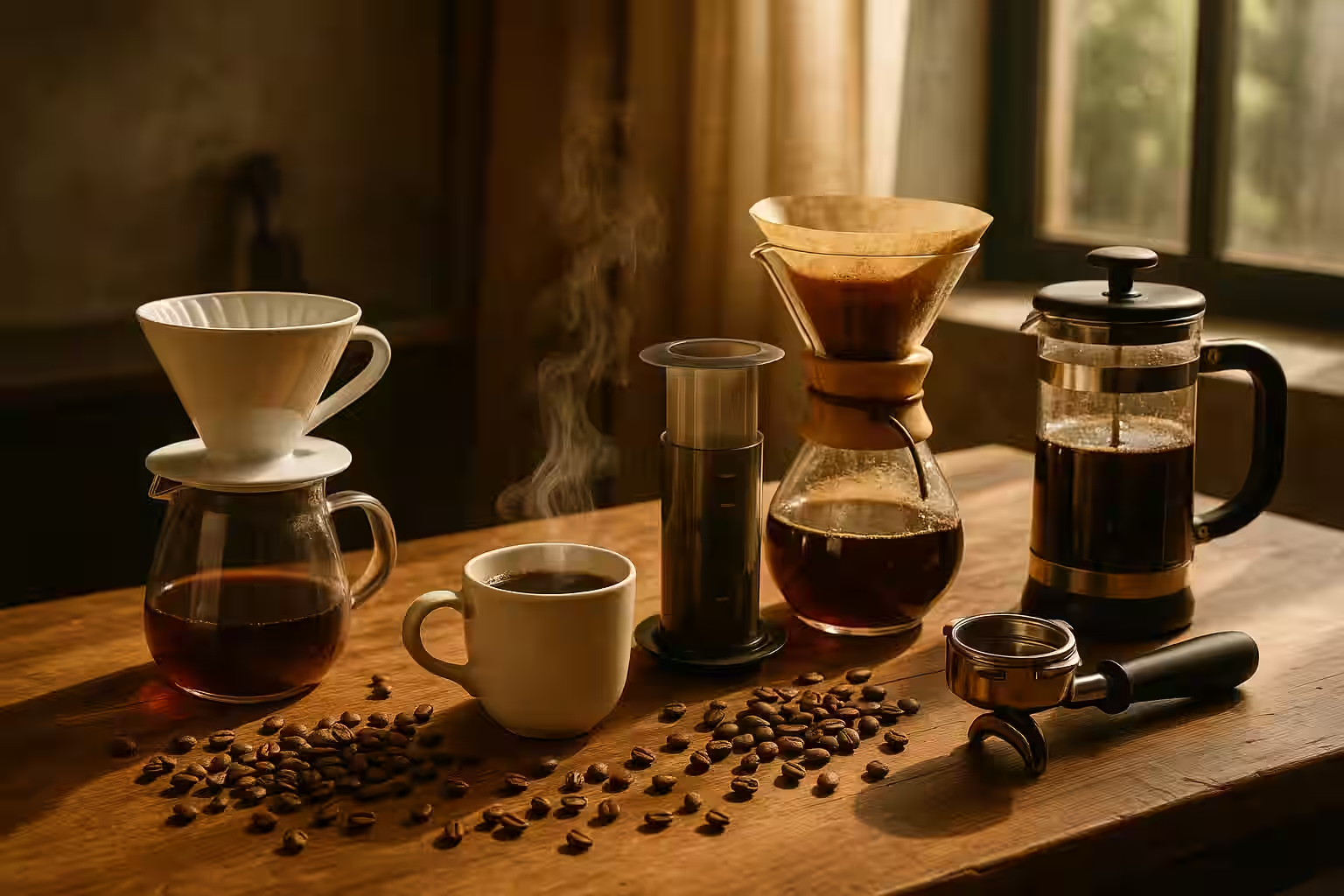
Body is texture. Some coffees feel light and tea-like. Others feel creamy, syrupy, or heavy. Body comes from the bean, the roast, and the brew method. A paper-filtered pour-over usually feels cleaner and lighter than a French press because the filter removes many oils and fine particles. That does not make one better. It changes the frame. If you love clarity, lighter body may feel elegant. If you want comfort, fuller body may feel more satisfying.
Finish is what stays after you swallow. A good finish can be clean, sweet, cocoa-like, fruity, or gently drying. A rough finish can be ashy, harsh, metallic, or mouth-puckering. Finish is often where over-extraction reveals itself. A cup may taste acceptable at first and then leave a dry bitterness that keeps growing. That lingering dryness is useful information.
Use Ordinary Words First
The fastest way to improve your tasting notes is to use the words you already own. If a coffee reminds you of toast, write toast. If it reminds you of orange peel rather than orange juice, write orange peel. If it smells like the inside of a raisin box, write that. Precision grows from honest recognition, not from borrowing fancy descriptors.
A helpful note usually has three layers. First, describe the general direction: bright, sweet, roasty, earthy, floral, nutty, fruity, spicy, smoky, clean, heavy, thin. Then reach for a familiar comparison: lemon, red apple, almond, cocoa, molasses, black tea, cedar, blueberry jam. Finally, add a quality judgment: balanced, sharp, soft, muddled, clear, drying, juicy, flat. A note such as “bright lemon, light body, sweet at first, dry finish” gives you far more brewing information than “citrus.”
Be careful with bag notes. Roasters write them as signals, not promises. “Strawberry” does not mean the coffee will taste like strawberry syrup. It may mean the acidity, aroma, and sweetness point in a berry direction when brewed well. The same coffee brewed too coarse might taste like sour red fruit with no sweetness. Brewed too fine, it might lose the fruit and finish bitter. Tasting notes are not labels printed on the bean. They are possibilities that your brew can reveal or bury.
Taste With Context
Coffee flavor makes more sense when you connect it to the path from farm to cup. Origin can suggest a broad starting point, which is why the Coffee Origins Guide is useful for learning patterns. Processing can change the cup dramatically, especially when comparing washed, natural, honey, and experimental methods. The Coffee Processing Methods guide explains why one coffee tastes clean and citrusy while another from a similar place tastes jammy or wine-like.
Roast level adds another layer. Light roasts often keep more origin character visible, which can make acidity, florals, and fruit easier to notice. Medium roasts tend to bring sweetness, nuts, caramel, and chocolate into balance with origin. Darker roasts shift attention toward roast flavors such as smoke, bittersweet cocoa, toast, and molasses. If most of your notes sound like “burnt,” “bitter,” or “ash,” the issue may be roast preference rather than your palate. The Coffee Roasting Guide gives names to those changes so you can shop more intentionally.
Context should guide you, not trap you. A Brazilian coffee does not have to taste like chocolate. A natural Ethiopian does not have to taste like blueberry. Treat origin, process, and roast as clues, then let the cup argue for itself.
Compare Two Cups Whenever You Can
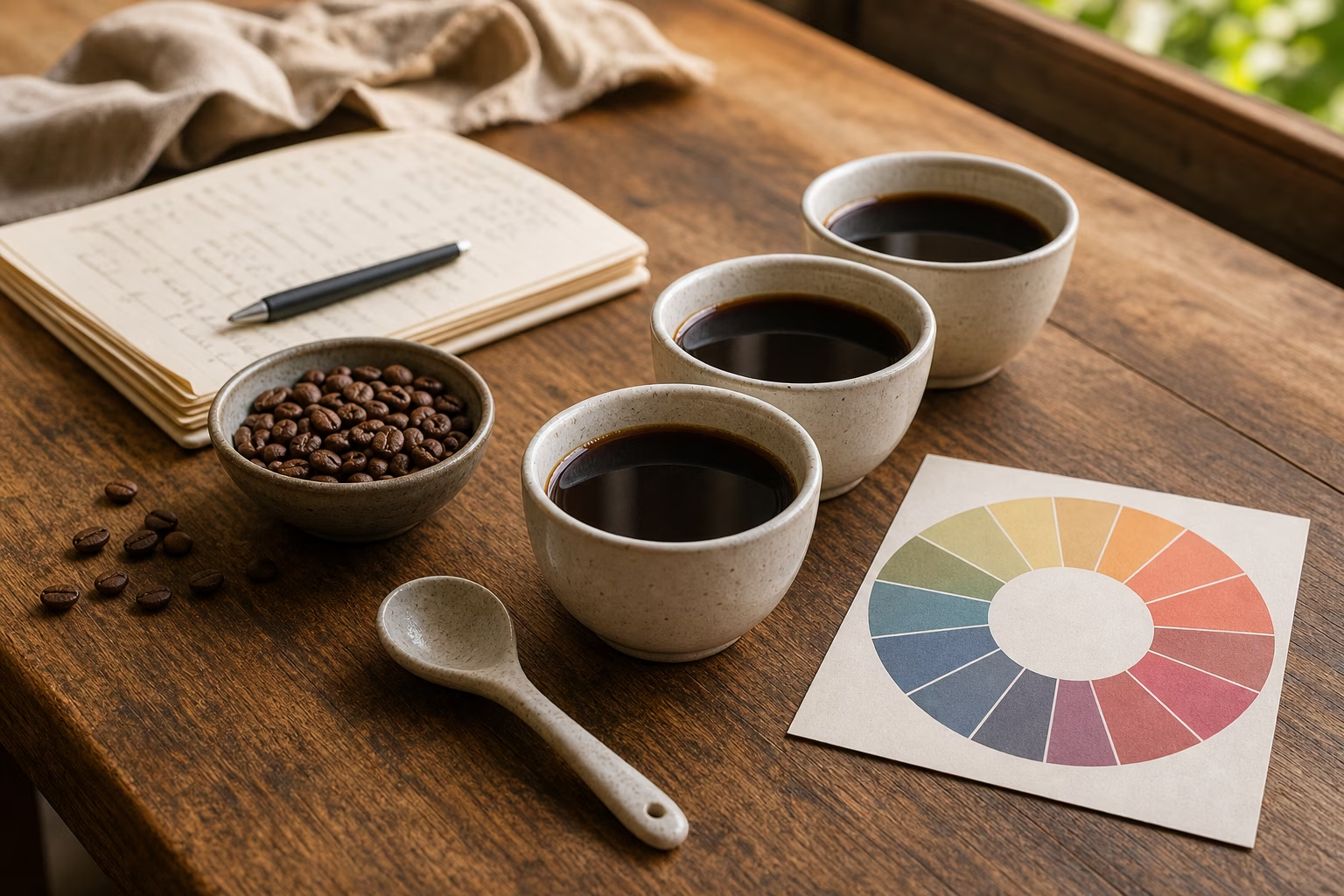
The palate learns fastest through contrast. One coffee alone can be hard to describe. Two coffees side by side make each other obvious. Brew a washed Colombian next to a natural Ethiopian and the difference between clean sweetness and fruit-forward intensity becomes easier to feel. Brew the same coffee at two grind settings and under-extraction stops being an abstract term. Taste a paper-filtered cup next to a French press and body becomes physical rather than theoretical.
Keep comparisons simple. Use the same water, similar ratios, and the same serving temperature. If one cup is fresh and the other has been sitting for thirty minutes, you are no longer comparing coffee. You are comparing time. If one is brewed stronger than the other, intensity can masquerade as quality. The goal is not a formal cupping table. It is a clean enough comparison that your senses can isolate one difference.
When tasting side by side, move back and forth. Sip the first coffee, sip the second, then return to the first. The return sip is often the moment when flavor snaps into focus. A cup that seemed normal may suddenly feel nutty after a floral coffee, or heavy after a tea-like one. Difference gives language something to hold.
Turn Notes Into Better Brewing
Tasting becomes practical when it changes what you do next. If a cup tastes sour, thin, and short, write that down and adjust toward more extraction. Depending on the method, that may mean a finer grind, hotter water, longer contact, or a more even pour. If a cup tastes bitter, harsh, and drying, adjust away from over-extraction. That may mean a coarser grind, shorter contact, gentler agitation, or slightly cooler water. If the flavor is pleasant but weak, the issue may be strength rather than extraction, and a slightly tighter ratio can help.
This is where a simple log earns its place. You do not need a notebook full of ceremony. You need enough detail to connect flavor to action: coffee, dose, water, grind, time, and a few honest words about taste. The Coffee Dial-In Log is built for exactly that. Over time, your notes stop feeling random. You begin to see that the coffees you call juicy often came from lighter roasts and faster-draining brews, while the cups you call muddy often had too many fines or too much contact time.
Do not chase every descriptor on a bag. Chase balance first. If the coffee is sweet, clear, and pleasant, you are close, even if you never find the promised apricot. If the cup tastes confused, use your notes to make one careful change. Good tasting is not separate from good brewing. It is the feedback loop that tells your hands what to do.
Build a Palate Slowly
Palate development is repetition with attention. Drink coffee from different origins, but do not change everything at once. Revisit coffees you liked. Brew familiar beans in different methods. Taste hot, warm, and cool. Occasionally drink the failures without fixing them immediately, because sour, bitter, hollow, woody, and drying are useful reference points once you know them.
The goal is not to sound impressive. The goal is to know your own preferences clearly enough to buy better coffee and brew it with less guesswork. Maybe you learn that you love washed coffees with citrus acidity and a clean finish. Maybe you prefer medium-roast blends with chocolate sweetness and a round body. Maybe you discover that natural process fruit is thrilling in small cups and tiring as a daily brew. Each realization saves you from buying by hype.
At its best, tasting makes coffee more generous. You notice the way aroma changes as the cup cools. You understand why one grind setting made sweetness appear and another buried it. You read a bag of beans with curiosity instead of confusion. Most of all, you become easier to please in the right way: not because every cup is perfect, but because you can tell what happened, what you like, and what to try tomorrow.