Coffee does not stop changing when brewing ends. The finished cup keeps losing heat, releasing aroma, and revealing flavor as it moves from too hot to warm to cool. A brew that seems sharp at first can become sweet after a minute. A cup that tastes smooth while hot can show a dry finish as it cools. A good pot left on a hot plate can become stale and bitter before anyone asks for a second pour. Serving temperature is not decoration. It is part of how coffee tastes.
The guide to Coffee Brewing Temperature focuses on the water temperature used for extraction. This guide begins after extraction. How hot should coffee be when you drink it? How should you hold a batch for a table? When does heat protect the cup, and when does it cook away the aroma you worked to brew?
Very Hot Coffee Hides Detail
The first sip from a freshly brewed mug can be misleading because heat dominates sensation. Very hot coffee may feel thinner, sharper, and less sweet than it will a few minutes later. Aroma rises quickly with steam, but the mouth cannot read detail as clearly. Acidity may seem simple and pointed. Bitterness may seem blunt. Body may be hard to judge.
As coffee cools into a warm drinking range, sweetness often becomes easier to notice. Fruit notes separate from generic brightness. Chocolate and nut tones become rounder. Texture becomes clearer. The finish tells more truth. This is why tasters often move through a cup over time rather than deciding from one scalding sip. The Coffee Tasting Notes guide treats cooling as part of tasting because the cup changes honestly in front of you.
Cool coffee is not automatically bad. Some coffees become beautifully expressive as they approach room temperature, especially clean light roasts with fruit, florals, or tea-like structure. Other coffees become rough, papery, or hollow. Cooling does not create those traits from nothing. It reveals what heat was hiding.
Preheating Helps Small Cups
Small brews lose heat quickly because there is less liquid mass. A cold ceramic mug can pull noticeable warmth from a single pour-over. A cold glass server can cool a delicate brew before it has finished draining. A cold dripper can steal heat during extraction, especially in a chilly kitchen. Preheating is a simple way to protect both brewing and serving.
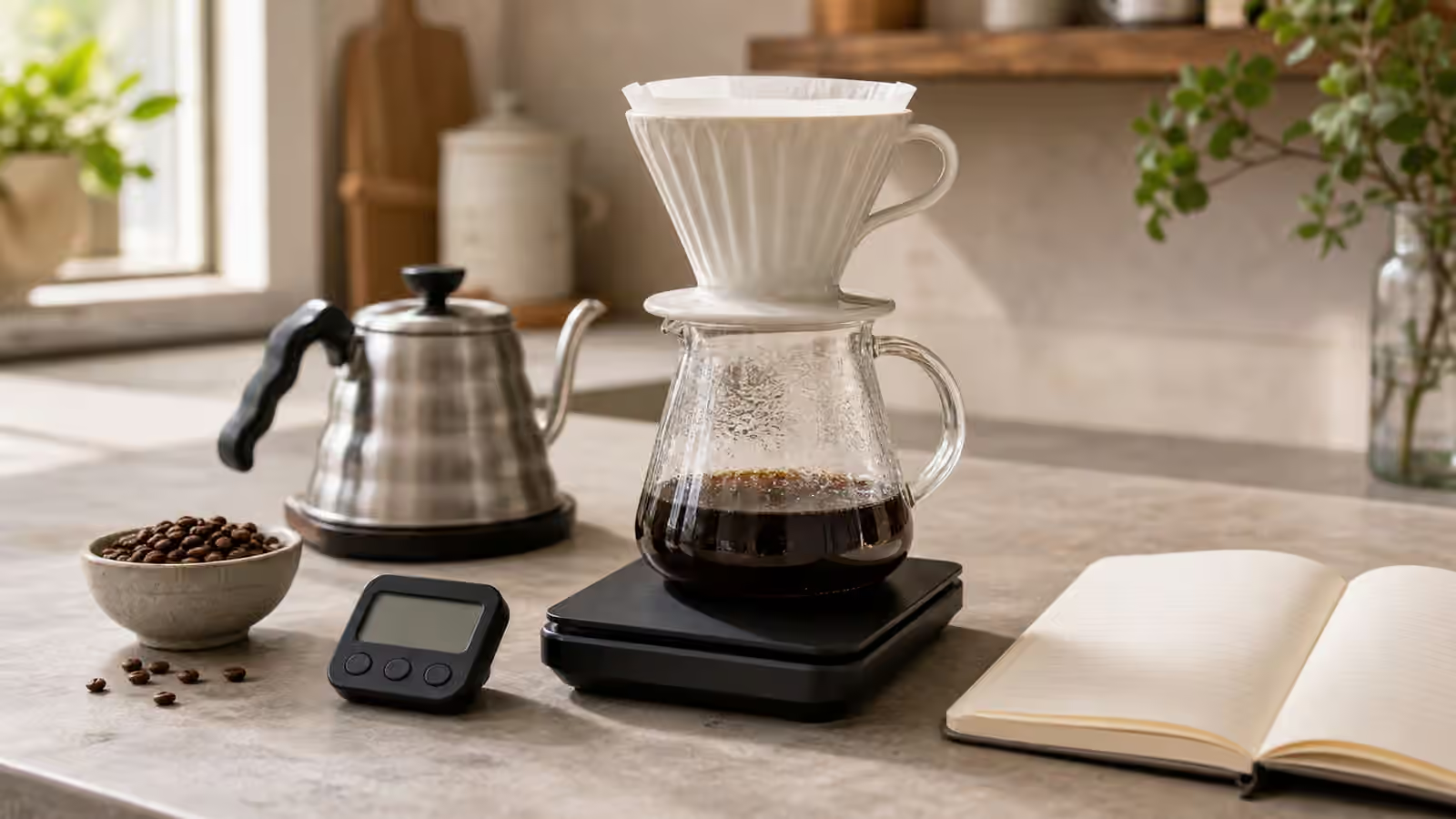
For manual brewing, hot rinse water can warm the dripper and paper filter at the same time. Discard the rinse before brewing so it does not change the recipe. For a mug, a splash of hot water while the coffee brews can make the finished drink land warmer without needing hotter brew water. This is especially useful when brewing a small cup slowly or when serving in thick ceramic.
Preheating is not about making coffee painfully hot. It is about reducing accidental heat loss so the cup reaches the table in the range you intended. If a small pour-over often tastes sour or thin despite a reasonable grind, heat loss may be one supporting cause among others. Coffee Extraction still matters, but temperature can be part of the extraction story.
Hot Plates Keep Heating After Brewing
Hot plates solve one problem by creating another. They keep a glass carafe warm, but they do it by adding heat from below after brewing is complete. That continued heating drives off aroma, concentrates the liquid slightly, and pushes flavor toward bitterness, staleness, and cooked edges. The longer the pot sits, the less it tastes like the coffee you brewed.
This is why many automatic drip batches taste fine at first and harsh later. The recipe did not necessarily fail. The holding method changed the drink. If your machine uses a glass carafe and hot plate, brew what you expect to drink soon, turn the heat off when practical, or transfer the coffee to an insulated server after brewing. Automatic Drip Coffee covers this from the machine side, but the principle applies anywhere coffee sits over active heat.
Reheating brewed coffee has a similar problem. It can make a drink warmer, but it cannot restore aroma that has already left. Microwave heat may be convenient, and there is no moral issue with using it when you want a warm cup. Just treat the result as reheated coffee, not the same cup returned to its first state.
Thermal Carafes Protect Better Than They Perfect
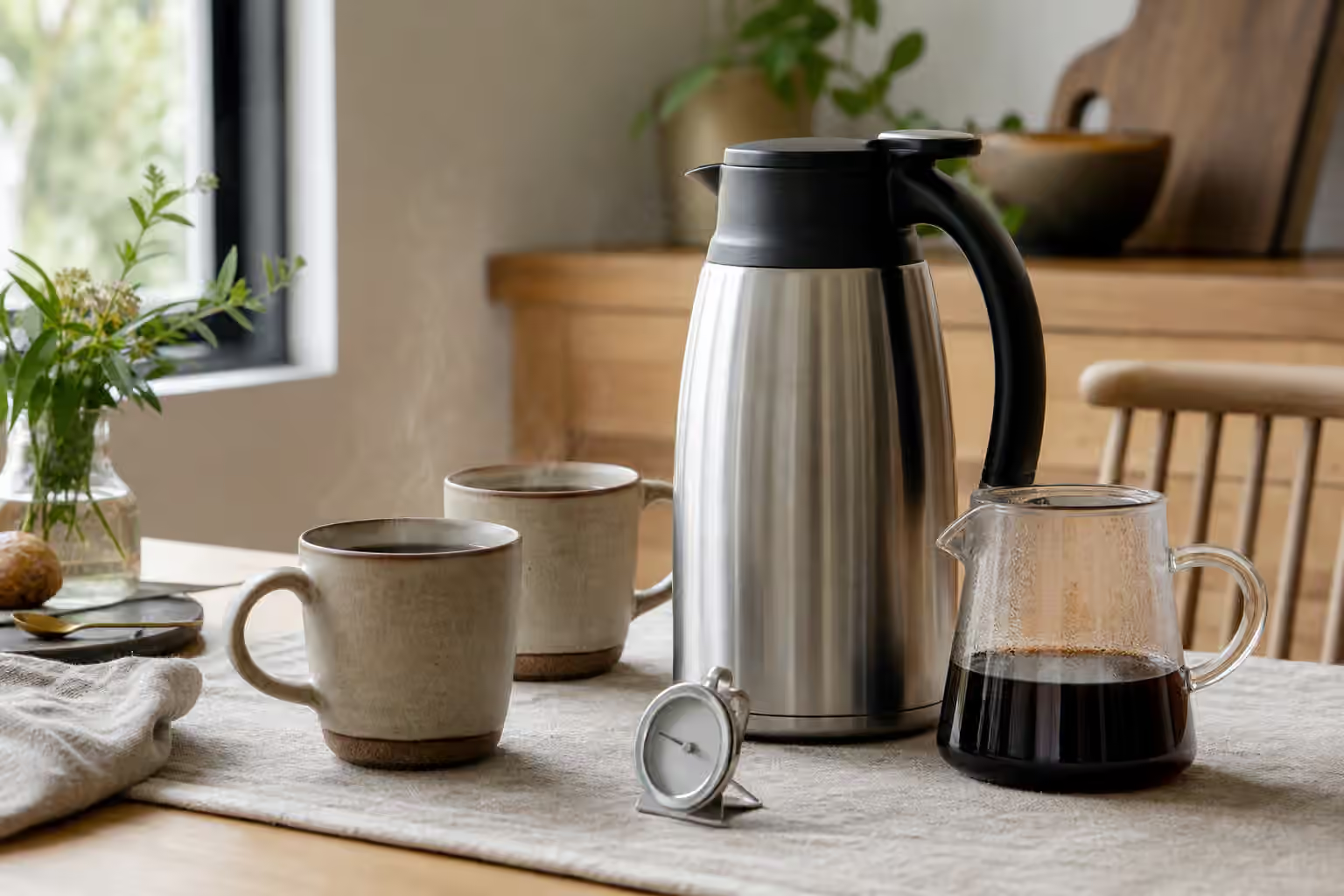
A thermal carafe holds heat by insulation rather than continued cooking. That makes it the best everyday tool for batch coffee that needs to last beyond the first pour. It is useful for breakfast tables, meetings, guests, and households where people wake up at different times. Coffee still changes inside a thermal server, but it changes more gently than it does on a hot plate.
Preheating the carafe matters. A cold stainless interior can steal heat from the batch. Fill it with hot water for a minute, then empty it just before coffee goes in. The coffee will hold warmer, and the carafe will do less work catching up. This small habit is especially useful for medium-sized batches where the server is large relative to the liquid.
Thermal carafes also need serious cleaning. Their interiors can hide brown films of coffee oil, and their lids can trap stale residue. A clean carafe preserves heat and flavor. A dirty carafe preserves yesterday. The Clean Coffee Gear guide is worth applying to servers, lids, gaskets, and pour spouts, not just brewers.
Different Methods Want Different Holding Plans
Pour-over is usually best served soon. A single-cup dripper gives you immediacy, and a shared Chemex gives you a short window of clear table coffee. Glass looks inviting, but it loses heat quickly. If conversation will stretch, decant to a warm thermal server instead of letting the coffee cool in the brewer. The Chemex Coffee guide touches this because the brewer’s beauty can tempt people into using it as a long-term server.
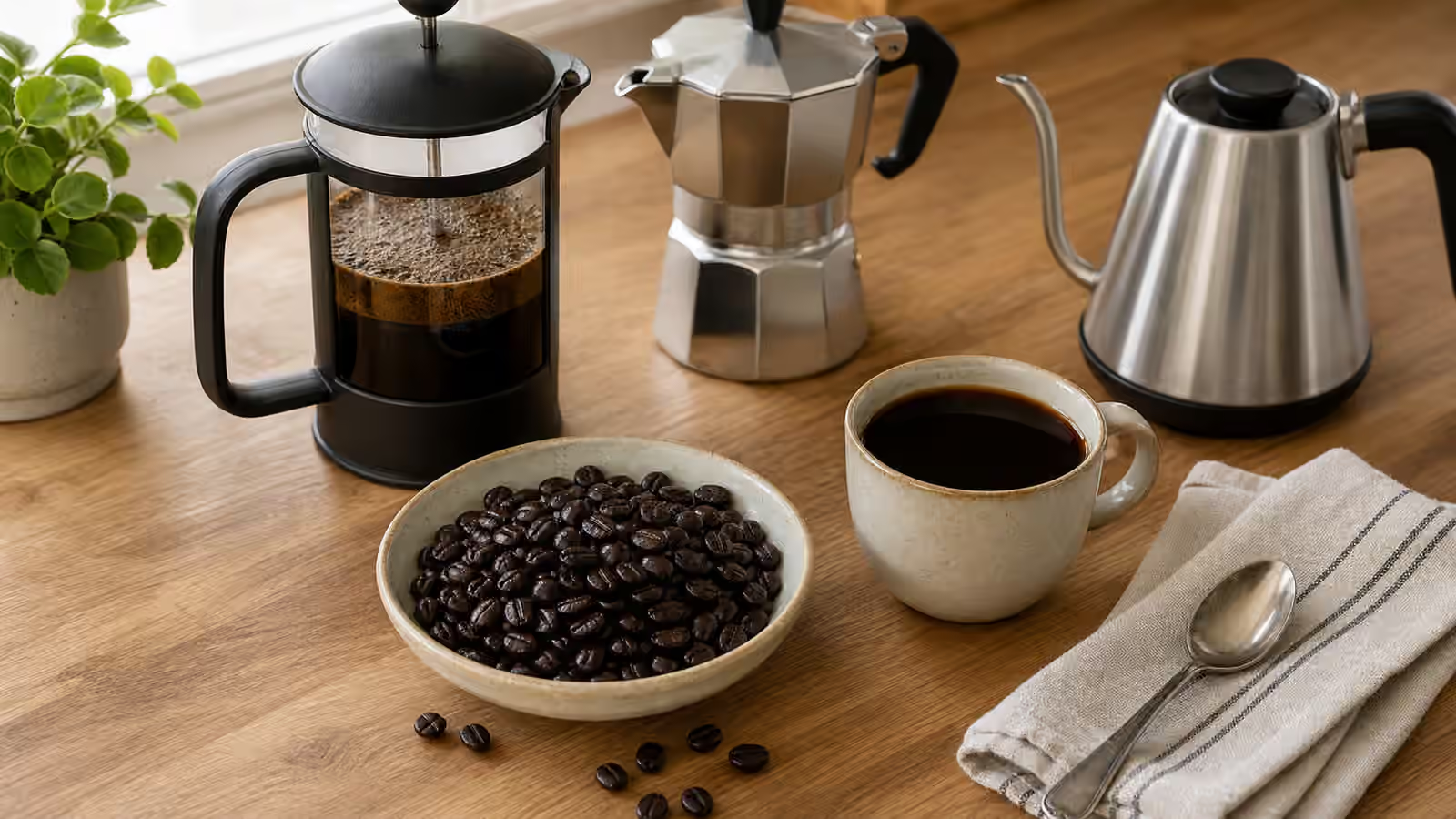
French press needs decanting for a different reason. Coffee left on the grounds keeps extracting and can become heavier, more bitter, or silty. If you make more than you will drink immediately, pour the finished brew into another vessel after the steep. A thermal carafe works well if you want body and warmth without continued contact with the grounds. French Press Coffee explains how settling and gentle pouring keep the cup clean.
Espresso and milk drinks have their own timing. Espresso cools quickly because it is small. Milk drinks hold heat differently because milk adds volume and texture, but overheated milk can taste flat or cooked. Latte art may look best immediately, but flavor also changes quickly as foam, espresso, and milk settle. For home service, the most useful habit is simple: prepare cups before the shot or milk is ready so the drink is not waiting for the table.
Iced Coffee Has a Temperature Plan Too
Cold coffee fails when temperature and dilution are treated separately. Pouring normal hot coffee over ice makes a weak drink because the melting ice becomes extra water. Flash brew solves this by counting ice as part of the recipe. Flash Brew Iced Coffee explains the method in detail, but the serving lesson is broader: ice is not only a cooling tool. It is an ingredient that changes strength.
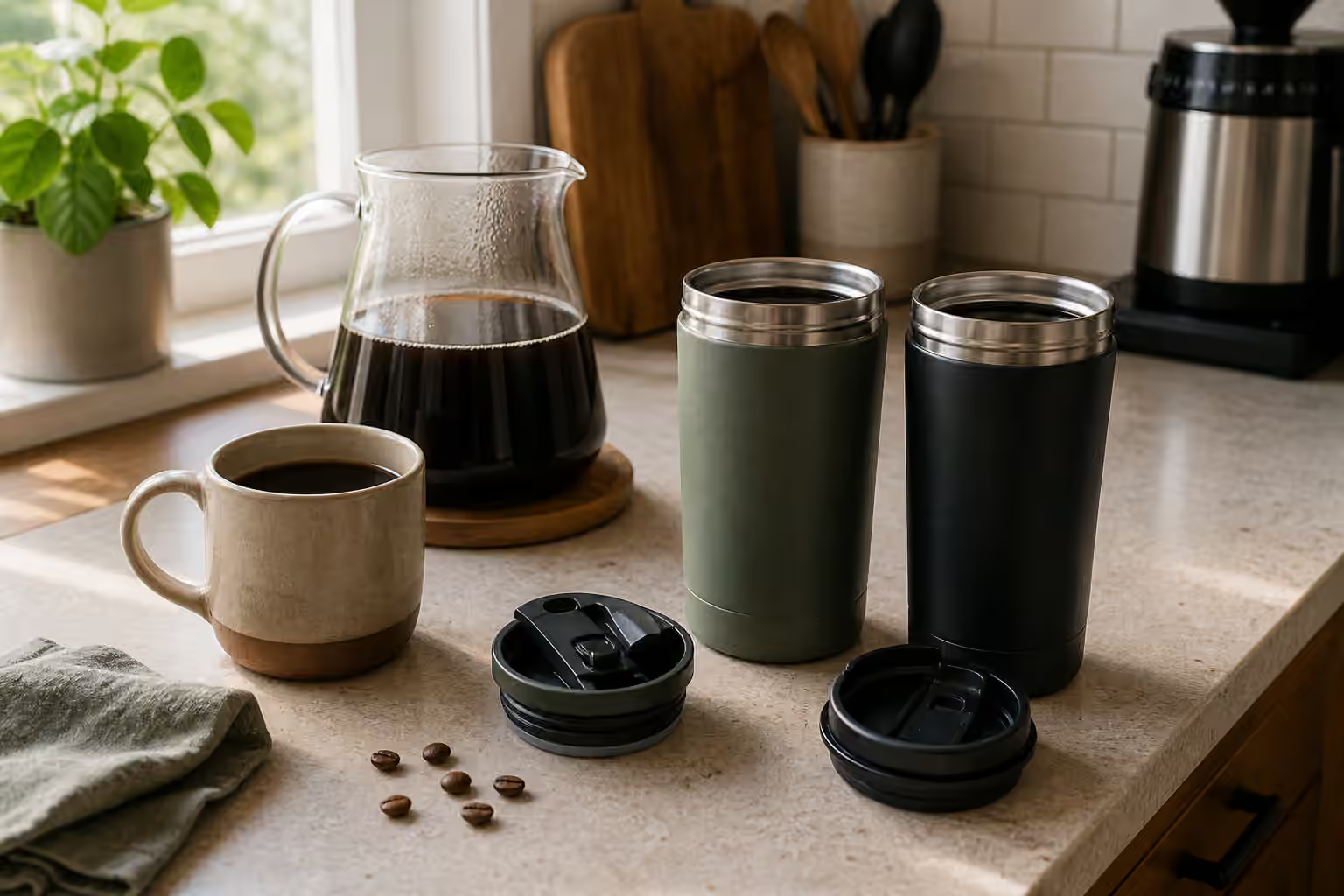
Cold brew has a different holding logic. It is brewed cold or cool, stored cold, and often served over ice or diluted. Its aroma is usually less volatile than hot-brewed iced coffee, but it still goes stale over time. Keep it sealed, cold, and clean. Do not let a pitcher absorb refrigerator odors. Do not serve it through a stale travel lid and blame the coffee.
Temperature is always a flavor decision, even when the drink is cold. A chilled coffee served over too much ice may become hollow. A flash brew served before the ice has finished melting may taste stronger than planned. A cold coffee left in a warm glass may lose the refreshing contrast that made it appealing.
Taste Before You Blame the Recipe
When coffee disappoints, notice when it disappoints. If it tastes good at first and bad later, holding may be the issue. If it tastes sharp while very hot and balanced after two minutes, patience may be the issue. If it tastes dull from the first sip, look at extraction, freshness, water, or cleanliness. Time and temperature are part of the evidence.
A good serving routine is quiet. Warm the vessel when heat loss matters. Avoid active heat after brewing. Use thermal storage for batches. Decant immersion coffee off the grounds. Drink delicate cups while they are alive. Let hot coffee cool enough to show sweetness before judging it. These habits do not make brewing more complicated. They protect the flavor that is already there.