Not every disappointing cup is your fault. Sometimes the grind is right, the water is clean, the brewer is warm, the ratio is sensible, and the coffee still tastes hollow, grassy, smoky, flat, or harsh in a way that never quite responds to adjustment. Brewing can improve many coffees, but it cannot fully rewrite the roast. Learning to recognize roast defects gives you a calmer way to decide when to adjust your recipe, when to change your expectations, and when the bag itself may be the limiting factor.
This is not about becoming a suspicious critic of every roaster. Roasting is difficult, coffees vary, and taste preferences are real. A dark roast is not automatically defective because it tastes roasty. A light roast is not automatically underdeveloped because it tastes bright. The Coffee Roasting Guide explains how heat transforms green coffee into something brewable. This guide focuses on the tasting boundary between intentional roast style and flaws that keep showing up no matter how carefully you brew.
Roast Style Is Not the Same as a Defect
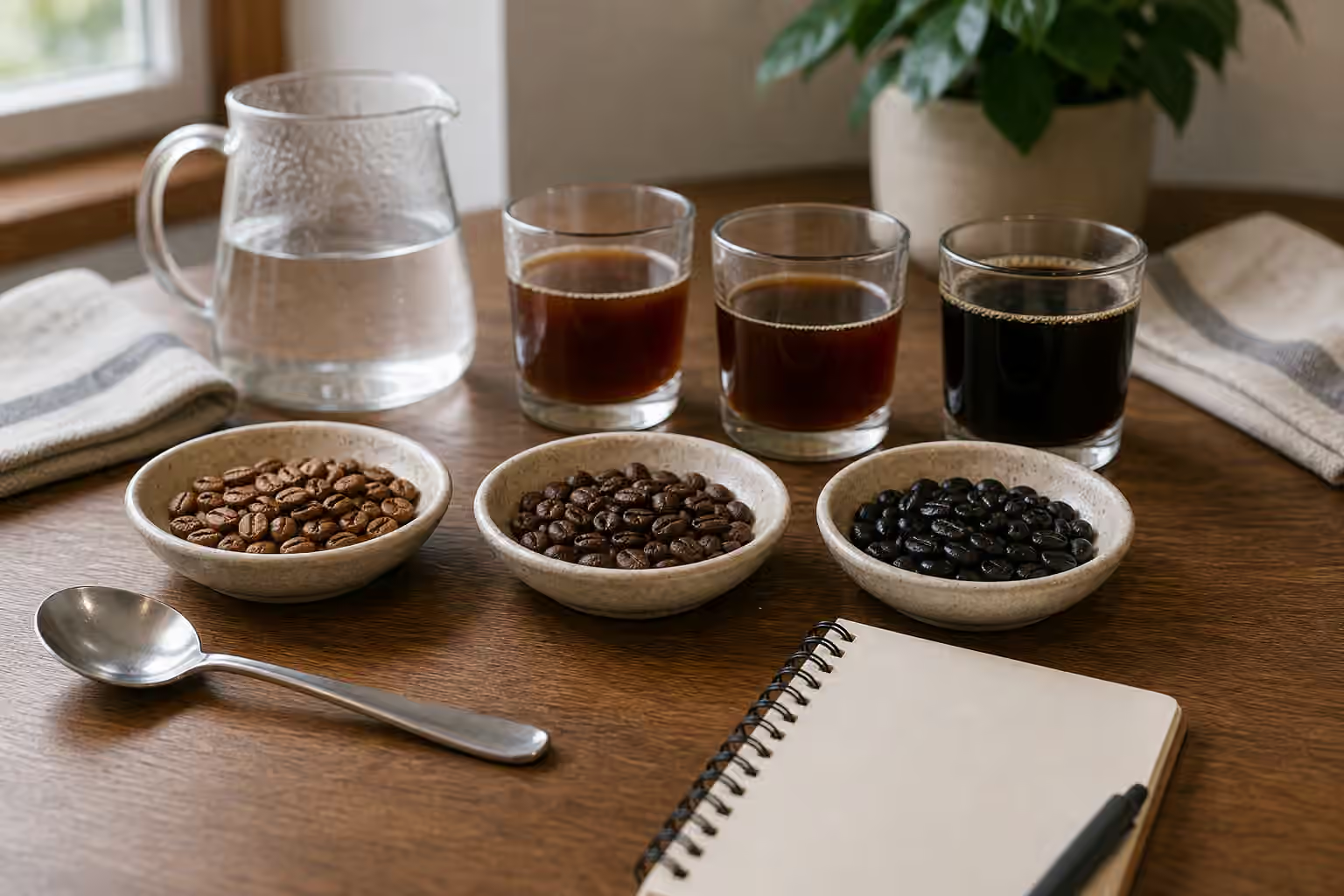
Roast level describes a broad direction. Light roasts often preserve acidity, florals, fruit, and origin detail. Medium roasts often balance sweetness, body, and clarity. Darker roasts emphasize chocolate, roast bitterness, lower acidity, and heavier body. Those differences can all be intentional. The trouble begins when a coffee tastes unfinished, scorched, baked, or hollow rather than simply light, medium, or dark.
Preference matters. Someone who loves low-acid, bittersweet coffee may find a floral light roast too sharp. Someone who loves transparent pour-over may find a dark blend too smoky. That mismatch is not a defect. The guides to Light Roast Coffee and Dark Roast Coffee help brew each style more fairly before judging it.
A roast defect is more stubborn. It does not sit neatly inside preference. It follows the coffee through reasonable brew changes. A finer grind may increase extraction, but the green peanut note remains. Cooler water may soften bitterness, but the smoky, charred edge still dominates. A shorter brew may reduce dryness, but the flat cereal taste stays. When a flavor refuses to move like a normal extraction problem, the roast deserves attention.
Underdevelopment Tastes Like the Coffee Never Opened
Underdeveloped coffee often tastes green, grassy, peanut-like, grainy, sharply sour, or hollow in the center. It may smell promising as whole beans but brew with a raw edge that sweetness never quite fills. The acidity can feel separate from the rest of the cup, as if the coffee has brightness without ripeness. In espresso, underdevelopment can be especially frustrating because shots may taste sour and aggressive even when the flow looks controlled.
Do not confuse every bright coffee with underdevelopment. Some coffees are meant to taste citrusy, floral, tea-like, or lively. A well-roasted light coffee can be bright and sweet at the same time. Underdevelopment feels less integrated. The cup has a rawness that does not become more pleasant as it cools. It may leave a dry grain aftertaste rather than a clean fruit or tea finish.
Brewing can sometimes help a slightly underdeveloped coffee. Hotter water, finer grind, longer contact, stronger agitation, or immersion brewing may pull more sweetness from it. If those changes improve the cup, the coffee may simply need a more assertive recipe. If every effort produces more harshness without sweetness, the roast may not have developed enough soluble sweetness to extract. At that point, Coffee Troubleshooting helps you confirm that the issue is not basic under-extraction, but it may not make the coffee generous.
Baked Coffee Feels Flat and Bread-Like
Baked flavors are harder to identify because they can sound mild. A baked coffee may taste dull, bready, cardboard-like, dry, or oddly muted. It may have color that looks acceptable and a roast level that seems familiar, but the cup lacks lift. Acidity feels tired rather than lively. Sweetness feels like plain cereal instead of caramel, fruit, honey, or chocolate. The finish can be long without being pleasant.
This is different from a comforting low-acid coffee. A good mellow coffee still has sweetness and structure. It may taste like chocolate, nuts, toast, or brown sugar. A baked coffee tastes as if the roast flattened the coffee’s energy. It can be difficult to fix because brewing more aggressively often adds bitterness without restoring aroma, while brewing more gently can make it even more hollow.
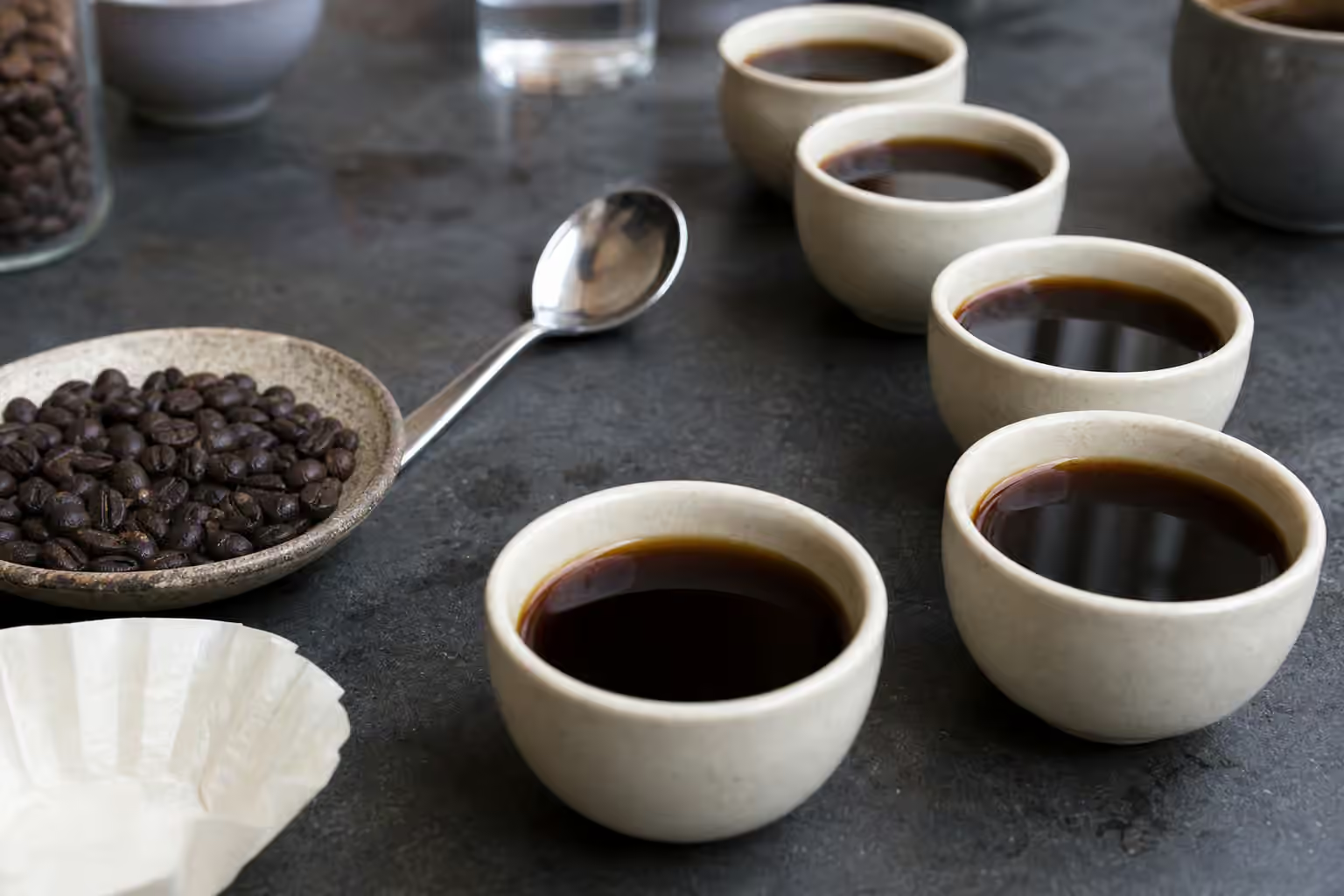
The best way to learn this difference is side-by-side tasting. Brew the suspect coffee next to a coffee that you know is fresh and expressive at a similar roast level. Use the same method if possible. Home Coffee Cupping is useful because cupping removes some technique variables and lets the coffees speak beside each other. A baked coffee often seems quiet even in a forgiving tasting setup.
Scorching and Tipping Add Burnt Edges
Scorching and tipping are heat damage problems. They can show up as burnt, smoky, acrid, ashy, or sharp roast flavors that feel detached from the coffee’s natural sweetness. The beans may show dark marks, blackened tips, or uneven surfaces, though visual cues are not always obvious in a finished roasted batch. The cup may smell roasty before it tastes balanced.
Again, darkness alone is not the defect. Many dark roasts are intentionally bittersweet and heavy. The question is whether the roast flavor feels integrated. A well-executed darker coffee can taste like dark chocolate, toasted nuts, molasses, or caramelized sugar. A scorched coffee tastes more like the outside of the bean was punished. The bitterness feels rough, and the finish may be ashy or drying.
Brewing cooler, grinding coarser, or shortening contact can reduce extraction of harsh compounds, but it cannot remove burned flavors that are already part of the roasted bean. If a coffee tastes smoky in every method, especially when it also smells smoky dry, accept that the roast is setting the ceiling. The Coffee Bitterness and Astringency guide can help separate useful bitterness from harshness, but it cannot make char taste like fruit.
Excessive Darkness Can Hide the Coffee
Some coffees are roasted very dark on purpose. They may suit milk drinks, moka pot, or people who want low acidity and firm roast character. Excessive darkness becomes a problem when every coffee from different origins tastes the same: oily, smoky, bitter, thin under the roast, and short on sweetness. The origin, processing, and variety disappear behind carbon and oil.
Very dark beans often stale quickly once oils are on the surface. They can also leave more residue in grinders, brewers, and travel mugs. If a dark coffee tasted acceptable at first but quickly became rancid, woody, or greasy, freshness and cleaning may be joining the roast issue. Coffee Freshness and Resting and Clean Coffee Gear are worth checking before blaming roast level alone.
When brewing a very dark coffee, use the method that suits it. Lower water temperature, a slightly coarser grind, shorter contact, or milk can make the cup more pleasant. If the coffee still tastes burnt and empty, that is useful information. Not every bag deserves endless rescue attempts.
Separate Roast Problems From Brewing Problems
Before declaring a roast defective, brew it fairly. Make sure the coffee is not stale, the water is not unpleasant, the grinder is not full of old oils, and the recipe is not obviously wrong. A sour under-extracted cup can mimic underdevelopment. A dirty travel mug can mimic dark roast harshness. Very hard or chlorinated water can make many coffees taste rough. The Coffee Extraction guide helps test whether the problem moves when extraction changes.
A useful test is to change one variable in a direction that should help. If the coffee is sour and thin, grind finer or brew hotter. If it is harsh and dry, grind coarser or shorten contact. If the problem shifts predictably, brewing was a major factor. If the same raw, baked, scorched, or ashy character remains underneath every reasonable adjustment, the roast is probably contributing.
Write a plain note. “Tastes grassy even when extracted more.” “Flat cereal flavor beside a known good medium roast.” “Smoky edge remains after cooler brew.” These notes are more useful than dramatic verdicts. They help you buy better next time, talk to a roaster respectfully if needed, and stop blaming your hands for a cup the recipe could not fully solve.
Let the Cup Set the Boundary
Roast defect recognition is a boundary skill. It protects you from over-adjusting a coffee that has already told you what it is. It also protects good roasts from unfair judgment by making you test freshness, water, cleanliness, and extraction first. The point is not to find flaws everywhere. The point is to listen accurately.
When a coffee tastes off, give it a fair brew, taste as it cools, and compare when you can. If the issue behaves like extraction, adjust. If it behaves like stale storage, protect freshness. If it behaves like dirty gear, clean. If the same roast-driven flaw remains, move on without making the whole morning a trial. Good brewing skill includes knowing when the best recipe is a different bag.