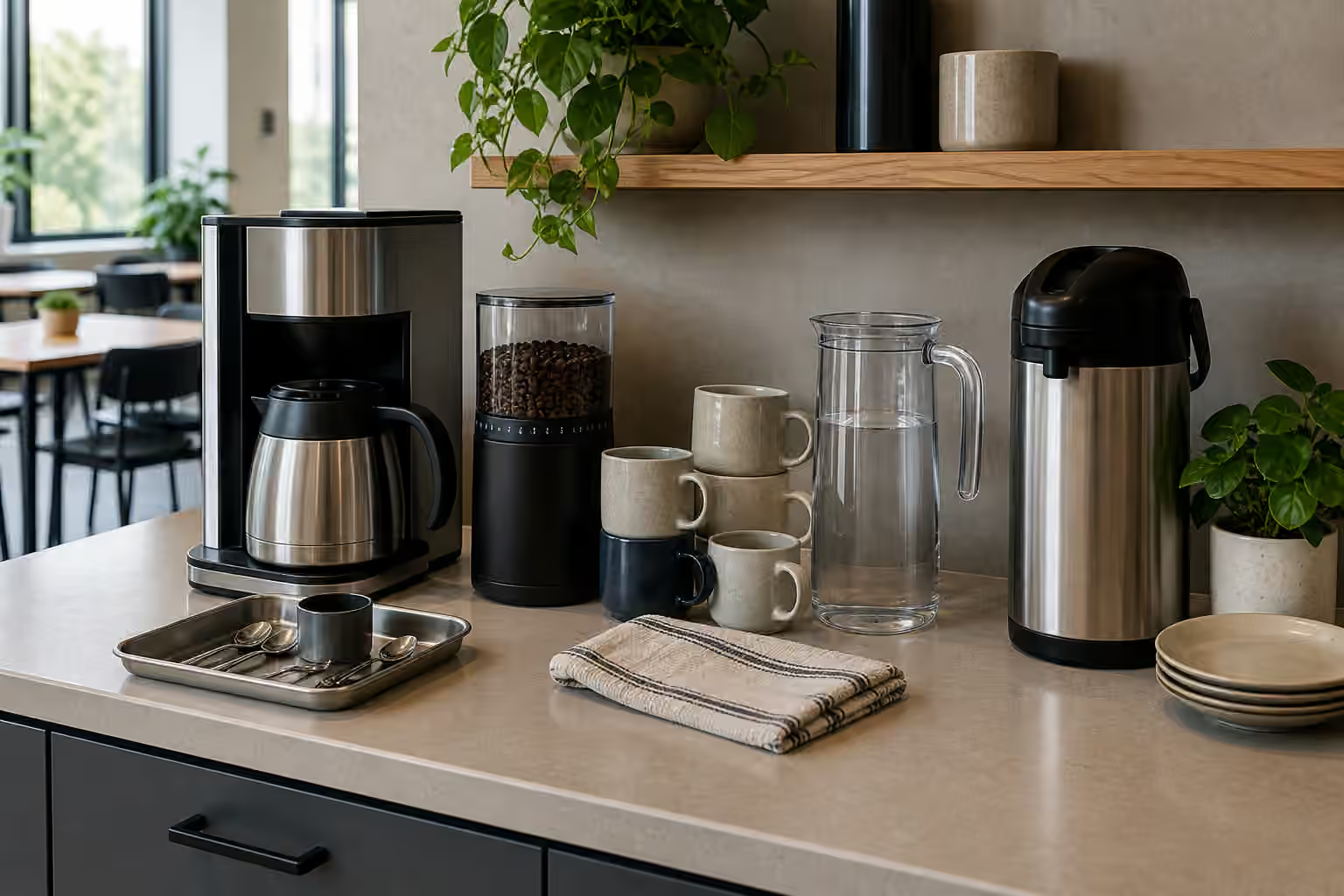
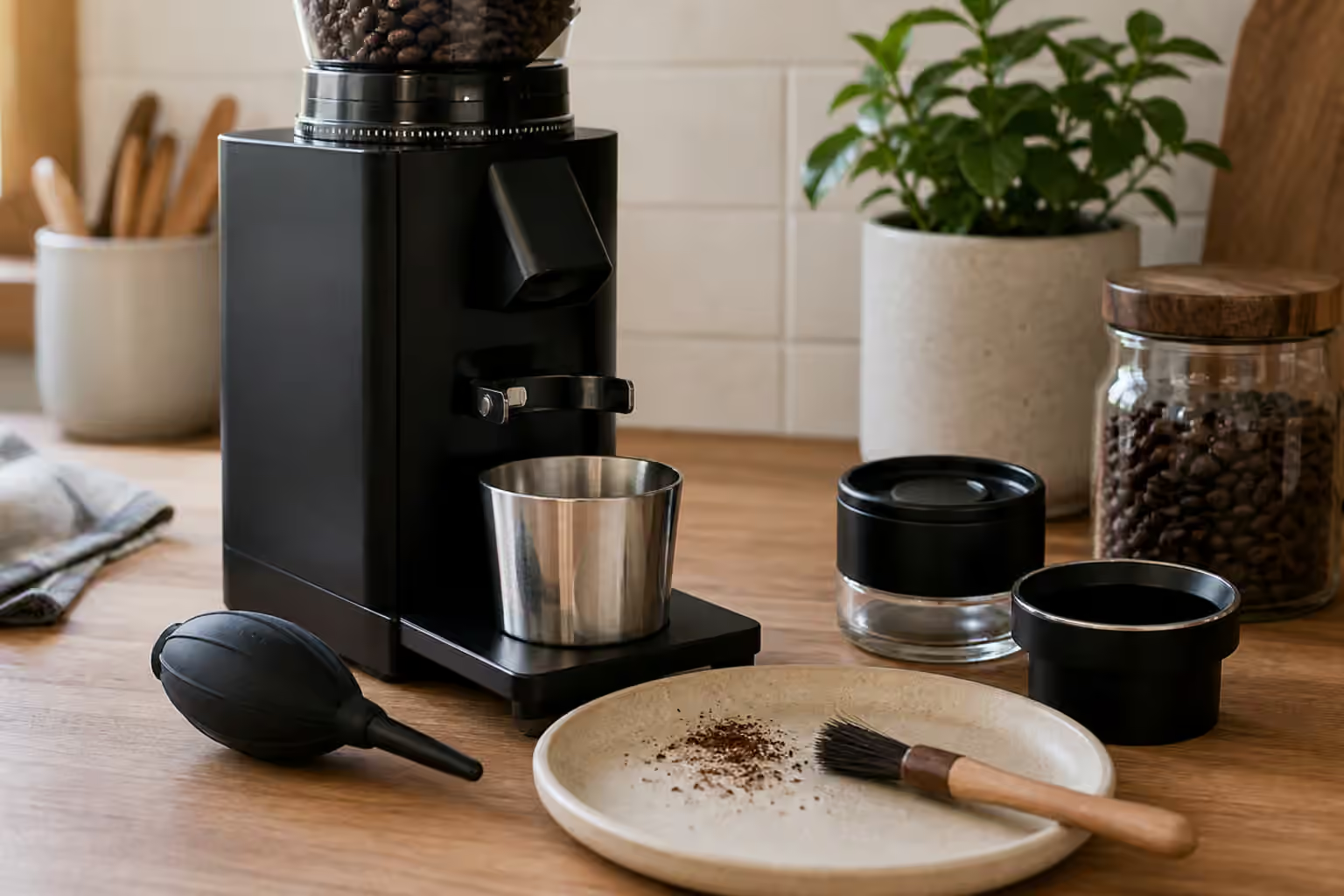
Portable coffee is not about proving you can rebuild a cafe on a desk. It is about keeping the parts that matter and leaving the rest at home. When you are brewing in an office kitchen, a hotel room, a rented apartment, or a quiet corner before a long day, the best setup is compact, clean, and repeatable. It should make better coffee than the default option without turning every cup into a logistics project.
The Coffee Equipment Guide covers the full home setup: grinder, scale, kettle, brewer, and accessories. Portable brewing asks a narrower question. Which pieces deserve space in a bag, drawer, or suitcase because they make the biggest difference away from home? The answer usually begins with fresh beans, a way to grind them evenly, enough control over water, and a brewing method that cleans up without drama.
Choose the Constraint First
Every portable routine has a main constraint. In an office, the constraint may be shared space and cleanup. In a hotel room, it may be water heating. On a travel day, it may be weight and durability. In a temporary apartment, it may be not knowing what mugs, sinks, or kettles will be available. A good kit starts by naming that constraint honestly.
If cleanup is the problem, choose a brewer that ejects grounds cleanly or uses a paper filter. If water quality is the problem, bring a small amount of known water or use a simple filter bottle when practical. If time is the problem, choose a recipe with few moving parts. If luggage space is the problem, accept a smaller grinder or pre-measured beans rather than bringing a fragile dripper that makes you nervous every time you pack.
This is where coffee advice often becomes too theatrical. You do not need a perfect travel setup. You need one you will actually use. A modest hand grinder, a light brewer, a few filters, and a reliable mug can beat a beautiful kit that stays packed because it is too fussy for Tuesday morning.
Keep Freshness Portable
Coffee away from home fails early when freshness is treated as an afterthought. A good portable brewer cannot rescue stale grounds from a loosely closed bag. Portion whole beans into small airtight containers or a well-sealed bag, then bring only what you expect to use. Less headspace means less oxygen, and a smaller portion means you are not opening the same larger supply over and over.
The Coffee Freshness and Resting guide explains how roast date and age shape the cup. For portable brewing, the practical lesson is simple: travel with coffee that is already in a usable window. A coffee that is still aggressively degassing can behave unpredictably when your kettle, grinder, and workspace are already less controlled than usual. A coffee that is fading may taste even flatter under travel conditions.
Grinding fresh matters, but it has to fit the situation. A hand grinder gives the best flavor control, especially for offices and longer stays. For a single early flight or a place where grinding would be disruptive, pre-grinding one small portion can be a reasonable tradeoff. The point is to treat pre-grinding as a short-term convenience. Grind close to brewing, seal it tightly, and do not expect it to taste like beans ground seconds before brewing.
Pick a Brewer That Matches the Room
AeroPress is popular for portable coffee because it is light, tough, compact, and forgiving. It can brew a clean single cup with paper filters, a stronger concentrate for milk, or a simple immersion-style cup when the water source is imperfect. It also cleans up quickly, which matters in shared spaces. The AeroPress Coffee guide gives a deeper method, but the portable appeal is easy to understand: short brew, controlled contact time, compact waste.
Pour-over can travel well if you have a stable surface, good water access, and a way to pour with some control. A collapsible or plastic dripper is light, and paper filters make cleanup simple. The tradeoff is that pour-over is more sensitive to kettle behavior. A hotel kettle or office hot-water tap may pour too aggressively for a careful bloom. You can still make good coffee, but the method asks for more attention than immersion.
French press is pleasant for slow mornings but awkward for many portable situations. Glass versions are fragile, metal versions are bulkier, and cleanup leaves wet grounds that need a proper sink. If you love immersion with body, a smaller durable press can work for a temporary apartment or office drawer. For true travel, a brewer with easier grounds disposal usually wins.
Automatic drip belongs in this conversation when the workplace already has a machine. Instead of bringing a whole separate setup, you may get a better result by improving the inputs: fresh beans, correct grind, right ratio, clean basket, and a properly seated filter. The Automatic Drip Coffee guide is useful when the shared machine is not excellent but still serviceable.
Water Is the Variable You Borrow
Away from home, water is the variable you rarely control fully. It may taste chlorinated, flat, metallic, or heavily mineral. It may come from a kettle that has scale inside, a dispenser that runs lukewarm, or a sink that smells faintly of the building. Because brewed coffee is mostly water, those details show up quickly.
Start by tasting the water plain. If it tastes unpleasant, it will not disappear in the brew. In an office, a filtered dispenser may be better than the break-room tap. In a hotel, bottled spring water may be more predictable than water from a kettle with heavy scale. In a longer stay, a simple filter can be worth the space. The Water Quality for Coffee guide covers the larger science, but portable brewing often comes down to choosing the least distracting available water.
Temperature control is often less precise away from home. That is fine if the recipe is forgiving. Immersion methods tolerate imperfect pouring and temperature better than delicate percolation methods. If water is not quite hot enough, a longer steep or slightly finer grind can help. If the water is very hot and the coffee is dark, a short wait before brewing can soften harshness. The adjustments should stay modest, because portable coffee rewards simplicity.
Make Cleanup Part of the Recipe
A portable recipe is not finished until the mess is handled. Wet grounds, dripping filters, oily mugs, and stray chaff can make a good cup feel rude in a shared space. Bring a small cloth or towel, pack out filters if needed, and rinse equipment before residue dries. If a tool cannot be cleaned where you plan to brew, it may not be the right tool for that setting.
Travel mugs deserve special attention. Many hold old coffee oils in lids, gaskets, sliders, and seams. A clean brew poured into a stale mug will taste stale. The Clean Coffee Gear guide explains residue more broadly, but the portable version is immediate: smell the mug when it is warm and empty. If it smells like yesterday, it will flavor today.
Office etiquette is part of durability too. A grinder that is loud enough to annoy a quiet room may be better used in a kitchen area than beside a desk. A brewer that occupies the sink for ten minutes will not stay welcome. A compact routine that respects other people is more likely to survive than a technically superior routine that creates friction.
Build One Dependable Away Recipe
The fastest way to improve portable coffee is to stop changing the whole kit every time. Choose one brewer, one dose, one water amount, one grind area, and one mug. Brew that recipe several times at home before relying on it away from home. Once you know what it should taste like, travel variables become easier to spot.
For a compact immersion brewer, aim for a recipe that tolerates small water and timing differences. For a dripper, choose a coffee that is not too fragile and a grind that drains reliably. For office drip, measure enough coffee for the batch instead of using scoops and hope. Whatever the method, write the recipe somewhere boring and accessible. A note on your phone is better than memory when you are tired in an unfamiliar kitchen.
Portable coffee succeeds when it is modest. Bring fresh coffee. Grind evenly when you can. Use water that tastes clean. Choose a brewer that fits the room. Clean up quickly. Those choices do not recreate your home bar, and they do not need to. They preserve the parts of the routine that make coffee taste intentional, even when the counter, kettle, and morning are borrowed.