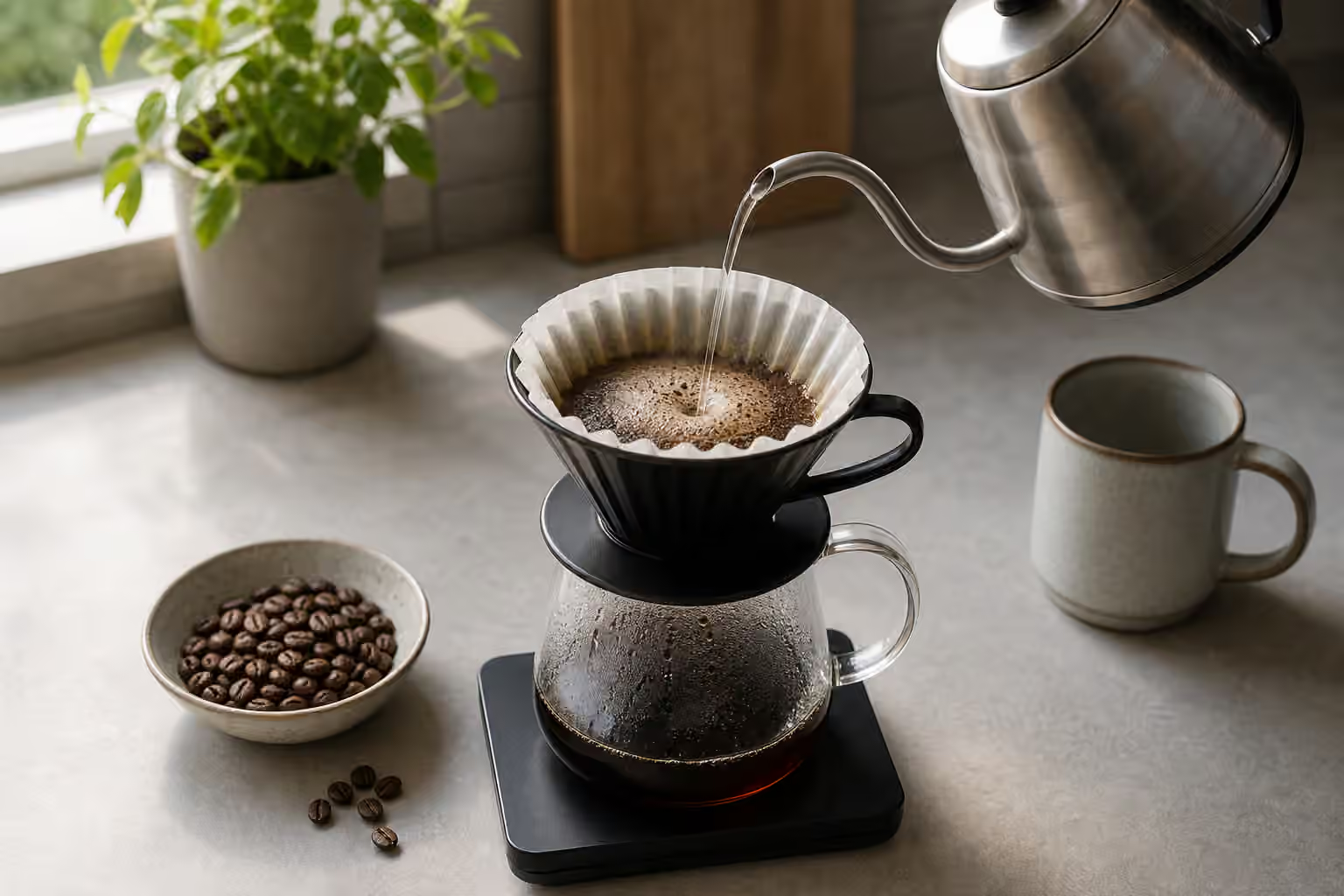
A paper filter looks passive, but it decides how water moves through coffee. It holds the bed in shape, traps oils and fines, adds resistance, and creates a boundary where bypass can happen if water slips around the grounds instead of through them. The filter also touches every drop in the cup. When it fits poorly, tastes papery, collapses, or steals heat from the brewer, a recipe can seem wrong even though the problem started before the coffee was added.
The broader Coffee Filter Materials guide compares paper, metal, cloth, and hybrid filtration. This guide slows down inside the paper routine itself. Paper prep is not a ritual for its own sake. It is a short setup that helps the brewer behave the way the recipe assumes: filter seated, paper taste reduced when needed, brewer warmed, and water directed through coffee rather than around it.
Fit Comes Before Rinsing
A filter should sit naturally in the brewer. If it fights the shape, the bed will fight too. Cone filters usually have a seam that benefits from a clean fold so the paper lies against the dripper wall. Flat-bottom basket filters need enough spread to avoid collapsing inward. Wave-style filters depend on their ridges to hold shape and airflow. Chemex-style filters are thick and layered, and the multi-layer side usually belongs against the spout so air can escape. Each brewer has its own geometry, but the basic question is the same: does the filter create a stable bed for coffee and water?
Poor fit can cause bypass. Bypass is water reaching the server without extracting enough coffee. It may run down the wall where the paper has pulled away, escape through a gap near a fold, or slip around a bed that was never level. Some bypass is part of certain brewer designs, but accidental bypass weakens the cup and makes grind changes confusing. If a pour-over tastes thin even when drawdown seems slow, look at filter fit before assuming the coffee needs a dramatic adjustment.
Filters also vary by manufacturer even when they are meant for the same brewer style. Thickness, texture, flow rate, and seam shape can all change the cup. A new filter box may behave differently from the old one. If your recipe suddenly tastes hollow or the drawdown changes, the filter is a legitimate variable. The coffee did not necessarily change overnight.
Rinsing Has More Than One Job
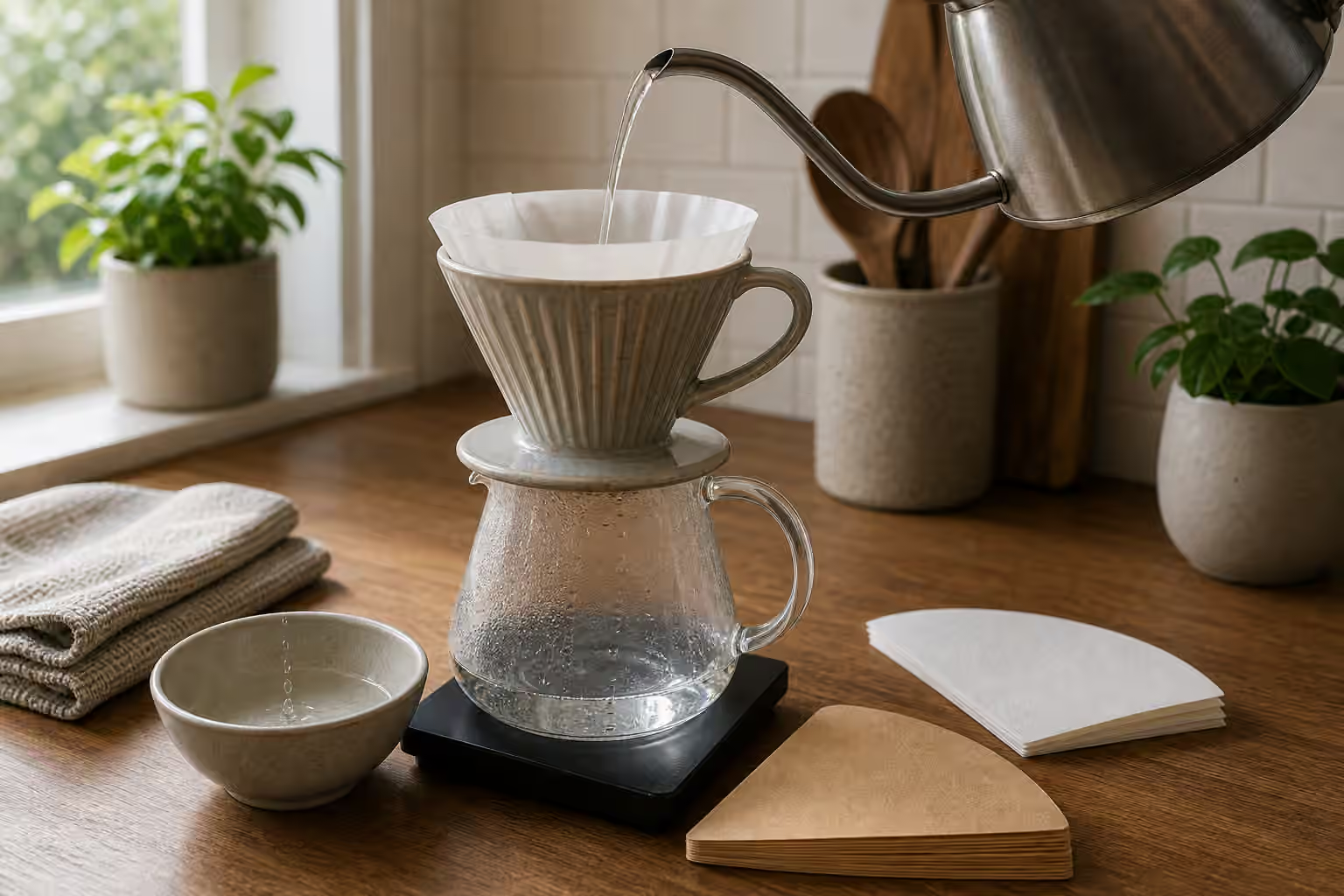
People often describe rinsing as a way to remove paper taste. That can be true, especially with some brown filters, thicker filters, or filters that smell papery when wet. But rinsing also seats the filter against the brewer and preheats the brewing surface. A dry filter can lift, wrinkle, or resist the first pour. A rinsed filter usually clings better and gives the coffee bed a more stable start.
The rinse does not need to become theatrical. Use enough hot water to wet the paper fully and warm the brewer. Then discard the rinse water before adding coffee. Forgetting to dump the rinse water is a familiar mistake, and it weakens the brew by adding extra water that never touched the grounds. If the server is opaque, make the discard step obvious in your workflow.
Some filters taste neutral enough that rinsing is less important for flavor. In that case, the heat and fit benefits may still matter. With immersion drippers or automatic brewers, rinsing can be awkward or unnecessary depending on the design. The practical test is simple. Smell the filter after wetting it with hot water. If the aroma is papery, dusty, or cardboard-like, rinsing is worth doing. If it smells clean and the brewer does not benefit from preheating, the step may be less critical.
Preheating Protects the First Part of Extraction
Coffee brewing starts losing heat as soon as water touches room-temperature equipment. Ceramic, glass, and thick brewers can absorb a noticeable amount of heat during the first pour. That heat loss matters most with light roasts, small brews, cool rooms, and recipes that rely on hot water to extract sweetness. Preheating with the rinse water helps the first contact between coffee and water happen closer to the intended temperature.
This connects directly to Coffee Brewing Temperature . Water temperature is not only the number in the kettle. It is the temperature the slurry experiences after the kettle, brewer, filter, coffee, air, and server all take their share. A cold brewer can make a recipe taste under-extracted even when the kettle was set correctly.
Preheating also improves comfort. A warm server keeps the first brewed coffee from cooling immediately, and a warm mug can make a small cup feel more complete. Do not chase heat blindly, though. If you are brewing a darker roast that already tastes harsh, extreme heat retention may not help. Paper prep supports the recipe; it does not override taste.
Filter Prep Shapes the Bloom
During the bloom, the coffee bed is at its most fragile. Dry grounds are trying to wet evenly, gas is escaping, and water is searching for easy paths. A badly seated filter can pull away from the wall just as the first pour begins. A folded seam can create a lump under one side of the bed. A filter that collapses inward can push grounds into an uneven mound. These small setup flaws become extraction flaws.
The Coffee Bloom and Wetting guide focuses on the first pour, but the first pour is easier when the filter has already done its job. After rinsing and discarding water, add coffee, gently level the bed, and look at the edges. The paper should not be folded over itself or sagging into the grounds. The brewer should feel warm enough that the bloom is not also fighting a cold ceramic sink.
If the bloom drains instantly along one side, the issue may be pour pattern, grind, or bed shape, but filter seating belongs on the suspect list. If the bed rises unevenly, check whether the grounds were level and whether the filter wall changed shape during the rinse. A few seconds of setup can save several minutes of confusing drawdown.
Different Brewers Ask for Different Habits
Cone drippers often benefit from careful seam folding, thorough rinsing, and attention to wall contact. Their shape encourages water toward the center, but it can also punish uneven pouring and gaps at the paper edge. Flat-bottom brewers may feel more forgiving, yet they still need a filter that does not slump or create channels near the ribs. Wave filters should be handled gently because crushed ridges change airflow and flow rate.
Chemex filters are thick, so rinsing can remove more paper taste and warm a large glass brewer. They also require attention to the spout. If the paper seals the spout completely, air can struggle to leave the lower chamber, and drawdown may stall for reasons unrelated to grind. Automatic drip baskets need filters that fit the basket and stay upright when the shower head begins pulsing water. A collapsed basket filter can ruin a pot quietly behind a closed lid.
The method-specific guides, from Pour-Over Coffee Technique to Automatic Drip Coffee , assume the filter is behaving. When it is not, recipe advice becomes noisy. Before changing dose, grind, and water all at once, make sure the paper is seated, rinsed when useful, and not creating its own bypass.
Let Paper Stay Simple
Paper filter prep should make brewing calmer, not fussier. Choose filters that match the brewer. Fold seams cleanly where needed. Rinse when the paper has aroma, when the brewer needs heat, or when seating matters. Discard rinse water. Add coffee to a stable filter, level the bed, and brew. Those steps take less time than diagnosing a cup that went wrong because water found a shortcut.
The reward is clarity in both flavor and feedback. If the coffee tastes sour, bitter, thin, or muddy after the paper variable is controlled, you can look more confidently at grind, ratio, pouring, freshness, or water. A good filter routine does not make coffee perfect by itself. It removes one avoidable source of confusion so the rest of the brew can tell the truth.