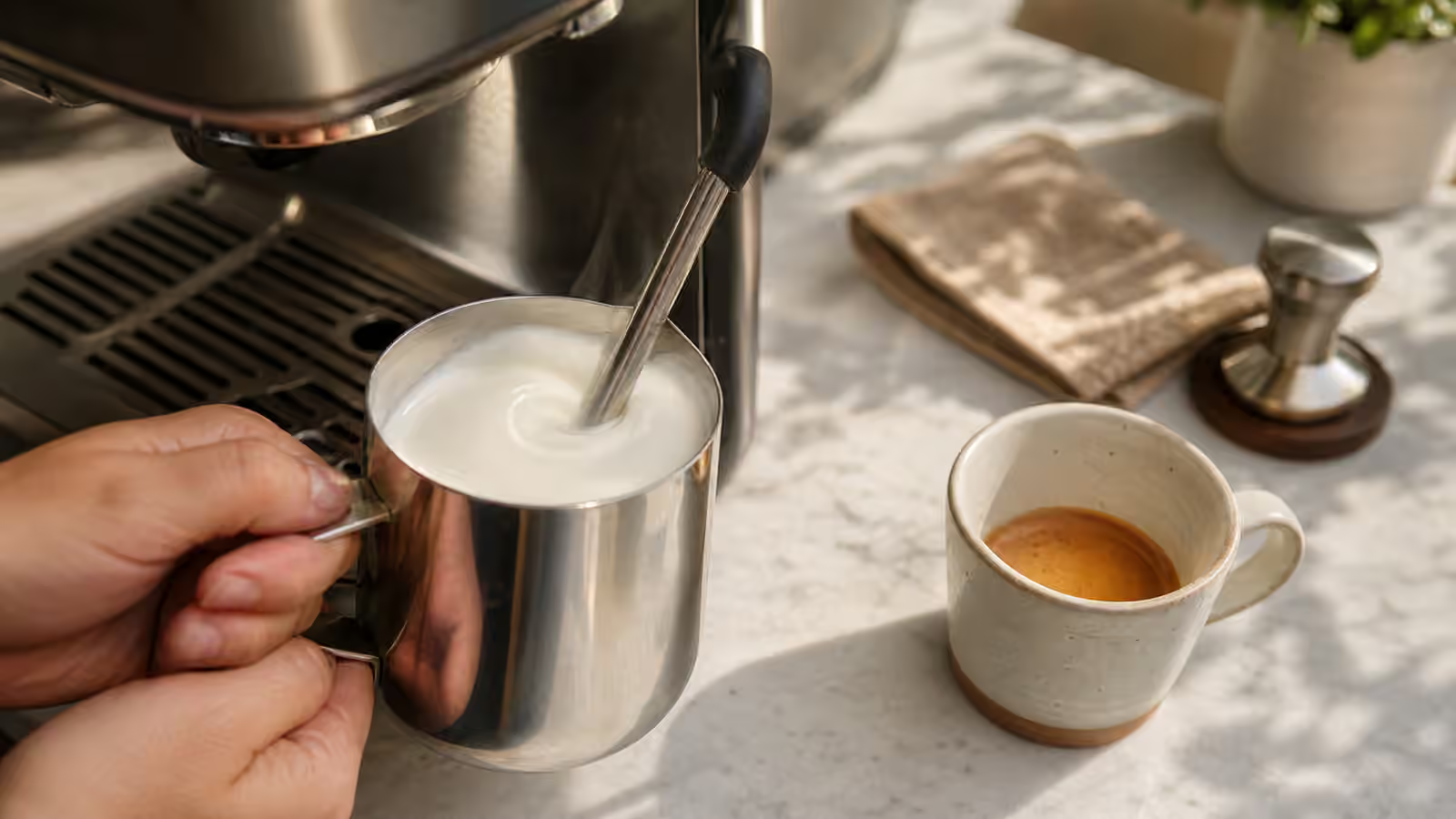
Milk changes coffee. It softens bitterness, rounds acidity, adds sweetness, and changes texture so completely that a shot that tastes intense on its own may become gentle in a latte. That is the pleasure of milk drinks, but it is also the challenge. A balanced cappuccino, cortado, flat white, or iced latte is not just espresso plus milk. It is coffee with enough structure to remain itself after milk joins the cup.
The Milk Steaming and Microfoam guide explains how texture, wand position, and temperature shape the milk side of the drink. This guide focuses on the coffee side: which beans tend to work, how strength carries through milk, and why a recipe that is lovely as straight espresso can vanish in a larger drink.
Milk Rewards Structure
Black coffee reveals clarity. Milk rewards structure. By structure, think of the parts of coffee that can stand up after dilution: sweetness, body, roast character, and a flavor center strong enough to be recognized through creaminess. A delicate floral espresso may be beautiful on its own and nearly invisible in a large latte. A chocolatey blend may seem ordinary as a tasting exercise and excellent with milk because it holds a clear line through the drink.
This does not mean milk drinks require dark, bitter coffee. Too much roast can make the cup taste smoky, ashy, or flat once the milk adds sweetness. The best milk coffees often sit in a middle place. They have enough development to bring caramel, cocoa, nut, or cooked fruit notes, but not so much roast flavor that the drink becomes heavy. Some lighter coffees work wonderfully too, especially in smaller milk drinks, but they need enough extraction and sweetness to avoid tasting sharp.
The drink size matters as much as the bean. A cortado gives coffee a stronger voice because the milk volume is modest. A cappuccino balances espresso, milk, and foam in a way that can keep the coffee present. A large latte asks more of the espresso because milk is the dominant volume. If the coffee disappears, the solution is not always a darker roast. It may be a shorter yield, a slightly stronger dose, a smaller drink, or a bean with more natural body.
Choosing Beans for Milk
Blends often excel in milk because they are built for balance. A roaster can combine a component with body, another with sweetness, and another with lift so the espresso feels complete across different drink formats. This is why the Coffee Blends and Single Origins guide is useful before buying beans for a home espresso setup. A blend is not less serious than a single origin. It may simply be designed for the job.
Single origins can be excellent when their flavor fits the drink. A Brazilian or Colombian coffee with chocolate, nut, or caramel notes can make a calm, sweet cappuccino. A naturally processed coffee with berry or tropical fruit can create a striking small milk drink if the fruit stays clean. A washed East African coffee can be thrilling in a short flat white and too sharp in a large latte. The label gives hints, but the cup decides.
Roast level should be chosen with the final drink in mind. Light roasts often need more extraction to taste sweet with milk, and that can make them demanding as espresso. Medium roasts are usually the easiest starting point because they have enough solubility and sweetness without leaning entirely on roast flavor. Darker roasts can be satisfying for people who want a classic, bold milk drink, but they become tiring if bitterness is the main thing the milk has to soften.
Decaf deserves the same attention. Decaffeination can make beans more fragile and sometimes easier to over-extract, but fresh decaf roasted with care can make excellent evening milk drinks. The Decaf Coffee guide explains the processing side. In the cup, the same rule applies: choose coffee with enough sweetness and structure, then brew it gently enough that the milk does not have to hide harshness.
Espresso Yield Changes the Drink
Milk drinks begin with espresso for a reason. Espresso is concentrated enough to carry flavor through milk. But not every espresso recipe carries equally. A longer yield can taste clear and elegant on its own, then become thin in a latte. A shorter yield can taste dense and forceful on its own, then become balanced once milk stretches it. The Coffee Brewing Ratios guide explains strength more broadly; in espresso milk drinks, yield is one of the main strength controls.
If a latte tastes like warm milk with a coffee suggestion, the shot may be too long, too under-extracted, or made from a coffee without enough body for the drink size. Shortening the yield can concentrate sweetness and texture. Grinding finer may help if the shot was running fast and tasting sour. Increasing the dose can help if the basket and machine handle it well, but dose changes should be deliberate because they also affect puck depth and flow.
If a cappuccino tastes harsh, dry, or smoky, milk is not the only suspect. The espresso may be over-extracted, the roast may be too dark for the recipe, or the milk may have been heated until its sweetness collapsed. Start by tasting the espresso before adding milk. It does not need to be your favorite straight shot, but it should have a pleasant center. Milk can round edges. It cannot turn a bad extraction into a truly balanced drink.
Texture and Coffee Have to Agree
A milk drink is partly flavor and partly texture. Glossy microfoam makes sweetness feel integrated because the milk and espresso move as one liquid. Large dry foam can separate the drink into hot milk below and airy bubbles above. Thin milk can make espresso taste sharp because it lacks the body to connect the flavors. This is why the coffee recipe and milk texture should be treated as a pair.
For a cappuccino, the foam gives lift and a sense of sweetness, so the espresso can be a little more assertive. For a flat white or small latte, the milk texture is silkier and the coffee needs to stay present without relying on a thick foam cap. For a cortado, the ratio is close enough that the espresso’s flaws are easy to see. If the shot is sour, the drink tastes tangy. If the shot is bitter, the drink tastes drying. Small milk drinks are honest teachers.
Temperature matters in a practical way. Milk that is warmed gently tastes sweeter and feels smoother. Milk that is overheated can taste cooked, dull, or thin, which makes the coffee seem harsher than it really is. The exact equipment varies, but the principle is stable: heat and texture should make the coffee easier to read, not cover it with scalded flavor.
Beyond the Espresso Machine
Not every milk drink has to begin with a pump espresso machine. Moka pot coffee, AeroPress concentrates, strong automatic drip, and cold brew can all work with milk if the coffee is concentrated enough and brewed cleanly. The Moka Pot Coffee guide is especially useful for stovetop milk drinks because moka coffee has enough strength to feel espresso-adjacent without being identical. AeroPress can make a compact concentrate that works well in a small milk drink when the grind, ratio, and steep are chosen for strength.
The same balance rules apply. A weak brew becomes diluted and disappears. An over-extracted concentrate becomes harsh and needs sugar to feel pleasant. A clean, sweet concentrate with a clear flavor center can make a satisfying drink even without crema or a steam wand. Texture may come from warmed milk, a simple frother, or a shaken cold drink rather than true microfoam. That is fine as long as the coffee and milk meet in balance.
Iced milk drinks add another variable: cold mutes aroma and emphasizes texture. Coffee needs enough strength to survive ice melt and chilled milk. Flash brew and cold brew can both work, but they land differently. Flash Brew Iced Coffee keeps hot extraction’s brightness, while cold brew often leans round and low-acid. With milk, choose the method that gives the flavor you want before dilution.
Build a House Milk Recipe
The most useful home milk drink is one you can repeat. Choose a coffee that tastes good in the drink you actually make, not the drink you imagine making someday. Set a normal dose and yield, steam or prepare the milk the same way, and taste the finished cup before changing anything. If the coffee is hidden, strengthen the coffee side or reduce the milk volume. If the drink is rough, fix the espresso before adding more milk. If the drink is sweet but boring, try a coffee with more distinct acidity or aroma.
Keep notes for milk drinks separately from straight espresso. A shot that earns high marks on its own may not be the best latte shot, and a sturdy blend that seems plain as espresso may become the household favorite with milk. That is not a compromise. It is matching the coffee to the format.
Milk drinks are generous because they make coffee comforting, but they still reward attention. Choose beans with structure, brew with enough concentration, texture the milk so it supports rather than smothers, and keep the drink size honest. When those pieces line up, the milk does not hide the coffee. It gives the coffee a different stage.