A grinder does not always return exactly what you put into it. Some coffee stays in the burr chamber, chute, declumper, catch cup, hopper path, or corners you cannot see. Some grounds cling because of static. Some fall out later, after the next dose has already started. This leftover coffee is called retention, and it is one reason a recipe can feel inconsistent even when the scale says you are doing the same thing every morning.
Retention is not automatically a disaster. Every grinder has some. The problem is not that a tiny amount of coffee touches the machine. The problem is when old grounds mix with fresh grounds in amounts large enough to change flavor, dose, flow, or dial-in feedback. If you are working through Burr Grinder Calibration , retention is part of why a setting can seem clear one day and vague the next. The number on the dial matters less when yesterday’s fines are quietly joining today’s brew.
Retention Changes Dose and Age at the Same Time
Retention has two effects that often get confused. First, it changes the dose. If you put in eighteen grams and get out seventeen and a half, your brewer receives less coffee than expected. If the missing half gram falls out during the next grind, the next dose may be heavier or contain coffee from a different setting. Second, retention changes freshness. Grounds left inside a warm, oily grinder stale faster than whole beans in a bag. When they join a fresh dose, they can add woody, dull, bitter, or muddy flavors.
For espresso, small changes are easy to notice because dose, grind, puck prep, and flow are tightly linked. A little retained coffee from a coarser or finer setting can make the shot seem strange. You may tighten the grind to fix a fast shot, then retained fines from the previous adjustment slow the next one too much. The guide to How to Dial In Espresso assumes that each change is readable. Retention makes changes less readable.
For filter coffee, retention usually feels less dramatic but still matters. Old fines can slow a pour-over, add dry bitterness, or make a French press taste heavier than expected. If you already know the ideas in Coffee Fines and Sediment , retention is one way fines enter the cup even when the fresh grind looks reasonable.
Static Is a Mess Problem and a Measurement Problem
Static shows up when grounds cling to the chute, cup, counter, or inside of a plastic part instead of falling cleanly. Dry air, grinder material, roast level, grind size, and coffee age can all affect it. Static can be merely annoying, scattering grounds across the counter. It can also make output measurement unreliable because coffee remains attached until bumped loose later.
Light roasts ground fine may create a different static pattern than darker roasts ground coarse. Some grinders spray chaff and fines outward. Others keep the mess hidden until a clump drops into the catch cup after the dose is already weighed. A grinder that looks clean from the outside may still be holding a small amount inside. This is why static deserves attention even if you are not trying to run a spotless coffee bar.
The goal is not to eliminate every speck. It is to make the grinder’s behavior predictable enough that brew adjustments mean what you think they mean. If static causes a different amount of coffee to reach the brewer each time, you may blame Grind Size when the real problem is that the dose and particle mix keep changing.
Single Dosing Helps Only When the Grinder Supports It
Single dosing means weighing the beans before grinding and trying to get nearly all of that dose back out. It can be useful when you switch coffees often, make one cup at a time, or want less coffee sitting in a hopper. It can also reveal how much your grinder retains. If you put in twenty grams and consistently get nineteen point seven back, you have useful information. If output swings each time, the grinder may need a different routine.
Not every grinder is designed for single dosing. Some hopper-fed grinders work best with beans above the burrs, where gravity keeps feed consistent. Running them nearly empty can cause popcorning, uneven feeding, or grind inconsistency. Bellows accessories, tapping, and tilting can help some machines and annoy others. Use them gently and with the grinder maker’s guidance in mind. A tool that damages alignment or forces grounds into odd places is not improving the cup.
If your grinder is hopper-based and you brew the same coffee daily, retention may be less disruptive because the retained grounds are from the same bag and similar setting. It still affects freshness, but the dose-to-dose flavor shift may be smaller. If you switch between decaf and regular coffee, espresso and filter grind, or two very different beans, retention becomes more obvious. In that case, a small purge can be more honest than pretending the grinder fully resets itself.
Purging Should Be Purposeful
Purging means grinding a small amount of coffee through the grinder to clear old grounds before the real dose. In a cafe, purge routines can be frequent because quality and speed are both at stake. At home, purging should be modest and purposeful. Wasting coffee thoughtlessly is not a virtue. Neither is brewing a careful cup through stale leftovers and calling it precision.
Use purging when the grinder has sat for a while, when you changed grind size significantly, when switching coffees, or when stale aroma is obvious from the chute. The amount depends on the grinder and the situation. A tiny purge may clear the exit path. A bigger adjustment may need more. Let taste and repeatability guide the habit, not a borrowed cafe ritual.
For filter brewing, you may decide that a brush and occasional purge are enough. For espresso, especially with a grinder that retains heavily, purging after a grind change can prevent false feedback. If a shot improves only after the second attempt at the same setting, retention may be part of the story. The first shot may have been a transition dose rather than a clean test.
Cleaning Is Flavor Work
Retention gets worse when oils and fines build up. Coffee oils cling to burrs, hoppers, chutes, and catch cups. Fines stick to those oils. The grinder begins to season fresh coffee with old coffee. A grinder can look tidy from the outside while smelling stale where the coffee actually travels. The Clean Coffee Gear guide treats cleaning as flavor work because that is exactly what it is.
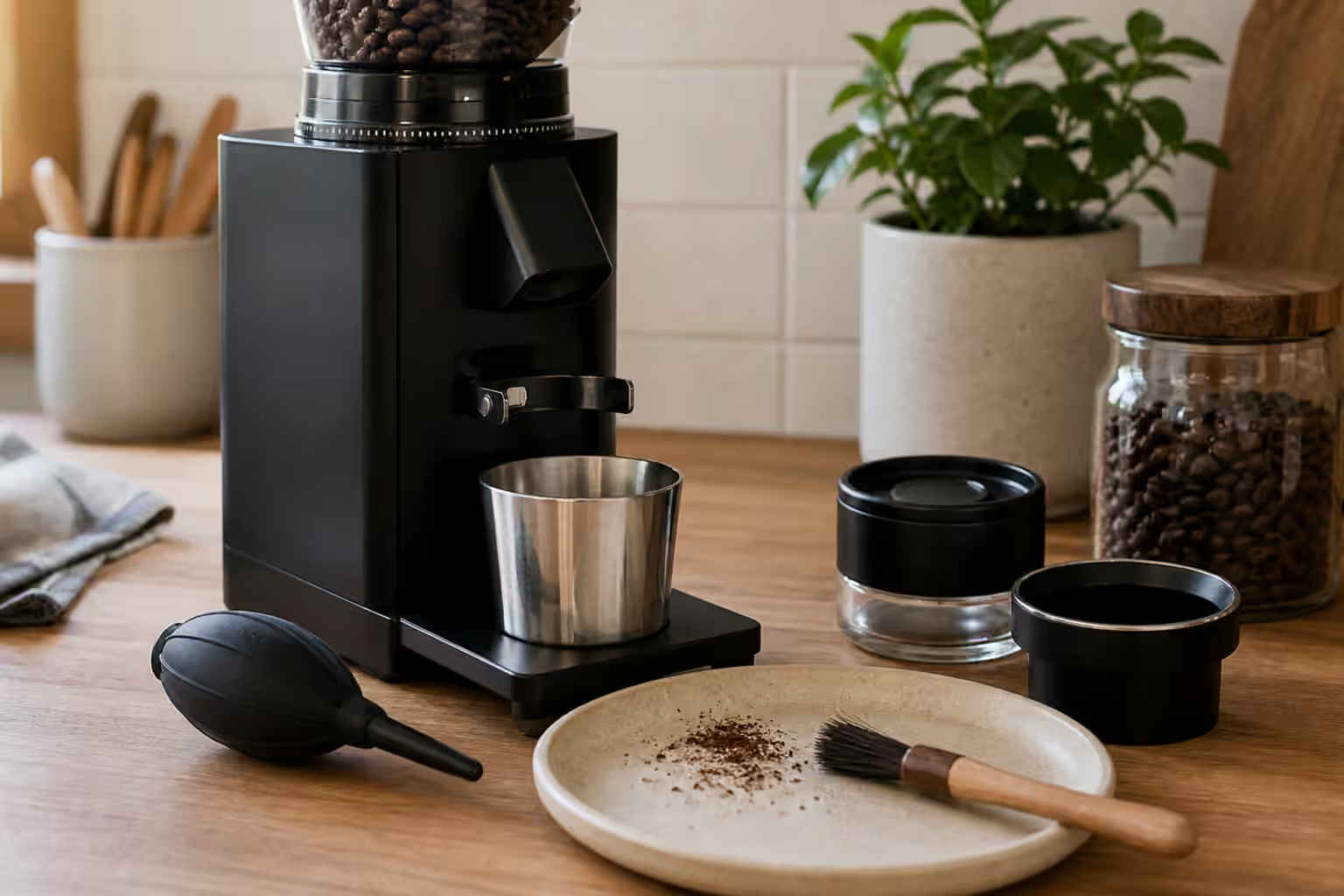
Regular brushing removes loose grounds from accessible areas. Deeper cleaning depends on the grinder. Some burr carriers are easy to remove and reseat. Others should not be taken apart casually because alignment, shims, screws, or warranties matter. Use the manual before opening anything. Avoid water near burrs and electronics unless the manufacturer specifically allows a part to be washed and fully dried. Cleanliness should reduce uncertainty, not create mechanical problems.
If static is severe, some brewers use a tiny amount of water on the beans before grinding, often by stirring with a barely damp handle or adding a small droplet and shaking the dose. This can reduce static in some grinders, but it is not universal advice. Too much water or repeated moisture exposure can be bad for equipment. If you try it, keep it minimal, avoid wet beans, and stop if the grinder maker warns against it or the grinder behaves poorly.
Read the Grinder Before Chasing the Recipe
When coffee tastes inconsistent, look at the grinder before rewriting the whole recipe. Weigh beans in and grounds out for a few brews. Notice whether output changes after the grinder sits. Smell the chute. Watch whether grounds cling or fall late. Pay attention after grind adjustments. These observations are not fussy; they are how you separate brewing problems from equipment behavior.
Retention and static will never disappear completely, and they do not need to. A grinder is a mechanical path for a fragile ingredient. Some coffee will remain behind. The practical goal is to know when that leftover coffee matters, keep it from becoming stale residue, and build a routine that makes the next dose honest. Once the grinder behaves predictably, the rest of coffee becomes easier to read. Ratio, grind, time, water, and taste can finally point in the same direction.