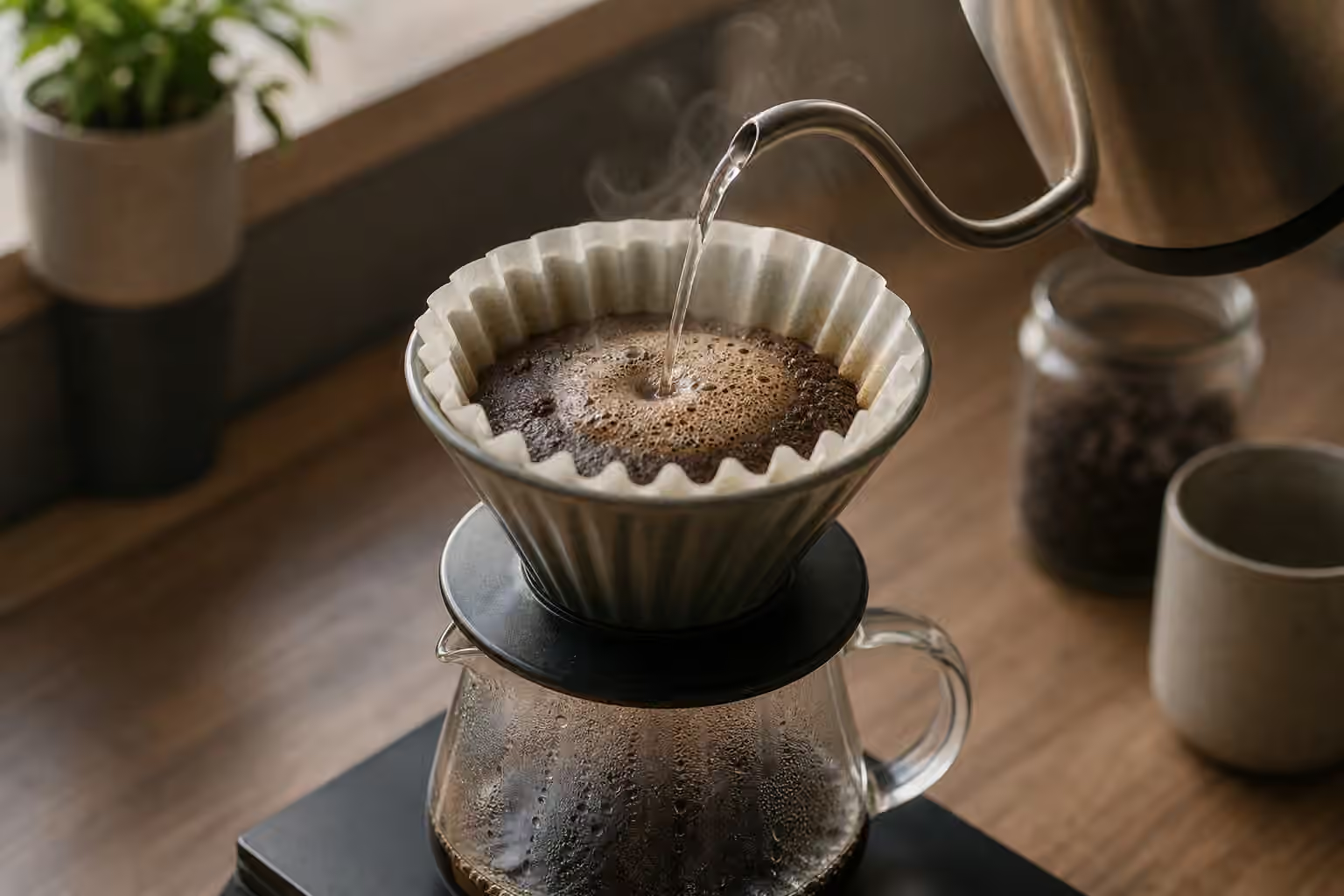
Good coffee equipment does not stay neutral by itself. It touches hot water, roasted oils, tiny coffee particles, minerals, milk, and steam. Then it sits on the counter until tomorrow. If those residues build up quietly, they begin to contribute flavor of their own. A coffee that should taste sweet and clear can become flat, woody, bitter, or oddly savory, even when the beans are fresh and the recipe is sound.
Cleaning is not glamorous, and it should not become another hobby inside the hobby. The useful version is simpler. Know which residues matter, remove them before they become stubborn, and keep each tool neutral enough that the coffee tastes like coffee. If you have worked through Coffee Brewing Methods or the Coffee Dial-In Log , cleaning is the background condition that makes those variables honest. A grind change is only meaningful when the grinder is not full of old fines. A water adjustment is only meaningful when the kettle and brewer are not carrying a layer of scale. A tasting note is only meaningful when yesterday’s oils are not lending their own stale finish.
The Flavor of Old Coffee Oil
Roasted coffee contains oils that help aroma and body, but those oils do not age kindly once they coat equipment. They cling to grinder chutes, hopper walls, French press screens, metal filters, portafilter baskets, carafes, and travel mugs. At first the buildup is invisible. Later it feels tacky, smells dull, and turns brown in corners that are hard to reach. Hot water wakes it up.
The flavor is not always obvious as “dirty.” More often it appears as a tired finish. A cup loses brightness before it becomes clearly bad. Chocolate notes become muddy. Floral coffees taste muted. A pleasant roast note starts to feel ashy. If you have been blaming a bag of beans for tasting stale, compare the aroma of the empty brewer before and after cleaning. Old coffee oil has a recognizable smell once you learn it: rancid, cardboardy, and a little smoky.
This is why the Coffee Storage Guide and equipment care belong together. Fresh beans can be protected in an airtight container, then spoiled at the last moment by a carafe that still carries last week’s oils. Storage keeps the ingredient alive. Cleaning keeps the path to the cup from adding noise.
The Grinder Is the First Place to Look
The grinder is usually the dirtiest tool in a clean-looking setup. Every bean that passes through leaves behind fines, chaff, and oil. Darker roasts are especially messy because their surfaces are oilier and more brittle. Fine espresso settings create powder that clings to static-prone plastic and settles into the burr chamber. Even filter grinders collect compacted coffee in corners where brushing cannot reach from the outside.
A dirty grinder changes flavor and consistency at the same time. Old grounds mix into new doses, so the first brew of the morning may include a little stale coffee from yesterday. Retained fines can drift into later brews and make the cup seem drier or more bitter than the grind setting suggests. If you are trying to follow the Grind Size Guide , residue makes the feedback less clean because the coffee bed contains more than today’s grind.
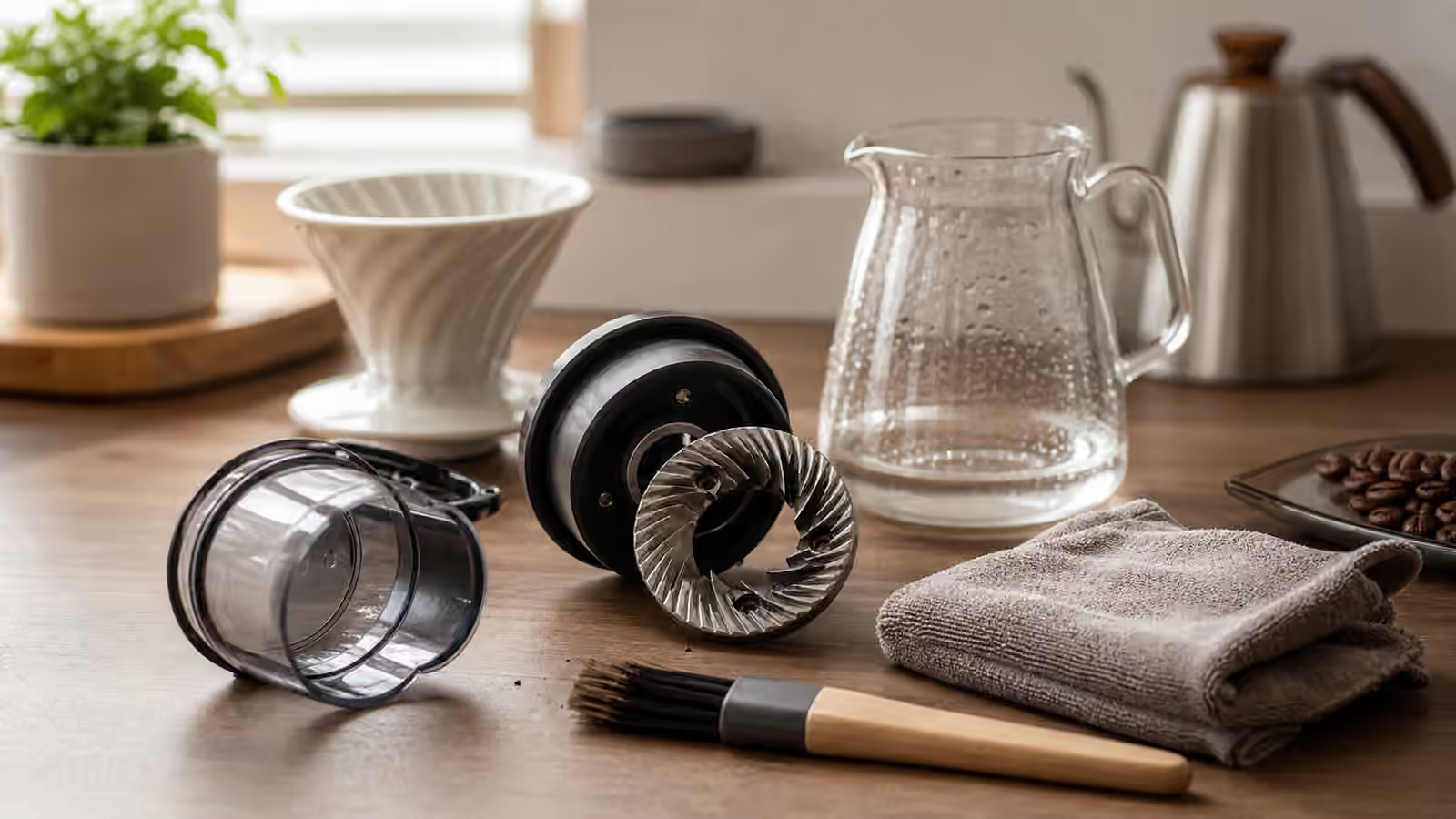
Basic grinder cleaning begins with unplugging the grinder, removing the hopper if the design allows it, and brushing loose grounds away from the burrs, chute, and catch cup. A soft brush is better than a damp cloth inside the burr chamber because water and grinders are a poor combination. Burrs are metal, but many grinder bodies include electrical parts, bearings, and small spaces where moisture can linger. Keep water for removable plastic parts that can dry completely before reassembly.
Do not chase perfection every day. A quick brush and knock is enough for routine care. A deeper clean belongs on a rhythm that matches use. Someone brewing one pour-over each morning may need it less often than someone pulling several espresso shots a day. The signal is usually sensory: the grinder smells stale when empty, the chute clogs, retention increases, or a coffee that should be lively starts tasting dusty across multiple beans.
Brewers, Filters, and the Places Sediment Hides
Brewers look simple because hot water passes through them, but hot water alone is not the same as cleaning. Pour-over drippers collect oils where the filter rests. French press screens trap fine particles between layers. AeroPress caps and plungers hold residue around rubber and plastic seams. Automatic drip baskets can develop a brown film near ribs, springs, and shower areas. Even a ceramic dripper that appears spotless can smell like old coffee when warmed.
Paper-filter brewers are the easiest to keep neutral because the paper catches much of the oil and sediment. Still, the dripper and carafe need rinsing and periodic washing. Metal and cloth filtration demand more attention. The Coffee Filters guide explains how metal lets more oils and fine particles into the cup; the same openness that gives body also gives residue more places to settle. Cloth can make beautiful coffee when it is clean, but it can sour quickly if treated casually.
French press screens deserve special suspicion. They often look clean from above while fine coffee paste remains between mesh layers. If a French press starts making every cup taste heavy, unscrew the filter assembly and wash each piece separately. The goal is not to remove every sign that coffee has ever touched it. The goal is to remove the film that would dissolve back into the next brew.
Carafes and mugs matter too. Glass hides film until light catches it. Stainless travel mugs can hold aroma in lids, gaskets, and sliding closures. If coffee tastes fine in a ceramic cup but dull from the travel mug, the problem may not be the brew. Lids are small residue machines. They mix coffee oil, milk, heat, and slow drying in places a quick rinse barely reaches.
Mineral Scale Is a Different Problem
Coffee residue is organic. Scale is mineral. It comes from water, especially harder water, and it builds inside kettles, boilers, shower screens, drip machines, and any surface that repeatedly heats and evaporates water. Scale does not taste like rancid coffee oil, but it can still change brewing. It narrows openings, slows flow, affects temperature transfer, and can give water a chalky or flat impression.
This is where cleaning meets Water Quality for Coffee . If your water leaves white deposits in the kettle, it is also leaving minerals elsewhere. A little scale in a kettle is common and manageable. Heavy scale inside an espresso machine or automatic brewer can interfere with performance and shorten equipment life. Descaling is the process that dissolves those mineral deposits with an appropriate acidic cleaner.
The important distinction is that descaling is not the same as washing. Soap will not remove mineral scale well. Descaler will not remove coffee oils as effectively as a cleaner made for coffee residue. Treat them as separate jobs. If a brewer tastes stale, wash coffee-contact surfaces. If water flow is slowing or white deposits are visible, descale according to the equipment maker’s guidance. For espresso machines, follow the machine’s instructions closely because designs vary and some machines should not be descaled casually through the boiler.
Espresso Gear Needs Small Habits
Espresso concentrates both flavor and residue. The dose is fine, pressure is high, and coffee oils coat metal quickly. A portafilter basket can look acceptable while its holes are partly clogged. A shower screen can gather coffee particles after every shot. The underside of a group head can become a hidden source of harshness. If your espresso has a persistent bitter edge even after using the method in How to Dial In Espresso , cleaning is worth checking before you keep moving the grind.
The small habits matter most. Knock out the puck soon after brewing, rinse or wipe the basket, flush the group briefly, and keep the portafilter dry between shots. A wet basket makes fresh grounds clump and stick before brewing begins. A basket with old oil in the holes changes flow. A group screen coated with residue can turn clean water brown before it touches the coffee.
Backflushing, detergent cleaning, gasket care, and screen removal depend on the machine. Some machines are built for routine backflushing; others are not. The evergreen rule is to read the manual and understand the water path before running cleaners through it. Good espresso maintenance is not dramatic. It is mostly keeping coffee oils from baking onto hot metal and keeping water paths open enough that pressure and flow remain predictable.
Milk Tools Can Sour a Good Drink
Milk residue has its own urgency. It dries fast on hot metal, smells unpleasant, and can clog steam wand holes. After steaming, the wand should be wiped immediately with a clean damp cloth and purged so milk is not pulled back into the tip. Pitchers should be rinsed before milk dries into a thin film. If you are practicing from Milk Steaming and Microfoam , clean tools are part of texture. Old milk film can make foam less stable and give the drink a cooked, stale sweetness that has nothing to do with the espresso.
Plant milks can be just as sticky, sometimes more so, because many barista-style versions include oils, gums, or stabilizers. Treat them as ingredients that leave residue, not as harmless liquids that rinse away instantly. The pitcher should smell neutral before new milk goes in. The steam wand should look clean before it touches the next drink.
A Practical Rhythm That Stays Human
The best cleaning routine is one you can keep without resentment. Daily care should be light: empty grounds, rinse wet parts, wipe oil-prone surfaces, dry what needs drying, and avoid leaving coffee slurry in contact with plastic, metal, cloth, or rubber. Weekly or occasional care can be more deliberate: brush the grinder, disassemble screens, wash carafes and lids thoroughly, inspect seals, and remove the film that quick rinsing misses.
Frequency depends on use, roast level, and brewing style. Dark roasts leave more visible oil. Espresso creates more compacted residue. Immersion brewers hold wet grounds longer. Travel mugs punish neglect because their lids are complex and often stay closed while damp. If your setup smells neutral and your cups taste clean, you are probably doing enough. If every coffee tastes the same kind of dull, your cleaning routine may be lagging behind your brewing ambition.
Use your senses before you use anxiety. Smell the empty grinder. Smell the carafe after rinsing. Look through the basket holes toward light. Run hot water through a brewer without coffee and taste it once it cools. Neutral equipment should not contribute much. When blank hot water tastes oily, papery, sour, metallic, or stale, the tool is speaking louder than it should.
Clean gear does not make ordinary coffee extraordinary. It does something more useful: it lets ordinary variables behave normally. Fresh beans taste fresher. Grind changes become easier to read. Water tastes like water. Milk tastes sweet instead of tired. The cup becomes less mysterious because fewer old residues are joining the brew. That is the whole point of maintenance. It gives the next coffee a fair chance.