Fresh coffee is not a single moment. It is a moving window that begins with a restless bag of beans, settles into a period of sweetness and clarity, then gradually loses aroma until the cup tastes quieter than it should. The trick is not to chase the newest possible roast date. The trick is to understand what the coffee is doing right now, then brew it in a way that respects its age.
That sounds simple, but freshness causes a surprising amount of confusion. A bag roasted yesterday may smell wonderful and still brew unevenly. A bag roasted three weeks ago may taste better than it did on day three. Another coffee may go flat quickly because it was ground too early, stored poorly, or opened and closed in a half-empty container every morning. The Coffee Storage Guide explains how oxygen, moisture, heat, and light shorten a bag’s useful life. This guide focuses on the flavor window between roasting and staling, where coffee can taste vibrant one day, sharp the next, and quietly excellent after a short rest.
Freshness Is a Window, Not a Trophy
The roast date is useful because it tells you where the story begins. It does not tell you the whole story. Coffee changes after roasting because roasted beans hold gases, especially carbon dioxide, and because their aromatic compounds continue to settle and fade. In the first few days, that gas can interfere with brewing. Later, oxygen exposure and time begin to dull aroma and sweetness. Between those two pressures sits the useful window.
For hot filter brewing, many coffees become easier to brew after a few days of rest. They still smell lively, but the bloom is less explosive and water can enter the grounds more evenly. For espresso, rest often matters even more because pressure makes trapped gas obvious. A shot from coffee that is too fresh can gush, foam, channel, or taste sharp even when the grinder setting seems reasonable. The How to Dial In Espresso guide works better when the coffee has reached a stable enough age that a grind change is actually readable.
This is why buying coffee only by “freshest roast date” can disappoint. Very fresh beans are not wrong, but they may ask for patience. A bag with a clear roast date and sensible storage may be more useful than a bag that was roasted yesterday but brewed before it has settled. Freshness is about usable flavor, not bragging rights.
What Degassing Changes in the Brewer
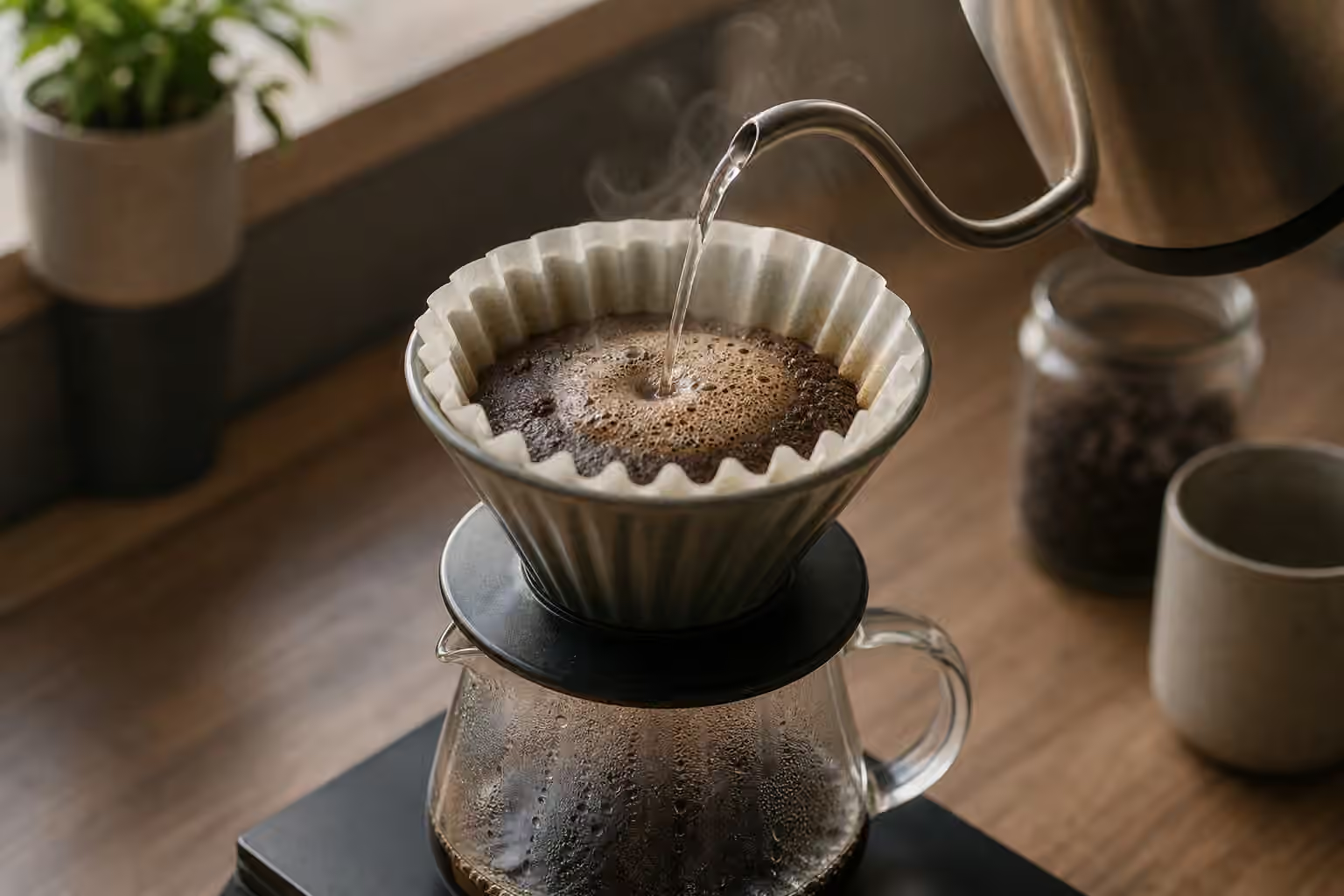
Degassing is the release of carbon dioxide from roasted coffee. You can see it during a pour-over bloom when the wet grounds swell, bubble, and release aroma. Some bloom is normal and often pleasant. Too much trapped gas, however, can make water skate across the coffee bed instead of moving into the particles evenly. The result can be a cup that smells promising but tastes thin, sour, or strangely hollow.
The same issue appears differently across methods. In pour-over, a very fresh coffee may foam so much that the first pour struggles to wet the whole bed. A longer, gentler bloom can help, which is one reason the Pour-Over Coffee Technique guide treats bloom as preparation rather than decoration. In immersion brewing, gas can push grounds upward and create dry pockets unless the slurry is stirred or swirled gently at the start. In espresso, gas can destabilize the puck, making flow look dramatic but taste uneven.
Roast level changes the pace. Darker roasts are more porous and often release gas faster. Lighter roasts can hold on longer and may need more rest before they taste open, especially as espresso. Processing and density matter too. A dense washed coffee and a soft natural process coffee may behave differently even if their roast dates match. This is why taste should outrank a fixed calendar rule.
Too Fresh, Ready, or Fading
A coffee that is too fresh often announces itself through behavior before flavor. The bloom may rise aggressively. Espresso crema may look excessive and loose. The cup may have plenty of aroma but not much sweetness, as if the coffee is shouting without forming words. Sourness can show up even when the grind is not obviously coarse, and the finish may feel short.
A coffee that is ready usually feels easier to interpret. The bloom is active but manageable. The aroma is clear. The cup has sweetness that connects the acidity, body, and finish. If it tastes bright, the brightness feels integrated rather than raw. If it tastes chocolatey, the chocolate note has depth rather than roast heaviness. This is the window where the Coffee Tasting Notes guide becomes especially useful because the coffee is expressive enough to name without being unstable.
A fading coffee tastes quieter. The aroma from the dry grounds may still be pleasant, but the brewed cup feels flatter than expected. Fruit notes become generic acidity. Chocolate becomes brown and woody. The finish may taste papery, dusty, or stale even when the recipe is sound. If the coffee was once good and now every brew tastes muted, do not keep tightening the grind forever. You may be tasting age, oxygen, or storage.
Match Rest to the Method
Filter coffee is forgiving enough that you can often brew a bag throughout its rest curve and learn from it. On an early day, give the bloom more time and make sure the bed is fully wet before the main pour. If the cup tastes sharp but aromatic, try the same recipe again after another day or two before rewriting everything. Once the coffee starts tasting sweet and balanced, record the recipe in the Coffee Dial-In Log so you know what worked while the bag was at its best.
Espresso asks for more restraint. If a new bag produces erratic shots, resist the urge to make five grinder changes in a row. Very fresh coffee can make a capable grinder and good puck prep look worse than they are. Give the coffee a little time, then return to a simple dose, yield, and time target. When the bag is ready, grind changes will produce cleaner feedback.
Immersion methods sit between those worlds. French press, AeroPress, and cupping bowls can handle fresh coffee because the water and grounds remain together long enough to overcome some uneven wetting. Even so, a short rest can soften rough edges. If a coffee tastes loud but not coherent in a French press, freshness may be part of the reason. If it tastes dull in every method, age or storage is more likely.
A Practical Bag Routine
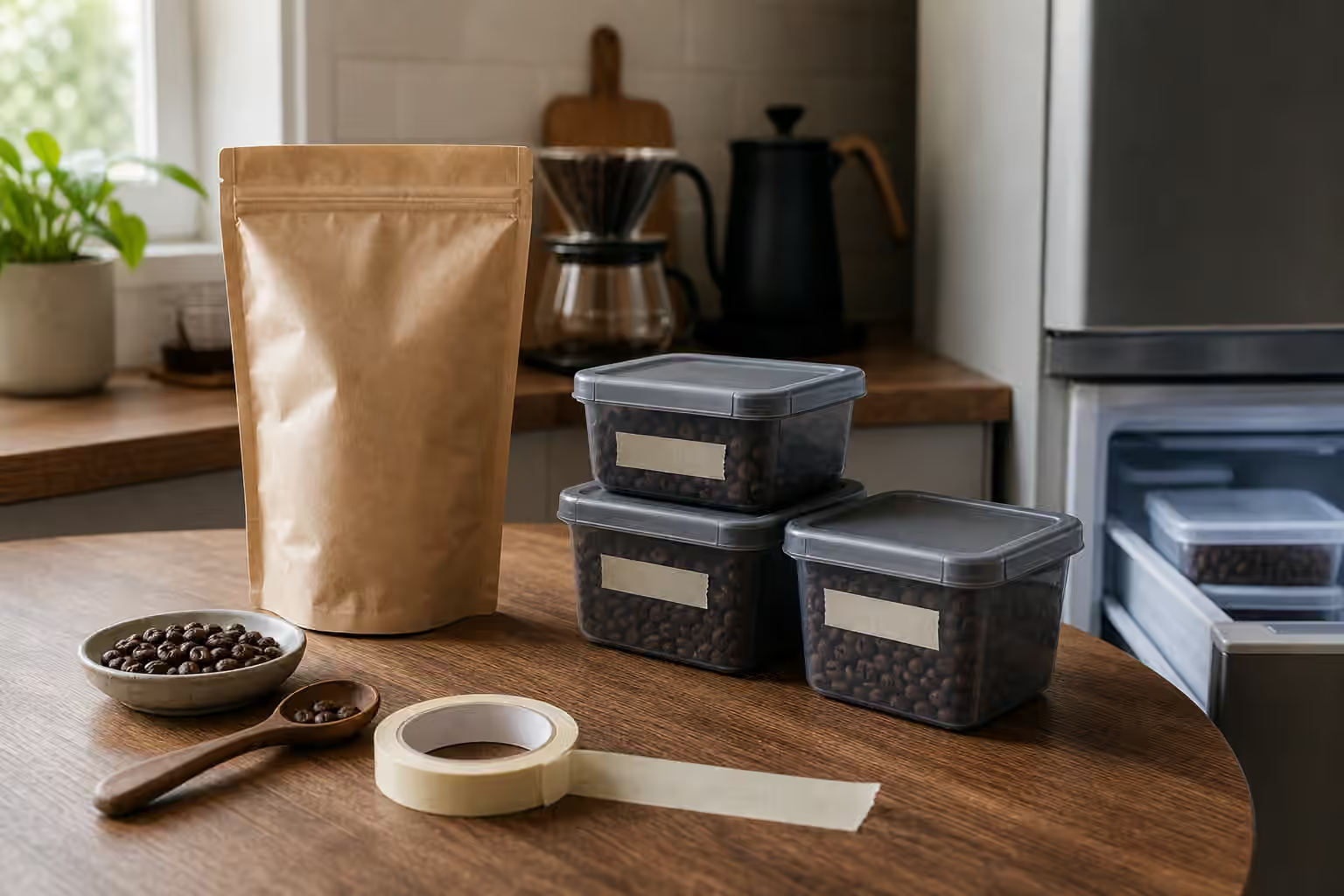
The easiest freshness habit is to buy amounts you can finish while the coffee still tastes alive. A large bag only saves effort if it does not sit open long enough to lose what made it worth buying. Once opened, keep the daily portion in a small airtight container and leave the rest sealed as much as possible. This reduces the oxygen exposure that turns a lively bag into a familiar but tired one.
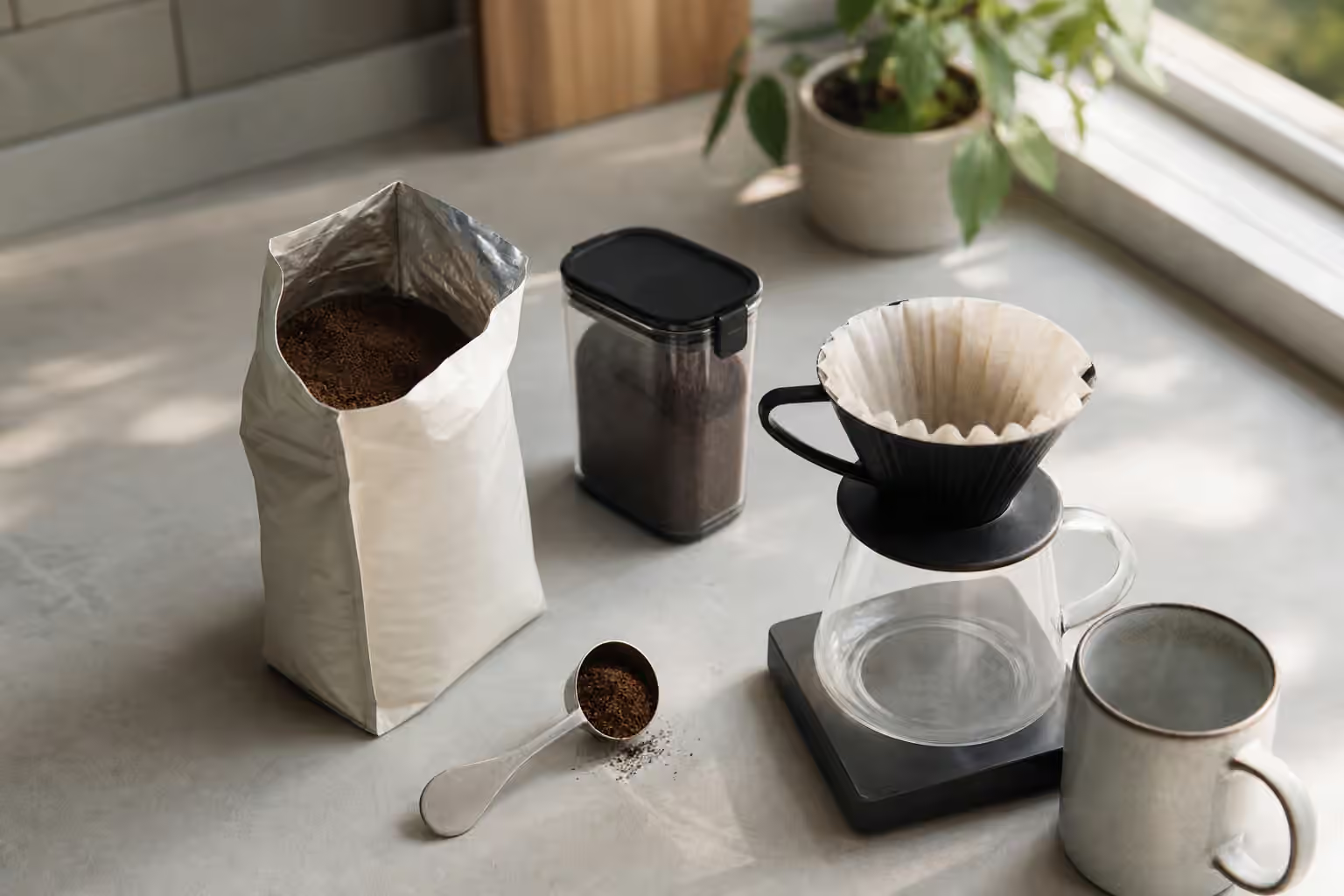
Grind only what you need for the next brew. Whole beans stale slowly compared with ground coffee because the surface area is smaller. Once ground, coffee loses aroma quickly, and no container can fully put that back. If you must grind ahead for a specific situation, treat it as a convenience tradeoff rather than a neutral choice. Use it soon and keep expectations honest.
Smell the coffee before you brew. Dry aroma is not a perfect measure, but it is a useful daily check. If the beans smell vivid and specific, the cup has a good chance. If they smell flat, woody, oily, or like the cabinet, your recipe may not be the main problem. Also watch the bloom, flow, and finished cup as the bag ages. Coffee often needs a slightly finer grind as it loses gas and behaves less energetically, but that adjustment should be small and guided by taste.
When Freshness Is Not the Problem
Freshness is important enough to notice and easy enough to blame too often. If a coffee tastes hollow, the ratio may be too long. If it tastes sour, the grind may be too coarse or the water too cool. If it tastes bitter and dry, the extraction may be too high or the gear may need cleaning. The Coffee Extraction guide helps separate those problems from age.
Water can also disguise itself as staleness. Chlorinated or heavily mineral water can make fresh coffee taste muted, metallic, chalky, or harsh. If several unrelated bags all taste tired in the same way, revisit Water Quality for Coffee before blaming every roaster. Equipment residue can do the same thing. Old oils in a grinder, carafe, travel mug, or metal filter can make a new bag taste older than it is.
The best freshness practice is calm observation. Read the roast date, rest the coffee when the method asks for it, protect it from air and heat, grind just before brewing, and taste as the bag changes. You do not need to hit a perfect day. You need to understand the window well enough that each brew makes sense. When freshness becomes one variable among many instead of a superstition, the whole coffee routine gets steadier.