The filter is easy to treat as disposable background. It sits between the brewer and the cup, does its quiet work, and disappears into the trash, compost, sink, or drying rack. Yet that thin barrier changes the coffee in ways you can taste immediately. It decides how much oil reaches the cup, how many fine particles pass through, how fast water drains, and whether the finish feels crisp, silky, heavy, or dusty.
Good filtration is not about finding the one correct material. Paper, metal, and cloth each frame coffee differently. A bright washed Ethiopian can feel sparkling through paper, richer through cloth, and almost too textured through metal. A chocolatey medium roast can feel elegant in a paper-filtered brewer, comforting in a French press, and rounded in a cloth filter. Once you understand what the filter is doing, you can choose it with the same intention you bring to grind, ratio, and water.
This guide sits naturally beside Coffee Brewing Methods because filtration is one of the main reasons a V60, Chemex, AeroPress, French press, and automatic drip machine taste different even when the beans are the same. It also belongs beside the Grind Size Guide , because a filter is never working alone. Grind controls what reaches the filter, and the filter controls what reaches you.
What a Filter Actually Changes
Coffee brewing pulls soluble flavor from ground beans, but it also frees oils and tiny particles. Some of those oils carry aroma and body. Some particles add texture and perceived strength. Too much of either can make the cup feel heavy, cloudy, bitter, or muddy. A filter is a selective gate. It lets brewed liquid through while holding back different amounts of oil and sediment depending on its material, thickness, shape, and pore size.
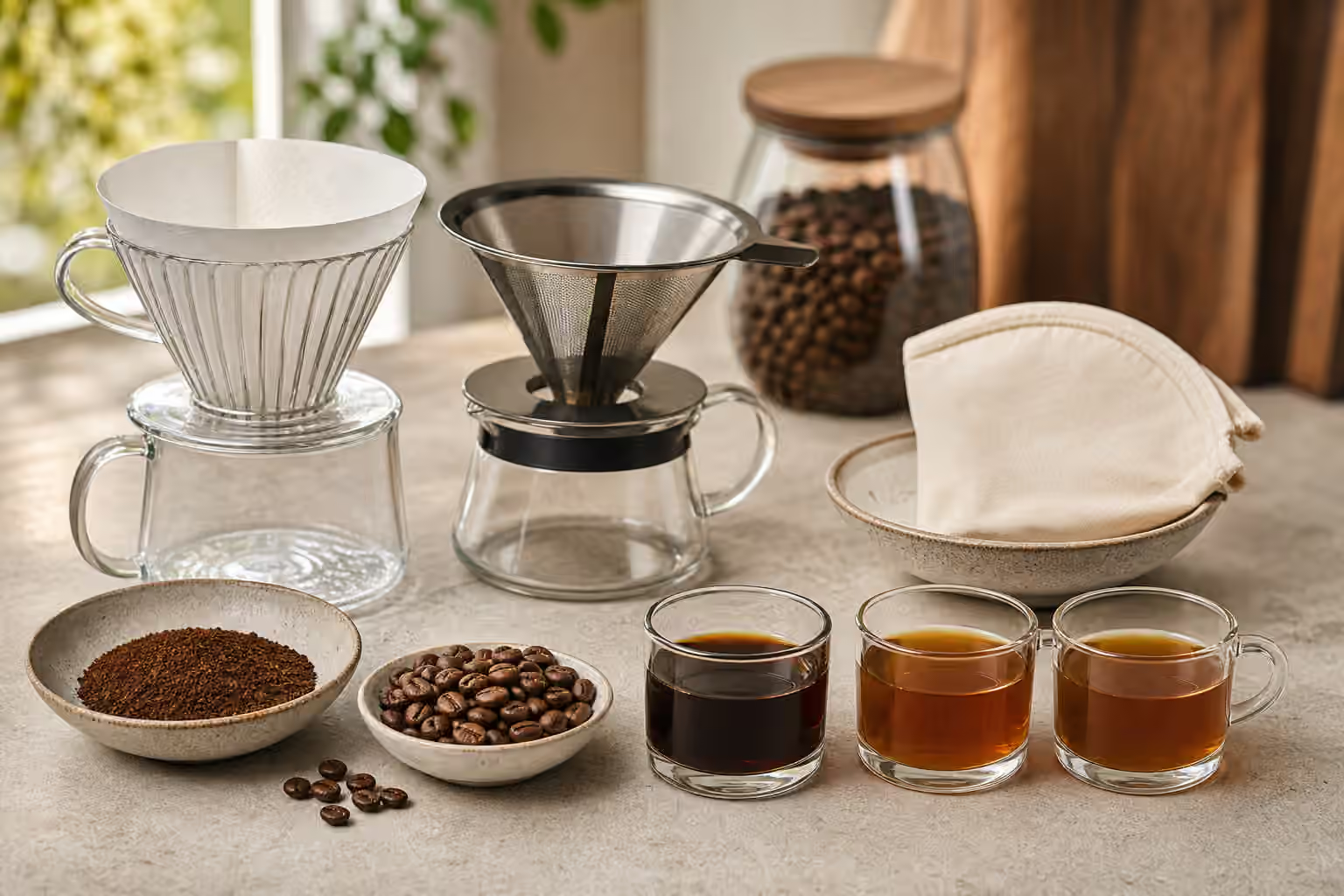
Paper is the strictest gate in most home brewing. It captures much of the sediment and many of the oils, which is why paper-filtered coffee often tastes clean, bright, and clear. Metal is more permissive. It blocks large grounds but lets more oils and tiny particles through, which gives the cup more weight and sometimes a faint grit. Cloth lives between them when it is clean and cared for properly. It can produce a rounded, aromatic cup with less sediment than metal and more body than paper.
Filtration also affects flow. A dense paper filter slows water down more than a thin one. A thick Chemex filter changes the whole brew by creating more resistance, which is why Chemex recipes often use a slightly coarser grind and longer drawdown than many cone brewers. A metal filter may drain faster because it resists less, but it can also clog if the grind produces too many fines. Cloth can flow beautifully when clean, then slow dramatically when old coffee oils build up in the fibers.
Paper Filters and Clarity
Paper filters are popular because they make coffee easier to read. They remove most visible sediment, reduce oils, and produce a cup where acidity, sweetness, and aroma sit in sharper focus. If you are learning to taste coffee, paper can be generous because it gets some texture out of the way. The Coffee Tasting Notes guide talks about body and finish; paper is the material that most clearly shows how light body and clean finish can make flavor separation easier.
The tradeoff is that paper can make some coffees feel slimmer. A coffee that tastes plush and comforting in a French press may seem delicate through a V60. That is not a flaw. It is a framing choice. Paper makes washed coffees, light roasts, and floral or citrusy cups feel precise. It can also expose weak roasting, stale beans, poor water, or under-extraction because there is less body to hide behind.
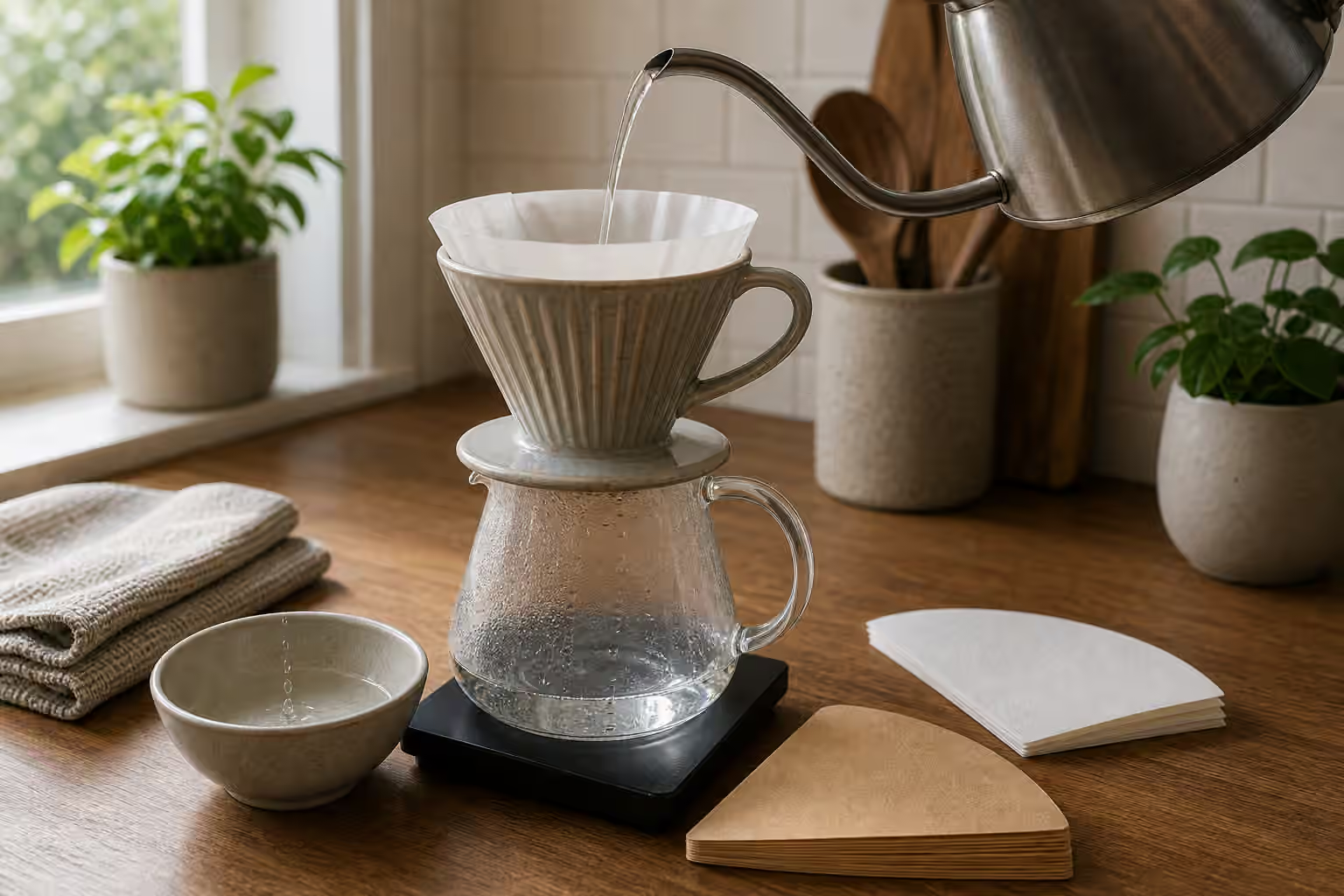
Rinsing paper matters, but not because every filter tastes aggressively papery. Some do, especially thicker filters or filters stored in a dusty cabinet. Rinsing with hot water removes loose paper flavor and preheats the brewer at the same time. The bigger practical point is consistency. If you rinse one day and skip the next, your brewer starts at a different temperature and your first pour meets a different surface. Coffee skill grows faster when these small details stop moving around.
Filter fit matters too. A folded seam that sits awkwardly, a cone filter that collapses, or a basket filter that rides up the wall can create bypass, where water slips around the coffee bed instead of through it. Bypass tastes like weakness with confusion: some water has extracted coffee, some has not, and the finished cup feels hollow even if the total brew time looked normal. Good paper technique begins before the first pour: seat the filter cleanly, rinse it into place, discard the rinse water, then add coffee to a stable bed.
Metal Filters and Body
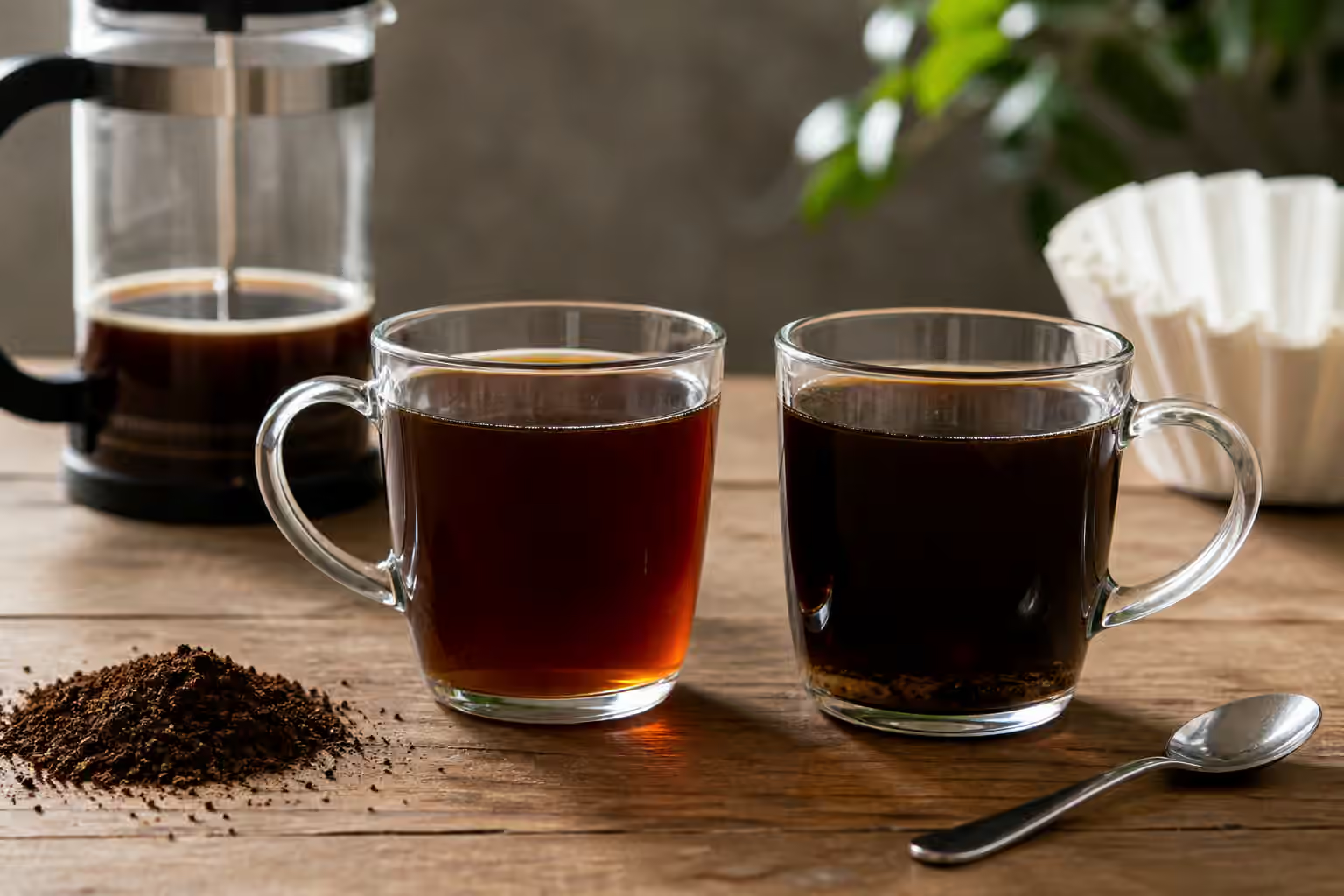
Metal filters let more of coffee through. That includes aromatic oils, suspended solids, and the kind of fine texture that makes a cup feel broad and full. French press is the familiar example, but metal filters also appear in reusable pour-over cones, AeroPress discs, moka pots, and espresso baskets. The result is often a cup with more body, deeper roast presence, and a finish that lingers longer.
This can be wonderful with the right coffee. Medium and medium-dark roasts often gain a chocolatey, rounded quality through metal. Naturals and honey-processed coffees can feel fruitier and more saturated. A cup brewed through metal may seem stronger even when the ratio is identical because texture carries flavor across the palate differently. If paper is a clear window, metal is a warmer room.
The risk is muddiness. Metal does not forgive a grinder that produces lots of fines. Those tiny particles pass through or lodge in the filter and slow flow unevenly. In the cup, they can create a dusty texture and a drying finish that people often mistake for roast bitterness. If metal-filtered coffee tastes harsh, do not immediately blame the beans. Try a slightly coarser grind, reduce agitation, and give the finished cup a moment to settle before drinking the last sip.
Cleaning metal filters is not cosmetic. Coffee oils cling to mesh and turn stale with time. A reusable filter that looks mostly clean can still smell like old coffee when hot water hits it. Rinse immediately after brewing, brush gently when needed, and occasionally soak with a coffee-safe cleaner if the filter starts smelling rancid or draining slowly. A clean metal filter tastes full. A dirty one tastes heavy in the wrong direction.
Cloth Filters and the Middle Ground
Cloth filtration has an old-fashioned reputation, but it solves a modern problem elegantly. Many brewers want the clarity of paper without losing all the softness and aroma that oils provide. A well-maintained cloth filter can make coffee feel sweet, round, and polished. It catches sediment more effectively than metal while allowing more texture than paper. The cup can feel gentle without becoming thin.
The catch is care. Cloth is not a convenience material. It holds moisture, absorbs oils, and can carry stale flavors if it dries dirty or sits too long between uses. After brewing, rinse thoroughly with hot water until the runoff is clear. Some people store cloth filters submerged in clean water in the refrigerator, changing the water regularly. Others clean and dry them carefully. The exact routine matters less than the principle: cloth must stay clean enough that it smells neutral before brewing.
Cloth also changes with age. A new cloth filter may flow quickly once rinsed and seasoned. Over time, oils and fine particles can tighten the weave and slow drawdown. That slower flow may increase extraction, which can be pleasant until it becomes bitter or muted. If a familiar recipe starts dragging without another obvious cause, the filter may be the variable. Clean it deeply, compare it with a fresh filter if you can, and adjust grind only after you know the cloth is behaving.
For some people, cloth is worth the care because it makes coffee feel composed. It can flatter coffees that seem sharp through paper but muddy through metal. It works especially well when you like sweetness and aroma but still want a clean cup. It asks for a little more attention, which makes it a poor fit for rushed mornings and a good fit for a slower weekend brewer.
Matching Filter to Coffee
A useful way to choose filters is to start with what the coffee already wants to show. If a coffee is light, washed, floral, citrusy, or tea-like, paper often gives it the most room. It keeps the cup transparent and lets acidity and aroma stay lifted. If the same coffee tastes too thin, you can increase strength slightly, use a brewer with a thicker bed, or try cloth before abandoning the beans.
If a coffee is medium roast, chocolatey, nutty, or blend-based, all three materials can work. Paper will emphasize balance and cleanliness. Metal will emphasize body and roast sweetness. Cloth may find a satisfying middle, especially if the coffee has enough sweetness to support a softer texture. This is where personal preference matters more than rules. The same Colombian coffee can be a bright weekday drip through paper and a cozy afternoon cup through metal.
Darker roasts need care. Metal can amplify roast oils and bitterness, which some people enjoy and others find heavy. Paper can restrain those oils and make the cup cleaner, but it may also reveal smoky or ashy notes. Cloth can soften the edges if it is clean, but stale cloth will make dark roast taste tired quickly. If dark coffee tastes flat or burnt no matter what filter you use, the issue may be roast level, freshness, or storage rather than filtration. The Coffee Storage Guide is useful when coffees start tasting woody, papery, or dull before the bag is finished.
Filters and Drawdown
Drawdown is the time it takes water to pass through the coffee bed and filter. People often treat it as a grind-size measurement, but the filter has a vote. Two paper filters that fit the same dripper can drain differently. A tabbed filter may have a different flow rate than an untabbed one. A thick paper filter may ask for a coarser grind than a thin paper filter. A cloth filter may speed up after a deep cleaning. A metal filter may look fast until fines clog the mesh.
This is why changing filter brands or materials can make a recipe feel broken. The coffee has not changed, but resistance has. If you switch filters and the brew suddenly tastes sour, bitter, weak, or heavy, return to the basic dial-in logic from the Coffee Dial-In Log . Keep the dose and water the same, note the total time and taste, then make one small grind change. Do not rewrite the whole recipe because a new filter moved the flow.
Pay attention to the bed after brewing. A flat bed is not proof of great coffee, but it can suggest even flow. A cratered bed, grounds climbing the walls, or a filter that has folded inward points to uneven pouring, poor filter fit, or too much agitation. The cup matters more than the bed, but visual clues help you decide whether the filter supported the brew or fought it.
Keeping Filter Flavor Out of the Cup
A filter should shape coffee, not announce itself. Paper should not taste like cardboard. Metal should not smell oily. Cloth should not smell like a wet cabinet. The simplest test is to run hot water through the filter and smell the result. If the water tastes or smells distracting on its own, it will not improve after you add good beans.
Store paper filters dry, clean, and away from strong smells. Paper absorbs odors from cabinets, spices, cleaning products, and stale coffee. Keep metal filters free of oil buildup and dry them well so trapped grounds do not sour. Treat cloth as a brewing tool rather than a reusable napkin. It needs a routine, and that routine has to be honest enough for your life. A neglected cloth filter is worse than an ordinary paper one.
The best filter choice is the one that gives you the cup you want and the workflow you will actually maintain. Paper is clean, repeatable, and forgiving. Metal is full-bodied, durable, and direct. Cloth is sweet, tactile, and demanding in exchange for its softness. None of them is automatically more serious than the others.
Try the same coffee through two filters and taste them side by side. Keep the ratio close, use the same water, and let both cups cool a little before deciding. You may find that you prefer paper for bright coffees, metal for comfort cups, and cloth when you want sweetness without heaviness. That small piece of knowledge makes brewing less random. The filter stops being an afterthought and becomes one more quiet lever you can choose on purpose.