Extraction is the word coffee people reach for when a cup tastes wrong, but it is also the word that makes brewing sound more mysterious than it needs to be. At its simplest, extraction is the movement of flavor from ground coffee into water. Some compounds dissolve early and easily. Others need more time, heat, surface area, or agitation. A balanced cup is not the one that extracts everything. It is the one that extracts enough of the pleasant material without letting the roughest edges dominate.
This idea sits underneath nearly every coffee guide. Coffee Brewing Ratios explains strength, Grind Size explains surface area and flow, and Coffee Tasting Notes gives language for what you notice in the cup. Extraction connects those pieces. It turns “too sour” and “too bitter” from vague complaints into useful signals.
Extraction Is Not the Same as Strength
Strength is how concentrated the finished coffee feels. Extraction is what the water pulled from the grounds. They often move together, but they are not the same thing. A cup can be strong and under-extracted if you used plenty of coffee but ground too coarse or brewed too quickly. It may taste intense, sharp, and hollow at the same time. A cup can be weak and over-extracted if you used a long ratio with too fine a grind and too much contact time. It may taste thin but still leave a dry bitterness behind.
This distinction prevents a lot of bad fixes. If coffee tastes sour and watery, adding more coffee may make it stronger, but it may not make it sweeter. If coffee tastes bitter and heavy, adding water may make it easier to drink, but it may not remove the harsh finish. First ask whether the cup has the right concentration. Then ask whether the flavor inside that concentration is balanced.
The practical language is simple. Thin, watery, or faint points toward strength. Sour, sharp, grassy, salty, dry, harsh, or bitter points toward extraction, though roast level and bean quality can complicate the picture. When both sets of words appear at once, solve one layer at a time.
What Under-Extraction Tastes Like
Under-extraction happens when water has not pulled enough from the coffee. The cup often tastes sour, hollow, grassy, peanut-like, or short. It may smell promising but collapse in the mouth. Acidity feels exposed because sweetness and body have not arrived to hold it in place. People sometimes describe under-extracted coffee as bright, but good brightness has sweetness behind it. Bad sourness feels unfinished.
A coarse grind is a common cause because water touches less surface area and passes through the bed quickly. Low water temperature can contribute, especially with light roasts that need more heat to open up. Too little brew time, too little agitation, poor saturation, and channeling can all leave parts of the coffee underused. In espresso, under-extraction may show up as a fast shot with pale crema and a sharp finish. In pour-over, it may look like a brew that drains quickly and tastes like lemon peel without sugar. In French press, it may come from grinding too coarse and plunging before the coffee has steeped long enough.
The first fix is usually to increase extraction gently. Grind a little finer, extend contact time, use water a little hotter if your method allows it, or improve saturation at the start of the brew. For pour-over, the bloom and early pour matter because dry pockets stay behind. For automatic drip, a level bed and the right batch size help the machine wet the grounds more evenly. The goal is not to push until bitterness appears. The goal is to bring sweetness into the center of the cup.
What Over-Extraction Tastes Like
Over-extraction happens when water pulls too much, especially from the easiest-to-overdo parts of the grounds or from fine particles that extract quickly. The cup may taste bitter, woody, ashy, medicinal, or harsh. More importantly, it often feels drying. That drying, mouth-coating sensation is a clearer warning than bitterness alone, because some pleasant bitterness belongs in coffee, especially in espresso and darker roasts.
A fine grind is a common cause because it creates more surface area and slows water down. Long contact time, very hot water, aggressive agitation, and clogged filters can push extraction too far. Darker roasts also extract more readily because their structure is more brittle and porous, so they often need a gentler approach than light roasts. If a dark roast tastes smoky because it was roasted dark, brewing changes can soften it but not turn it into a floral light roast. The Coffee Roasting Guide helps separate roast flavor from brew error.
To reduce over-extraction, grind a little coarser, shorten contact time, pour more gently, or lower temperature within a reasonable brewing range. If the brew stalls near the end, look for fines migration or filter clogging before blaming the entire recipe. A cup that starts pleasant and becomes harsh as it cools may be telling you that the finish is over-extracted even if the first hot sips seemed fine.
Uneven Extraction Is the Trouble Maker
Many confusing cups are not simply under-extracted or over-extracted. They are uneven. Some grounds gave up too little while others gave up too much. The finished coffee can taste sour and bitter at the same time, which leads people to chase opposite fixes. Grinding finer might help the sour parts but make the bitter parts worse. Grinding coarser might reduce harshness but leave the cup hollower.
Uneven extraction comes from uneven water contact. In pour-over, water can rush through a channel, ride the filter wall, or miss dry clumps. In espresso, channeling through a weak spot in the puck can make part of the shot race while other areas barely extract. In French press, a very inconsistent grind can leave boulders under-extracted and fines over-extracted in the same brew. In automatic drip, a narrow shower stream can overwork the center of the bed while the edges lag behind.
The fix is evenness before intensity. Level the bed. Break up clumps. Bloom thoroughly. Pour with calmer, repeatable movement. Distribute espresso grounds before tamping. Use a grinder that produces fewer extremes when possible. The Pour-Over Coffee Technique guide is really an evenness guide in practice, because bloom, pour height, agitation, and drawdown all affect how fairly water moves through the coffee.
The Main Levers Work Together
Grind is the most direct extraction lever for many methods. Finer grinding increases surface area and often slows flow, which raises extraction. Coarser grinding decreases surface area and often speeds flow, which lowers extraction. This is why grind is usually the first adjustment in a dial-in routine. It changes extraction without changing how much beverage you make.
Time is the next obvious lever. Immersion methods such as French press and AeroPress let you lengthen or shorten steep time directly. Percolation methods such as pour-over and drip connect time to grind, filter, and pour behavior because water is moving through the bed. Espresso compresses everything into a small puck under pressure, so tiny grind changes can alter time dramatically.
Temperature changes how easily compounds dissolve. Hotter water generally extracts more quickly. Cooler water extracts more slowly and can soften bitterness in darker roasts, though going too cool can make the cup flat or sour. Water composition matters too, because minerals influence how coffee extracts and how flavor lands on the palate. Water Quality for Coffee is worth reading when every recipe tastes dull, chalky, sharp, or muted despite careful brewing.
Agitation is the lever people underestimate. Stirring, swirling, pouring hard, pressing, and turbulence all move water around the grounds. Some agitation improves contact and sweetness. Too much can clog filters, move fines downward, or roughen the finish. A calm adjustment is easier to learn than a dramatic one.
Different Methods Hide Different Clues
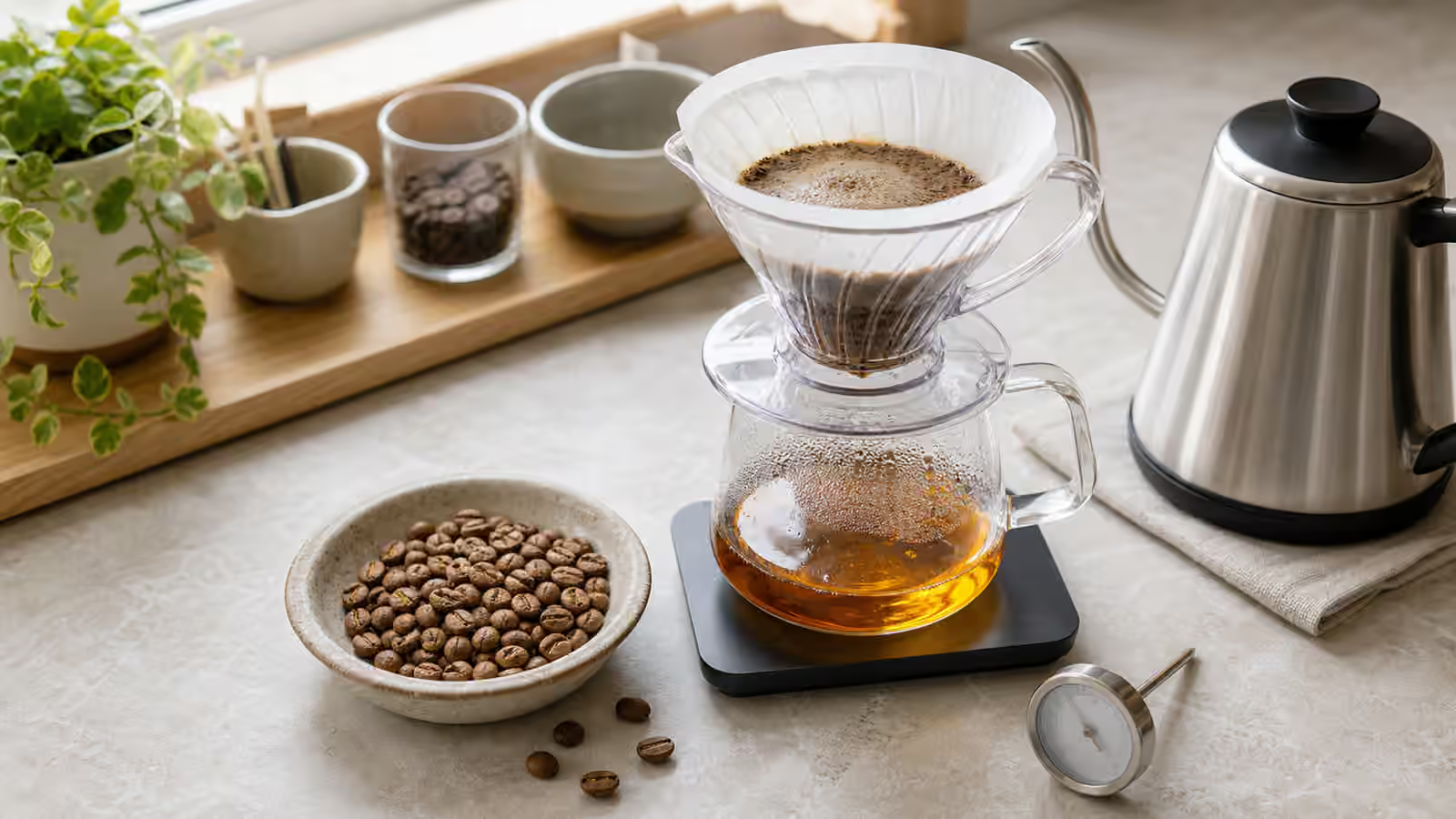
Pour-over makes extraction visible through the bed and drawdown. A fast drawdown with a sour cup suggests too little extraction. A stalled drawdown with a dry finish suggests too much extraction or clogged filtration. The bed shape can give clues, though the cup gets the final word. A flat bed is useful but not proof of balance.
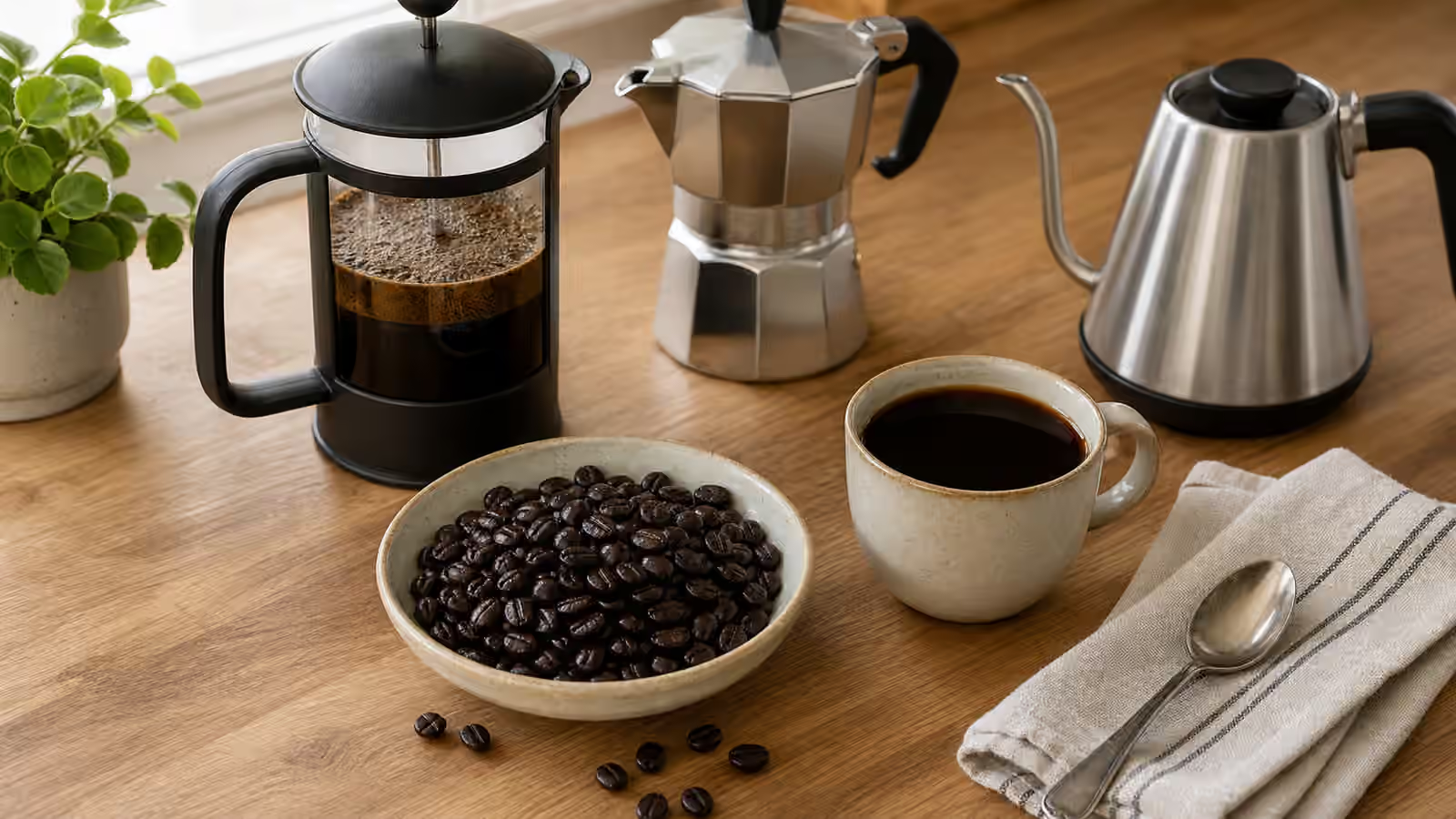
French press hides flow because the grounds sit in water together. The cup may taste full because oils and sediment add body, even when the extraction is not especially high. Letting the brew settle before pouring can reduce harsh fines without changing the steep itself. French Press Coffee shows how grind, time, and decanting keep immersion coffee clean.
Espresso magnifies every small mistake. Because pressure forces water through a compact puck, uneven preparation can create channels quickly. A shot can run within a familiar time window and still taste unbalanced if the puck extracted unevenly. The method in How to Dial In Espresso works because it holds dose and yield steady long enough for taste to guide the next grind change.
Automatic drip asks you to read the finished batch because the machine hides the process. If the same coffee tastes better as a smaller or larger batch, the brewer’s water distribution, bed depth, or heat cycle may be affecting extraction. That does not make the machine useless. It means the recipe has to fit the brewer.
Taste the Whole Arc
Coffee changes as it cools, and extraction problems often become clearer with time. Very hot coffee can make sourness seem sharper and bitterness seem simpler. Warm coffee reveals sweetness, body, and finish more honestly. Cool coffee exposes hollowness, papery staleness, harsh dryness, and the kind of acidity that never found balance.
Taste in more than one sip. Notice the first impression, the middle of the mouth, and the aftertaste. Under-extracted coffee often arrives quickly and leaves quickly. Over-extracted coffee may seem acceptable at first, then keep drying after you swallow. Balanced coffee does not have to be gentle or boring. It can be bright, intense, heavy, or delicate, but the parts feel connected. Acidity has sweetness near it. Bitterness has body under it. The finish belongs to the cup instead of arguing with it.
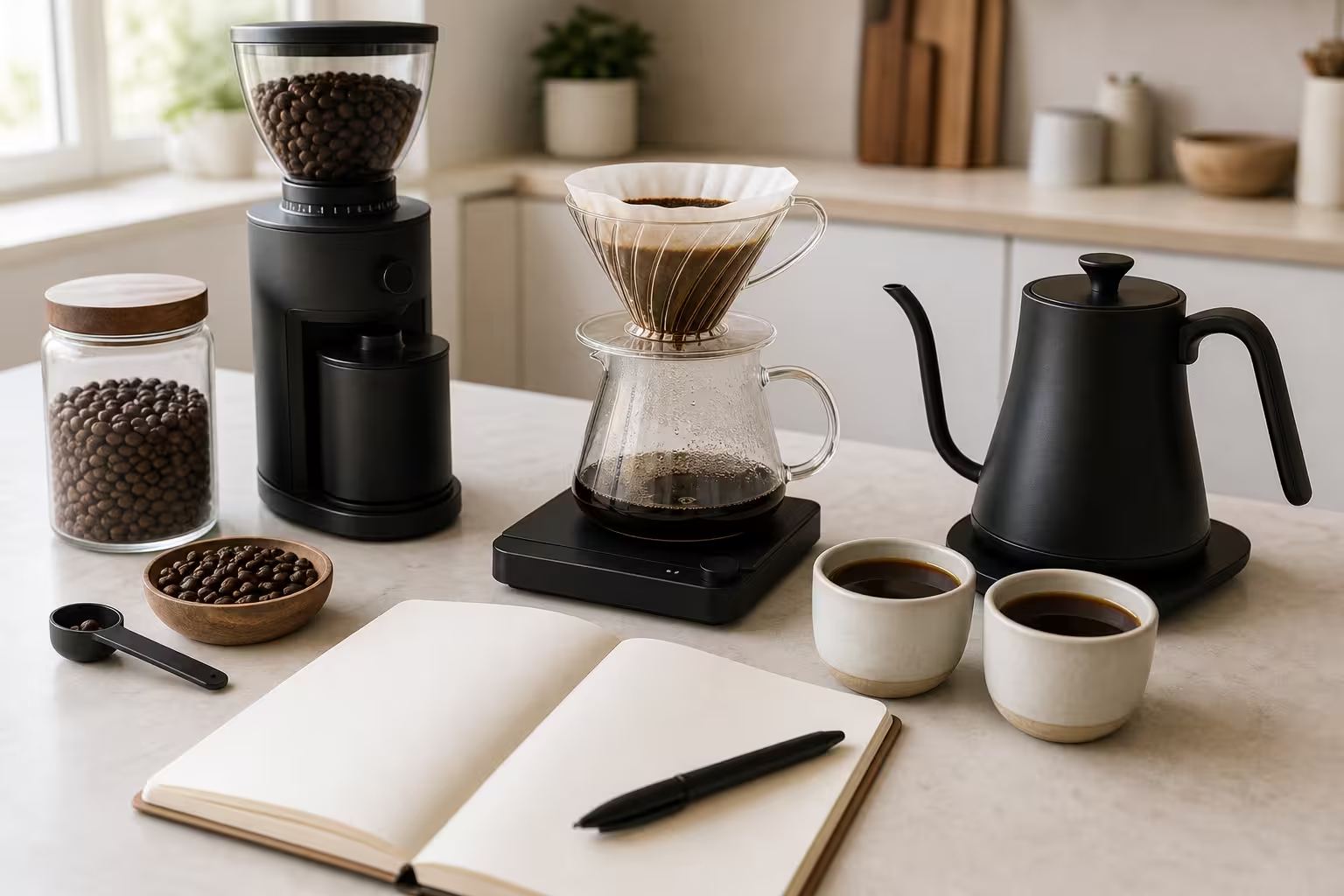
The best way to learn extraction is to brew small contrasts on purpose. Make one cup a little too coarse and another a little too fine. Taste them beside a balanced attempt. The lesson will be clearer than any chart. Then return to the recipe you actually want to drink and change one thing at a time, using the Coffee Dial-In Log to keep memory honest.
Extraction is not a secret code. It is the flavor story of water meeting coffee. When too little dissolves, the cup tastes unfinished. When too much dissolves, the cup turns rough. When extraction is uneven, the cup sends mixed signals. When it is balanced, the coffee tastes more like itself: sweet where it should be sweet, bright where it should be bright, bitter only where bitterness adds shape, and clear enough that the next adjustment feels obvious.